Craft & Local Food Portal
匠めぐり
A journey through the crafts and food culture passed down across Japan.
Explore by region or genre ↓
Explore by Region
View all regions →Traditional crafts and local food, organized by prefecture
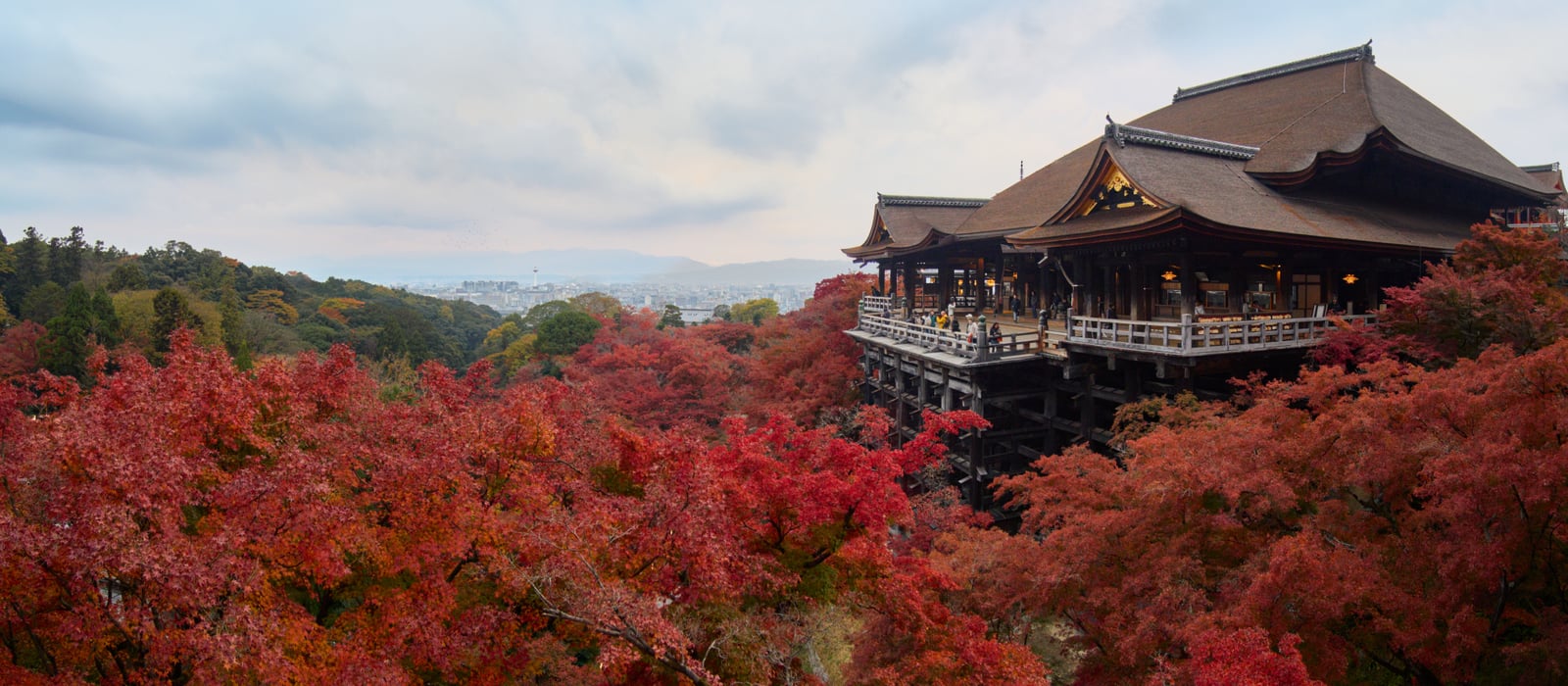
Kyoto Prefecture
As the imperial capital for a thousand years since the founding of Heian-kyo, Kyoto Prefecture has built up layer upon layer of culture from the court nobility, samurai, temples and shrines, and townspeople. Traditional crafts such as Nishijin-ori textiles, Kyo-yuzen dyeing, and Kiyomizu-yaki pottery were refined to the utmost under a system of specialized division of labor, while food culture such as yudofu, Kyoto pickles, and yatsuhashi remains deeply tied to Zen temples, festivals, and the daily life of the townspeople. With some of the richest craft and food traditions in Japan, simply wandering among production districts and long-established shops in areas like Gojozaka, Nishijin, Kamigamo, and Ohara is itself a highlight of visiting Kyoto.
- ✓Nishijin-ori textiles
- ✓Kyo-yuzen dyeing
- ✓Kiyomizu-yaki & Raku-yaki pottery
- ✓Yudofu (simmered tofu)
- ✓Yatsuhashi
- ✓Hamo (pike conger) cuisine
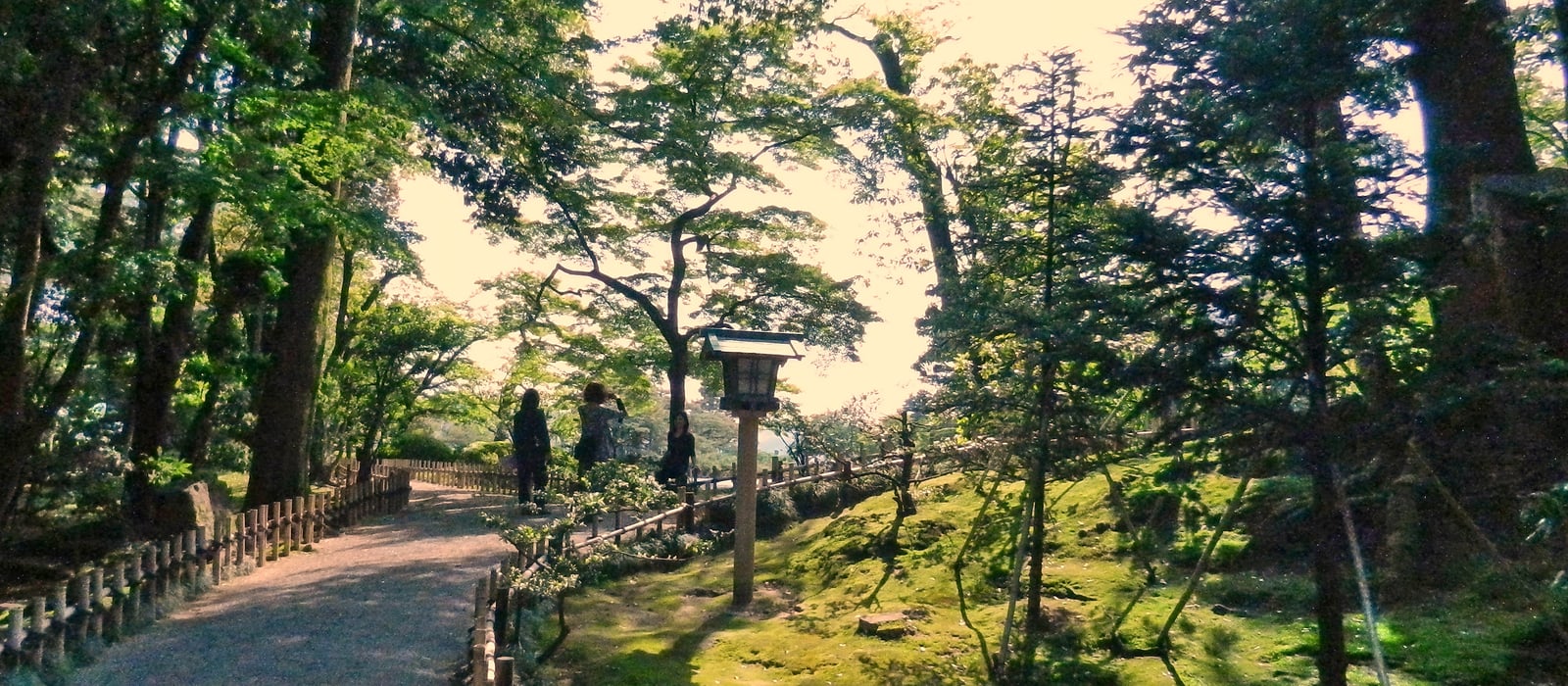
Ishikawa Prefecture
A region with a deep layer of both craft and food culture, nurtured under the rule of the Maeda family of the Kaga domain against a backdrop of samurai culture such as tea ceremony and Noh theater. It retains numerous traditional crafts in lacquerware, ceramics, and dyed textiles, including Wajima-nuri, Kutani ware, and Kaga Yuzen, along with techniques tied to the Maeda family such as Kanazawa gold leaf and Ohi ware. It is also rich in local dishes that make use of the bounty of the Sea of Japan and the wisdom of fermentation, such as Kaburazushi, Jibuni, and Kobako-gani, and visitors can enjoy touring production areas and long-established shops centered on Kanazawa's Omicho Market and the area around Kenrokuen Garden.
- ✓Wajima-nuri
- ✓Kutani ware
- ✓Kaga Yuzen
- ✓Jibuni
- ✓Kaburazushi
- ✓Kobako-gani
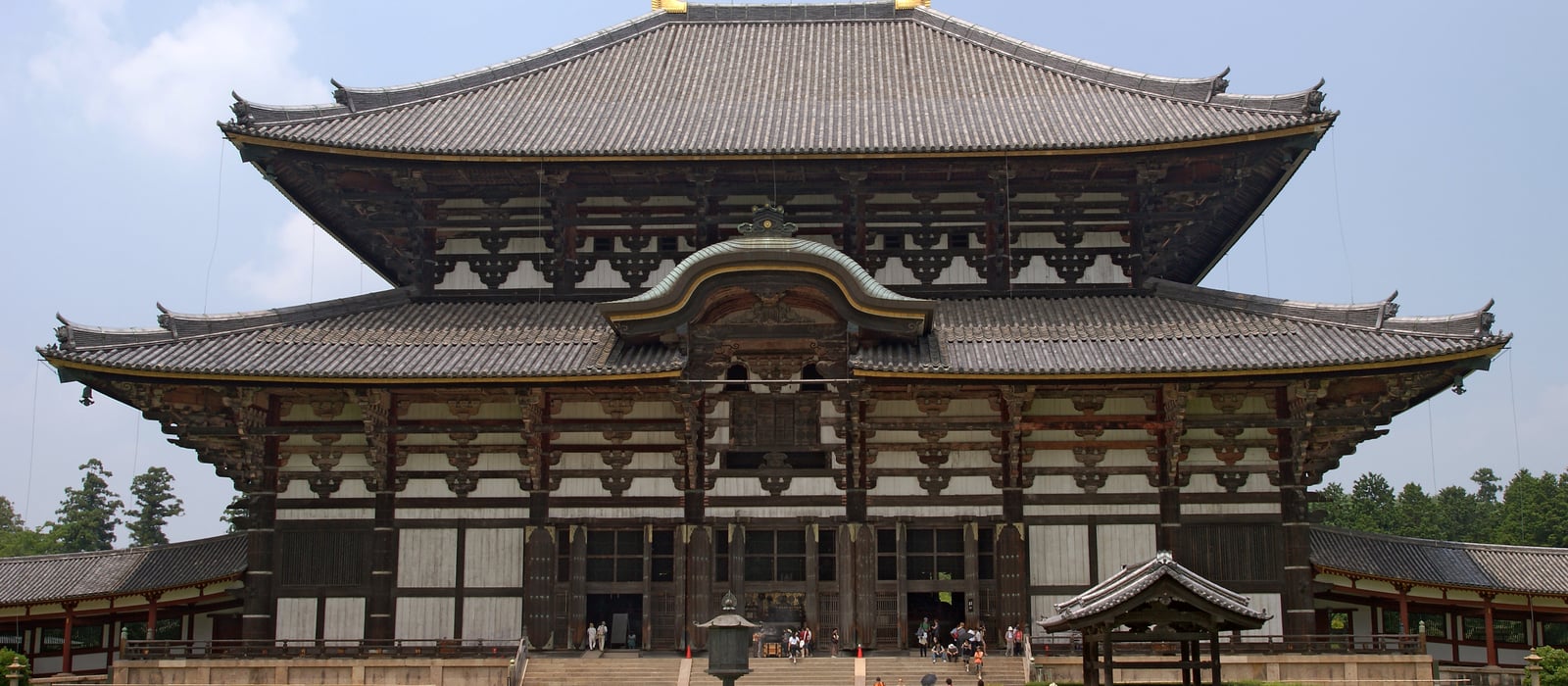
Nara Prefecture
A region that flourished as the center of Japanese politics and culture ever since the capital was moved to Heijo-kyo in 710. Alongside the construction of temples and shrines such as Todai-ji, Kofuku-ji, and Kasuga Taisha, a craft culture of lacquerware, woodworking, papermaking, brush-making, and inkstick-making developed, leaving behind numerous crafts — including Takayama tea whisks, Nara writing brushes, and Nara inksticks — that still account for the majority of domestic production today. It is also rich in local dishes rooted in the preserved-food culture unique to a landlocked basin, such as Kakinoha-zushi, Miwa somen noodles, and Nara-zuke pickles. Visitors can enjoy strolling through areas where temples, shrines, and artisan quarters form a single fabric, such as Naramachi, the area around Todai-ji and Kasuga Taisha, and the foot of Mount Miwa in Sakurai City.
- ✓Takayama tea whisks
- ✓Nara writing brushes
- ✓Nara inksticks
- ✓Akahada-yaki
- ✓Kakinoha-zushi
- ✓Miwa somen noodles
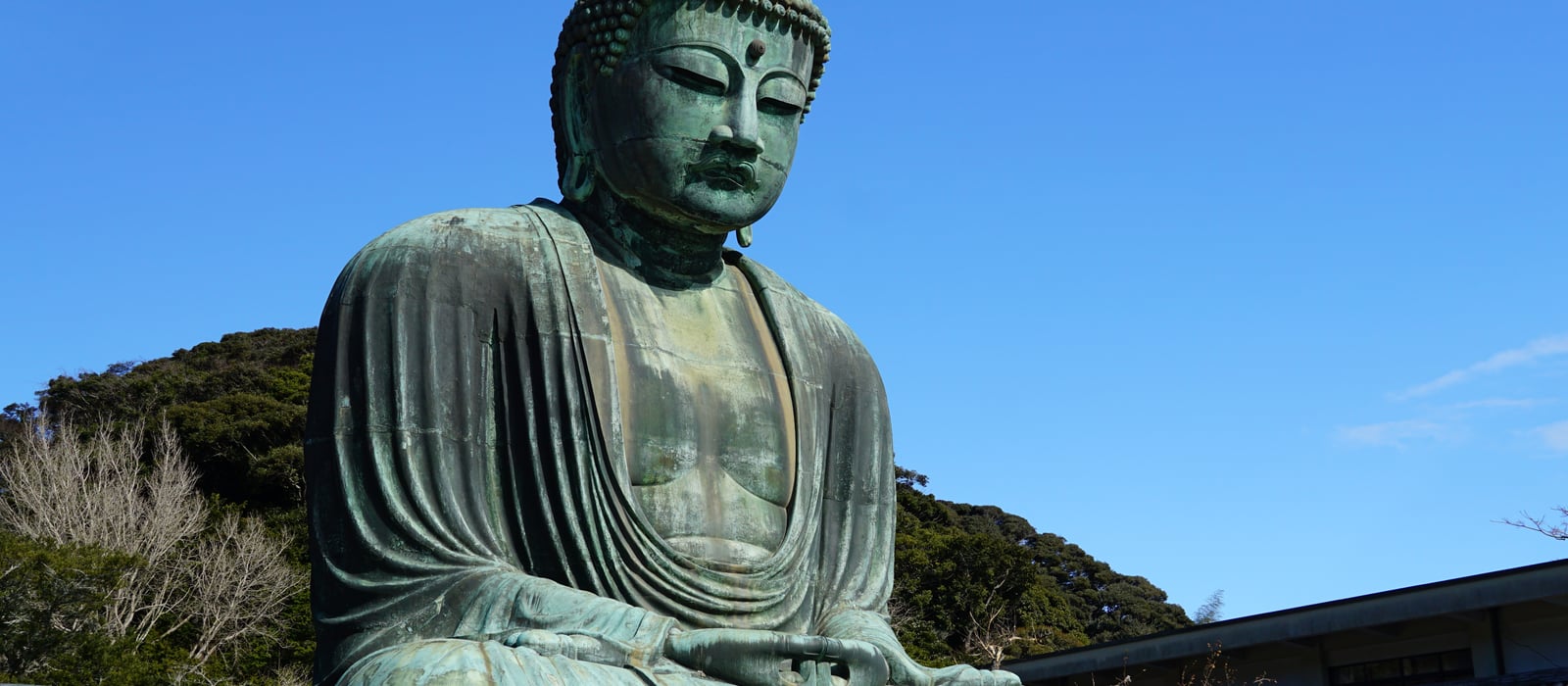
Kanagawa Prefecture
A region that flourished as the seat of samurai government in the Kamakura period, as a post town along the Tokaido in the Edo period, and, from the end of the shogunate onward, as a gateway for Japan's modernization and adoption of Western culture through the opening of the port of Yokohama. In Kamakura, Kamakura-bori carving developed against a backdrop of Zen Buddhist culture, while in Hakone and Odawara, woodworking and metalworking techniques such as Yosegi-zaiku (marquetry), lacquerware, and cast metalwork flourished, making use of abundant forest resources. The opening of the port of Yokohama gave rise to a food culture that incorporated Western and Chinese influences, such as Western-style furniture, scarves, gyu-nabe beef hot pot, and shumai dumplings, while the fishing industry of Sagami Bay and the Miura Peninsula, along with the pilgrimage culture of visiting Mt. Oyama, nurtured local flavors such as shirasu don, tuna dishes, and shojin tofu. A region with multilayered appeal, where samurai culture, post-town culture, the culture of the open port, and fishing-village culture all overlap.
- ✓Kamakura-bori
- ✓Hakone Yosegi-zaiku
- ✓Odawara Lacquerware
- ✓Kenchin-jiru
- ✓Nama-shirasu-don
- ✓Sanma-men
Hokkaido
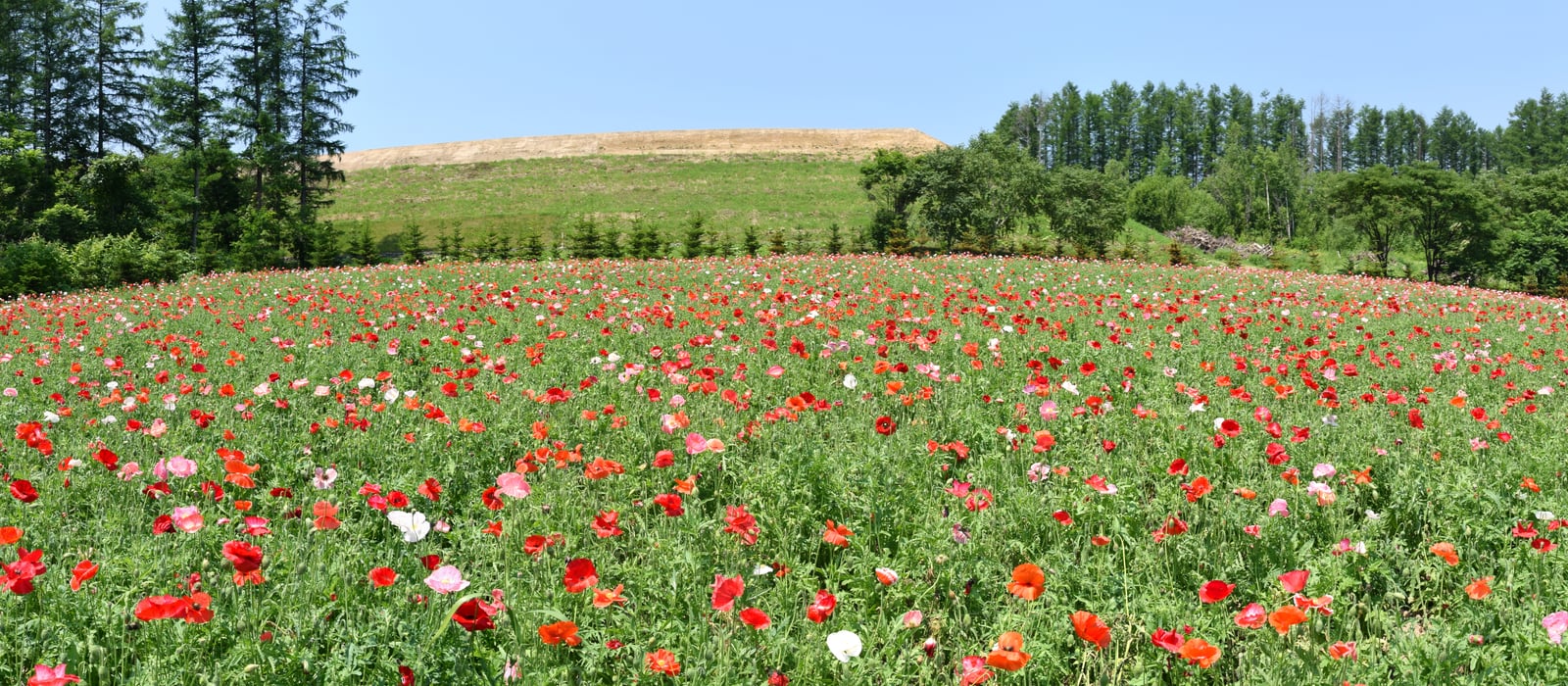
Hokkaido, Japan's northernmost land, is a region where the distinctive culture nurtured by the Ainu people overlaps with the history of settlement since the Meiji era. Nibutani-ita and Nibutani-attus were the first Ainu crafts in Hokkaido designated as Traditional Craft Products by the Minister of Economy, Trade and Industry (METI), while wood-carved bears (kibori-guma) and Otaru glass survive today as folk and industrial crafts born from life during the settlement era. In food, the region offers abundant local dishes making the most of the land and sea's bounty, from Ishikari nabe (salmon hot pot) and chanchan-yaki, which flourished around the salmon fishery in Ishikari, to Jingisukan (grilled mutton), which spread with the popularization of eating lamb and mutton. Because of Hokkaido's vast area, production centers are scattered across the region, and it is a pleasure to explore the distinct history and food culture of areas such as Biratori, Yakumo, Asahikawa, Otaru, Iwamizawa, Ishikari, and Matsumae.
- ✓Nibutani-ita
- ✓Nibutani-attus
- ✓Wood-carved bear (kibori-guma)
- ✓Otaru glass
- ✓Ishikari nabe (salmon hot pot)
- ✓Jingisukan (grilled mutton)
Aomori Prefecture
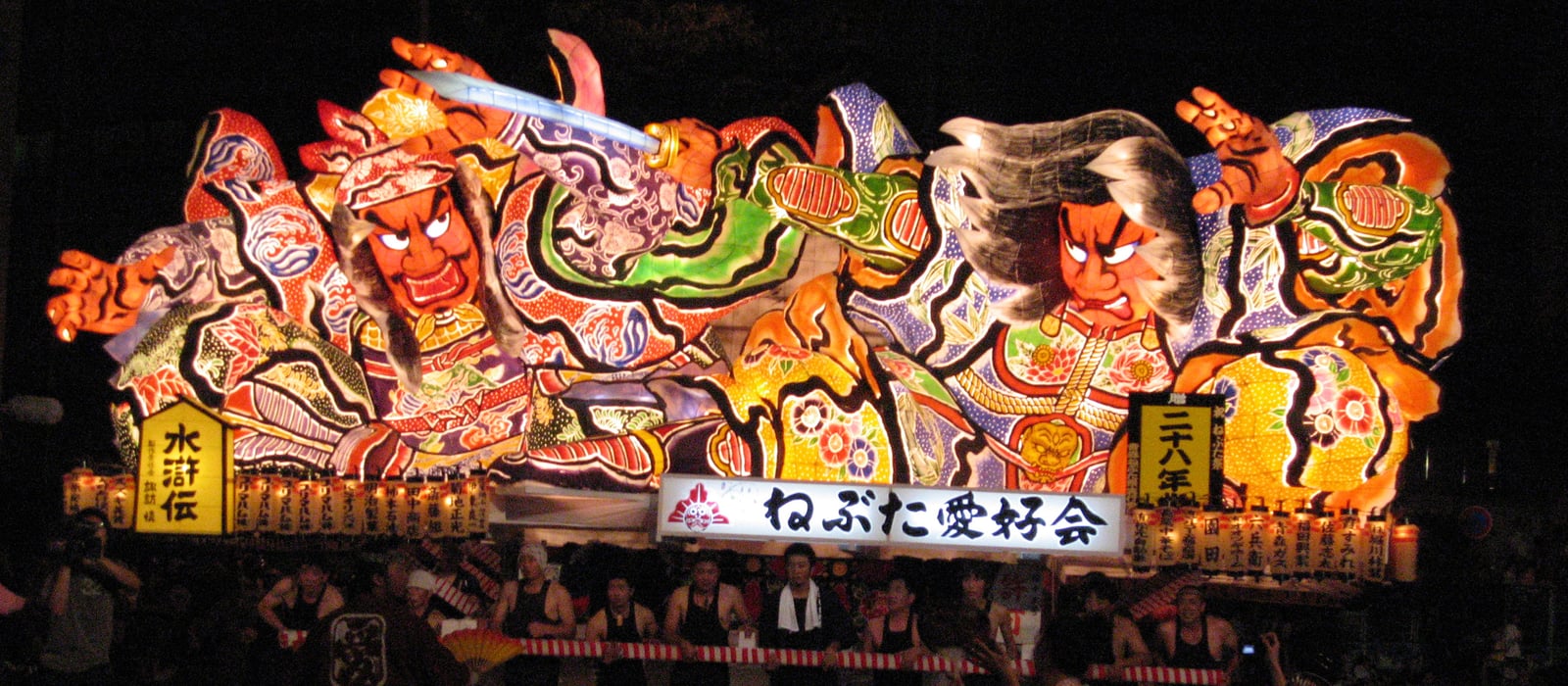
Located at the northern tip of Honshu, Aomori Prefecture encompasses two distinct cultural spheres, Tsugaru and Nanbu. Its crafts are rich and varied, reflecting the contrast between the two regions: Tsugaru lacquerware, born from industrial promotion policies of the Hirosaki domain in the Edo period, and the sashiko needlework traditions of Tsugaru kogin-zashi and Nanbu hishizashi, developed from the wisdom of enduring the cold. Its cuisine is equally broad, ranging from soups that make use of the bounty of Mutsu Bay and the Pacific Ocean, such as cod, scallops, sea urchin, and abalone, to a distinctive wheat-based food culture built around Nanbu senbei crackers, and local dishes born from postwar food stall culture. The prefecture's three great summer festivals — the Aomori Nebuta Festival, the Hirosaki Neputa Festival, and the Hachinohe Sansha Taisai — color the season across the region.
- ✓Tsugaru lacquerware
- ✓Tsugaru kogin-zashi
- ✓Nanbu hishizashi
- ✓Senbei-jiru (senbei hot pot)
- ✓Ichigo-ni (sea urchin and abalone soup)
- ✓Towada barayaki (grilled beef)
Iwate Prefecture
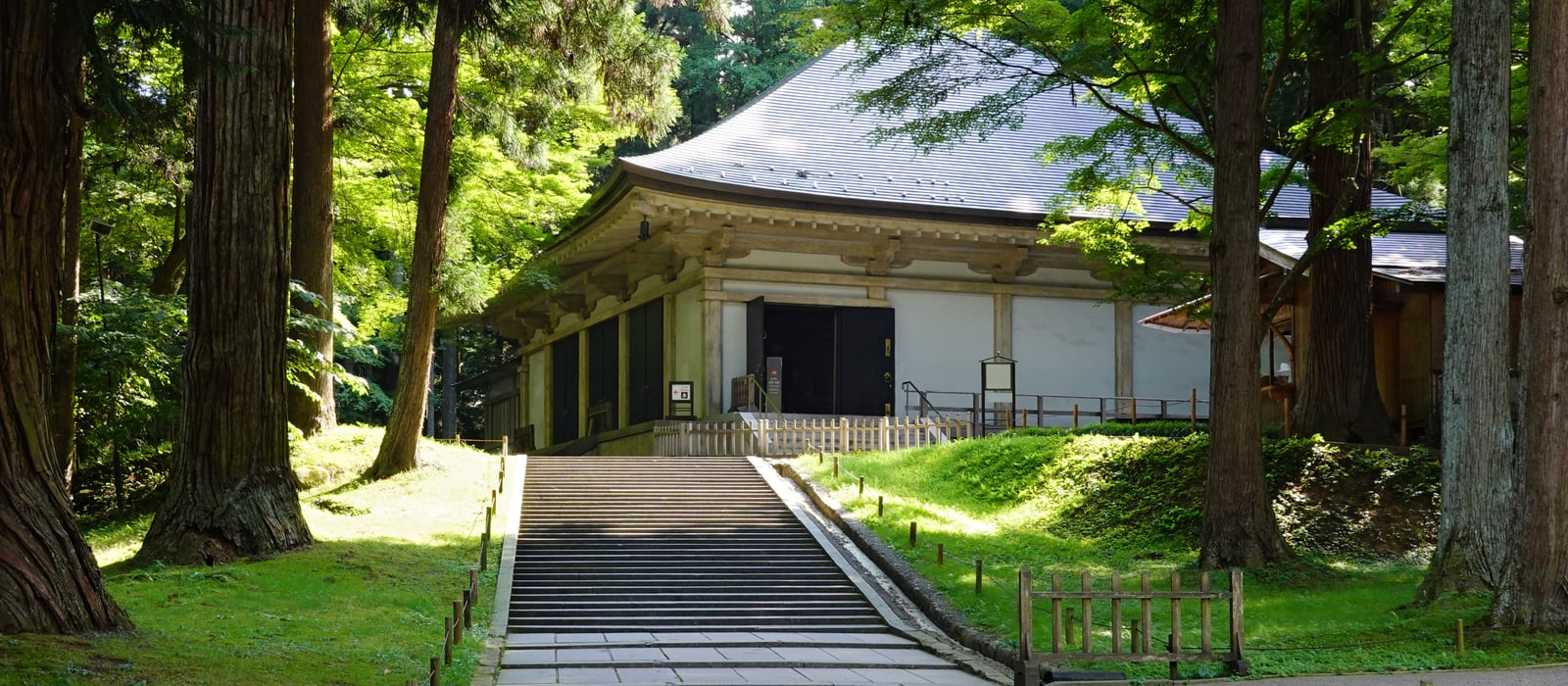
Iwate Prefecture boasts the largest area of any prefecture on Honshu, a land shaped by the mountains of the Kitakami Highlands and the Ou Mountains and by the sea of Sanriku. It is home to four traditional crafts that each developed as the official craft of the Nanbu or Date domain in the Edo period — Nanbu Tekki ironware, Hidehira-nuri lacquerware, Joboji-nuri lacquerware, and Iwayado Tansu chests — along with wool homespun weaving introduced in the Meiji era, reflecting the depth of the prefecture as a center of craft production. Its food culture is equally rich, shaped by the differing climates and histories of the Nanbu and Date domains and of the inland and coastal areas: a flour-based food culture typified by the Morioka Big Three Noodles (wanko soba, Morioka reimen, and jajamen), two brand beefs in Maesawa beef and Iwate Tankaku beef, Kuji's mamebu-jiru soup, and the varied mochi dishes of Ichinoseki and Hiraizumi. Hiraizumi, home to the Konjikido Golden Hall of Chuson-ji Temple, was registered as a UNESCO World Heritage Site in 2011.
- ✓Nanbu Tekki
- ✓Hidehira-nuri
- ✓Wanko Soba
- ✓Morioka Reimen
- ✓Maesawa Beef
- ✓Mamebu-jiru (dumpling soup with walnuts and brown sugar)
Aichi Prefecture
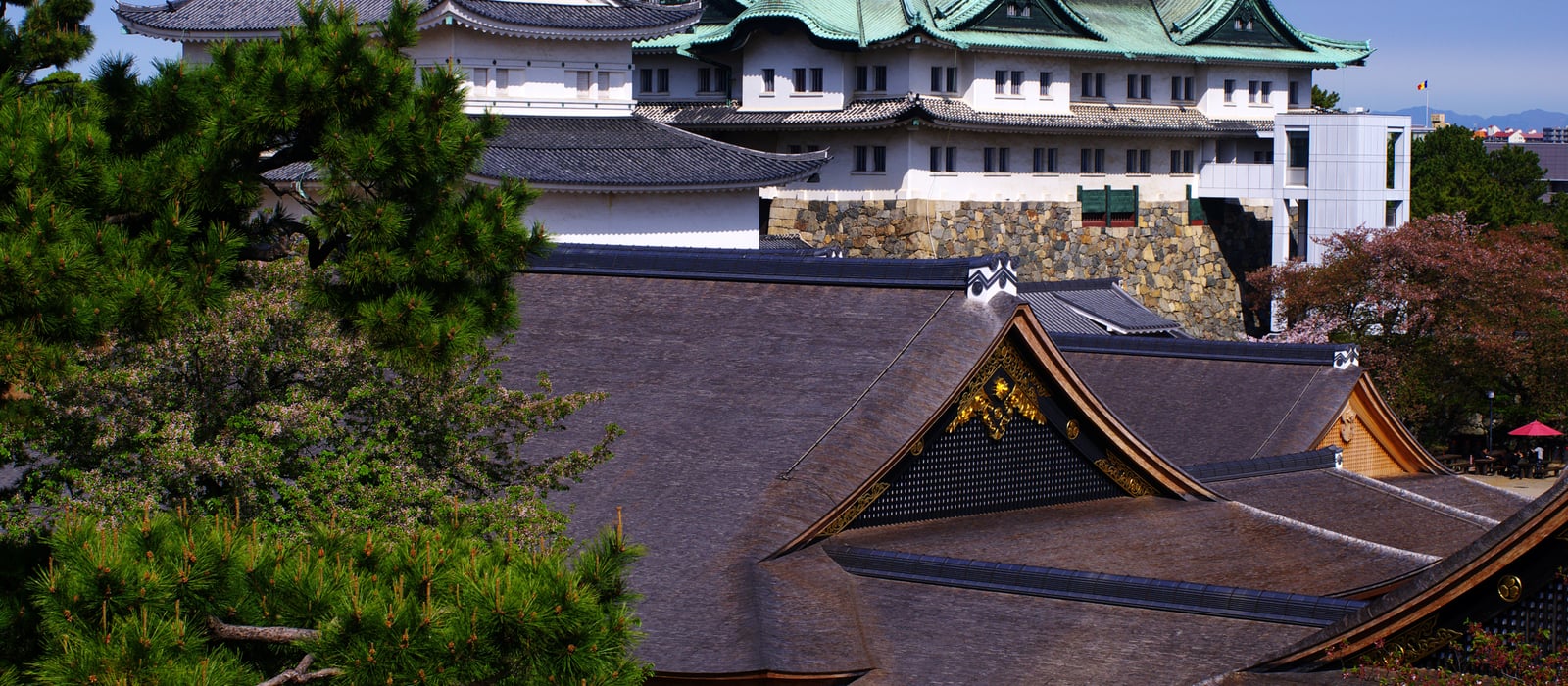
Home to Tokoname and Seto — two of Japan's Six Ancient Kilns — this region carries on a rich tradition of division-of-labor craftsmanship rooted in its castle-town history, including Arimatsu-Narumi Shibori tie-dyeing, Owari Shippo cloisonne ware, and Nagoya butsudan Buddhist altars and Owari butsugu altar fittings. Centered on Nagoya, which flourished as the castle town of the Owari Tokugawa family, one of the three principal Tokugawa branch houses, the area is nationally known for its rich, distinctive food culture called Nagoya meshi (Nagoya's local specialty cuisine): dishes built on soybean miso (Hatcho miso), such as Misokatsu and miso nikomi udon, alongside hitsumabushi, tebasaki (chicken wings), and kishimen (flat wheat noodles). The region's own coffee-shop culture centered on the 'morning service,' along with sweets such as uiro and Ogura Toast, are also local specialties. In the Mikawa region, a long tradition of handcraft dating back to the Edo period runs deep, seen in centers such as Toyohashi, known for calligraphy brushes, and Mikawa cotton weaving.
- ✓Tokoname-yaki
- ✓Seto-yaki
- ✓Arimatsu-Narumi Shibori
- ✓Hitsumabushi
- ✓Misokatsu
- ✓Hatcho Miso
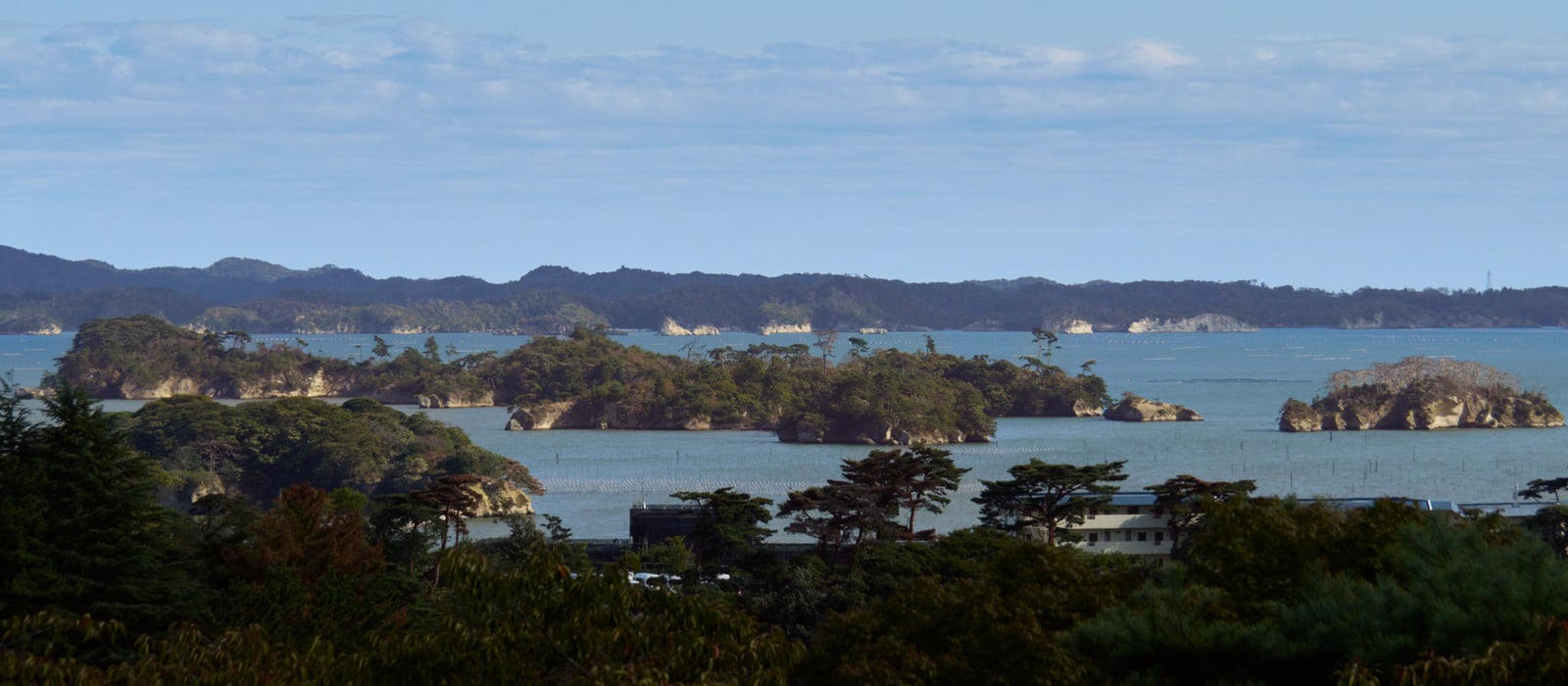
Miyagi Prefecture
Home to Sendai, the largest city in the Tohoku region, Miyagi Prefecture combines the castle-town history built by Date Masamune with the bounty of the Sanriku sea, epitomized by Matsushima, one of Japan's Three Scenic Views. Four Traditional Crafts designated by the Minister of Economy, Trade and Industry — Miyagi Dento Kokeshi, Ogatsu Suzuri inkstones, Sendai Tansu chests, and Naruko-nuri lacquerware — are joined by handcrafts such as Tsutsumi ware pottery and Sendai-hira silk that were nurtured as the official crafts of the Sendai Domain, and these traditions live on today. Its food culture is equally rich, shaped by the differing climates and industries of the inland and coastal areas: Sendai specialties like grilled beef tongue, zunda mochi, and sasa kamaboko fish cakes; regional dishes from the south of the prefecture such as harako meshi and seri nabe hot pot; and Kesennuma's shark fin cuisine. The story of recovery from the 2011 Great East Japan Earthquake is also passed down today through the region's industries, Ogatsu Suzuri chief among them.
- ✓Miyagi Dento Kokeshi
- ✓Ogatsu Suzuri
- ✓Grilled Beef Tongue (Gyutan)
- ✓Zunda Mochi
- ✓Matsushima
- ✓Sasa Kamaboko
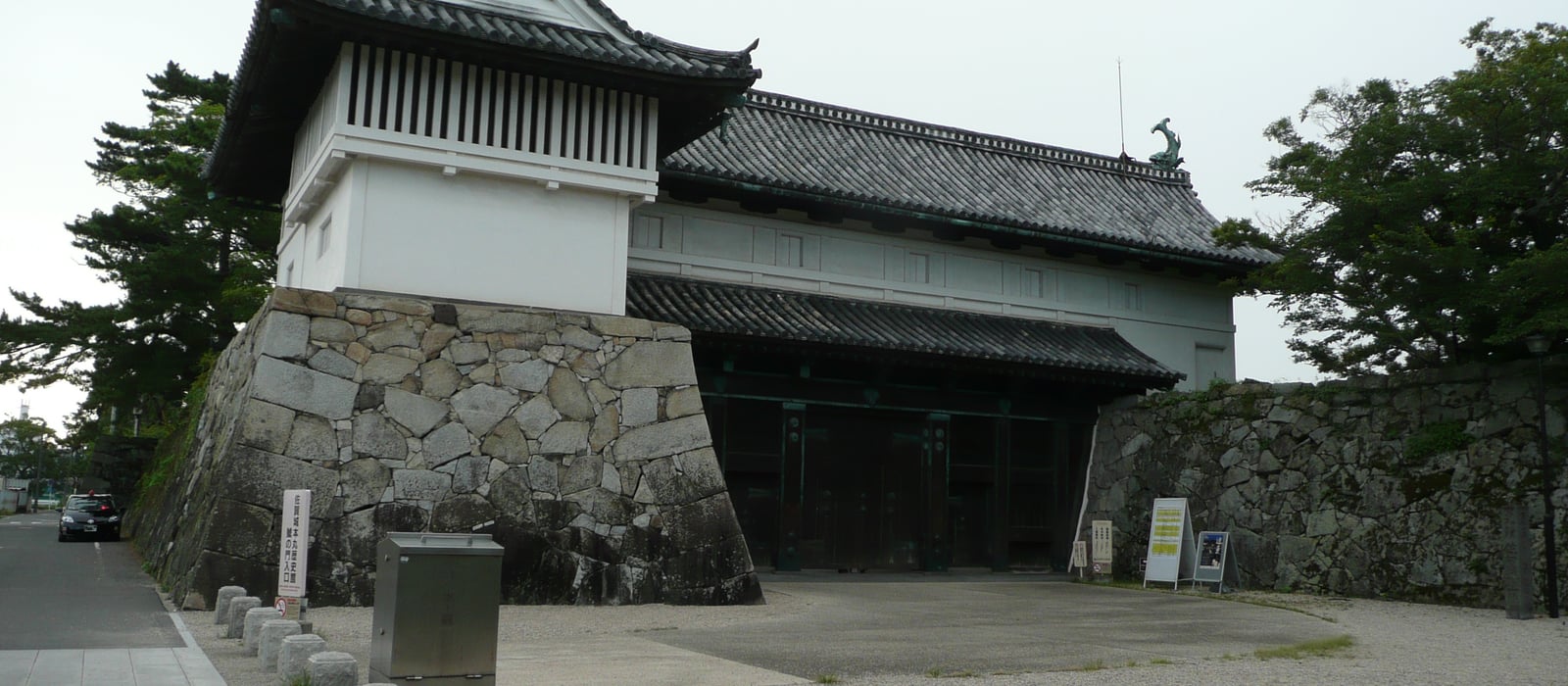
Saga Prefecture
Home to Arita-yaki, Imari-yaki, and Karatsu-yaki — three of Japan's most celebrated porcelain and pottery traditions — Saga is known worldwide as 'the land of ceramics.' Arita, where Japan's first porcelain was fired in 1616, sits alongside Ōkawachiyama, the 'hidden kiln village' that once produced wares exclusively for the shogunate, and the Karatsu kilns beloved by tea masters. Delicate handcrafts nurtured under the protection of the Saga Domain, such as Saga-nishiki brocade, Nabeshima Dantsu carpets, and Hizen Biidoro glass, are still practiced today. Alongside a distinctive food culture shaped by the vast tidal flats of the Ariake Sea — home to mudskippers, warasubo fish, and ganzuke — the prefecture also boasts nationally famous specialties such as Saga beef, Yobuko squid, and Ogi yōkan. The sugar culture that traveled the Nagasaki Kaidō through Ogi and Kashima, together with the culinary diversity nurtured by the Ariake Sea and the Genkai Sea, adds further richness to the region's food traditions.
- ✓Arita-yaki
- ✓Imari-yaki
- ✓Karatsu-yaki
- ✓Saga-nishiki
- ✓Yobuko squid
- ✓Saga beef
- ✓Ogi yōkan
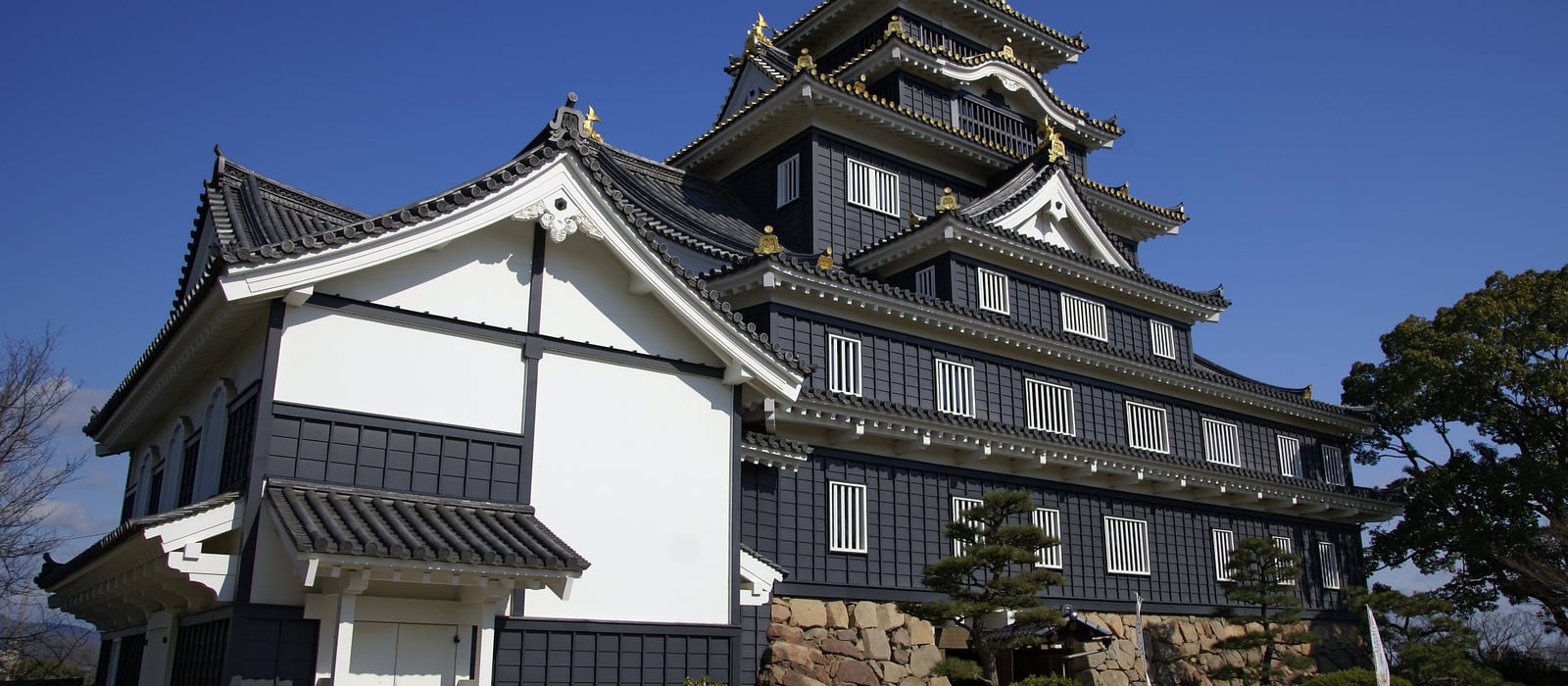
Okayama Prefecture
Okayama Prefecture is known as the 'Land of Sunshine' for its mild Seto Inland Sea climate, and remains home to both a ceramics culture led by Bizen-yaki and a textile industry epitomized by Kojima Denim and Kurashiki Hanpu canvas. Spots where you can sense this history of craftsmanship are scattered across the prefecture, including Ibe, where the kilns of Bizen-yaki — one of Japan's Six Ancient Kilns — cluster together; Kojima in Kurashiki City, regarded as the birthplace of Japan-made jeans; and the Kurashiki Bikan Historical Quarter, with its rows of white-walled storehouses. In its food culture, distinctive local dishes and confections live on, including Mamakari-zushi and Okayama Barazushi, made with seafood caught in the Seto Inland Sea, and Kibi Dango, tied to the legend of Momotaro.
- ✓Bizen-yaki
- ✓Kojima Denim
- ✓Mamakari-zushi
- ✓Kibi Dango
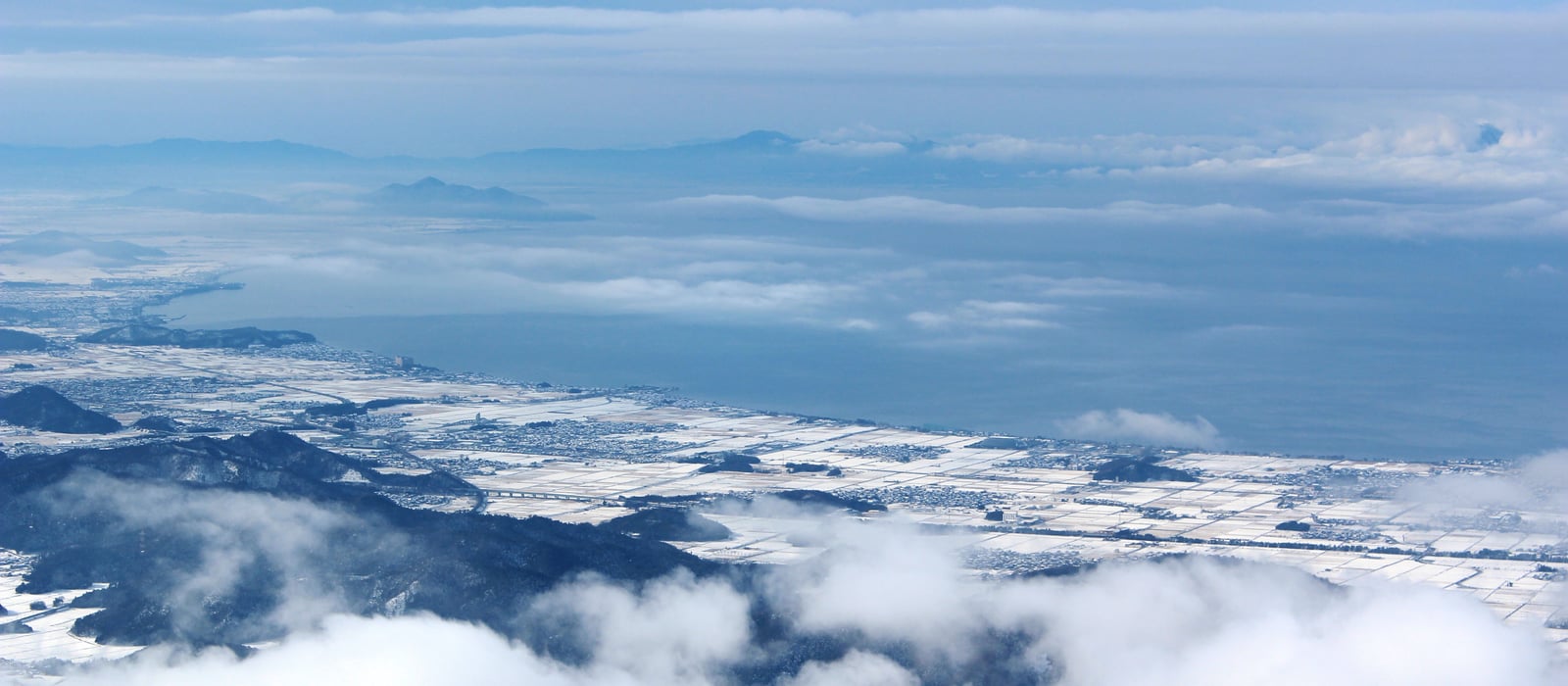
Shiga Prefecture
Home to Lake Biwa, Japan's largest lake, Shiga Prefecture is alive with a rich variety of traditional crafts: Shigaraki-yaki, one of Japan's Six Ancient Kilns, the twin Buddhist-altar-making centers of Hikone and Nagahama, and Omi-jofu, a hemp textile once distributed nationwide by Omi merchants. Along the approach to Mii-dera Temple in Otsu, the folk-art tradition of Otsu-e painting and the craft of cord-braiding have been passed down since the Edo period, while Adogawa in Takashima City is known as the heartland of folding-fan-rib production, supplying roughly 90% of Japan's fan ribs. On the food side, the table is still graced by Omi beef, one of Japan's three great wagyu brands with roots in the Edo period, funazushi, said to be the oldest form of sushi in Japan, and lake-fish dishes made with Lake Biwa's endemic biwamasu trout and seta shijimi clams. Shiga's charm lies in its distinctive production areas scattered around all sides of the lake - Otsu, Hikone, Nagahama, Shigaraki, Takashima, and Omihachiman.
- ✓Shigaraki-yaki
- ✓Hikone Butsudan
- ✓Omi-jofu
- ✓Omi Beef
- ✓Funazushi
- ✓Lake Biwa
Gifu Prefecture
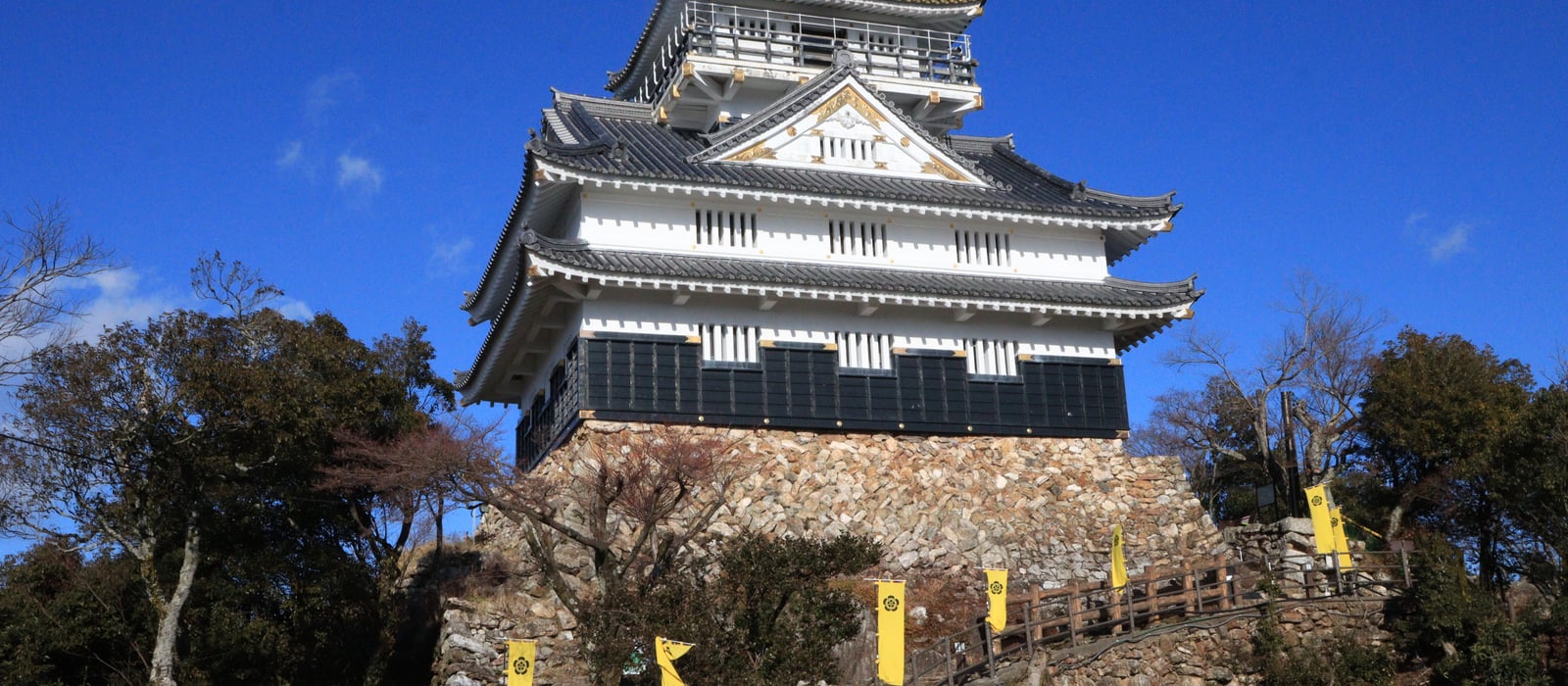
Gifu Prefecture is a treasury of craftsmanship and regional cuisine where two distinct climates, Mino and Hida, coexist within a single prefecture. In the Mino region, hands-on traditions combining practicality and beauty remain very much alive, from Mino-yaki, which produces about 60% of Japan's tableware, to Mino Washi paper (including Hon-mino-shi, a UNESCO Intangible Cultural Heritage), and Seki City, known worldwide as a center for cutlery. In Hida-Takayama, master crafts such as Ichii Ittobori wood carving, Hida Shunkei-nuri lacquerware, and Hida furniture have been passed down alongside the old townscape, nurturing a mountain food culture distinctive to the area, including Hoba Miso, Hida beef, and Takayama ramen. The culture of clear rivers and mountain life, epitomized by the cormorant fishing on the Nagara River and the Gujo Odori dance, is another of the prefecture's great charms.
- ✓Mino-yaki
- ✓Mino Washi
- ✓Ichii Ittobori
- ✓Hida Shunkei-nuri
- ✓Seki Hamono
- ✓Hida Beef
- ✓Hoba Miso
- ✓Takayama Ramen
Okinawa Prefecture
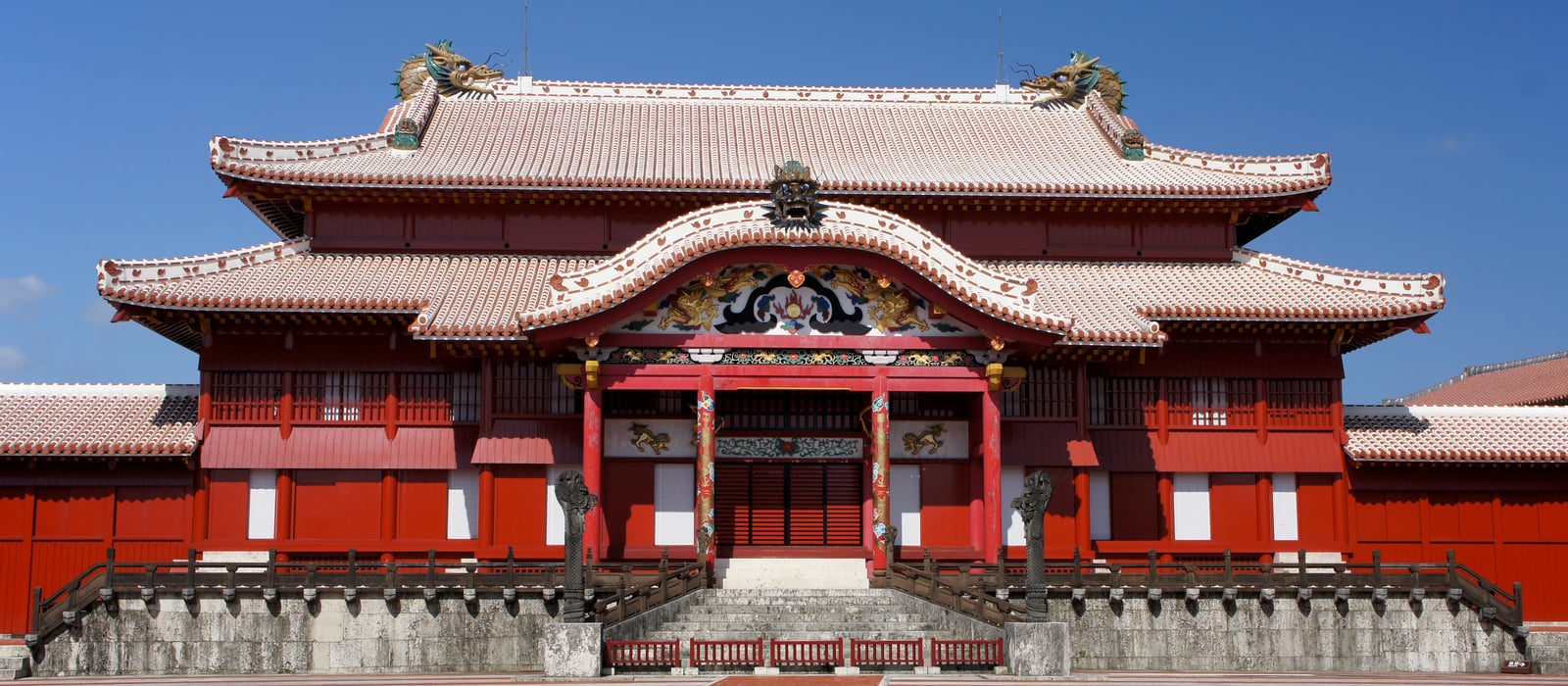
Okinawa Prefecture, which followed its own historical path as the Ryukyu Kingdom, carries on a distinctive craft and food culture nurtured through trade with China and Southeast Asia. Dyeing and weaving, pottery, and lacquer art rooted in the royal court culture, such as Ryukyu Bingata, Tsuboya-yaki (Yachimun) pottery, and Ryukyu Shikki lacquerware, along with Shuri-ori, Yomitanzan Hanaori, Kumejima Tsumugi, Bashofu, and Miyako Jofu textiles, have been passed down in diverse styles unique to each island. Okinawa has more Traditional Crafts designated by the Minister of Economy, Trade and Industry than any other prefecture in Japan. In its food culture, a distinctive tradition of using every part of the pig, prefecture-wide favorites such as Goya Chanpuru and Rafute, and ingredients nurtured by the surrounding sea such as Mozuku and Umibudo remain deeply rooted in daily life.
- ✓Ryukyu Bingata
- ✓Tsuboya-yaki (Yachimun)
- ✓Ryukyu Glass
- ✓Shuri-ori
- ✓Bashofu
- ✓Okinawa Soba
- ✓Goya Chanpuru
- ✓Sata Andagi
Tochigi Prefecture
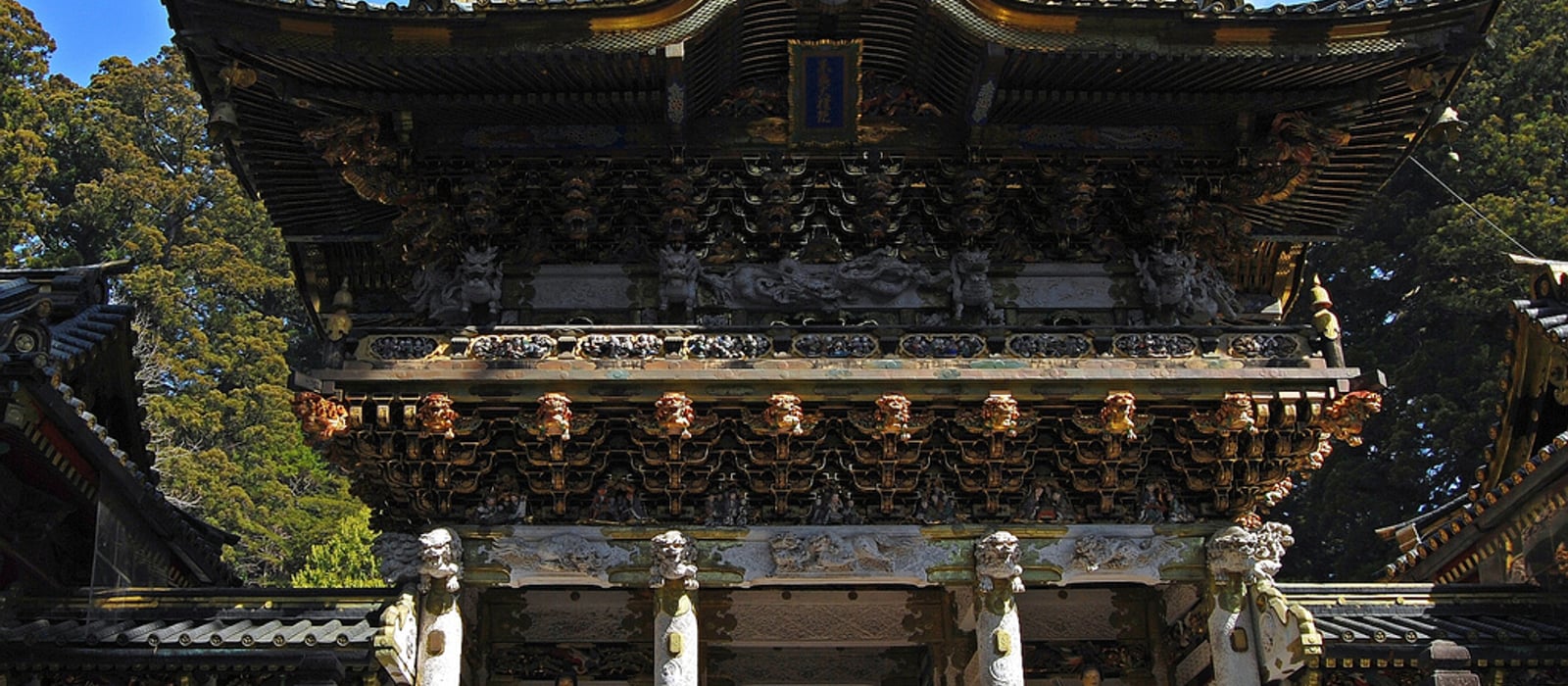
A prefecture where the shrines and temples of Nikko and the grand nature of the Nasu Highlands coexist with handcraft and food traditions passed down for generations. Diverse traditional crafts have flourished here, from Mashiko-yaki, which the potter Hamada Shoji made a center of the Mingei (Folk Craft) Movement, to the UNESCO Intangible Cultural Heritage of Yuki-tsumugi silk, and Nikko-bori, which carries on the techniques of the carvers of Nikko Toshogu Shrine. Its food culture is equally rich in local color, from Utsunomiya Gyoza, brought back by soldiers returning from Manchuria, to Sano Ramen with its distinctive hand-pulled noodles made with bamboo poles, and Shimotsukare, offered to Inari shrines on Hatsu-uma day. Blessed with the granary of the Kanto Plain and clear mountain streams, the prefecture is also known for agricultural products such as wheat, kanpyo (dried gourd strips), and strawberries, and continues to invest in building the Tochigi Wagyu beef brand.
- ✓Mashiko-yaki
- ✓Yuki-tsumugi
- ✓Nikko-bori
- ✓Temmyo Imono
- ✓Utsunomiya Gyoza
- ✓Sano Ramen
- ✓Shimotsukare
- ✓Nikko Yuba
Toyama Prefecture
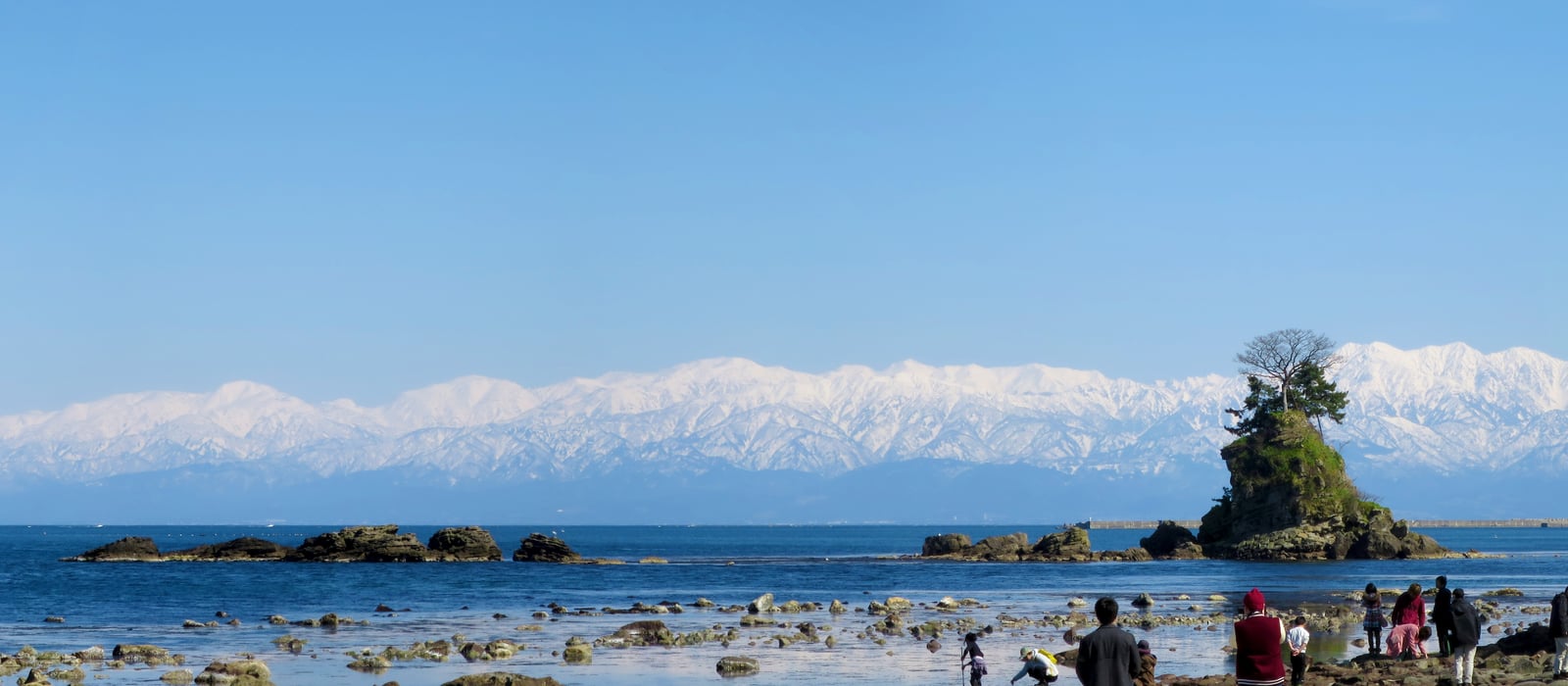
Toyama Prefecture has been shaped by dramatic natural surroundings spanning a 4,000-meter difference in elevation, from the Tateyama mountain range of the Northern Alps down to Toyama Bay. Metalworking and woodworking traditions such as Takaoka Copperware, Takaoka Lacquerware, and Inami Wood Carving, which developed under the protection of the Kaga domain, are still very much alive today, along with the craftsmanship of temple and shrine architecture epitomized by the ranma (transom) carvings of Zuisenji Temple. Toyama Bay is known as 'a natural fish tank,' and the prefecture is rich in local dishes that make use of its seasonal seafood: firefly squid in spring, shiroebi (Toyama's white shrimp) from early summer through autumn, and winter yellowtail. Masu no Sushi, a pressed sushi, is a nationally famous flagship souvenir of Toyama.
- ✓Takaoka Copperware
- ✓Takaoka Lacquerware
- ✓Inami Wood Carving
- ✓Ecchu Washi
- ✓Masu no Sushi
- ✓Hotaruika Sumiso-ae
- ✓Shiroebi Kakiage
- ✓Toyama Black Ramen
Tokyo
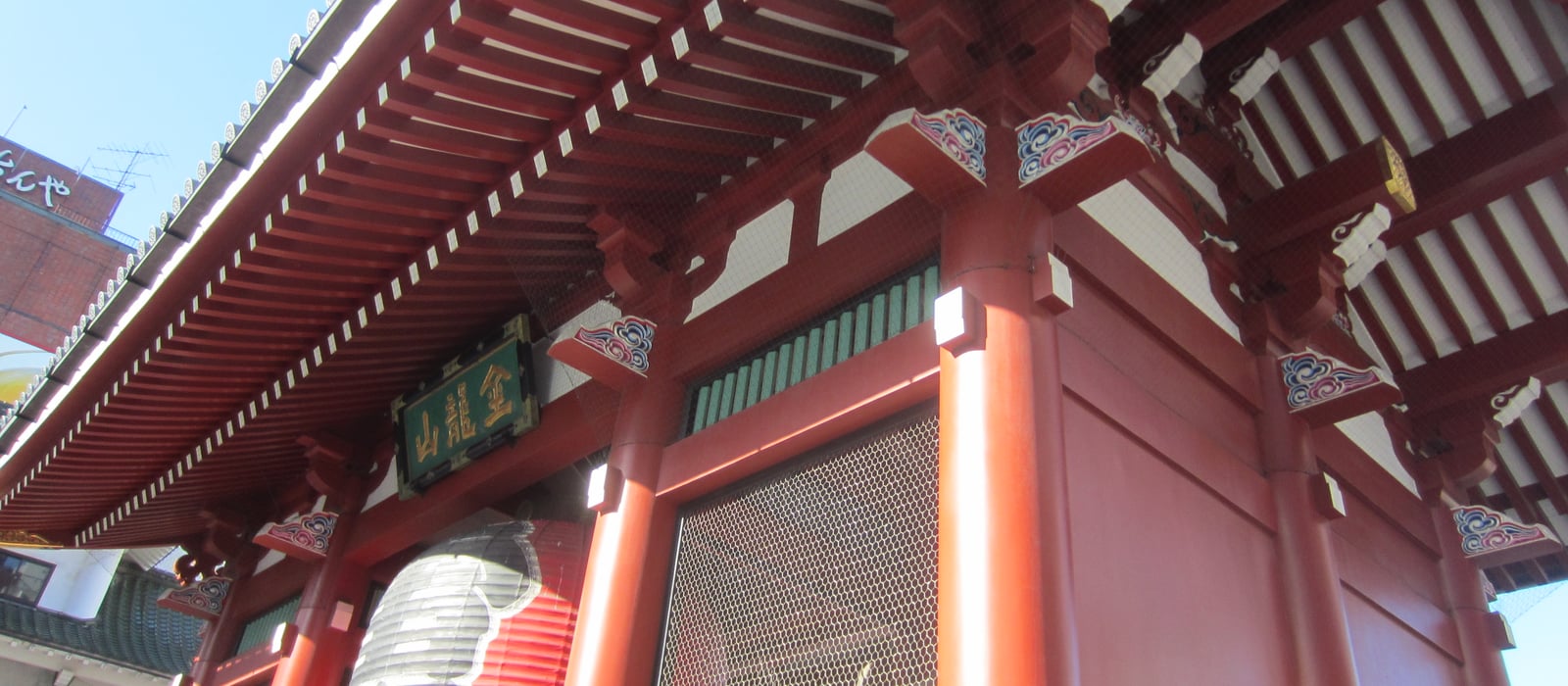
As the political and commercial center since the Edo period, Tokyo is a region where the craft and food cultures nurtured by both samurai and merchant culture are still alive today. Textile and glass crafts such as Edo Kiriko, Tokyo Some Komon, and Honba Kihachijo carry on skills honed in Edo by artisans gathered from across Japan under the sankin-kotai system. Its food culture is equally rich, from Edomae Zushi, born from street-stall cooking, to Monjayaki, a creation of the downtown candy-shop culture, with local dishes closely tied to the lives of ordinary townspeople. Shitamachi (downtown) areas such as Tsukishima, Ryogoku, Asakusa, and Nihonbashi are still dotted with specialty shops and artisans' workshops today.
- ✓Edo Kiriko
- ✓Tokyo Some Komon
- ✓Honba Kihachijo
- ✓Tokyo Ginki
- ✓Edomae Zushi
- ✓Monjayaki
- ✓Dojo Nabe
- ✓Fukagawa Meshi
Fukuoka
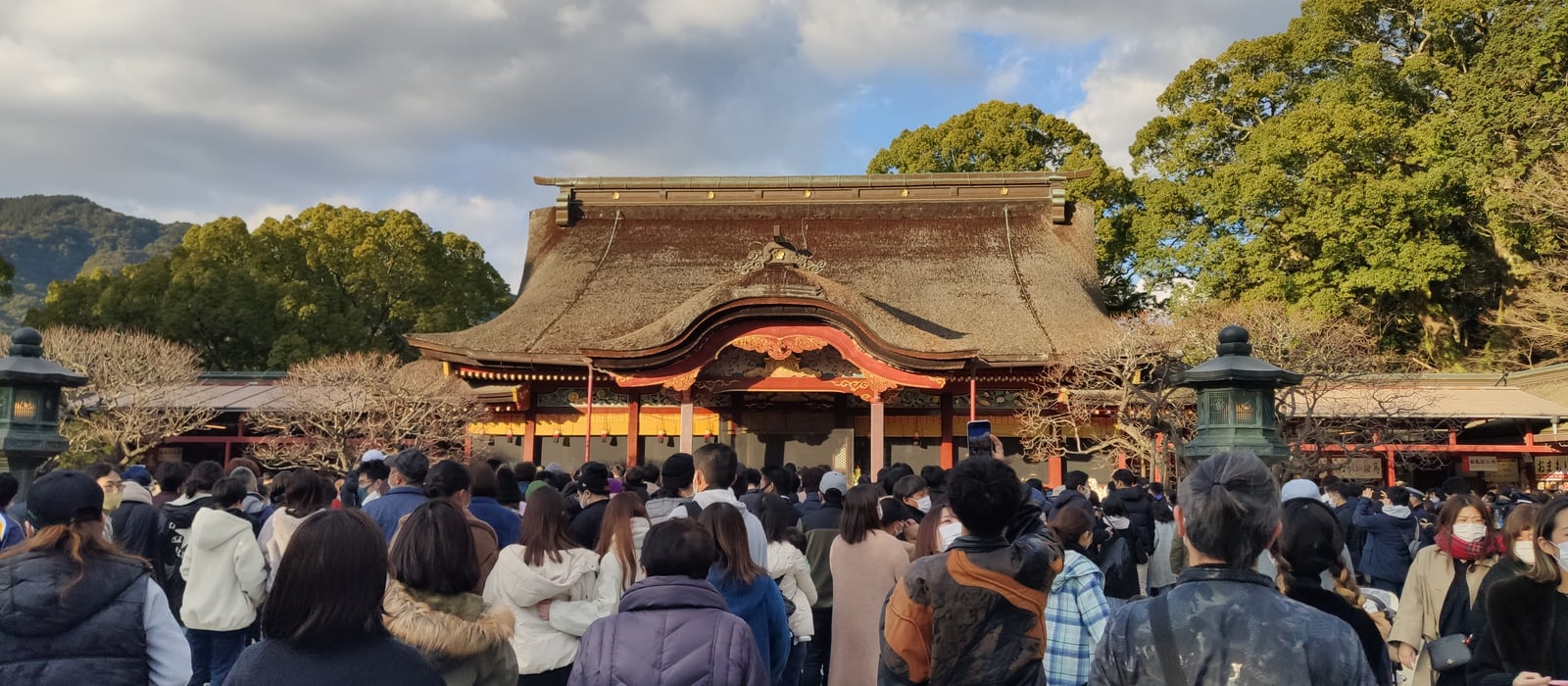
As the gateway to Kyushu, Fukuoka Prefecture still carries a strong imprint of its long history of exchange with the Asian continent. Traditional crafts such as Hakata Ori and Hakata Ningyo grew alongside the prosperity of Hakata as a trading port, while distinctive production areas flourish across the prefecture, including Agano-yaki, Koishiwara-yaki, and Kurume Kasuri. Its food culture runs equally deep, from Hakata favorites such as tonkotsu ramen, Motsunabe, and Mizutaki to souvenir treats like Karashi Mentaiko and Umegae-mochi, all shaped by a distinctive food-stall (yatai) culture. What makes Fukuoka distinctive is the way both its crafts and its cuisine have flexibly absorbed continental influences while developing a character all their own.
- ✓Hakata Ori
- ✓Hakata Ningyo
- ✓Kurume Kasuri
- ✓Hakata Ramen
- ✓Motsunabe
- ✓Karashi Mentaiko
Akita Prefecture
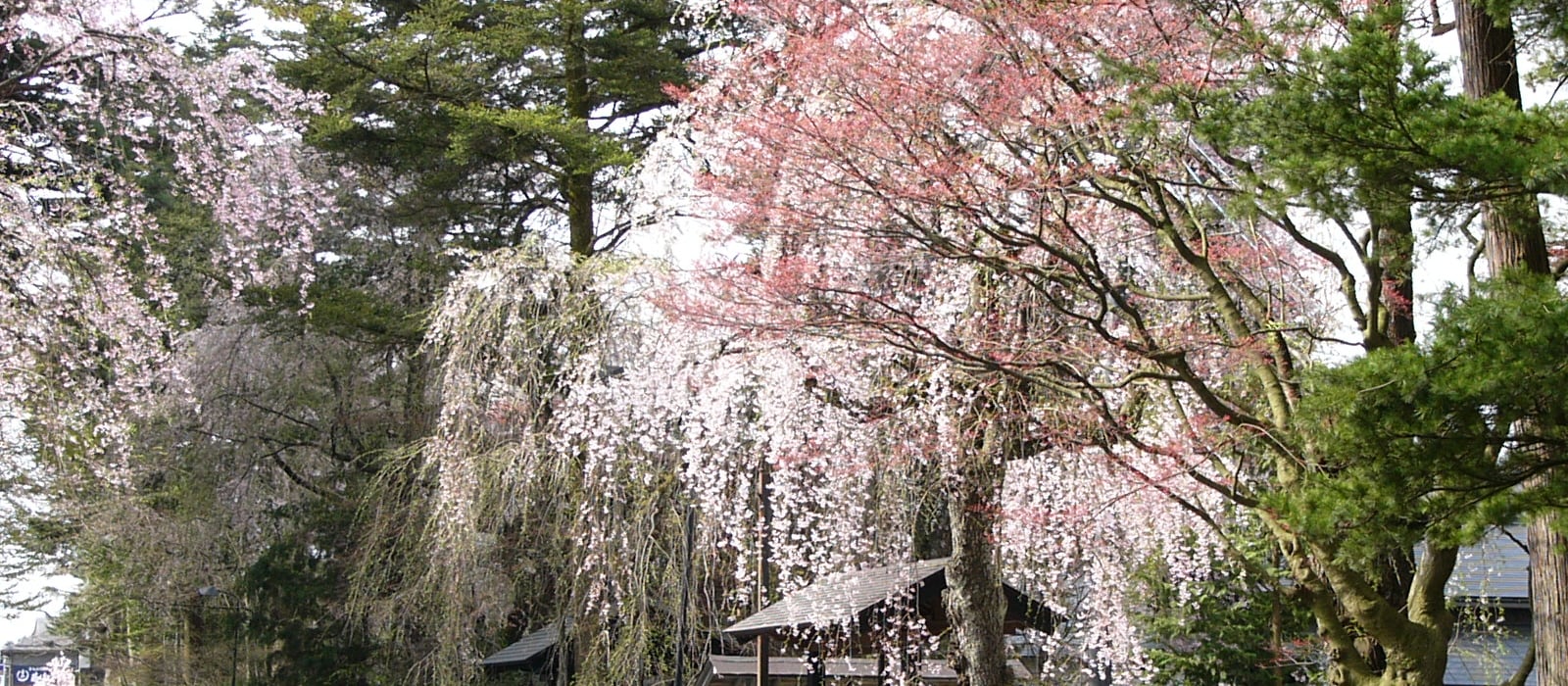
Nurtured by the rich forests of Akita cedar and some of Japan's finest rice-growing land, Akita is a prefecture where woodworking, lacquerware, and metalwork traditions run deep alongside a food culture built on rice and koji. Alongside nationally designated Traditional Crafts such as Odate Magewappa, Kawatsura Shikki, and Kabazaiku, the prefecture is also home to revived ceramic traditions like Shiraiwa-yaki and Naraoka-yaki, centered on the historic town of Kakunodate. Its cuisine reflects the wisdom of a snow country, from Kiritanpo Nabe simmered in Hinai-jidori broth to Inaniwa Udon, one of Japan's three great udon noodles, and Iburigakko, smoked and pickled daikon. With scenic attractions such as the samurai district of Kakunodate, Lake Hachiro, and Lake Tazawa changing with the seasons, Akita draws visitors from across Japan and beyond each summer for the Akita Kanto Festival and the Omagari Fireworks.
- ✓Odate Magewappa
- ✓Kawatsura Shikki
- ✓Kabazaiku
- ✓Kiritanpo Nabe
- ✓Inaniwa Udon
- ✓Iburigakko
Ibaraki Prefecture
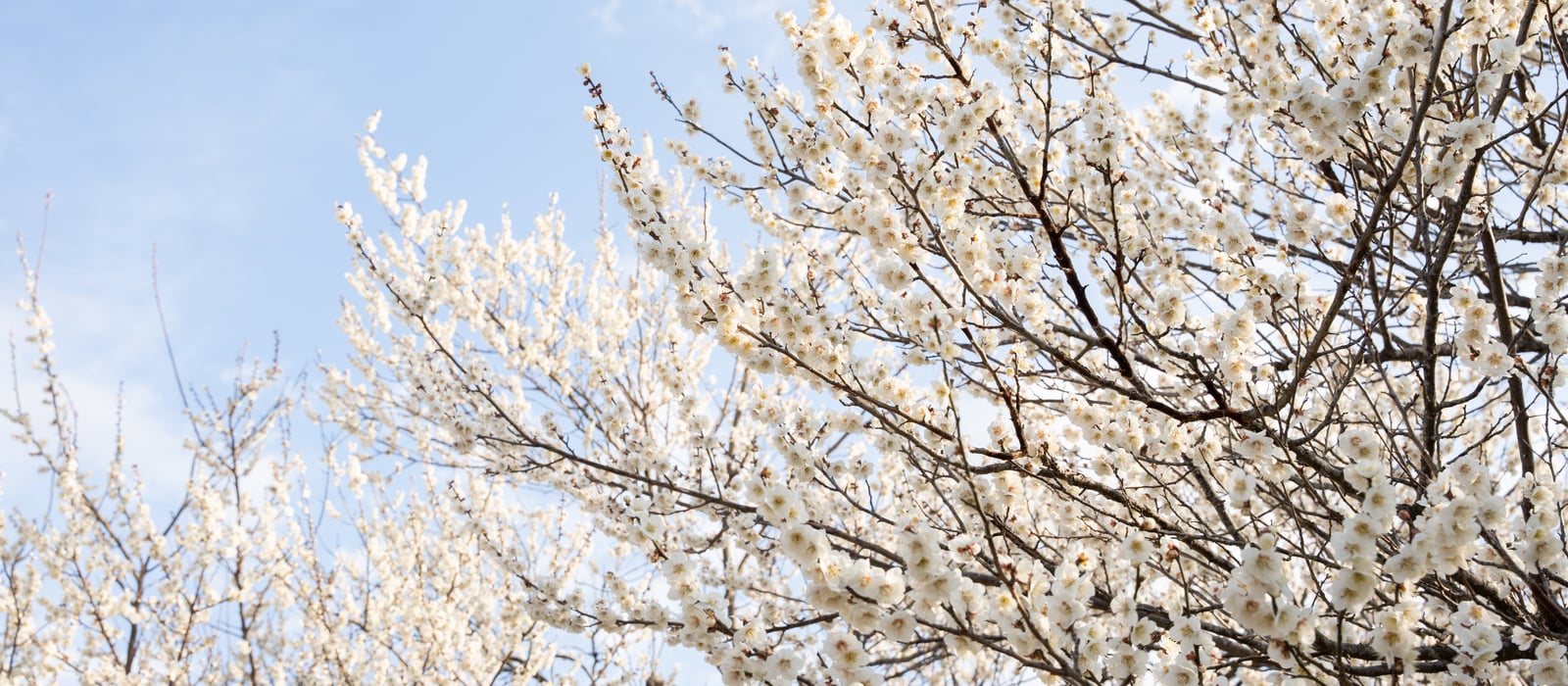
Located in the northeast of the Kanto Plain, Ibaraki Prefecture is home to Mito, the castle town of the Mito Domain, one of the three branches of the Tokugawa family, where the plum blossoms of Kairakuen, one of Japan's three great gardens, still bloom each spring. Its food culture has been shaped by the sail-net fishing boats of Lake Kasumigaura, while a wealth of traditional crafts, from Kasama Ware to Yuki-tsumugi silk, is passed down alongside local dishes such as Anko Nabe and Hitachi Gyu beef that draw on the bounty of both sea and land. As one of Japan's leading agricultural and fishing prefectures, Ibaraki is the country's top producer of natto, dried sweet potatoes, and lotus root, while handcrafts such as Makabe stone lanterns and Suifu paper lanterns continue to be made by hand to this day.
- ✓Yuki-tsumugi
- ✓Kasama Ware
- ✓Mito Natto
- ✓Anko Nabe
- ✓Hoshi Imo
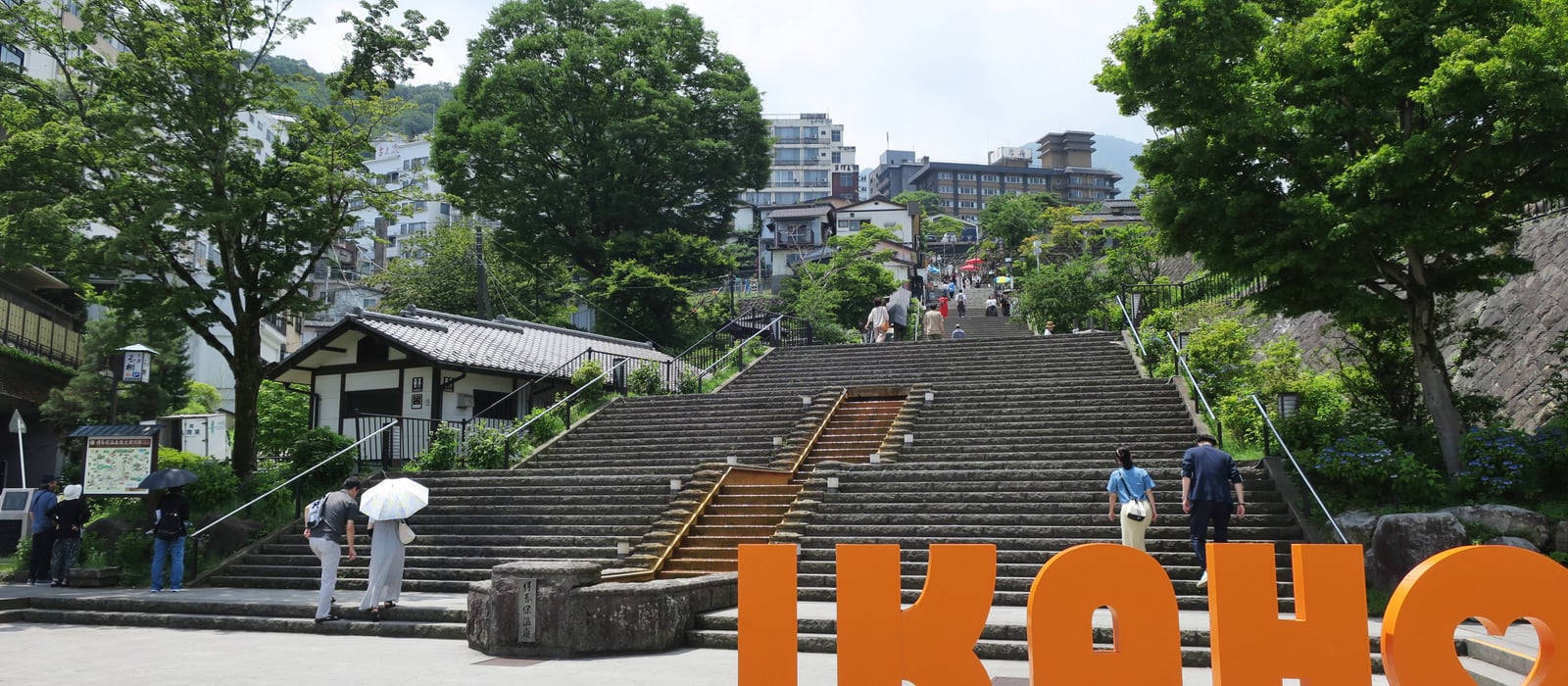
Gunma Prefecture
An inland prefecture blessed with the Jomo Sanzan — Mt. Akagi, Mt. Haruna, and Mt. Myogi — and abundant hot springs including Ikaho and Kusatsu. Home to the silk-weaving traditions of Kiryu-ori and Isezaki-gasuri dating back to the Nara period, Gunma's textile culture is still alive today in a region once called "Nishijin of the West, Kiryu of the East." Its crafts are closely tied to daily life, from Takasaki Daruma dolls — which account for roughly 80% of national production — to Ikaho-yaki pottery, which makes use of mineral deposits from the hot springs of Ikaho Onsen. In food culture, wheat-based dishes are deeply rooted, from Okkirikomi, wide noodles simmered with vegetables, to Yaki Manju, sweet-and-savory miso-glazed grilled buns. Gunma is also known as the land of "100% self-sufficient sukiyaki," where all the key ingredients — beef, negi, konjac, and shiitake mushrooms — are produced within the prefecture. From touring the udon-shop street of Mizusawa Udon, one of Japan's three great udon, to local dishes that make the most of the prefecture's top-ranked konjac production, Gunma offers a journey uniquely woven from mountains, hot springs, and wheat-flour food culture.
- ✓Kiryu-ori
- ✓Isezaki-gasuri
- ✓Takasaki Daruma
- ✓Ikaho-yaki
- ✓Okkirikomi
- ✓Mizusawa Udon
- ✓Yaki Manju
- ✓100% Self-Sufficient Sukiyaki
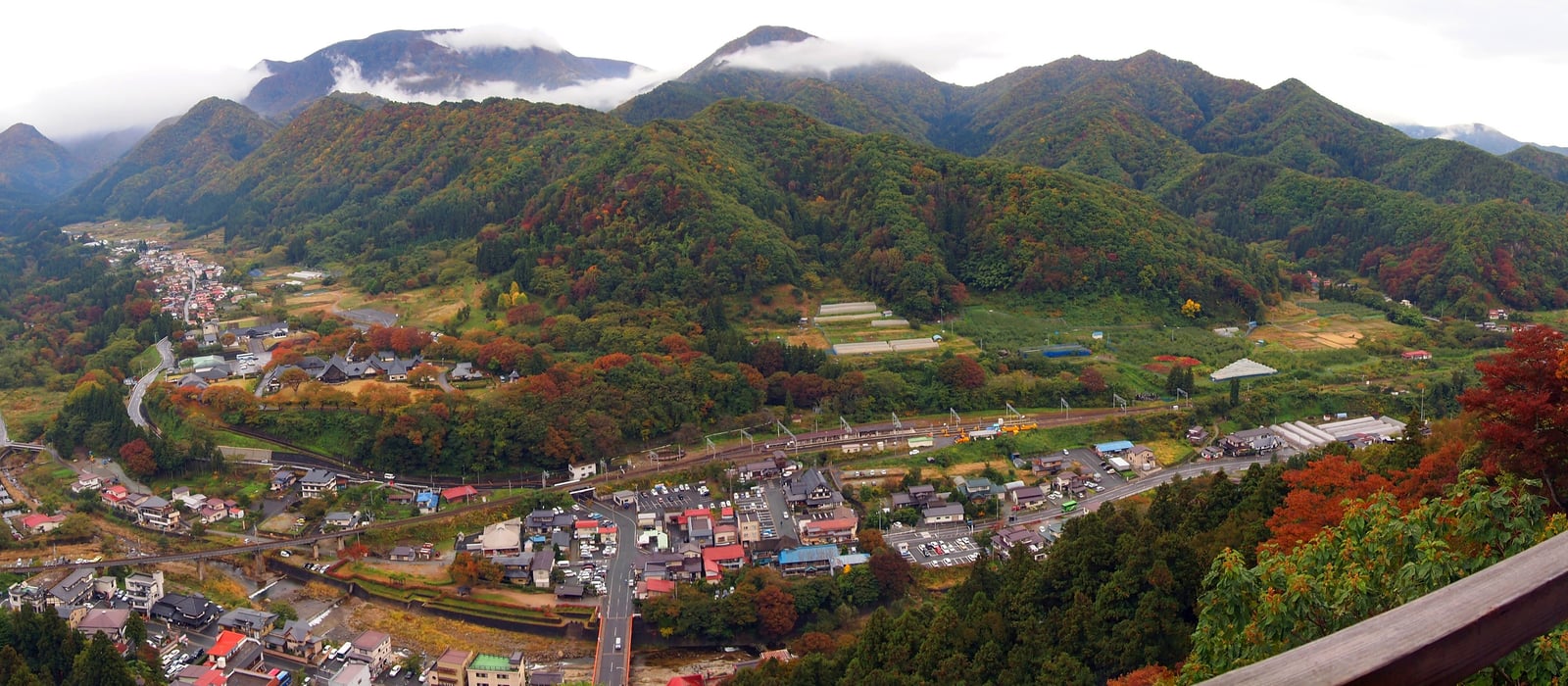
Yamagata Prefecture
Cradled by the Three Mountains of Dewa, the Zao mountain range, and the Mogami River, Yamagata Prefecture is home to a rich variety of craftsmanship and food culture shaped by the distinct climates of its four regions: Murayama, Mogami, Oitama, and Shonai. The prefecture boasts five Traditional Crafts Designated by the Minister of Economy, Trade and Industry, including Tendo Shogi Goma, which accounts for about 95% of Japan's shogi piece production nationwide, Oitama Tsumugi, which traces its roots to Uesugi Yozan's industrial promotion policies, and Yamagata Imono, cast metalwork with roughly 900 years of history. Sakata, a former Kitamae-bune trading ship port, is also home to distinctive crafts such as Funadansu sea chests and Shonai Sashiko embroidery. In food, Yamagata carries on regionally distinctive local dishes such as Imoni, beloved as the star of the autumn 'Imoni-kai' gatherings, Yonezawa Beef, one of Japan's Three Great Wagyu Brands, and Tama Konnyaku served on skewers. In summer, the Yamagata Hanagasa Festival draws visitors from within and beyond the prefecture.
- ✓Tendo Shogi Goma
- ✓Oitama Tsumugi
- ✓Yamagata Imono
- ✓Imoni
- ✓Yonezawa Beef
- ✓Tama Konnyaku
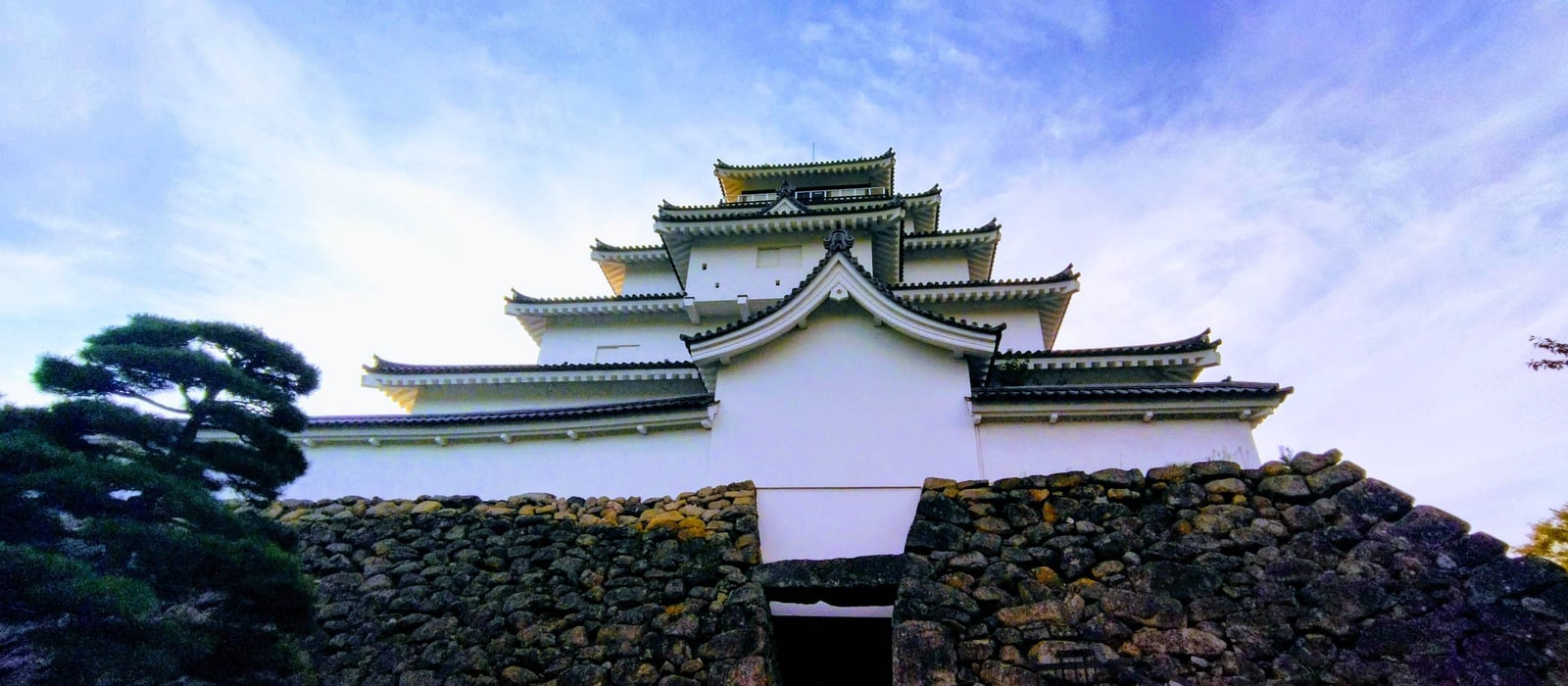
Fukushima Prefecture
Overlooking Lake Inawashiro and Mt. Bandai, Fukushima Prefecture is made up of three regions — Aizu, Nakadori, and Hamadori — where handcrafts passed down since the Edo period and local cuisine rooted in the bounty of mountain and sea remain very much alive today. A wide range of traditional handcrafts, including Nationally Designated Traditional Crafts, are carried on here: Aizu-nuri lacquerware and Aizu-Hongo-yaki pottery, which developed around Tsuruga Castle in Aizuwakamatsu; folk toys known throughout Japan such as Akabeko and Miharu-koma; and Obori-Soma-yaki, which continues its revival after the Great East Japan Earthquake. In food, each of the three regions carries its own distinctive flavors — Kozuyu, a festive soup served in Aizu; Kitakata Ramen, counted among Japan's Three Great Ramen; and Enban-gyoza (disc-shaped pan-fried gyoza), which originated in Koriyama.
- ✓Aizu-nuri
- ✓Obori-Soma-yaki
- ✓Aizu-Hongo-yaki
- ✓Akabeko
- ✓Kozuyu
- ✓Kitakata Ramen
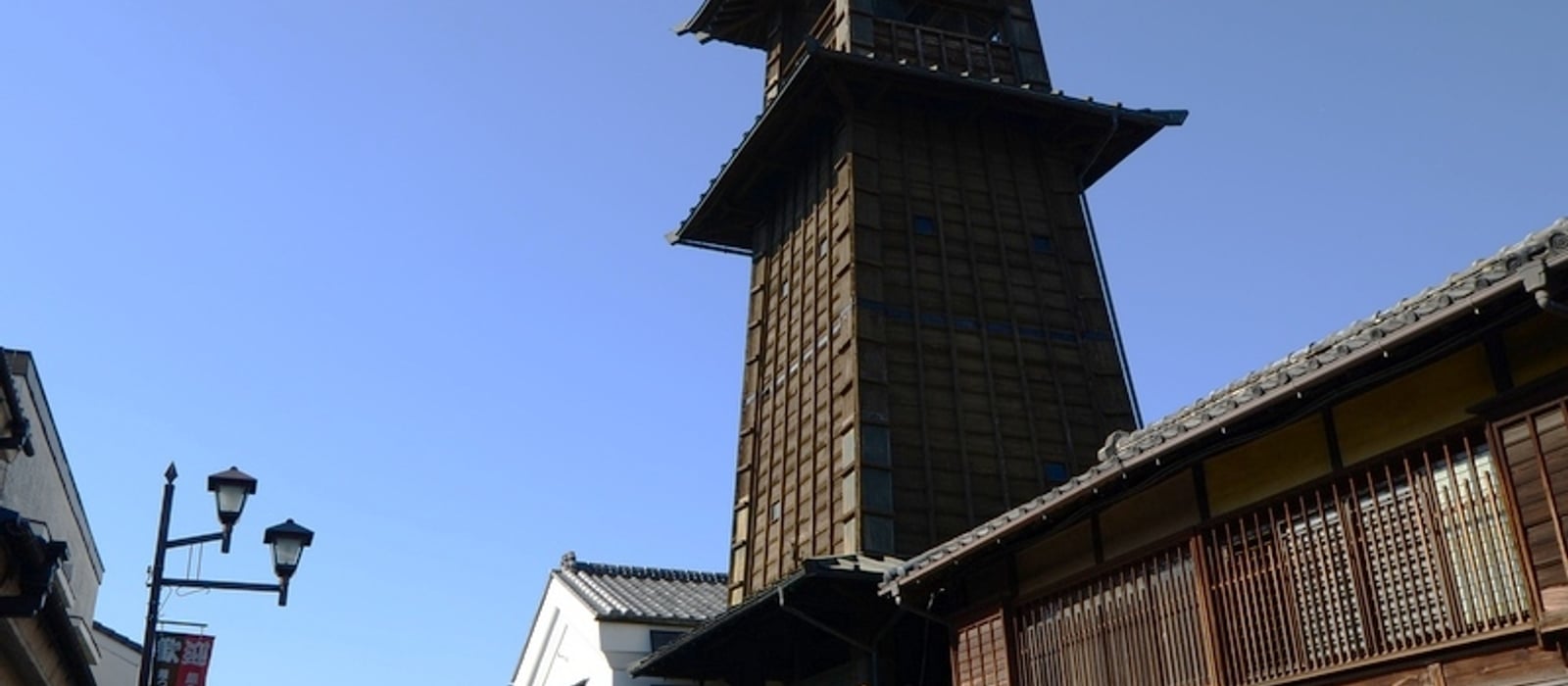
Saitama Prefecture
Bordering Tokyo, Saitama is a prefecture where the craftsmanship and food culture that once supported daily life in Edo and Tokyo still thrive today. It retains a rich variety of traditional crafts that grew into full-fledged industries, from the doll-making of Iwatsuki - settled by artisans who gathered for the construction of Nikko Toshogu Shrine - to the cast ironware of Kawaguchi, blessed with fine sand along the Arakawa and Shibakawa rivers, and the silk textile 'Chichibu Meisen' of the Chichibu region. Its food culture is likewise rooted in everyday life, from the sweet-potato confectionery culture of Koedo Kawagoe to Gyoda's tabi socks and its local specialty 'Zeri Furai,' as well as Miso Potato and Shakushina-zuke pickles handed down in the mountain villages of Chichibu. From the plateaus of Musashino to the mountains of Chichibu, each area has nurtured its own distinct industries and food culture.
- ✓Iwatsuki Ningyo
- ✓Chichibu Meisen
- ✓Kawaguchi Imono
- ✓Gyoda Tabi
- ✓Soka Senbei
- ✓Zeri Furai
- ✓Miso Potato
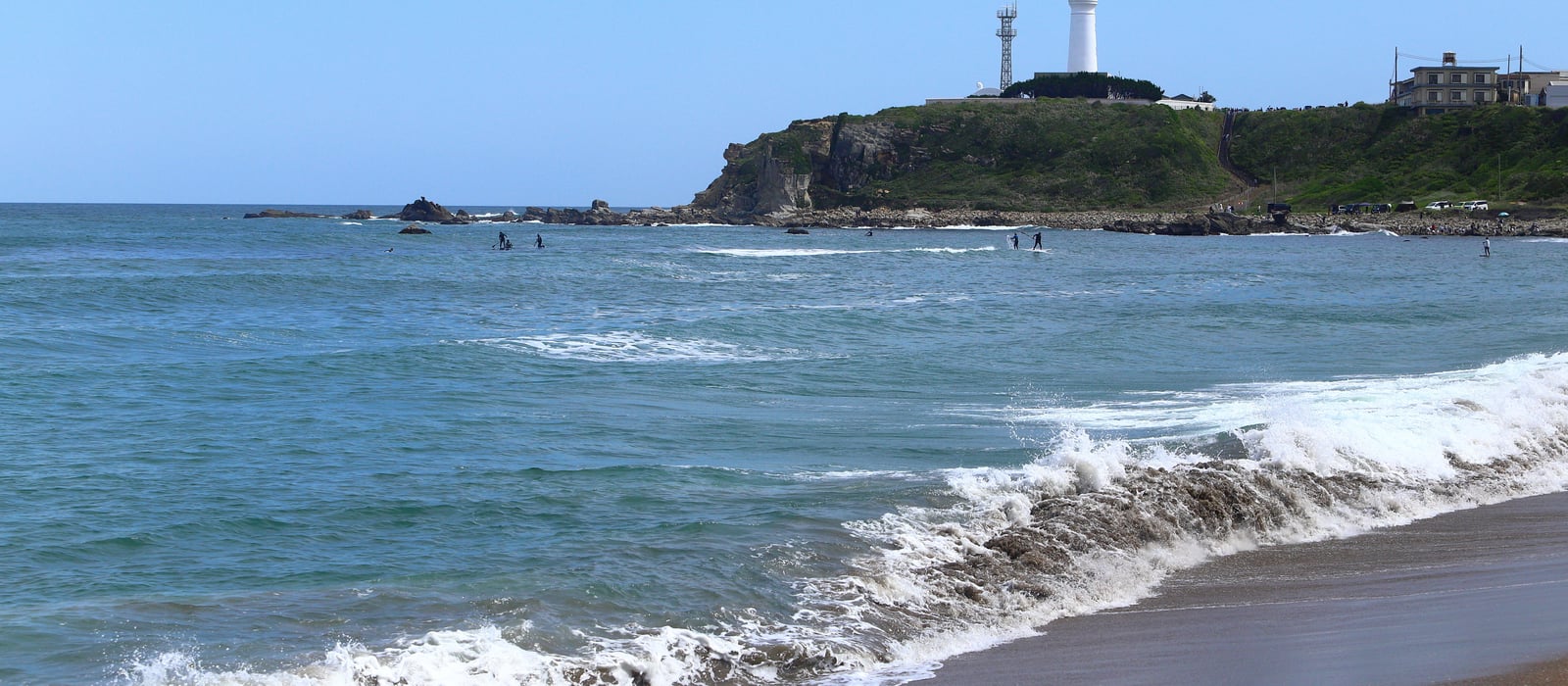
Chiba Prefecture
Home to the Boso Peninsula, surrounded by the sea on three sides, Chiba Prefecture still carries on traditional crafts born of wisdom shaped by life alongside the sea, from 'Boshu Uchiwa,' one of Japan's three great fans, to 'Chiba Koshogu,' which keeps alive the skill of its blacksmiths. In the fishing towns of Choshi and Kujukuri, local dishes such as 'Namerou' - made from minced horse mackerel - and 'Futomaki Matsurizushi,' whose cross-sections reveal colorful patterns, developed thanks to the region's rich fishing grounds. The temple town of Naritasan Shinshoji and the mikoshi-making tradition of Gyotoku facing Tokyo Bay reflect a strong craftsman culture shaped by the area's proximity to Edo.
- ✓Boshu Uchiwa
- ✓Chiba Koshogu
- ✓Namerou
- ✓Futomaki Matsurizushi
- ✓Katsuura Tantanmen
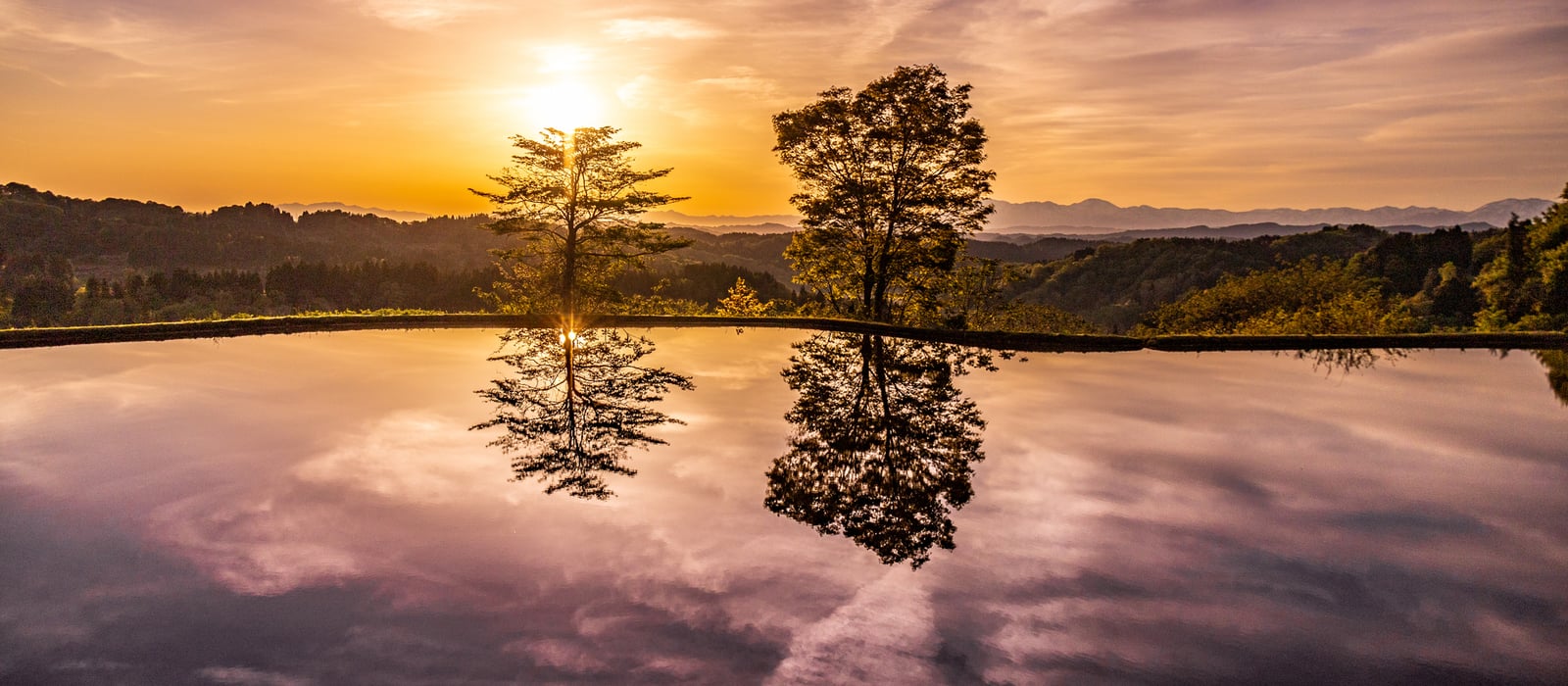
Niigata Prefecture
Facing the Sea of Japan and crossed by the Shinano River, Niigata Prefecture is home to crafts shaped by life in deep snow and a food culture rooted in its standing as a rice-growing region. It has 17 items designated as Traditional Crafts by the Minister of Economy, Trade and Industry. Textiles such as Ojiya Chijimi, whose bolts are finished by spreading them out on the snow, as well as Shiozawa Tsumugi and Tokamachi Gasuri, have been handed down alongside lacquer arts such as Murakami Kibori Tsuishu and Niigata Shikki. In Tsubame-Sanjo, metalworking skills such as Tsubame Tsuiki Doki copperware and Echigo Sanjo Uchihamono forged blades remain active, and in Kamo, paulownia chest making still thrives. Mumyoi-yaki from Sado is a hard ware made by firing the red clay of the gold mine. For food, the region is known for Hegi Soba from Uonuma and Ojiya, made with funori seaweed as a binder; Shiobiki-zake salt-cured salmon from Murakami; and Noppe, a simmered dish that makes use of the thickness of taro. Distinctive flavors such as Niigata City's Tarekatsu-don and Italian, as well as Sasa Dango, can also be enjoyed.
- ✓Ojiya Chijimi
- ✓Tsubame Tsuiki Doki
- ✓Echigo Sanjo Uchihamono
- ✓Murakami Kibori Tsuishu
- ✓Hegi Soba
- ✓Shiobiki-zake
- ✓Sasa Dango
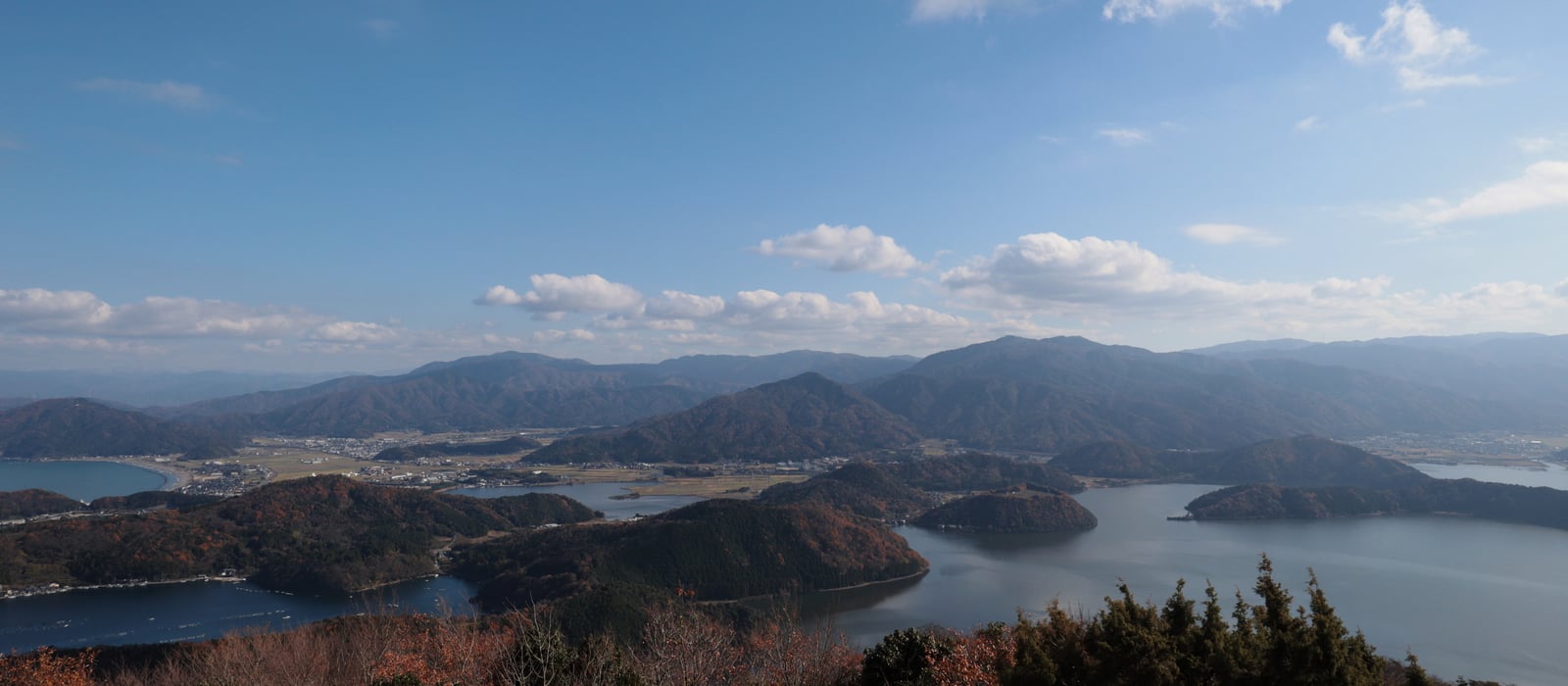
Fukui Prefecture
Facing the Sea of Japan, Fukui Prefecture has nurtured distinct crafts and food cultures in Reihoku to the north and Wakasa to the south. The prefecture has seven Traditional Crafts Designated by the Minister of Economy, Trade and Industry. Echizen City, Sabae City and Echizen Town are home to the production areas of Echizen Shikki (lacquerware), Echizen Washi (paper), Echizen Uchihamono (forged blades), Echizen Tansu (chests) and Echizen-yaki, one of Japan's Six Ancient Kilns. Sabae City is a major production center for Japanese-made eyeglass frames. In Obama City in Wakasa, Wakasa-nuri, lacquerware in which eggshells and seashells are lacquered over and then polished to reveal their patterns, and Wakasa Meno Zaiku (agate craft) are carried on. For food, the region is known for Echizen Crab, a winter delicacy; Echizen Oroshi Soba, eaten with grated daikon; and the sauce katsudon of Yoroppaken. You can also enjoy flavors rooted in local life, such as hamayaki saba and heshiko from Obama, the starting point of the Saba Kaido (Mackerel Road), and mizu yokan eaten under the kotatsu in winter.
- ✓Echizen Washi
- ✓Echizen Shikki
- ✓Echizen Uchihamono
- ✓Echizen-yaki
- ✓Wakasa-nuri
- ✓Echizen Crab
- ✓Echizen Oroshi Soba
- ✓Sauce Katsudon
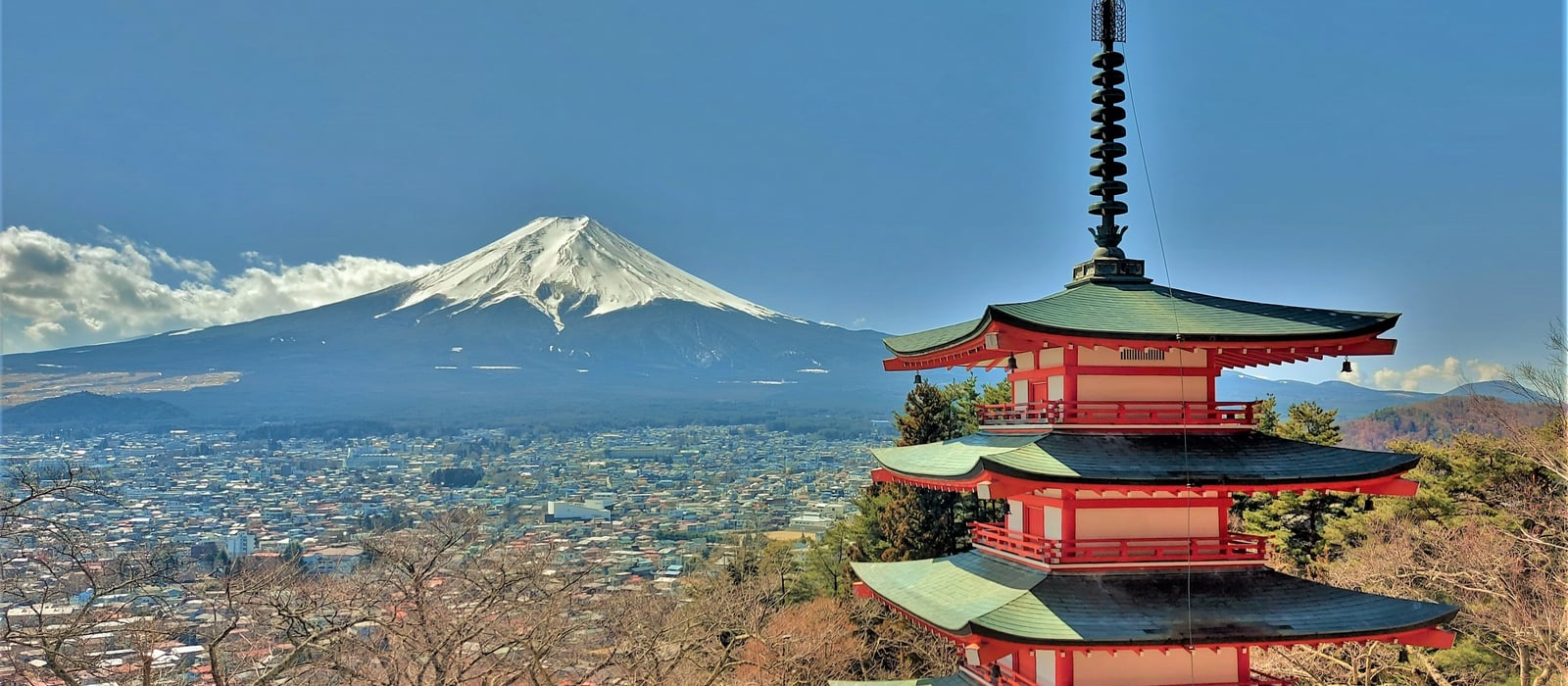
Yamanashi Prefecture
Surrounded by Mt. Fuji and the Southern Alps, Yamanashi Prefecture has nurtured different crafts and food cultures in the Kuninaka region, centered on the Kofu Basin, and the Gunnai region at the northern foot of Mt. Fuji. The prefecture has three Traditional Crafts Designated by the Minister of Economy, Trade and Industry: Koshu Crystal and Gemstone Carving, Koshu Inden (Lacquered Deerskin) and Koshu Hand-Carved Seals. In Kofu, inden, in which patterns are applied to deerskin with urushi lacquer, and crystal polishing have been handed down, and the latter led to the jewelry industry. Rokugo in Ichikawamisato Town is known as the home of hanko seals, and along the Fuji River are the production areas of Nishijima Washi and Amehata inkstones. Fujiyoshida City and Nishikatsura Town in the Gunnai region produce yarn-dyed textiles descended from Kaiki silk. In food, Yamanashi is known for hoto, flat noodles simmered in a miso-based broth, and the firm, chewy Yoshida Udon. Visitors can also enjoy local specialties such as Kofu Torimotsu-ni, Awabi no Nigai (soy-simmered abalone), Shingen Mochi and the Korogaki dried persimmons of Koshu City.
- ✓Koshu Inden
- ✓Koshu Hand-Carved Seals
- ✓Koshu Crystal and Gemstone Carving
- ✓Gunnai Textiles (Kaiki Silk)
- ✓Nishijima Washi
- ✓Hoto
- ✓Yoshida Udon
- ✓Shingen Mochi
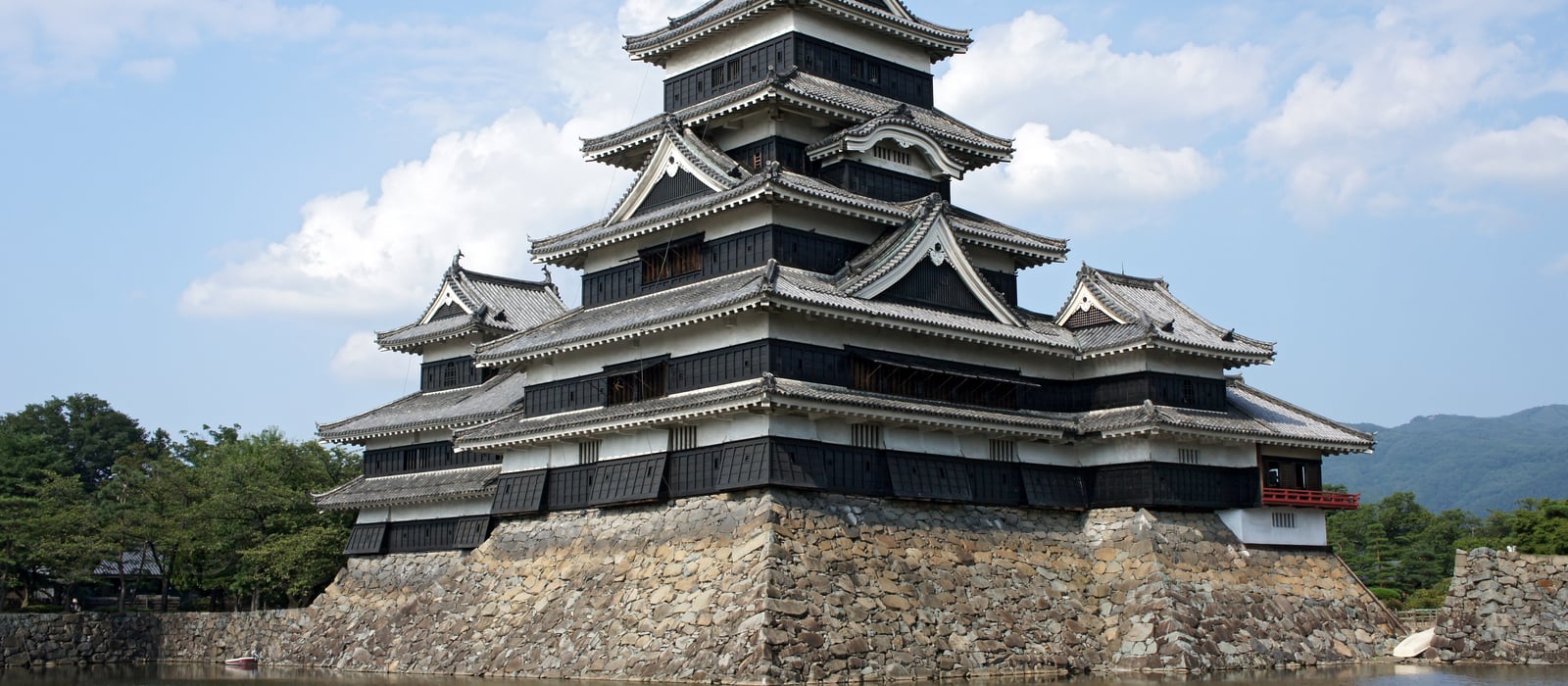
Nagano Prefecture
Surrounded by the Japanese Alps, Nagano Prefecture has nurtured crafts and food cultures that make use of the bounty of the mountains in each of its regions: Hokushin, Toshin, Chushin and Nanshin. The prefecture has seven Traditional Crafts Designated by the Minister of Economy, Trade and Industry. In the Kiso Valley, Kiso Lacquerware from Kiso-Hirasawa in Shiojiri City and Nagiso Wood Turning, shaped by the kijishi (woodturners) of Nagiso Town, have been handed down. Matsumoto Furniture from the castle town of Matsumoto, Shinshu Tsumugi woven in Ueda and elsewhere, and Shinshu Forged Blades from Shinano Town are also nationally designated. In snowy Iiyama City in the Hokushin region, Uchiyama Paper and Iiyama Buddhist Altars are made. Iida City is a major production area for mizuhiki. In food, Nagano is known for Shinshu Soba, made from buckwheat grown in the cool highlands. Oyaki from the Hokushin region, Nozawana-zuke, said to have originated in Nozawa Onsen Village, and Kiso's Sunki-zuke, made without salt, are also tastes of Nagano. Visitors can also enjoy local specialties such as Sanzoku-yaki from Matsumoto and Shiojiri, Romen from Ina, Saku Carp and Obuse Chestnut Confections.
- ✓Kiso Lacquerware
- ✓Matsumoto Furniture
- ✓Shinshu Tsumugi
- ✓Uchiyama Paper
- ✓Iida Mizuhiki
- ✓Shinshu Soba
- ✓Oyaki
- ✓Nozawana-zuke
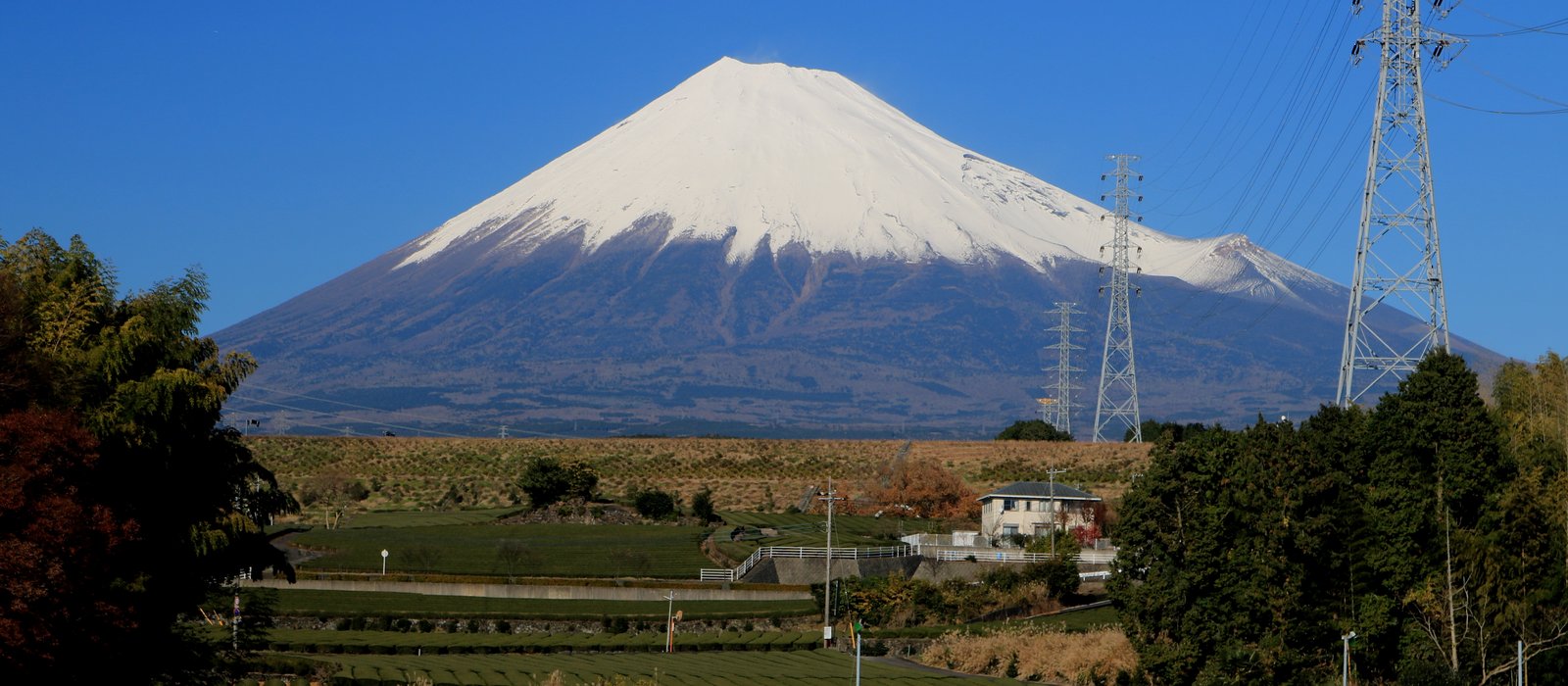
Shizuoka Prefecture
Embraced by Mount Fuji and Suruga Bay, Shizuoka Prefecture has nurtured cultures of handcraft and food along the Tokaido, which stretches long from east to west. In Sunpu (present-day Shizuoka City), where Tokugawa Ieyasu lived out the final years of life, craftspeople gathered from all over Japan for the construction of Kunozan Toshogu Shrine and Shizuoka Sengen Shrine. Suruga Bamboo Sensuji Ware and Suruga Hina Doll Furnishings and Hina Dolls, which carry on those skills, are Traditional Crafts Designated by the Minister of Economy, Trade and Industry. Suruga Lacquerware, Suruga Lacquered Geta and Shizuhata-yaki are also made in Shizuoka City. In the western part of the prefecture, known as Enshu, dyeing and weaving such as Hamamatsu Chusen Dyeing, Enshu Cotton Tsumugi and Kakegawa Kuzufu flourish. Shitoro-yaki from Kanaya in Shimada City and Shuzenji Washi from Izu City also have long histories. For food, the prefecture is known for Shizuoka Oden in its dark broth, kuro hanpen, and kakiage made with sakura shrimp from Suruga Bay. Hamamatsu Gyoza, Lake Hamana Eel and Fujinomiya Yakisoba are local specialties of their respective areas. Flavors long loved as souvenirs of the highway, such as Abekawa Mochi, Oiwake Yokan and wasabi-zuke, also live on.
- ✓Suruga Bamboo Sensuji Ware
- ✓Suruga Hina Doll Furnishings and Hina Dolls
- ✓Shitoro-yaki
- ✓Kakegawa Kuzufu
- ✓Shizuoka Oden
- ✓Hamamatsu Gyoza
- ✓Fujinomiya Yakisoba
- ✓Sakura Shrimp Kakiage
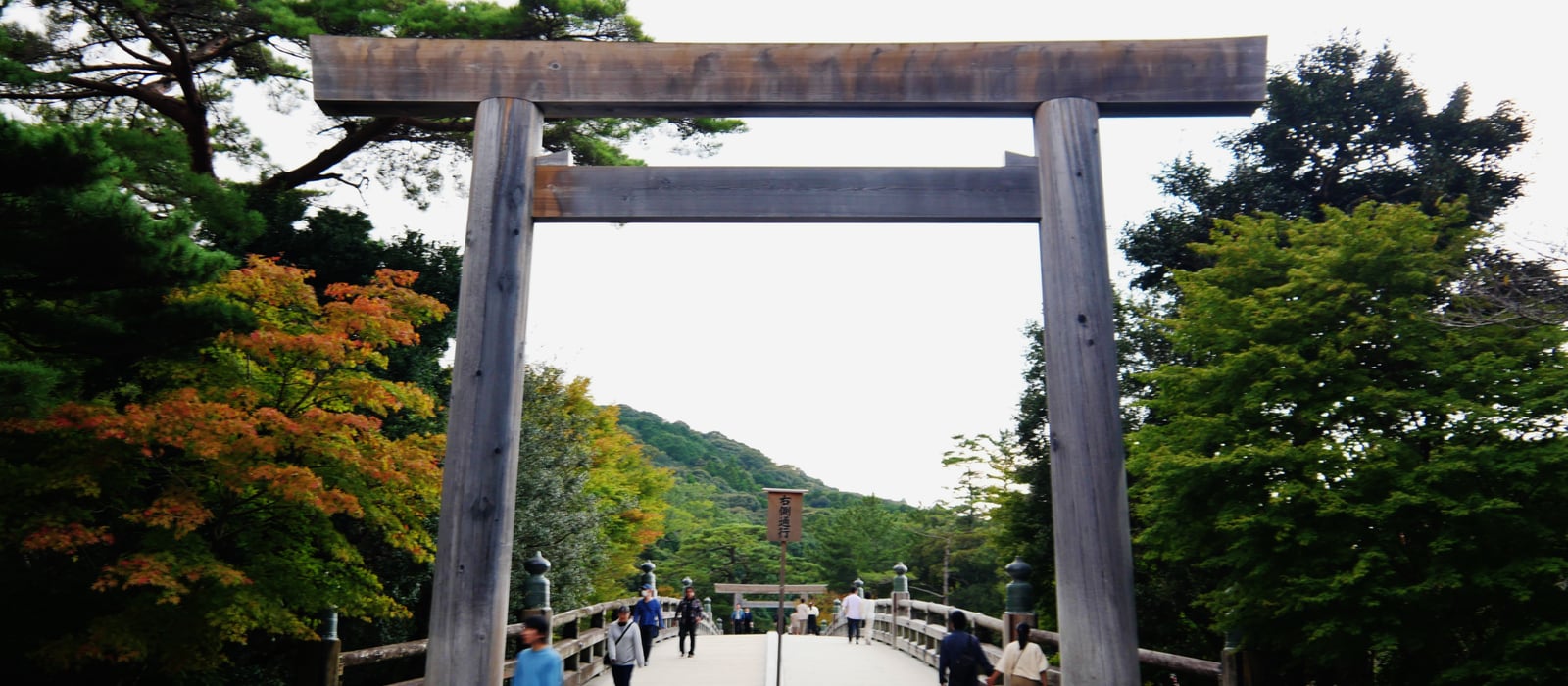
Mie Prefecture
Mie Prefecture, home to Ise Grand Shrine, is a prefecture where cultures of handcraft and food have been nurtured amid the comings and goings of people along the Tokaido and the Ise Kaido. Its Traditional Crafts Designated by the Minister of Economy, Trade and Industry are five items: Iga-yaki, Yokkaichi Banko-yaki, Iga Kumihimo, Suzuka Sumi and Ise Katagami. Ise Shunkei and Ise Ittobori spread in the Edo period as souvenirs of the Ise pilgrimage. The understated stripes of Matsusaka Momen were carried to Edo by Matsusaka merchants and admired as 'iki' (chic). Owase Wappa and Kuwana Imono are also designated as traditional crafts of the prefecture. In food, Ise Udon and Akafuku Mochi, which have long been served to welcome pilgrims, and Tekone-zushi, a fishermen's dish from Shima, are well known. Sukiyaki of Matsusaka Beef, the grilled clams of Kuwana, Yokkaichi Tonteki and Kameyama Miso Yaki Udon are also specialties of their areas. Flavors rooted in local life are passed down as well, such as Yokanzuke and katayaki from the castle town of Iga, and Sanma-zushi made with Pacific saury from the Kumano Sea.
- ✓Iga-yaki
- ✓Yokkaichi Banko-yaki
- ✓Iga Kumihimo
- ✓Ise Katagami
- ✓Ise Udon
- ✓Akafuku Mochi
- ✓Matsusaka Beef
- ✓Tekone-zushi
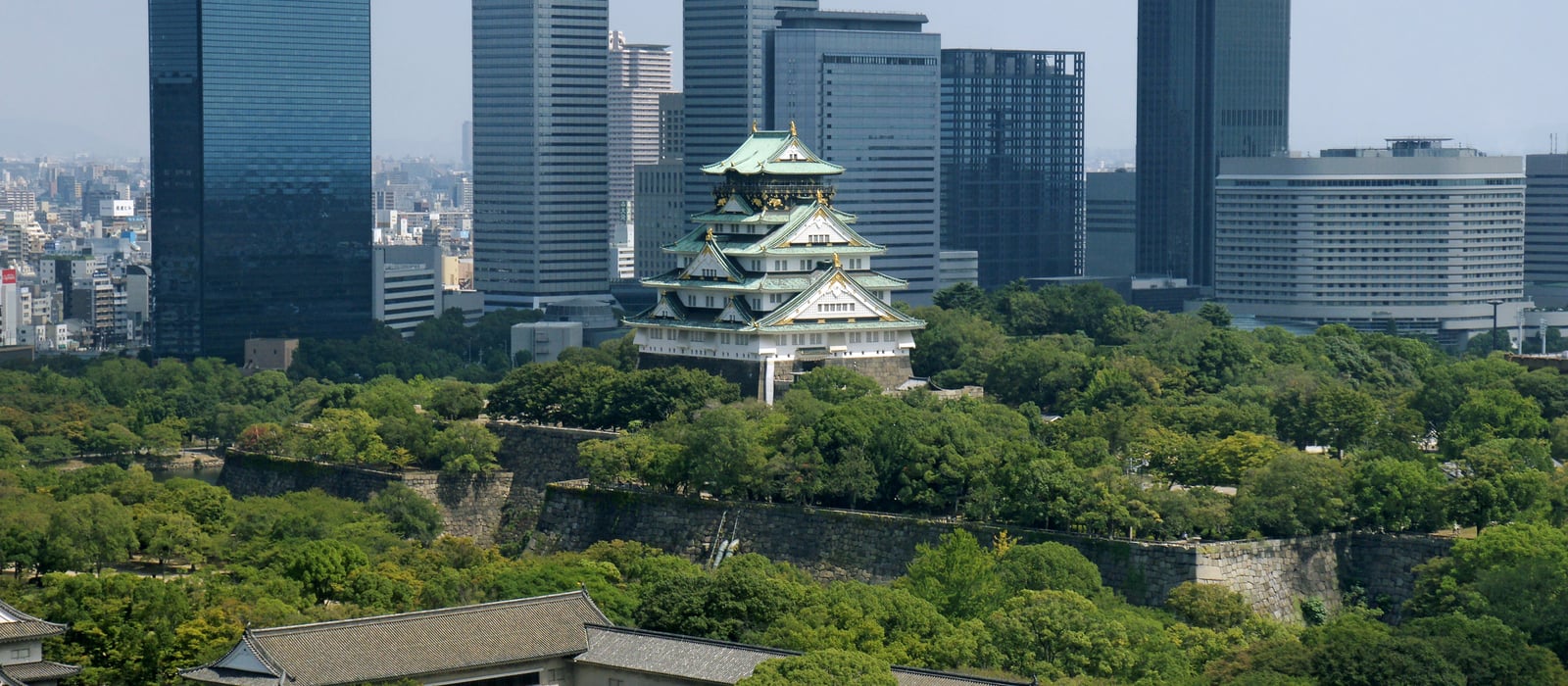
Osaka Prefecture
In the Edo period, Osaka was called 'the nation's kitchen' (Tenka no Daidokoro) and flourished as a merchant city where goods and people from all over the country gathered. Cultures of handcraft and food have grown up within that tradition. Osaka has eight Traditional Crafts Designated by the Minister of Economy, Trade and Industry: Sakai Uchihamono, Osaka Naniwa Suzuki, Osaka Ranma, Osaka Karaki Sashimono, Osaka Senshu Kiri Tansu, Osaka Kongo Sudare, Osaka Butsudan, and Naniwa Honzome. Knives from Sakai are widely used by professional chefs, and chusen-dyed tenugui and hand-woven dantsu carpets are also carried on in Sakai. There are production areas throughout the prefecture as well, such as tonbodama glass beads in Izumi City, paulownia chests in Senshu, and bamboo blinds in Tondabayashi and Kawachinagano. In food, konamon (flour-based dishes) such as takoyaki and okonomiyaki, the kushikatsu of Shinsekai, and kitsune udon, said to have been born in Senba, are well known. Osaka-zushi such as hako-zushi and battera, tecchiri (fugu hot pot), and harihari nabe of whale and mizuna are also flavors unique to Osaka. You can also enjoy specialties rooted in the land, such as Senshu's pickled mizunasu, awa okoshi and iwa okoshi, and Sakai's kurumi mochi.
- ✓Sakai Uchihamono
- ✓Naniwa Honzome
- ✓Osaka Ranma
- ✓Osaka Senshu Kiri Tansu
- ✓Takoyaki
- ✓Okonomiyaki (Osaka Style)
- ✓Kitsune Udon
- ✓Osaka-zushi (Hako-zushi and Battera)
🗺️
More regions coming soon
Expanding to all 47 prefectures nationwide
Explore by Genre
Featured Crafts
View all →
Aizu Lacquerware
Aizu-nuri
Aizu-nuri is lacquerware handed down mainly in Aizuwakamatsu City, Fukushima Prefecture, and is a Traditional Craft Designated by the Minister of Economy, Trade and Industry. It is said to have taken firm root in 1590 (Tensho 18), when Gamō Ujisato, who became lord of Aizu, encouraged lacquer craftsmanship to promote local industry, giving it a history spanning more than 400 years. A defining feature is that wood-base craftsmen, lacquerers, and maki-e artists each handle their own specialized process in a division of labor, and it is distinctively Aizu that lacquerers themselves are further divided between round pieces (such as bowls) and flat pieces (such as tiered boxes). During domain reforms in the mid-Edo period, new decorative techniques such as keshifun maki-e were introduced, and a wide range of techniques -- including mother-of-pearl inlay, lacquer painting, dry lacquer, and chinkin -- continue to be passed down today. The craft's appeal lies in its lavish decoration using auspicious motifs such as cranes, turtles, and pine-bamboo-plum, combined with the warm luster of hana-nuri (an unpolished final coat), and it is used to make a wide range of products from bowls and tiered boxes to contemporary accessories.
Annaka Uchihamono (forged blades)
Annaka Uchihamono
Annaka Uchihamono is a forged type of farm tool and blade passed down in Annaka, Gunma Prefecture. Annaka was once a region where sericulture flourished, and from the Meiji era onward many blacksmiths were active there forging the farm tools essential to agricultural work; place names related to blacksmithing still remain within the old city of Annaka today. The uchihamono technique - shaping heated iron and steel by repeatedly hammering it - is connected to the craft of forging Japanese swords, and unlike blades mass-produced with a mold, each piece is finished by hand, one at a time, by a craftsman. Farm tools such as the kusakaki (weeding hoe) and tekuwa (hand hoe) combine durability with a supple feel in use, while blades such as kitchen knives and trimming hoes are prized for their sharp cutting edge. Today, blacksmith workshops such as Honke Matsunaga Seisakusho and Yamazaki Seisakusho continue to uphold this traditional handcraft, making tools that, through repeated repair, can be used for a long time.
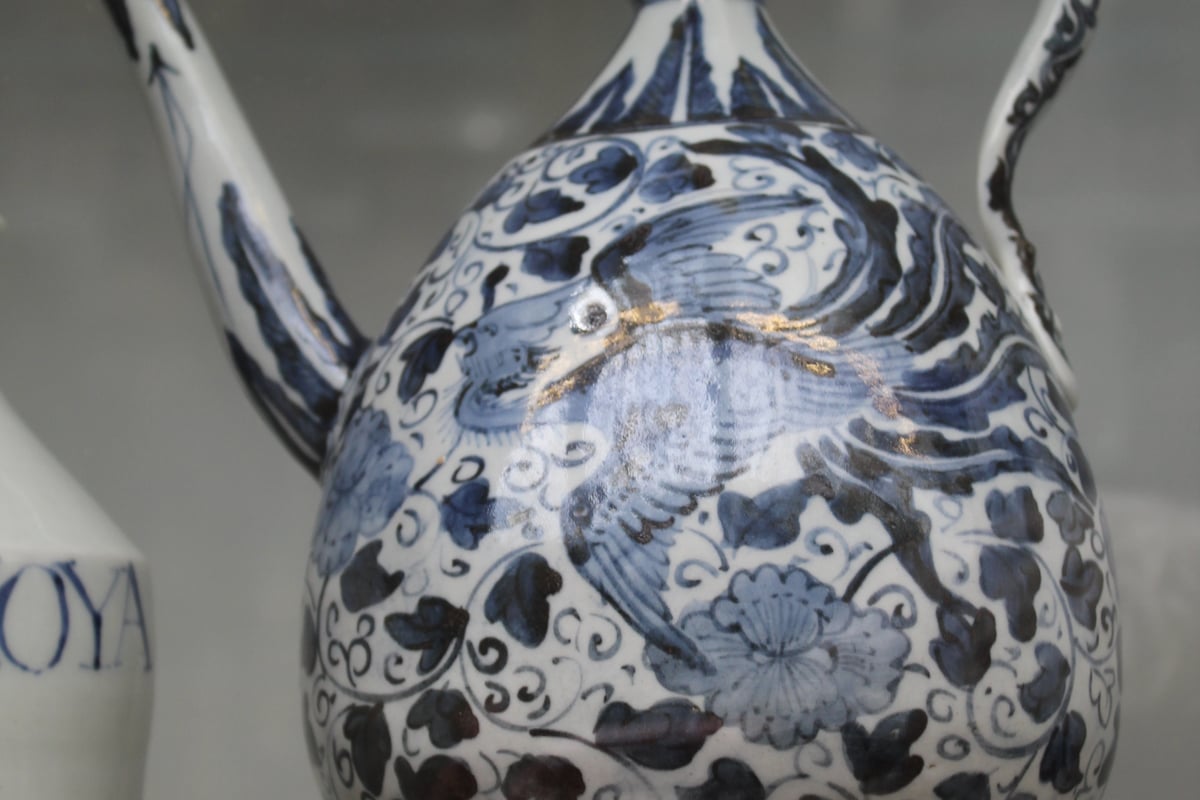
Arita ware
Arita-yaki
Arita ware is porcelain produced mainly in Arita, Saga Prefecture, known as the birthplace of porcelain in Japan. Around 1616, the Korean potter Yi Sam-pyeong (Ri Sanpei), who had been brought to Hizen during Toyotomi Hideyoshi's invasions of Korea, discovered high-quality porcelain stone at Izumiyama in eastern Arita and fired Japan's first white porcelain at the Tenguya kiln. During the Edo period, styles evolved from indigo-blue Early Imari ware to the red-accented Kakiemon style of the 1640s, the Nabeshima style reserved exclusively for tribute pieces made at the domain kiln, and lavish gilded Kinrande ware. Because it was shipped out through Imari Port, it was exported in large quantities to Europe via the Dutch East India Company under the name 'IMARI,' influencing Western ceramic culture. Designated a METI-designated Traditional Craft Product in 1977, the town of Arita still thrives around its porcelain industry today, centered on Tozan Shrine and the Arita Ceramics Fair.
Featured Local Food
View all →Catfish Tempura
Namazu Tempura
Catfish tempura is a dish passed down in the water-rich eastern Gunma region around Tatebayashi City and Itakura Town, where the Tone River and Watarase River flow. The area once had even more rivers, ponds, and marshes than today, and catfish, alongside eel and carp, became a familiar freshwater fish in daily life. The fish is finely minced down to the bone and deep-fried in a crisp batter, giving it a fluffy white-fish texture and mild flavor. Itakura Town was once lined with many freshwater fish wholesalers, and the dish became a local specialty served to visitors of Raiden Shrine (雷電神社) and Takatori Tenmangu (高鳥天満宮). Today, local freshwater fish restaurants still serve tempura and tataki-age (minced-and-fried catfish) made with wild-caught catfish, and Tatebayashi City promotes itself as “the town of catfish” for tourism, keeping this freshwater fish food culture centered on the Tatebayashi area alive.
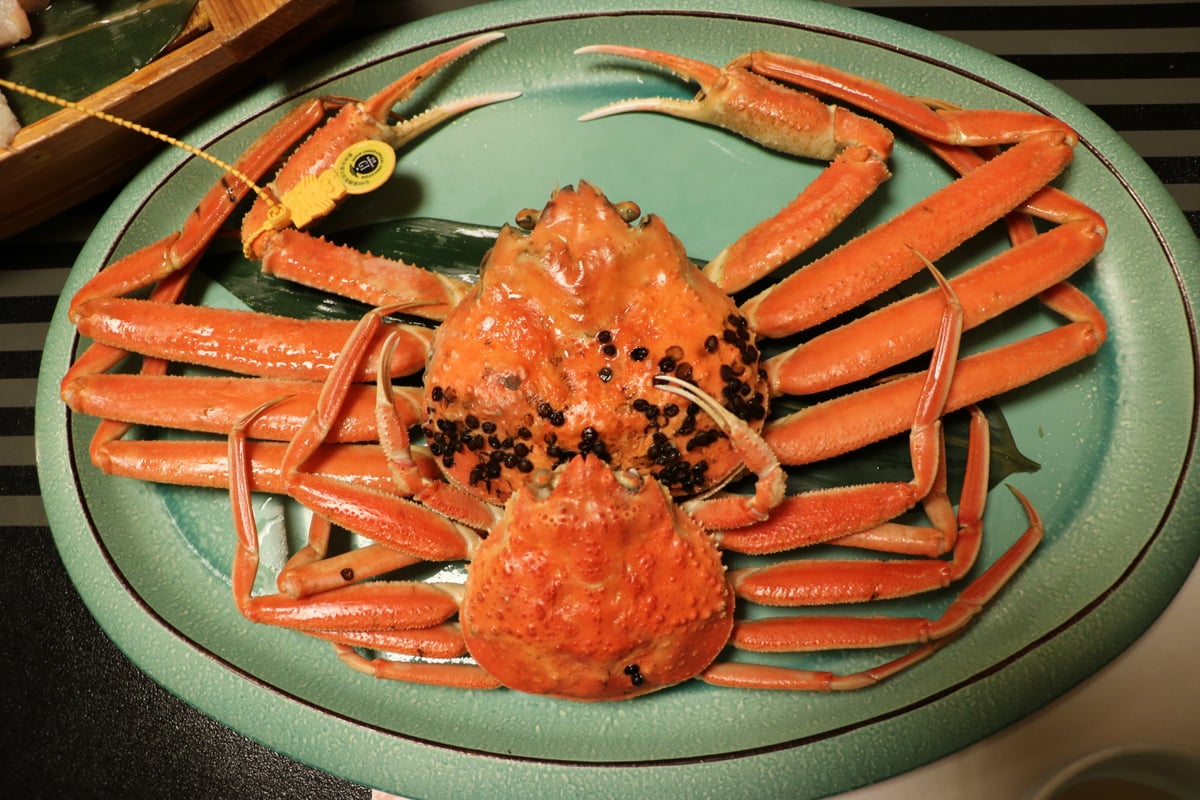
Echizen Crab
Echizen Crab
Echizen Crab is the brand name given to male snow crabs (zuwaigani) landed at ports in Fukui Prefecture. It covers crabs landed at Echizen Port (Echizen Fishing Port) in Echizen Town, as well as at Mikuni Port in Sakai City, Tsuruga Port, Obama Port, and others. A yellow tag attached to a leg is proof of the brand, bearing the GI (Geographical Indication) mark, the name of the fishing boat, and other information. Echizen Crab landed at Mikuni Port has been presented to the Imperial Household since 1922 (Taisho 11), and it is known as 'the only crab presented to the Imperial Household.' In 2018, it became the first crab in Japan to be registered under the national Geographical Indication (GI) protection system. The fishing season opens on November 6 each year, and males are landed until March 20 of the following year. Female snow crabs are called 'Seiko-gani,' and the uchiko (ovaries) inside the shell and the sotoko (eggs) carried on the belly are prized. Echizen Town is also home to the Echizen Crab Museum, where visitors can learn about Echizen Crab, and the crab is one of the signature winter delicacies of the Echizen Coast.
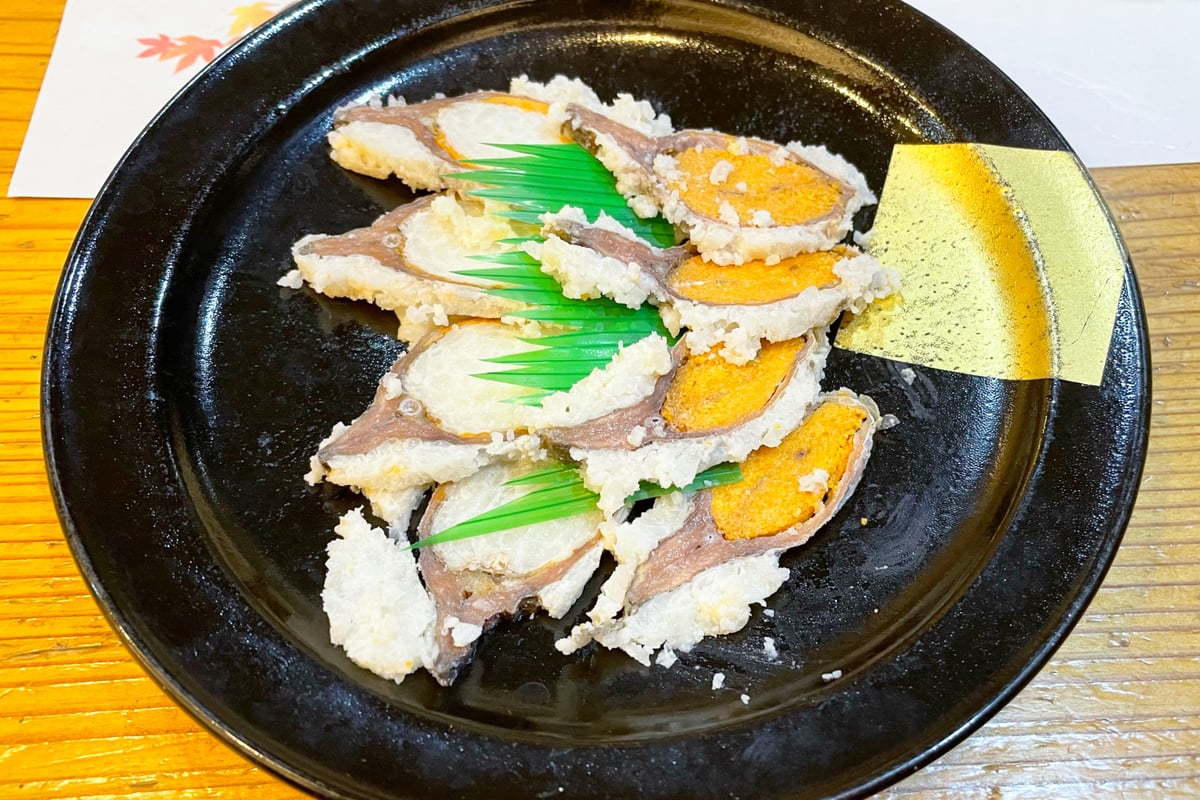
Funazushi (Fermented Crucian Carp Sushi)
Funazushi
Funazushi is a signature narezushi (fermented sushi) of Shiga Prefecture, made by salting nigorobuna — a crucian carp species found only in Lake Biwa — and then packing it with cooked rice to undergo lactic acid fermentation. Unlike modern nigiri-zushi, which gets its tartness from vinegar, funazushi develops its sourness naturally through the prolonged fermentation of rice and fish, and it is often described as a living link to the origins of sushi itself. Its history is remarkably old: wooden tablets (mokkan) from the Nara period and the Heian-era legal code Engishiki record 'sushi funa' (鮨鮒) being sent as tribute from Omi Province. Funazushi is known for its strong sourness and a distinctive fermented aroma sometimes compared to cheese — a flavor that divides opinion, though well-made funazushi is prized for its rich umami without any fishy smell. It is typically sliced thin and eaten as is, enjoyed with tea over rice (ochazuke) or as an accompaniment to sake, and remains a treasured traditional dish served on special occasions such as New Year and when hosting guests.
About 匠めぐり
Takumi Meguri is a database-style portal exploring the traditional crafts and local food culture handed down across Japan.
Learn more about the site →