Craft Genre
Pottery
A cross-regional look at Pottery from across Japan.
Region(multiple selection allowed)
45 items
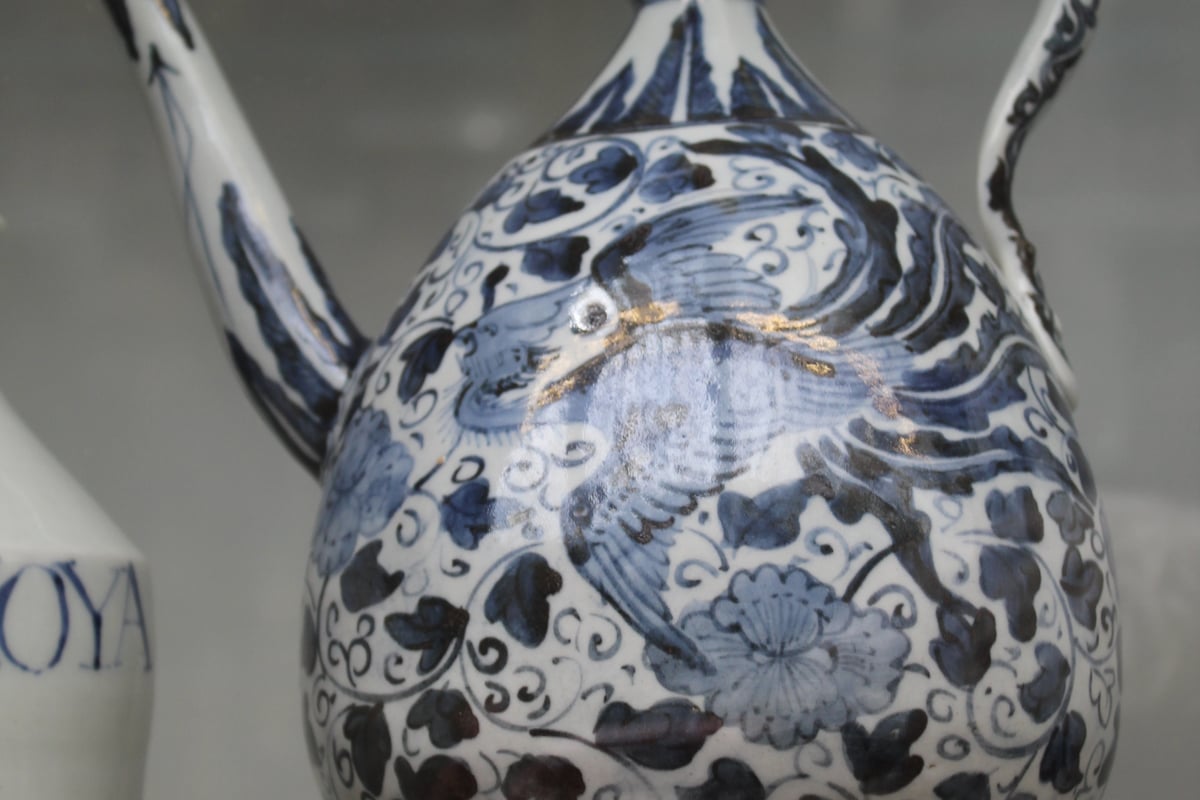
Arita ware
Arita-yaki
Arita ware is porcelain produced mainly in Arita, Saga Prefecture, known as the birthplace of porcelain in Japan. Around 1616, the Korean potter Yi Sam-pyeong (Ri Sanpei), who had been brought to Hizen during Toyotomi Hideyoshi's invasions of Korea, discovered high-quality porcelain stone at Izumiyama in eastern Arita and fired Japan's first white porcelain at the Tenguya kiln. During the Edo period, styles evolved from indigo-blue Early Imari ware to the red-accented Kakiemon style of the 1640s, the Nabeshima style reserved exclusively for tribute pieces made at the domain kiln, and lavish gilded Kinrande ware. Because it was shipped out through Imari Port, it was exported in large quantities to Europe via the Dutch East India Company under the name 'IMARI,' influencing Western ceramic culture. Designated a METI-designated Traditional Craft Product in 1977, the town of Arita still thrives around its porcelain industry today, centered on Tozan Shrine and the Arita Ceramics Fair.
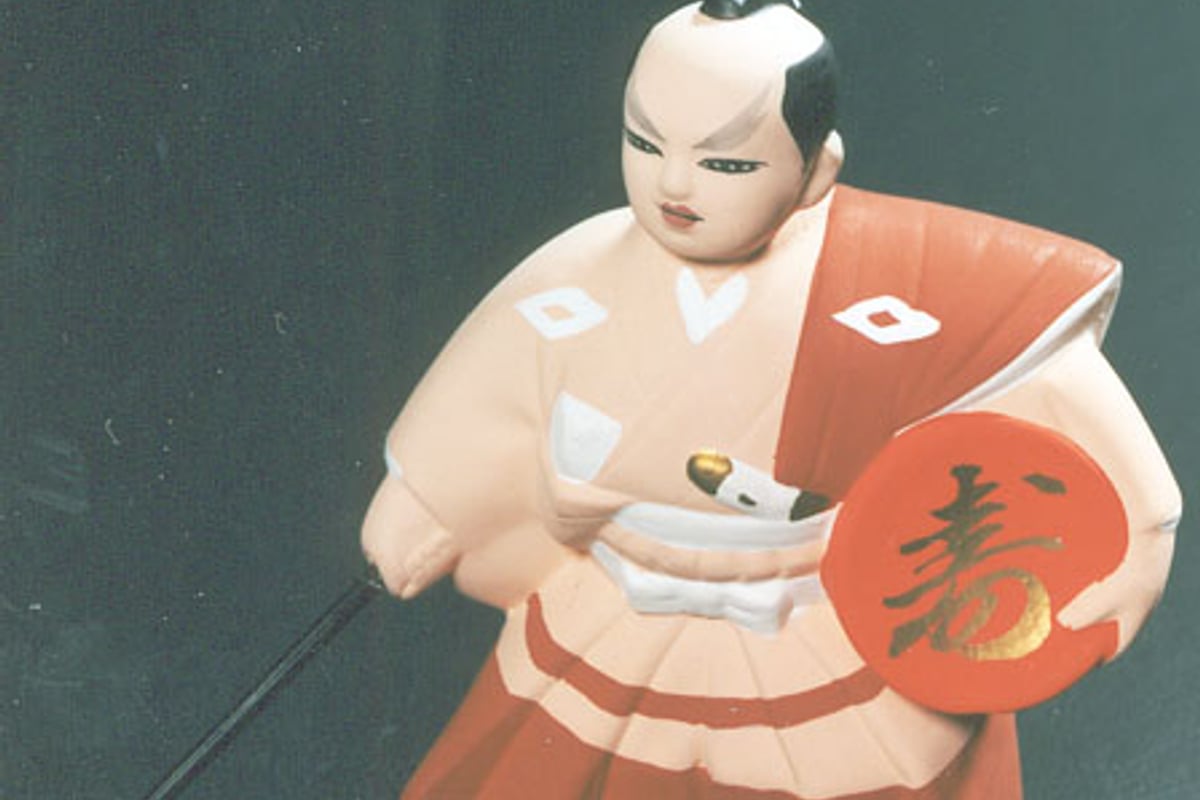
Hakata Ningyo (Hakata Dolls)
Hakata Ningyo
Hakata Ningyo are unglazed clay dolls traditionally made in and around Hakata Ward, Fukuoka City, and are a Traditional Craft Designated by the Minister of Economy, Trade and Industry. Their origins trace back to 1600, when Kuroda Nagamasa entered Chikuzen Province and gathered many craftsmen in Hakata; the technique of making unglazed clay dolls is said to have emerged from among them. Several lineages came together in their development, including figurative dolls made by deko craftsmen, Soshichi ware descended from roof-tile makers, and the line begun by Nakanoko Kichibei, who created folk toys in the late Edo period. A defining feature is that the dolls are fired unglazed after coloring, and they depict a wide range of subjects—from the realistic 'beauty' figures for which Hakata Ningyo are especially known to Kabuki and Noh characters, warriors, zodiac animals, and Fukusuke—with fine detail and realism. In the Meiji era, the dolls earned high acclaim at overseas expositions such as the Paris World's Fair, becoming known worldwide as a representative Japanese doll craft.
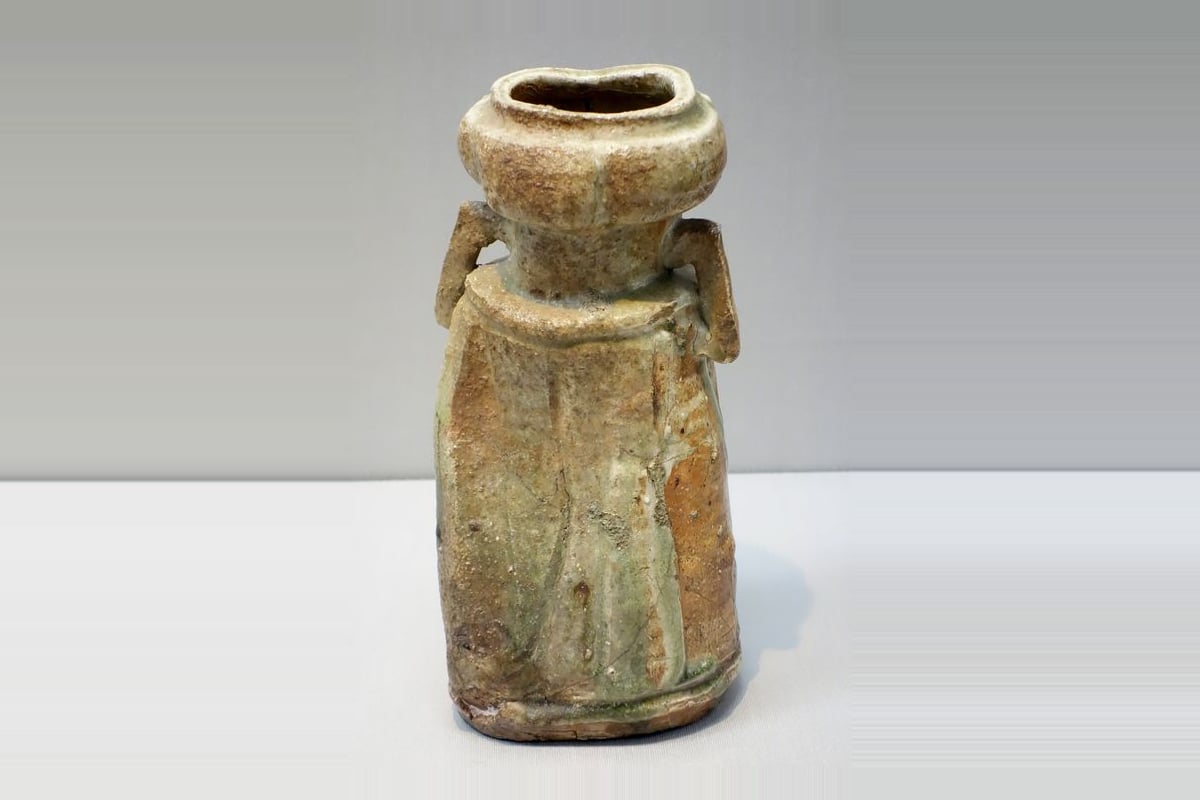
Iga-yaki (Iga Ware)
Iga Yaki (Iga Ware)
Iga-yaki is pottery fired mainly in the Marubashira (丸柱) district of Iga City, Mie Prefecture. Its origins are said to date back to around the Nara period, and locally it is introduced as pottery with a history of about 1,200 years. Its raw material is clay from the Kobiwako Formation (ancient Lake Biwa strata), deposited on the bed of ancient Lake Biwa about 4 million years ago. When fired, the clay develops many fine pores and retains heat well, so it is suited to cooking vessels such as donabe (earthenware pots) and yukihira (行平) pots. In the Momoyama period, as the tea ceremony flourished, bold flower vases (hanaire) and fresh-water jars (mizusashi) with pronounced distortions were fired. The green glassy 'bidoro' and the scorching ('koge') produced by the flames of the climbing kiln are regarded as highlights of Ko-Iga (old Iga ware). The Important Cultural Property 'Ko-Iga fresh-water jar named Yabure-bukuro (破袋),' held by the Gotoh Museum, is its representative work. After the early Edo period the kilns were temporarily abandoned, but they were revived in the mid-Edo period, after which everyday items such as donabe became the mainstay. In 1982 (Showa 57), it was designated a Traditional Craft Designated by the Minister of Economy, Trade and Industry.

Ikaho-yaki (Ikaho ware)
Ikaho-yaki
Ikaho-yaki is pottery that began in 1878 (Meiji 11), when the potter Shinoda Senka opened a kiln at Ikaho Onsen in Shibukawa, Gunma Prefecture. Its distinctive method uses yu no hana (hot spring mineral deposit) from Ikaho Onsen in the clay and glaze; because the iron-rich yu no hana is used, the finished pieces take on the rich colors unique to a hot spring town, ranging from yellow and reddish-brown to black. However, when Shinoda Senka passed away, the kiln fires went out, and for a long time Ikaho-yaki became a 'phantom pottery.' Later, the local potter Kogure Tokuro carried out his own research based on old documents and has worked to revive Ikaho-yaki. Today, works are made and exhibited for sale at Tokuro Kiln near the Ikaho Onsen hot spring town, and visitors can also try an electric potter's wheel or painting experience, enjoying the making of a one-of-a-kind piece that makes use of Ikaho Onsen's yu no hana as a travel memory.
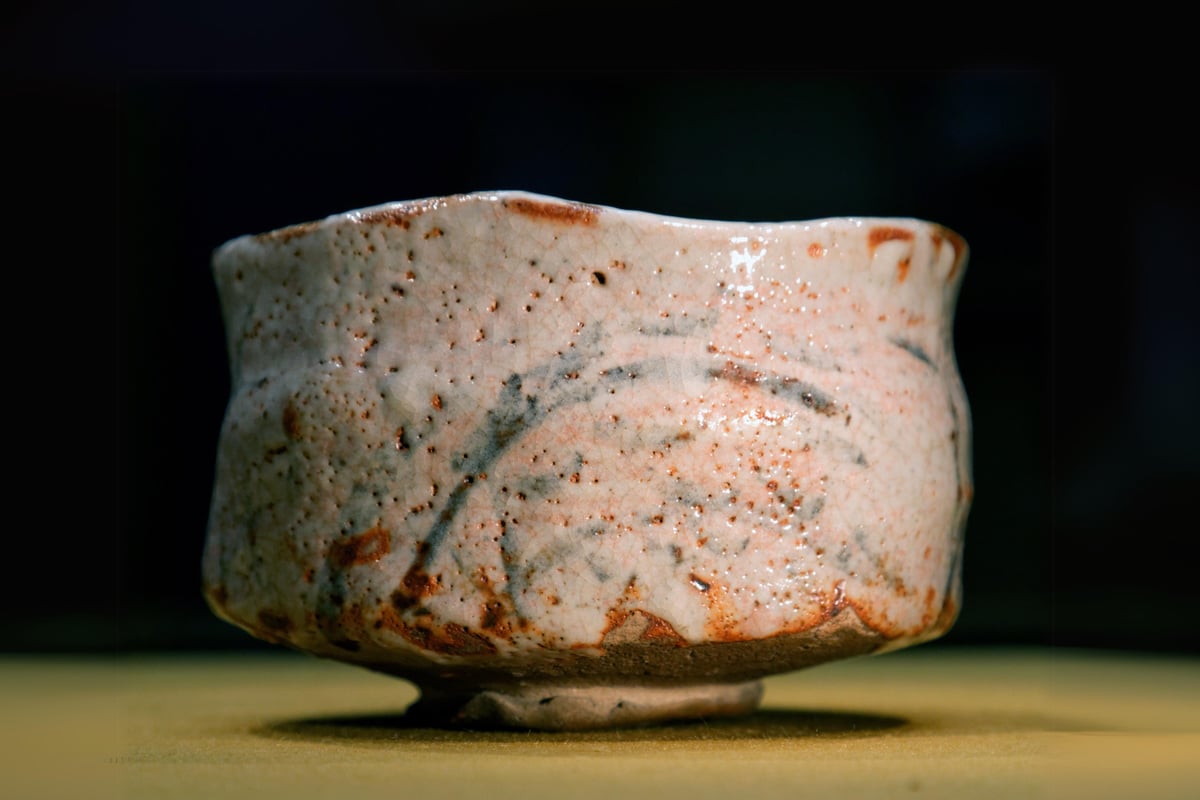
Mino-yaki
Mino-yaki
Mino-yaki is a general term for the ceramics produced for over 1,300 years mainly in Tajimi, Toki, Mizunami, and Kani cities in the Tono region of Gifu Prefecture. It is Japan's largest ceramics-producing area, supplying roughly 60% of the tableware distributed nationwide. Its greatest feature is that it is not bound to a single style or technique: Shino, Oribe, Ki-Seto, and Seto-guro, all born alongside the tea ceremony culture of the Momoyama period, are joined by as many as 15 styles and techniques recognized as Traditional Craft designated by the Minister of Economy, Trade and Industry. From rustic white-glazed Shino ware to Oribe ware with its bold green glaze and free-flowing patterns, a wide variety of expressive ceramics are all produced under the single name 'Mino-yaki,' cherished for everyday tableware as well as tea ceramics.
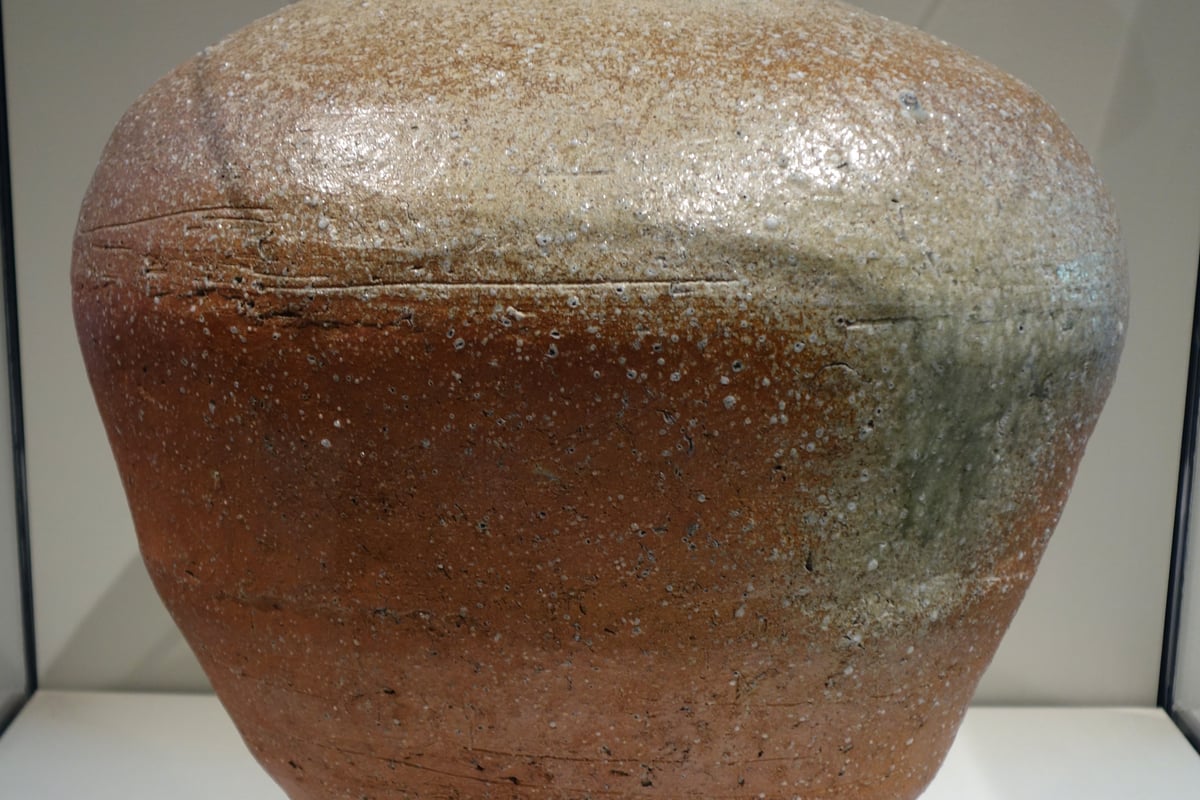
Shigaraki-yaki (Shigaraki Ware)
Shigaraki-yaki
Shigaraki-yaki is stoneware fired mainly around Shigaraki, Koka City in Shiga Prefecture, and is counted among Japan's Six Ancient Kilns alongside Seto, Tokoname, Tamba, Echizen, and Bizen. The kilns are said to have opened in the Kamakura period under the influence of neighboring Tokoname's techniques, and by the Momoyama period Shigaraki wares were prized as utensils for the tea ceremony. Today the ware is widely known for its endearing tanuki (raccoon dog) figurines, but the production area actually covers a much broader range of goods, from jars and pots to tea ceramics, tiles, planters, and contemporary art. The tanuki figurine became famous nationwide in 1951, when newspapers reported that tanuki statues holding Japanese flags had been lined up to welcome Emperor Showa during his visit to Shigaraki. The greatest appeal of Shigaraki-yaki lies in the rustic beauty created by earth and flame: the warm scarlet hue (hiiro) produced by the iron content in the clay, and the glassy vidro glaze (bidoro-yu) formed when wood-fired ash melts onto the surface.
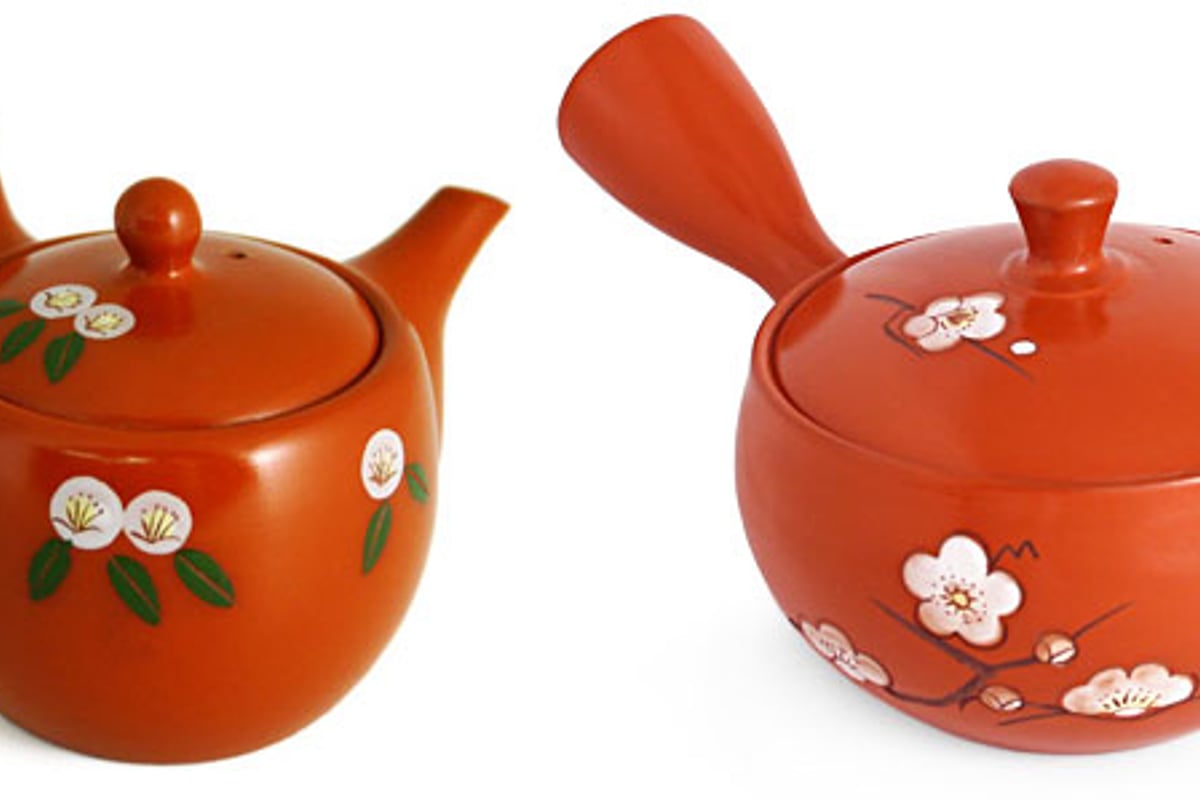
Tokoname-yaki
Tokoname-yaki
Tokoname-yaki is a stoneware tradition centered on Tokoname City on the Chita Peninsula in Aichi Prefecture, counted among 'Japan's Six Ancient Kilns' alongside Echizen-yaki, Shigaraki-yaki, Tamba Tachikui-yaki, Bizen-yaki, and Seto-yaki. Its origins trace back to around the 12th century, at the end of the Heian period, when climbing kilns dug into hillsides fired 'Old Tokoname' wares such as yamajawan bowls and sanshin-tsubo jars, and Tokoname grew into the largest production center among the Six Ancient Kilns. In 1835, during the late Edo period, the potter Koie Hokyu completed a noborigama climbing kiln, and in the 1850s the region's signature red-clay ware, shudei-yaki, was born. From the Meiji era onward, Tokoname developed into a major center for industrial ceramics such as clay pipes, sanitary ware, and tiles, and today it produces everything from shudei teapots made with iron-rich clay to tea bowls, flower vases, and beckoning-cat figurines. It was designated a national Traditional Craft in 1976.
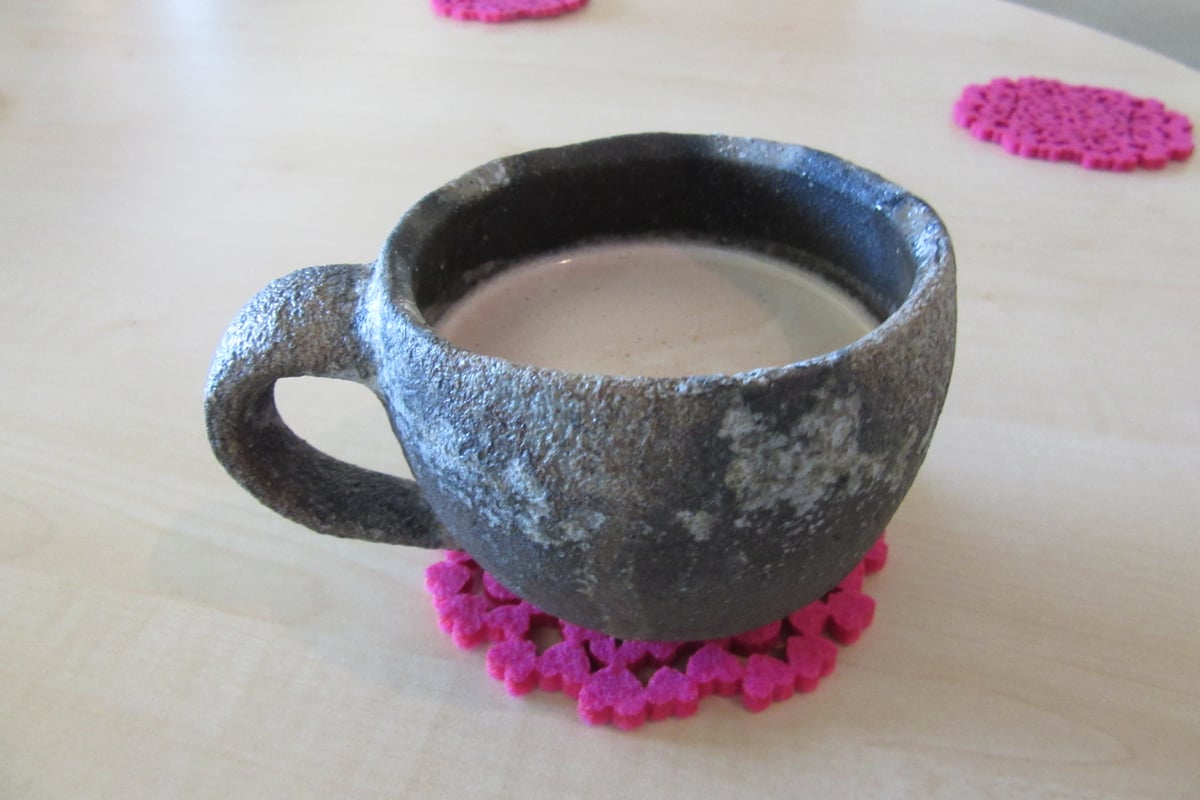
Echizen-yaki (Echizen Ware)
Echizen-yaki
Echizen-yaki is pottery made mainly in Echizen Town, Nyu District, Fukui Prefecture. It is counted among 'Japan's Six Ancient Kilns,' together with Seto, Tokoname, Shigaraki, Tanba and Bizen. The area began as a pottery center about 850 years ago, at the end of the Heian period, when it adopted techniques from the Tokai region, such as those of the Tokoname kilns, and started producing yakishime (high-fired unglazed) stoneware. Because the pieces are fired at high temperatures without glaze, they become hard and durable. A yellowish-green natural glaze, formed when wood ash melts inside the kiln, adds a rustic beauty. By the late Muromachi period, with jars, large storage vessels and mortars as its main products, it had grown into the largest pottery-producing area on the Sea of Japan side. It became a Traditional Craft Designated by the Minister of Economy, Trade and Industry in 1986, and in 2017 it was also recognized as Japan Heritage as one of the Six Ancient Kilns. At Echizen Ceramic Village (Echizen Togei-mura), visitors can choose pieces from local kilns and try making pottery.
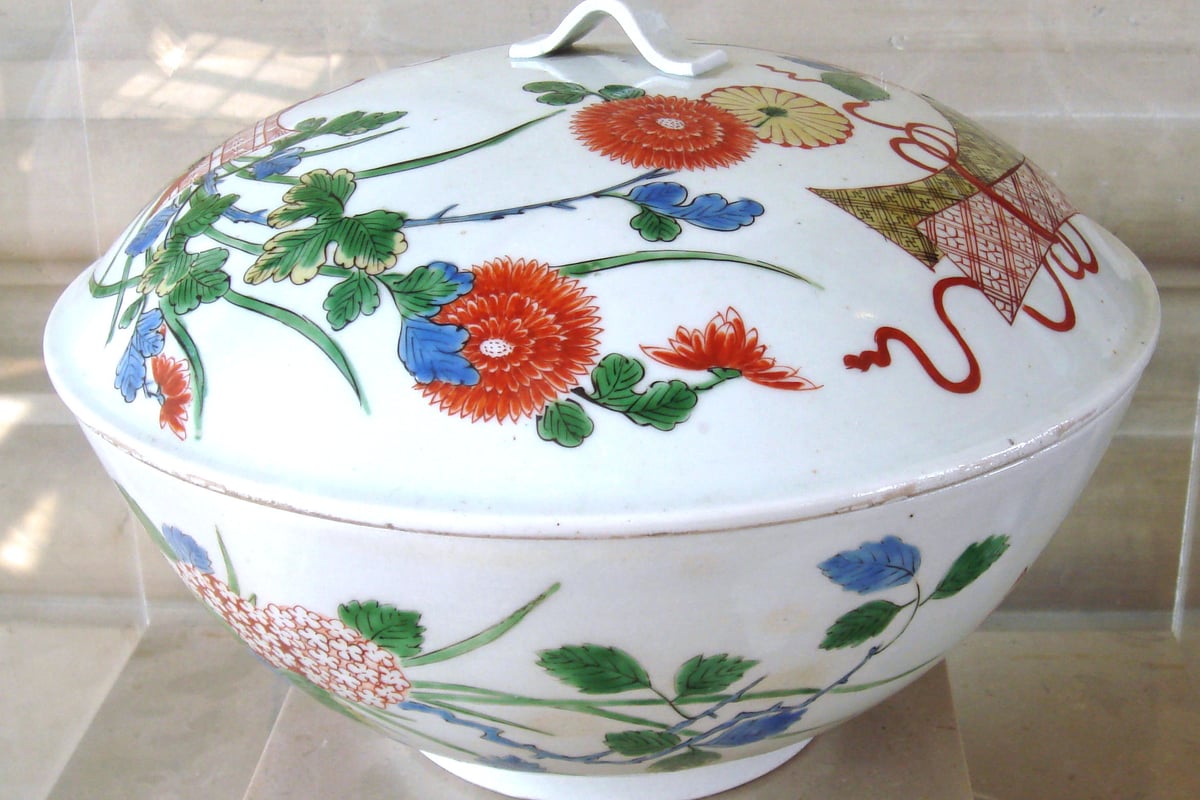
Imari ware
Imari-yaki
Imari ware takes its name from Imari Port, from which porcelain fired in the Arita area was shipped to markets across Japan and overseas. Old Arita ware exported abroad during the Edo period came to be known as 'Old Imari,' while today the name Imari ware more often refers specifically to porcelain fired in Ōkawachiyama, Imari City. In 1675, the Nabeshima clan of Saga Domain relocated its domain kiln from Arita to Ōkawachiyama, which developed as a 'village of secret kilns' producing tribute and gift wares for the shogunate and feudal lords. Set in a mountain valley, the area had checkpoints to prevent technical secrets from leaking out, and potters are said to have spent their entire lives there. General sales began after the Meiji era, and the ware was even exhibited at the 1873 Vienna World's Fair. Known for its meticulous blue-and-white designs and elegant overglaze enamel work, around 30 kilns in the area continue to preserve the tradition today.
Kutani Ware
Kutani-yaki
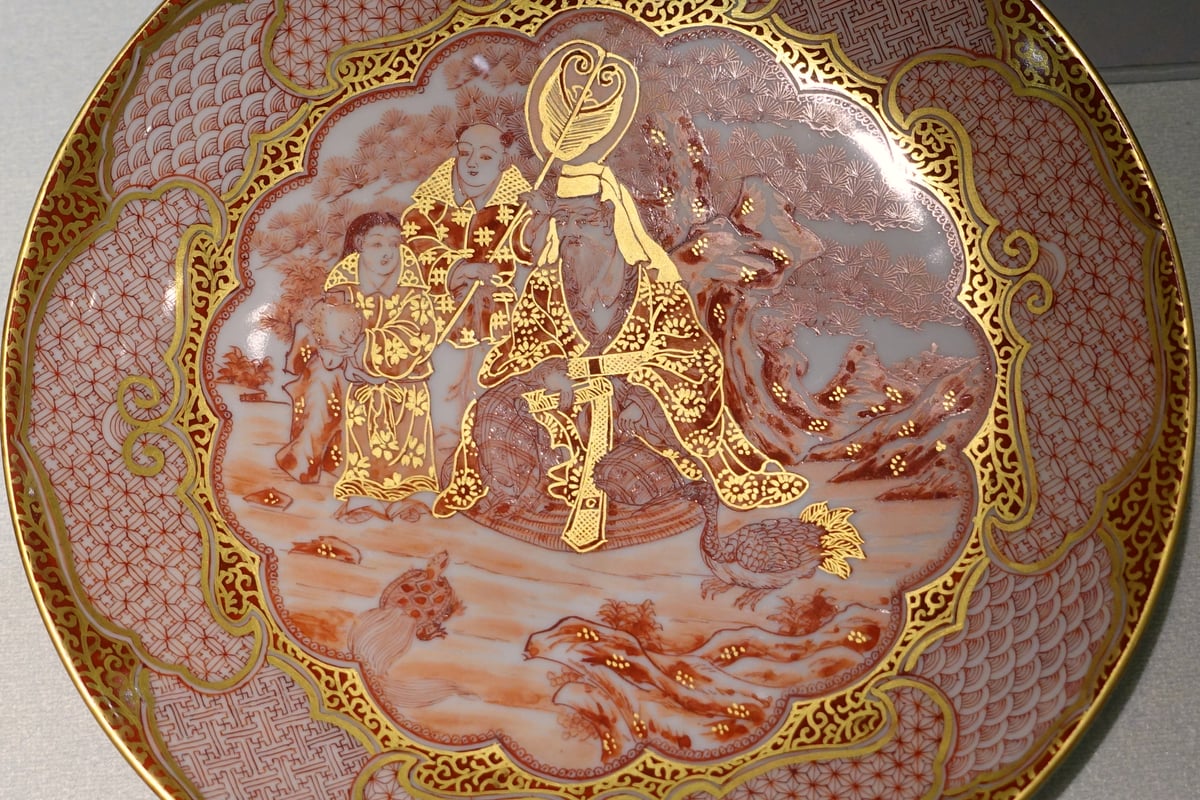
Kutani ware is polychrome porcelain fired in the Kaga region of southern Ishikawa Prefecture, distinguished above all by its vivid overglaze painting in the 'Kutani Five Colors' — red, yellow, green, purple, and deep blue — known as Kutani gosai. Its origins trace back to the Meireki era (1655–1657), when Maeda Toshiharu, first lord of the Daishoji domain, a branch of the Kaga domain, learned that porcelain stone had been discovered in Kutani village within his territory and ordered the metalworker Goto Saijiro to fire polychrome porcelain there. Wares made during this period later became known as 'Ko-Kutani' (Old Kutani) and were highly acclaimed for their bold compositions and powerfully filled-in painting. However, the kiln at Kutani village closed after about 50 years, and production ceased for roughly a century. In the late Edo period, kilns aiming to revive Ko-Kutani sprang up one after another across the Kaga and Daishoji areas, a movement known as 'Saiko-Kutani' (Revived Kutani). Kilns such as Yoshidaya, Miyamotoya, and Eiraku each developed their own distinctive style while building on this foundation, establishing the basis for Kutani ware as it continues today. It is now produced mainly in Kanazawa, Komatsu, Kaga, and Nomi in southern Ishikawa Prefecture, and was designated a national Traditional Craft in 1975.
Obori-Soma Ware
Obori-Soma-yaki
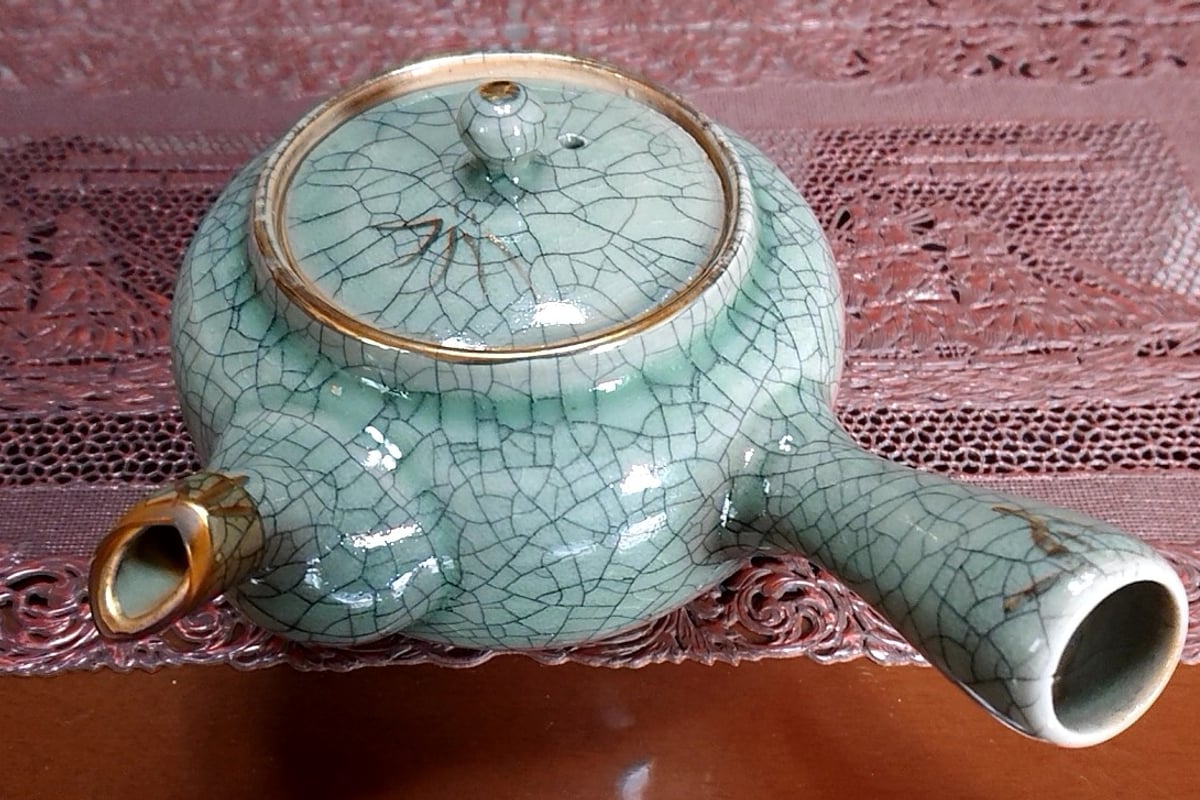
Obori-Soma ware is pottery once fired in the Obori district of Namie Town, Fukushima Prefecture, and is a Nationally Designated Traditional Craft. It is said to have begun in the Genroku era (1688-1704), when Hangai Kyūkan, a retainer of the Soma-Nakamura domain, discovered clay in Obori and had his servant Sama fire everyday wares from it; wheel-forming has been maintained consistently ever since. The ware is known for three features: 'aohibi,' a fine network of crackle running across the entire surface; 'hashiri-goma,' an auspicious design depicting the Soma domain's sacred horse in the brush style of the Kanō school; and 'nijū-yaki,' a double-walled construction that keeps hot liquid from cooling quickly while remaining comfortable to hold. However, following the 2011 Great East Japan Earthquake and the accident at Tokyo Electric Power Company's Fukushima Daiichi Nuclear Power Plant, the entire town of Namie, including the Obori district, became an evacuation zone, and all of the more than 20 kilns that had operated there were forced to evacuate outside the town. Today the kilns have relocated across the prefecture to places such as Nihonmatsu City, Fukushima City, and Koriyama City, and some have also revived operations at Michi-no-Eki Namie within Namie Town, carrying on the traditional craft.
Seto-yaki
Seto-yaki
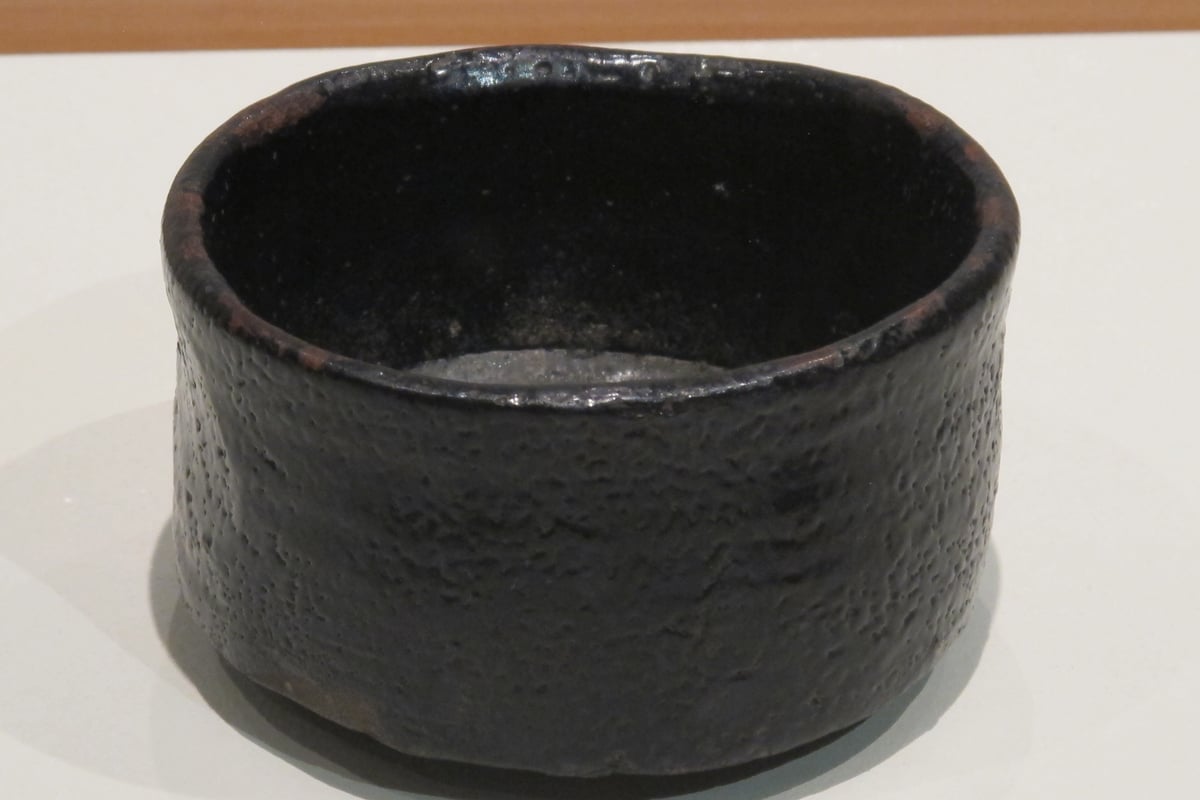
Seto-yaki is a general term for the ceramics produced around Seto City in Aichi Prefecture, and together with Tokoname-yaki it is counted among Japan's Six Ancient Kilns. Its origins trace back to the late 5th century, to the production of sue ware at the Sanage kilns in what is now the Higashiyama hills of Nagoya City, and by the end of the 12th century Seto had begun producing 'Old Seto' ware - the only Japanese region to continue firing glazed pottery throughout the medieval period. In the Bunka era of the late Edo period (1804-1818), Kato Tamikichi introduced porcelain-making techniques from Hizen Arita, and sometsuke porcelain, painted with cobalt pigment, developed from there; from then on, traditional 'hongyo-yaki' pottery and 'sometsuke-yaki' porcelain were produced side by side. Blessed with high-quality kibushi and gairome clays, Seto-yaki is known for its white, low-iron body, and its products range from everyday tableware to fine art pieces. It is also the origin of 'setomono,' the word used across Japan to mean pottery in general, and was certified as a Japan Heritage site in 2017. Nationally designated Traditional Crafts include Akazu-yaki (1977) and Seto Sometsuke-yaki (1997).
Tsuboya-yaki
Tsuboya-yaki
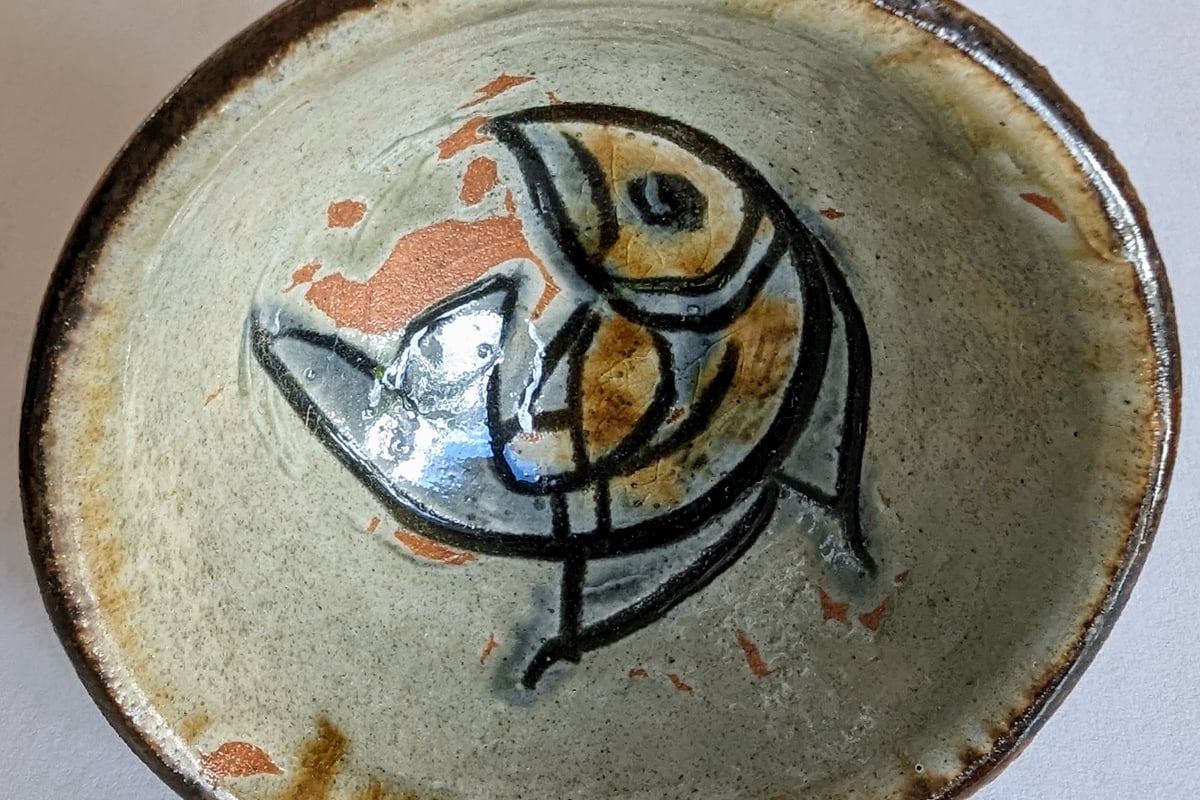
Tsuboya-yaki is a pottery representative of Okinawa, fired mainly in the Tsuboya district of Naha City and in Yomitan Village. Around the 14th-16th centuries, the Ryukyu Kingdom flourished as a hub for East Asian pottery through active overseas trade, but when trade declined following the Satsuma invasion (1609), the royal government invited Korean potters to introduce pottery-making techniques. In 1682, the royal government consolidated three kilns - the Chibana kiln in Misato Village, the Takarakuchi kiln in Shuri, and the Wakuta kiln in Naha - into the Tsuboya district of Naha, and this is considered the birth of present-day Tsuboya-yaki. It is characterized by thick-bodied vessels and a rustic, powerful style, and is broadly divided into two types: 'joyachi,' glazed and fired at high temperature, and 'arayachi,' fired without glaze. Joyachi centers on everyday vessels such as bowls, plates, and shisa lion-dogs, while arayachi centers on large storage vessels such as sake and water jars. In the 1970s, as it became difficult to fire the smoke-producing climbing kilns within Naha City, the late Living National Treasure Kinjo Jiro and others relocated to Yomitan Village, which subsequently became a major production area for Tsuboya-yaki as well. It was designated a Traditional Craft by the Minister of Economy, Trade and Industry in 1976.
Yokkaichi Banko-yaki (Banko Ware)
Yokkaichi Banko Yaki (Yokkaichi Banko Ware)
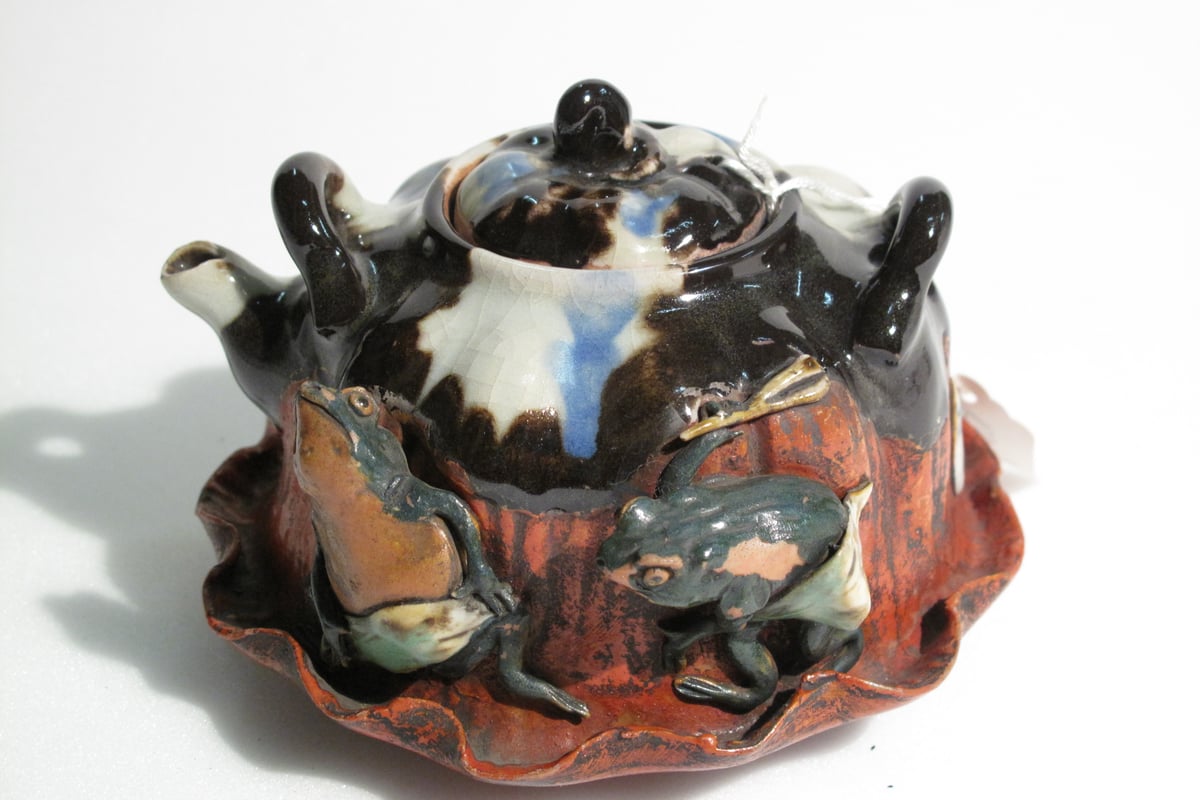
Yokkaichi Banko-yaki is ceramics made mainly in Yokkaichi City, Mie Prefecture. It began in the mid-Edo period when Nunami Rozan (沼波弄山), a wealthy merchant of Kuwana, opened a kiln in 小向, in present-day Asahi Town (朝日町). Rozan stamped the works with seals reading 'Banko' or 'Banko Fueki.' The seals carried the wish that the works would be handed down unchanged forever, and this became the origin of the name. The ware died out after Rozan's death, but in the late Edo period it was revived by 森有節 of Kuwana and others. From the end of the Edo period into the Meiji period, 山中忠左衛門 of Yokkaichi established a pottery method suited to mass production and developed the ware into a local industry. Its representative products are the azuki-bean-colored (reddish-brown) 'shidei kyusu (teapot)' and highly heat-resistant donabe (earthenware pots). Its donabe are said to account for about 80% of domestic production. Today it is one of Japan's leading ceramics-producing areas, with more than 100 kiln companies concentrated mainly in Yokkaichi City and Komono Town. In 1979 (Showa 54), it was designated a Traditional Craft Designated by the Minister of Economy, Trade and Industry.
Agano ware
Agano-yaki
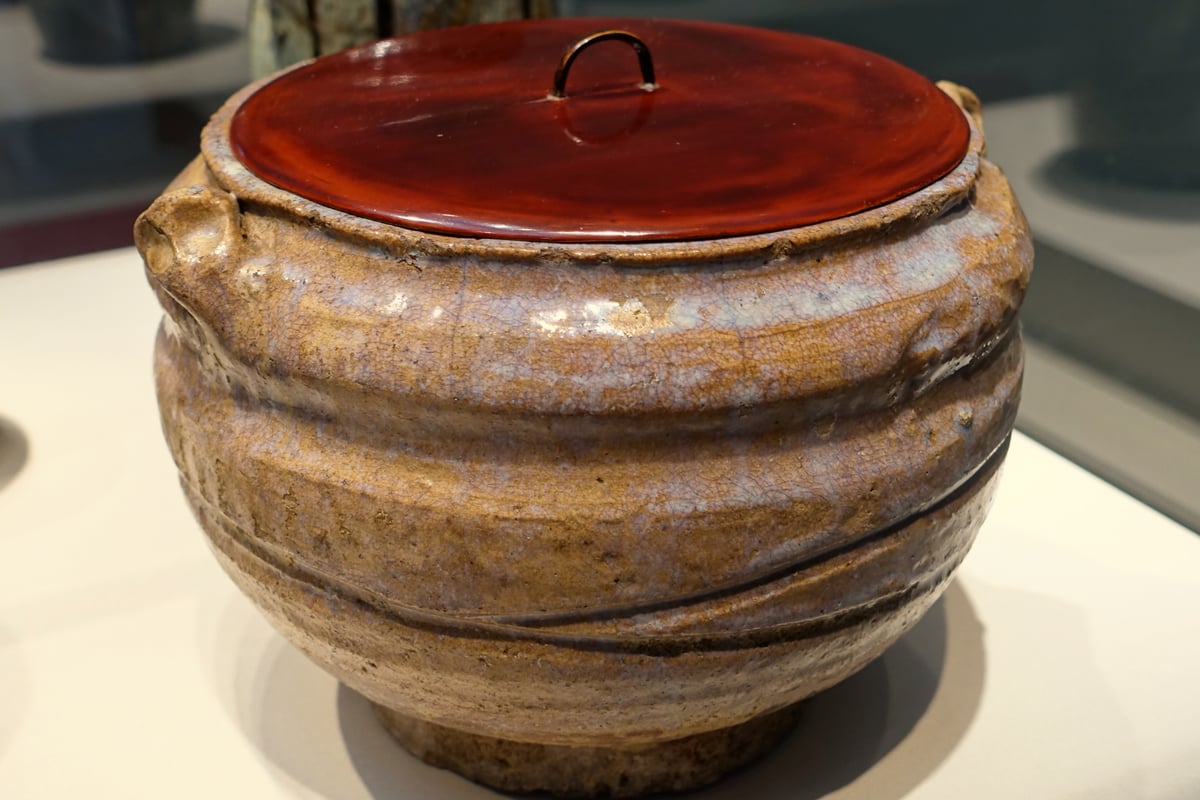
Agano ware is a type of pottery fired across a region centered on Fukuchi Town, Fukuoka Prefecture, and spanning also Kawara Town and Oto Town in Tagawa District, and is a Traditional Craft Designated by the Minister of Economy, Trade and Industry. It is said to have begun in 1602, when Hosokawa Tadaoki, lord of the Buzen Kokura domain, invited the Korean-born potter Sonkai to open a kiln at the foot of Mt. Fukuchi, in the village of Agano. The kiln subsequently developed as an official domain kiln under the patronage of successive lords—first the Hosokawa clan, then the Ogasawara clan—and by the Edo period it was so prized by tea masters that it was counted among the 'Enshu Seven Kilns.' Its defining characteristic is an extremely light, thin-walled construction; the ware is rarely painted, and instead is known for the beauty of its kiln transformations produced by a wide range of glazes, from the deep bluish-green 'ryokusho-nagashi' that streams down over a thin white body to iron, ash, straw-white, and sansai (three-color) glazes. Designated a national Traditional Craft in 1983, around 20 kilns still carry on the tradition today, centered on the Agano district of Fukuchi Town.
Aizu-Hongo Ware
Aizu-Hongo-yaki
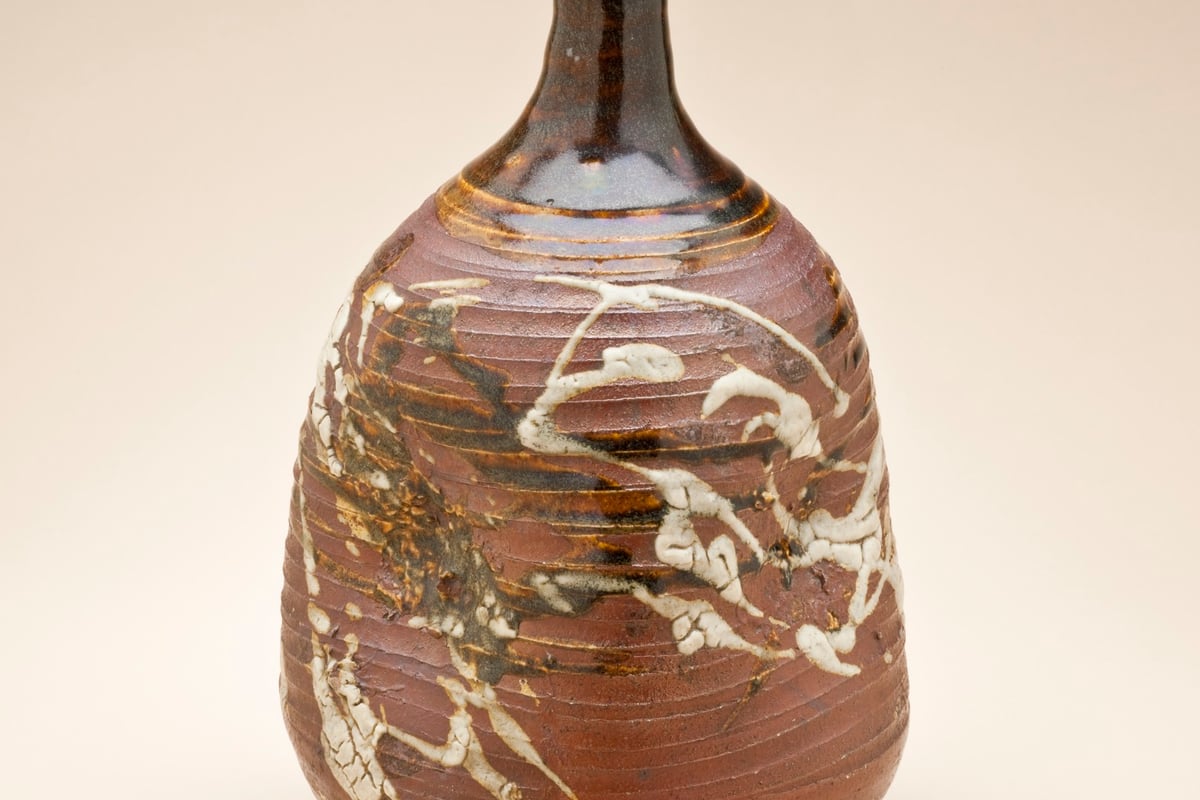
Aizu-Hongo ware is ceramic ware produced in Aizumisato Town, Fukushima Prefecture, and is a Nationally Designated Traditional Craft with roughly 400 years of history as Tohoku's oldest kiln site. Its origins trace back to 1593, when Gamō Ujisato, lord of Aizuwakamatsu Castle, had roof tiles fired for the castle, and in 1645 full-scale pottery production began when Aizu domain lord Hoshina Masayuki invited the potter Mizuno Genzaemon from Seto, in Owari Province. Around 1800, Sato Ihee learned the technique for making porcelain in Arita, in Hizen Province, and brought it back, giving the region the rare distinction, unusual nationwide, of producing both pottery and porcelain in the same production area. Today, a dozen or so distinctive kilns are still scattered across the Hongo district, producing everything from everyday tableware to fine art pieces, including Ryumon-yaki, known for its flowing-glaze technique. Every year on the first Sunday of August, the 'Seto Ichi' pottery market begins before dawn, drawing many visitors from within and outside the prefecture in search of a good find, and has become a summer tradition in Aizu.
Karatsu ware
Karatsu-yaki
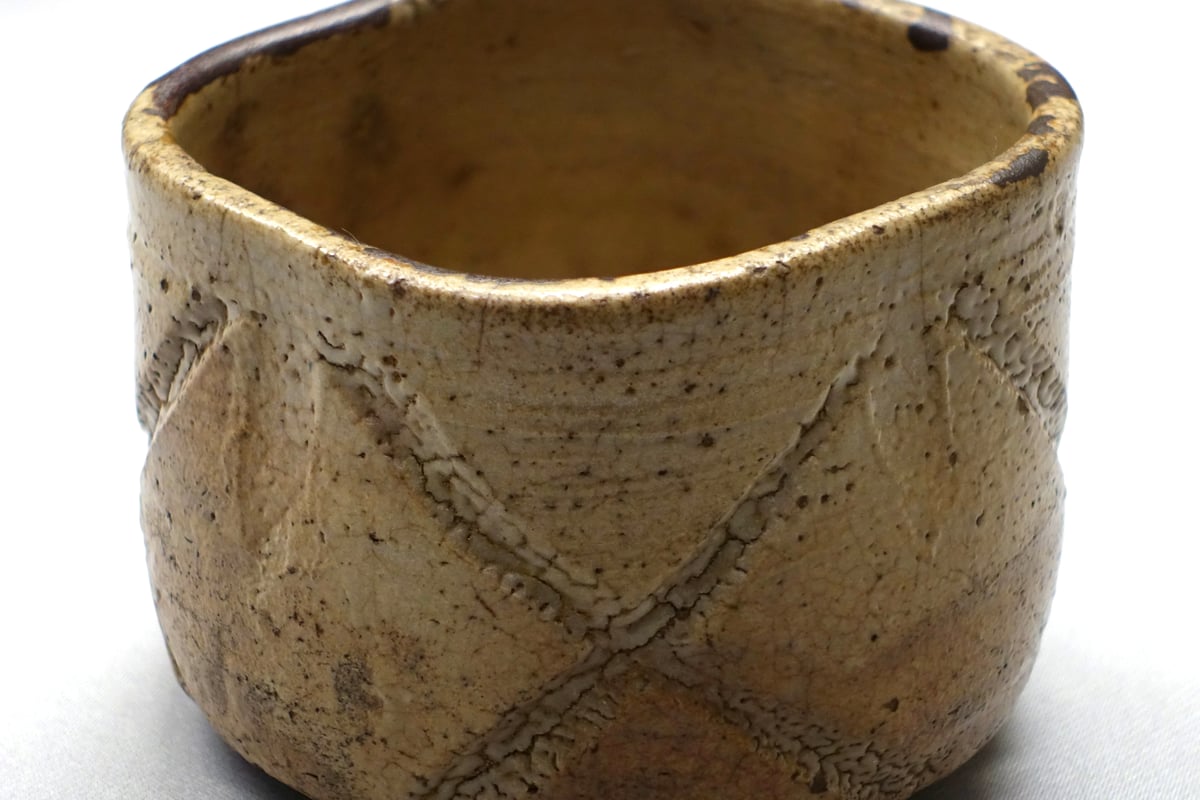
Karatsu ware is stoneware fired mainly around Karatsu City, Saga Prefecture, spanning from western Saga to northern Nagasaki Prefecture. Among tea practitioners it has long been prized alongside Raku ware and Hagi ware as one of the finest tea ceramics, summed up in the saying 'first Raku, second Hagi, third Karatsu.' Its origins are thought to date to the 1580s, when a kiln was opened under the patronage of the Hata clan, lords of Kishidake Castle. Korean potters brought back to Japan during Toyotomi Hideyoshi's invasions of Korea (the Bunroku-Keichō campaigns) introduced new techniques such as the kick wheel, multi-chambered climbing kilns, and hand-beaten forming (tataki-zukuri), dramatically advancing production. Distributed widely across western Japan via Karatsu Port, Karatsu ware was once so representative of the region that pottery in general came to be called 'karatsu-mono.' Production declined somewhat after the Meiji era, but was revived through the 12th-generation Nakazato Tarōemon (Muan), who restored Old Karatsu techniques, and the craft was designated a METI-designated Traditional Craft Product in 1988.
Kyo-yaki / Kiyomizu-yaki
Kiyomizu-yaki
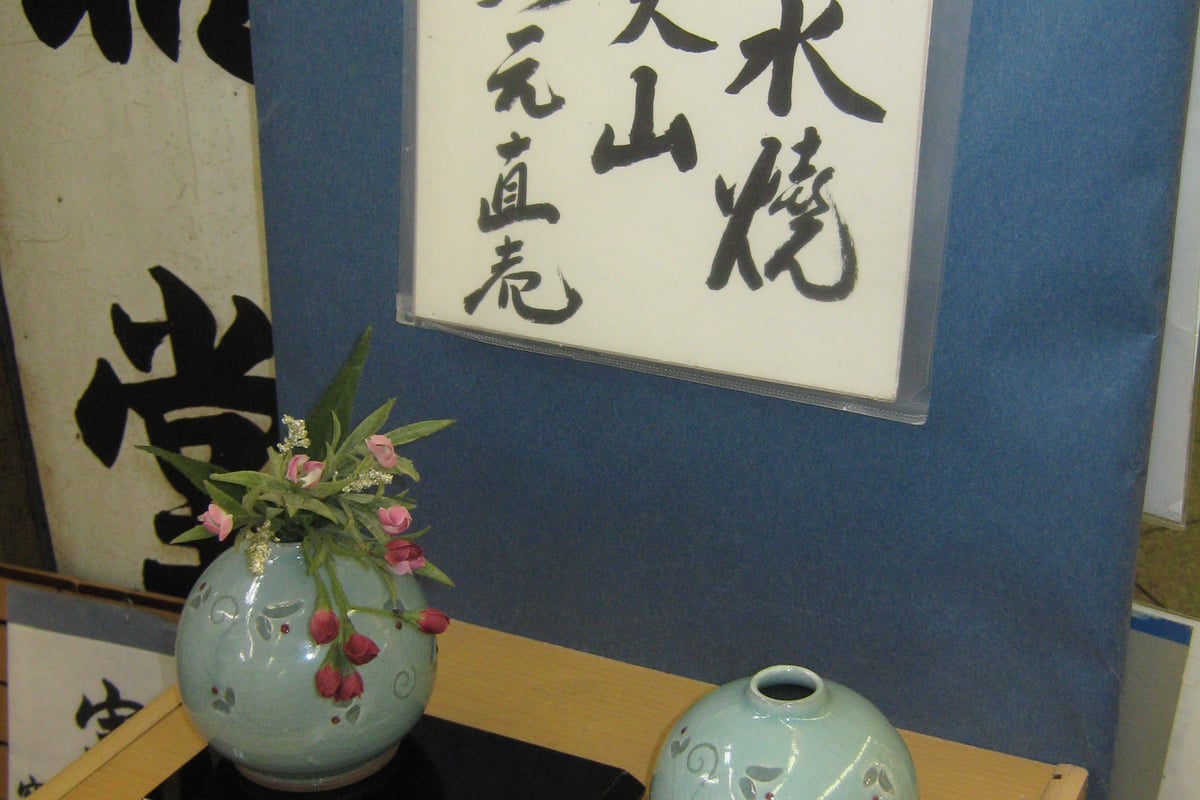
Kyo-yaki / Kiyomizu-yaki is a general term for the porcelain and pottery representative of Kyoto, and its greatest characteristic is that it is not bound to any single style, with each maker expressing their own individuality. The first pottery in Kyoto is said to have been fired around the Kan'ei era (1624-1645) at Awataguchi in Higashiyama, known as "Awataguchi-yaki." When the tea ceremony flourished during the Momoyama period, various tea utensils and vessels, including Raku ware, began to be made throughout the city. In the Edo period, master craftsmen such as Nonomura Ninsei, Ogata Kenzan, Okuda Eisen, and Aoki Mokubei appeared one after another, firmly establishing the status of Kyo-yaki. The name comes from the kilns of the Gojozaka and Kiyomizu districts along the approach to Kiyomizu-dera Temple. Unlike other pottery-producing regions, there are no strict rules governing clay, technique, or painting style, and each potter's individuality is respected. Today, the main production areas are Gojozaka and Chawanzaka in Higashiyama Ward, the Kiyomizu-yaki Danchi in Yamashina Ward, and Sumiyama in Uji City.
Koishiwara ware
Koishiwara-yaki
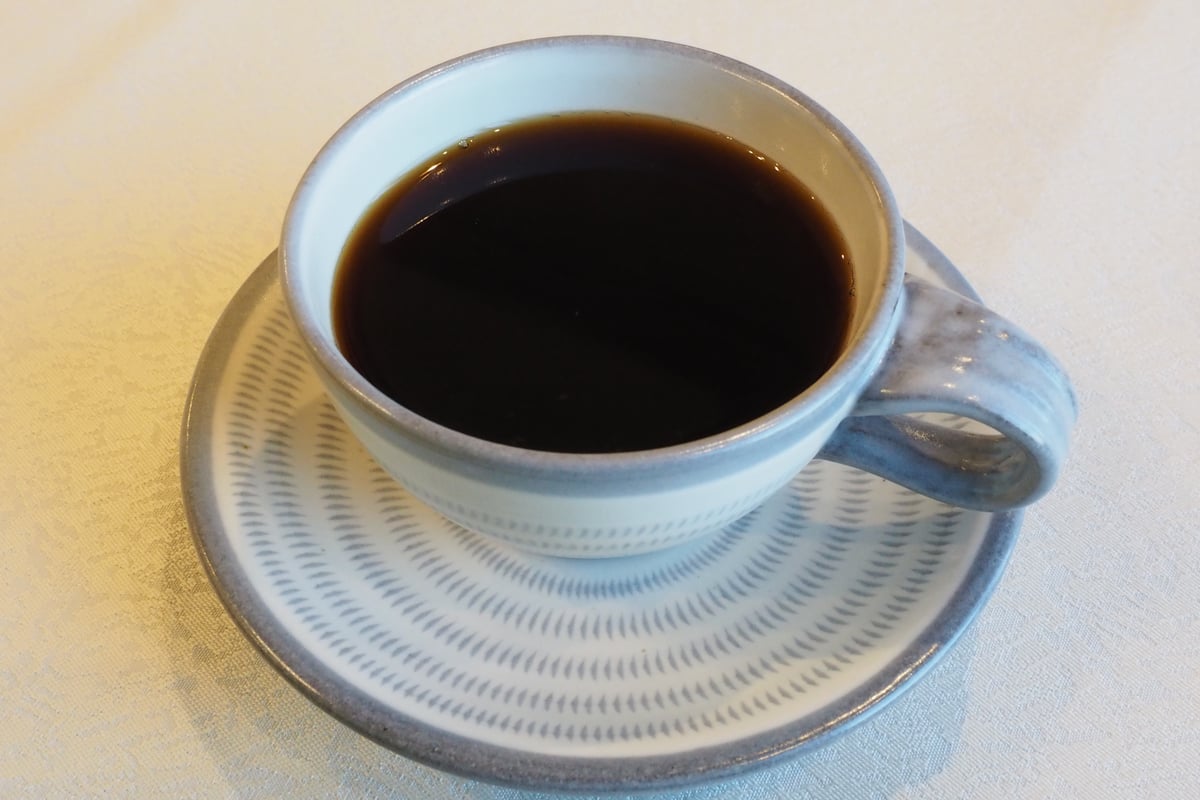
Koishiwara ware is pottery fired throughout the Koishiwara district of Toho Village, Asakura District, Fukuoka Prefecture, and is a Traditional Craft Designated by the Minister of Economy, Trade and Industry. It is said to have originated in 1682, when Kuroda Mitsuyuki, the third lord of the Chikuzen-Fukuoka domain, invited potters to open kilns in the area, modeling the venture on Imari, which was then flourishing as a center of ceramics production. Porcelain was also fired when the kilns first opened, but production gradually shifted toward everyday pottery, and the techniques have been passed down for about 340 years. Its most distinctive features are geometric patterns born from the movement of tools and hands — such as 'tobi-kanna' (flying-plane carving), in which a blade is pressed against the clay as it spins on the wheel to create rhythmic, chattered grooves, and 'hakeme,' in which patterns are brushed on with a stiff brush. Prized within the Mingei (folk-craft) movement as everyday tableware embodying the 'beauty of function,' it became the first pottery in Japan to be designated a national Traditional Craft, in 1975. Today around 50 kiln workshops remain active in the area, and the region's largest pottery market, the 'Minto Mura Matsuri,' is held each spring and autumn.
Shitoro-yaki
Shitoro Yaki (Shitoro Ware)
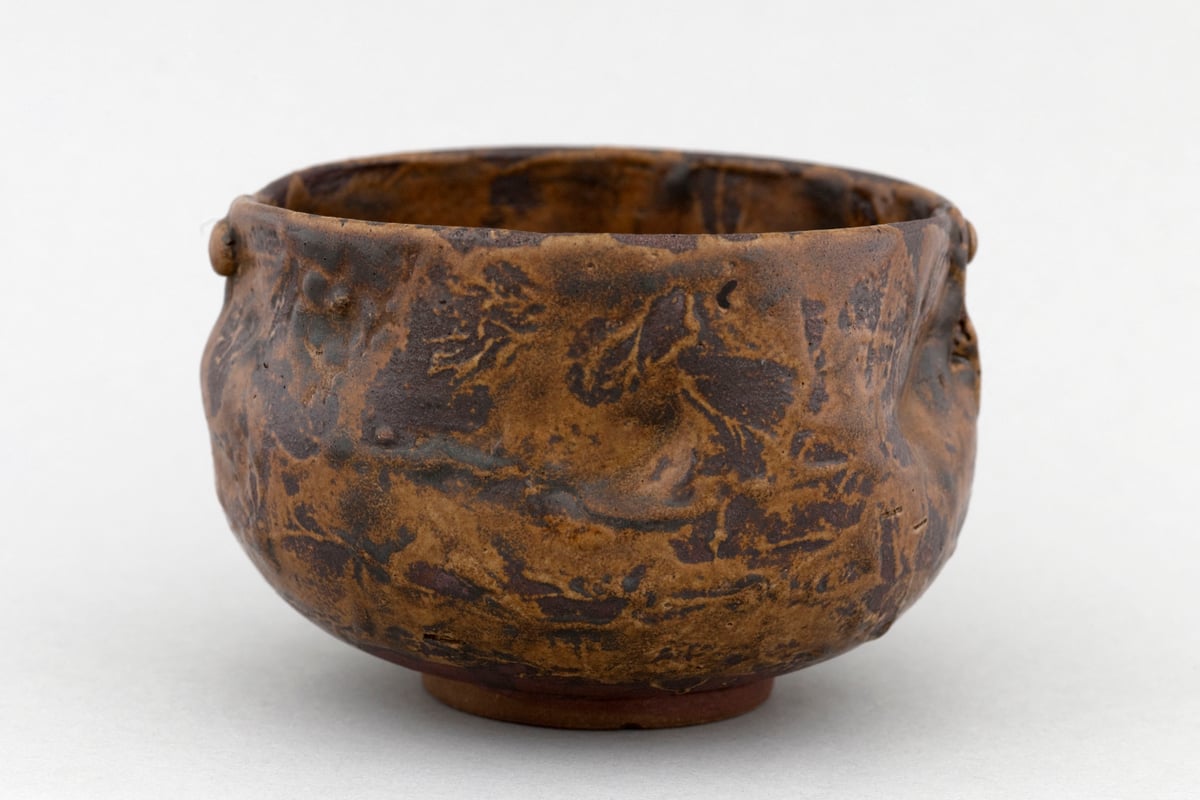
Shitoro-yaki is pottery that has been fired for generations in the Kanaya district of Shimada City, Shizuoka Prefecture. Its name comes from the fact that the area around Kanaya on the west bank of the Oi River was once called '志戸呂郷' (the Shitoro district). Based on excavations of kiln sites, its origins are thought to date back to the late Muromachi period. It is said to have begun when potters who had moved from Seto and Mino built kilns here. It later received the patronage of Tokugawa Ieyasu, and it is also said that Ieyasu granted it a shuinjo (vermilion-seal document). In the Edo period it was counted among Enshu's Seven Kilns (Enshu Nanagama), favored by the tea master Kobori Enshu, and became known throughout Japan as a production center of tea ceramics. The local iron-rich clay fires hard and dense, and is said to suit tea jars, which must be kept away from moisture. Its charm lies in the simple, subdued tones of brown and black iron glazes. Today there are kilns in areas such as 横岡 in Kanaya, making mainly tea utensils for matcha and sencha. It is designated a Shizuoka Prefecture Designated Local Traditional Craft.
Zeze-yaki (Zeze Ware)
Zeze-yaki
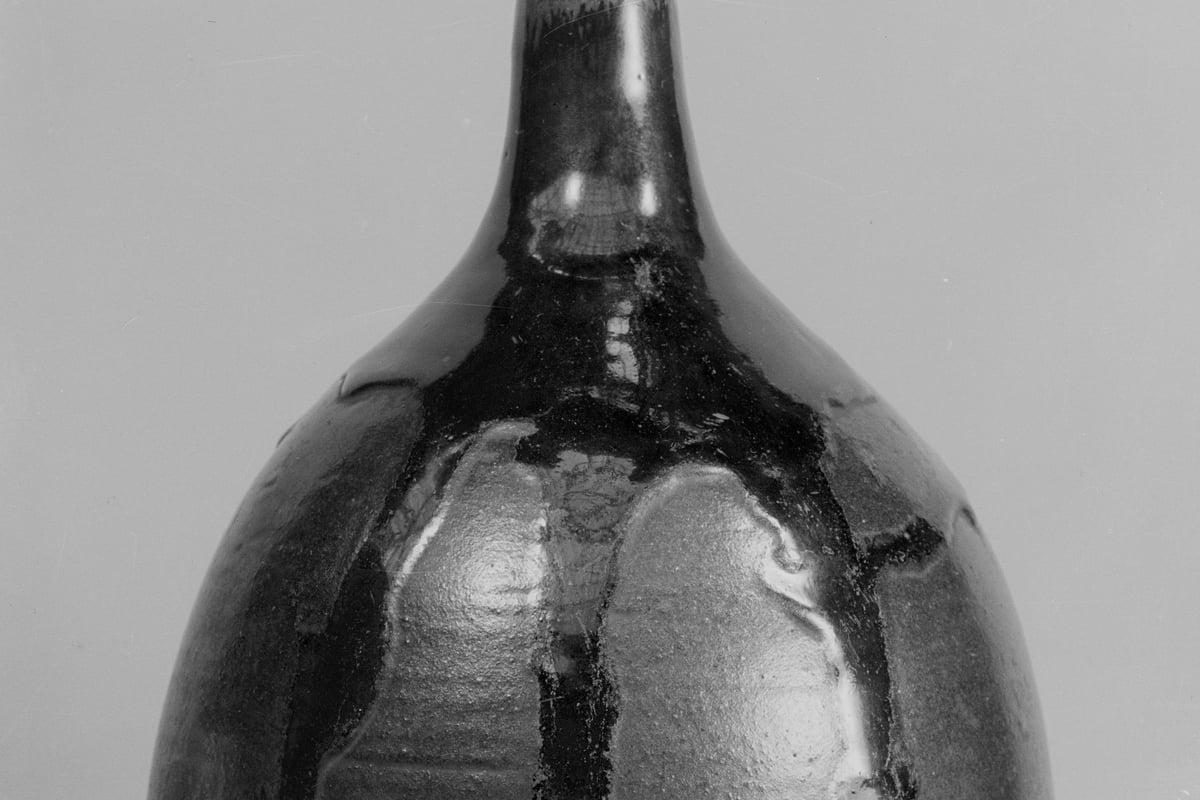
Zeze-yaki is stoneware fired in the Zeze district of Otsu City, Shiga Prefecture. It is said to have begun in the early Edo period as the official kiln of Zeze Domain, under the guidance of Kobori Enshu, the renowned tea master. Reflecting Enshu's refined tastes, it is counted among the 'Enshu Nanagama,' the seven representative kilns said to have been favored by Enshu, and became known for tea utensils such as tea caddies and water jars glazed in a dark, blackish tone overlaid with white clay. Its history as an official domain kiln was relatively short-lived due to a change of feudal lord, but in 1919 the local businessman Kenzo Iwasaki, working together with the painter Shunkyo Yamamoto, revived the kiln, and the techniques have been carried on to this day as 'Shinsei Zeze-yaki' (revived Zeze-yaki). Today, visitors can encounter its works and history at places such as the Zeze-yaki Museum in Otsu City.
Hirashimizu-yaki (Hirashimizu ware)
Hirashimizu-yaki
Hirashimizu-yaki is pottery and porcelain fired in the village of Hirashimizu, on the southern foot of Mt. Chitose in the southeast of Yamagata City. Because its raw material is pottery stone rich in iron taken from Mt. Chitose, it is also known as 'Chitose-yaki.' Its founder is said to be the potter Ono Tojihei, who came from Hitachi Province during the Bunka era (1804-1818) of the late Edo period. In the following Bunsei era, a potter from the Soma domain opened a kiln here and brought the techniques of Soma-yaki, helping the area grow into a major pottery-producing community. At its peak in the mid-Meiji era, more than 30 kilns lined the village, but today only a handful remain, including Seiryu-gama and Shichiemon-gama. It is a rare production area where clay suitable for both pottery and porcelain can be found, and each kiln has its own distinctive glazes and techniques. Distinctive pieces are produced here, including 'Nashi-seiji,' with its blue-white speckles created by iron sulfide in the raw clay of Mt. Chitose, and 'Zansetsu,' featuring black speckles floating on a pure white glaze.
Obata Ningyo (Obata Clay Dolls)
Obata Ningyo
Obata Ningyo are traditional clay dolls handed down in Gokasho-Obata, Higashiomi City, Shiga Prefecture, designated a Shiga Prefecture Traditional Craft in 1994. According to tradition, during the Kyoho era (1716-1736), a man named Yasube, who ran a courier business to Kyoto, learned the techniques of Kyoto's popular Fushimi dolls and brought them back home, marking the craft's beginning. In workshops along the old Nakasendo highway, the traditional method of shaping figures with wooden and clay molds is still practiced today, with vivid coloring centered on pink and ultramarine applied over the dolls' rustic clay texture. Over the centuries, hundreds of molds are said to have accumulated, producing a wide variety of seasonal and auspicious items, from festival dolls to zodiac-themed clay bells. While beloved as a folk toy woven into the townscape long associated with Omi merchants, the craft now has only a single successor, Gengo Hosoi, the ninth generation counting from the founder Yasube, and the community continues efforts toward preserving and passing on the tradition.
Shizuhata-yaki
Shizuhata Yaki (Shizuhata Pottery)
Shizuhata-yaki is pottery fired in Aoi Ward, Shizuoka City. According to tradition, it began in the early Edo period when 太田七郎右衛門, a retainer of the Tokugawa family, was granted shuin-chi (land granted by vermilion-seal certificate) at the foot of Mt. Shizuhata (Shizuhatayama) and the title 'Shizuhata-yaki' by Tokugawa Ieyasu, who was then residing at the castle in Sunpu. It is said to have flourished thereafter as an official kiln (purveyor kiln) of the Tokugawa family. However, toward the end of the Bunsei era, a great flood of the Abe River washed away the kiln site, and the ware died out for a time. A movement to revive it arose in the Meiji era, and it was brought back to life by 青島庄助, a potter invited by Shizuoka Prefecture. Later, the second generation of the 青島 family introduced the techniques of Tokoname-yaki, and the third generation adopted nanban-style firing and the underglaze copper red (yuriko) technique, developing it into a distinctive pottery of its own. It is well known for Onifuku, a good-luck piece shaped like an ogre-faced roof tile (onigawara) on the outside and a 'fuku' (good fortune) face on the inside. Today the fifth generation of the 青島 family continues making pottery at 秋果陶房, and Shizuhata-yaki is a Shizuoka Prefecture Designated Local Traditional Craft.
Tsutsumi ware
Tsutsumi-yaki
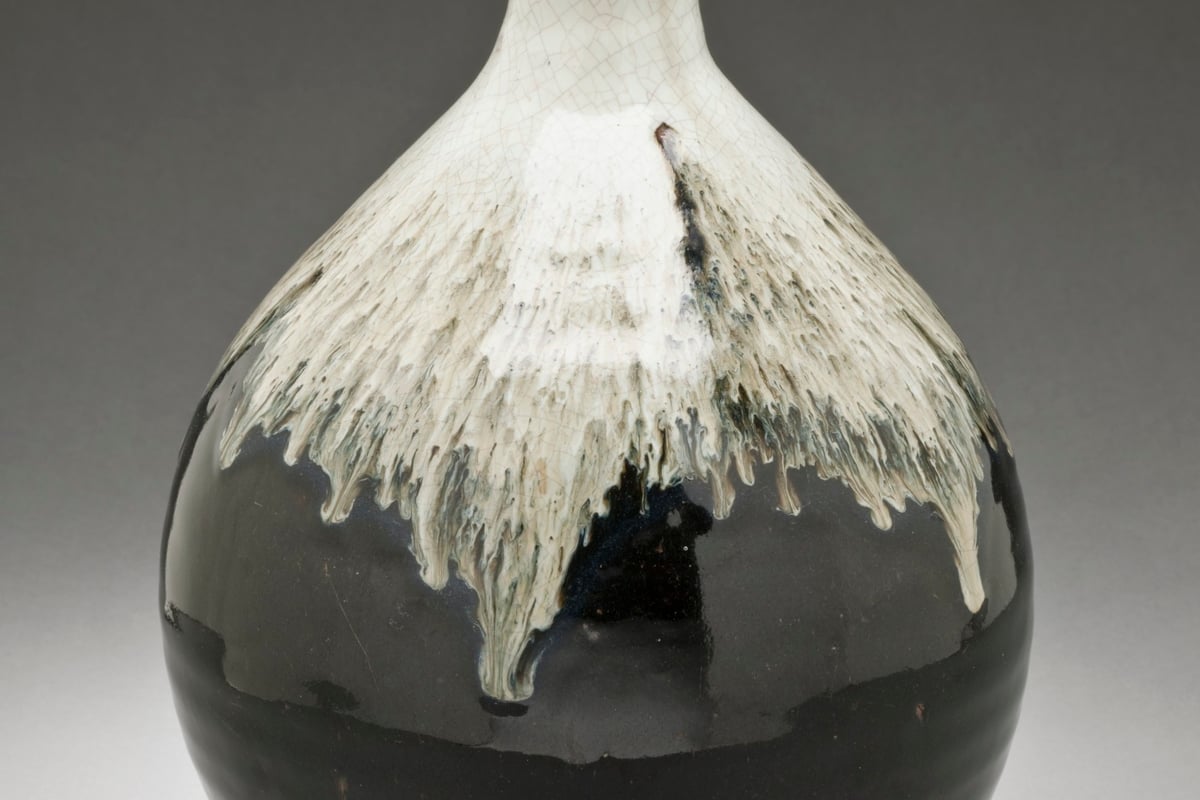
Tsutsumi ware is pottery produced in the former Tsutsumi-machi area of Sendai City (around present-day Tsutsumi-machi, Aoba Ward, Sendai), said to have begun in the Genroku era of the Edo period (1688-1704) when Date Tsunamura, the fourth lord of the Sendai Domain, invited potters from Kyoto to build a kiln there. It started as an official kiln producing tea utensils for the domain lord, later coming to mass-produce everyday vessels for common use, such as jars, urns, and spouted bowls. During the Edo period it was also known as a production center for unglazed clay dolls called 'Tsutsumi ningyo,' and together with Kyoto's Fushimi dolls it was celebrated in the phrase 'Fushimi in the west, Tsutsumi in the east.' Its defining feature is the bold application of black and white 'Namako-yu glaze,' made from local red clay combined with rock from around Sagi-ga-mori and ash from rice husks, producing a rustic, powerful texture. In the early Showa era it was also highly praised by Yanagi Sōetsu of the Mingei (folk craft) movement as a leading folk kiln of the Tohoku region. At its peak nearly thirty kilns operated, but today only 'Tsutsumi-yaki Kanbagama' continues to preserve the tradition. It is a Traditional Craft designated by the Governor of Miyagi Prefecture.
Kirigome ware
Kirigome-yaki
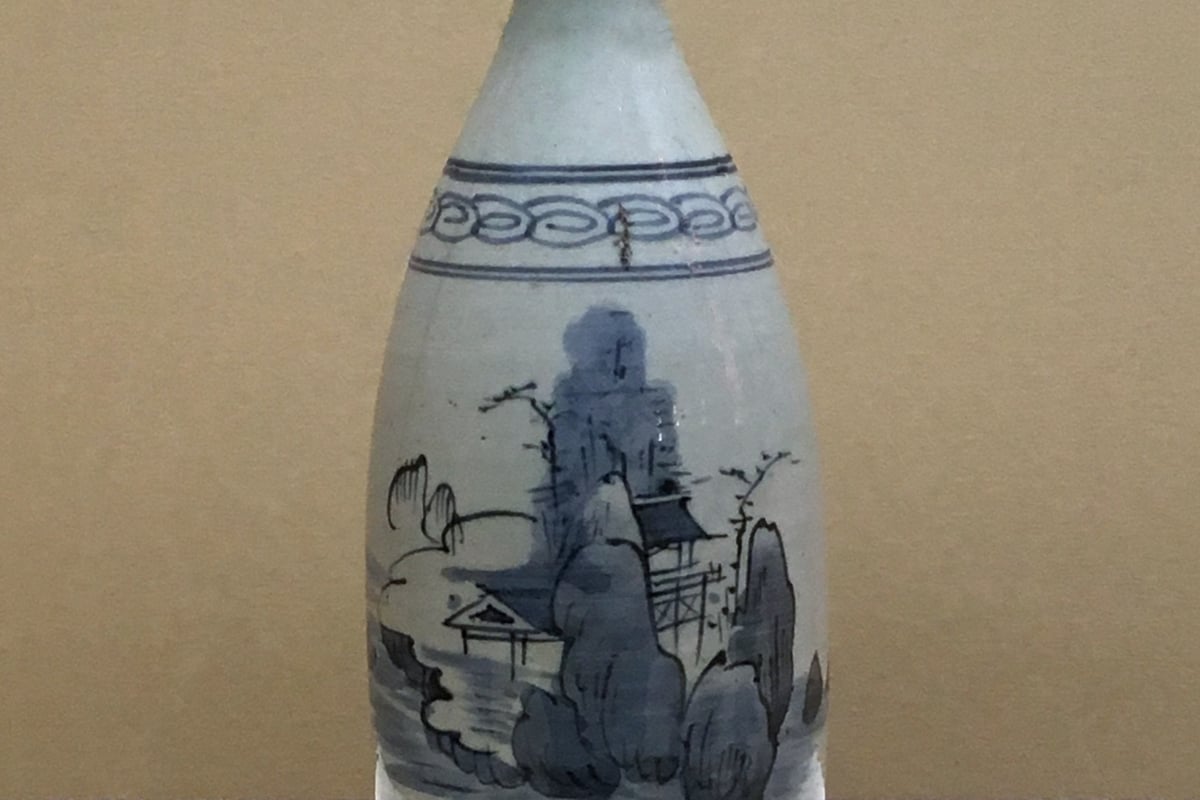
Kirigome ware is pottery and porcelain produced in the Kirigome district of Kami Town (formerly Miyazaki Town), Kami District, Miyagi Prefecture, made from the late Edo period until the early Meiji era. While it served as an official kiln of the Sendai Domain producing fine blue-and-white porcelain, it is also said to have produced large quantities of everyday wares for common use. Blue-and-white ware, with floral and plant motifs painted in indigo cobalt pigment on a white ground, formed the core of production; although the ground is not as pure white as Arita ware, its rustic, warm texture is its charm. Solid historical records are scarce and the details of its founding remain shrouded in mystery, but surviving blue-and-white pieces bear the date of 1835 (Tenpo 6), and it is said to have reached its peak during the Koka and Ansei eras of the late Edo period (around 1844-1860). The kilns closed once in the early Meiji 10s, and an attempted revival in the Taisho era did not take hold, but a full-scale revival was achieved in 1990 (Heisei 2) as part of a town revitalization effort. Today, 'Miura Toubou' is the sole kiln carrying on the tradition, and the Kami Town Furusato Togeikan (Kirigome Ware Memorial Museum) introduces its history and works. It was designated a Traditional Craft designated by the Governor of Miyagi Prefecture in 1984 (Showa 59).
Naraoka ware (Naraoka-yaki)
Naraoka-yaki
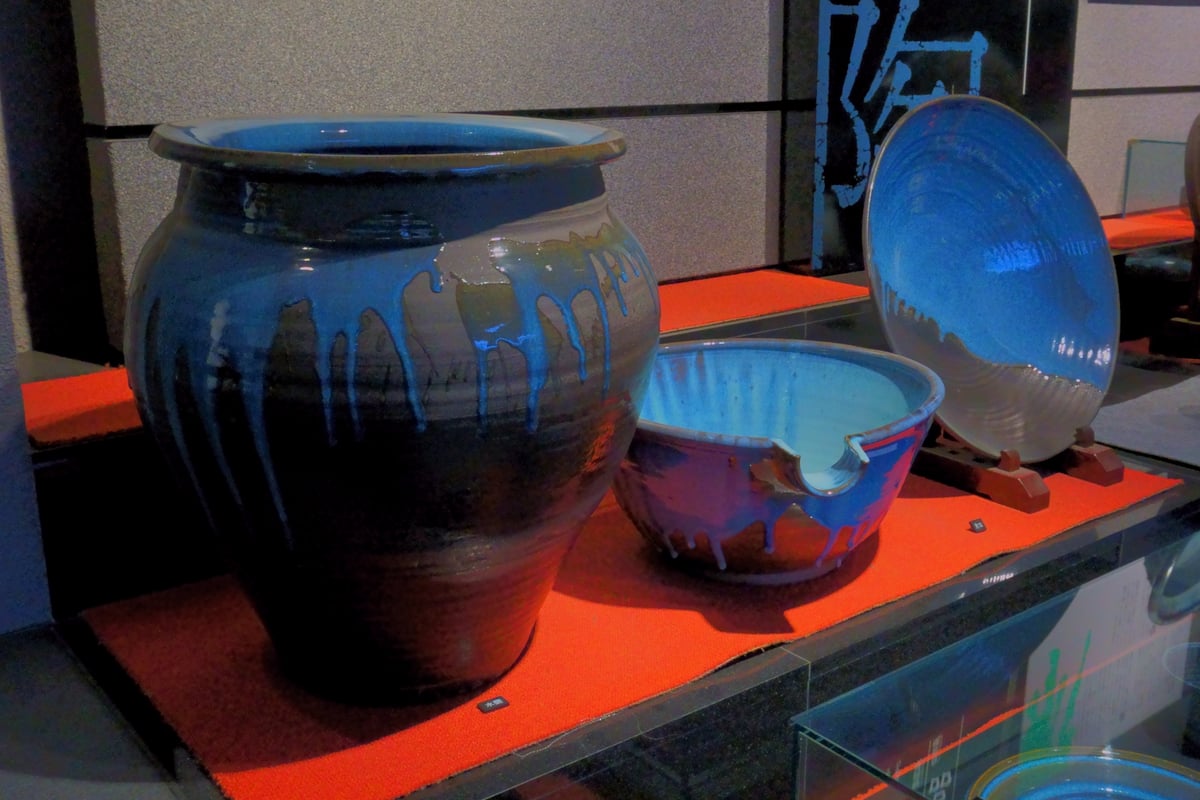
Naraoka ware is pottery fired in the Naraoka district of Nangai, Daisen City, Akita Prefecture, and is said to have the longest history of any pottery within the prefecture. It began in 1863 (Bunkyu 3), when Komatsu Seiji, a member of a local old family, invited a potter and built a kiln; in its early years the kiln mainly produced olive-colored tea utensils and the like, but from the mid-Meiji era onward, robust pieces using the bluish 'namako glaze (a bluish-grey glaze)' became the mainstream. Today, production continues in the Takano area of Nangai, to which the kiln relocated in 1908 (Meiji 41), using local clay and glaze and firing with wood in a climbing kiln. The Naraoka Togen kiln has kept the kiln running for five generations, and is also known for having received guidance from the potters Kato Tokuro and Shoji Hamada in the early Showa era to refine its techniques. The deep ultramarine of its ware was even used as inspiration for the interior design of the Green Car (first-class car) of the Akita Shinkansen's E6 series.
Ohi Ware
Ohi-yaki
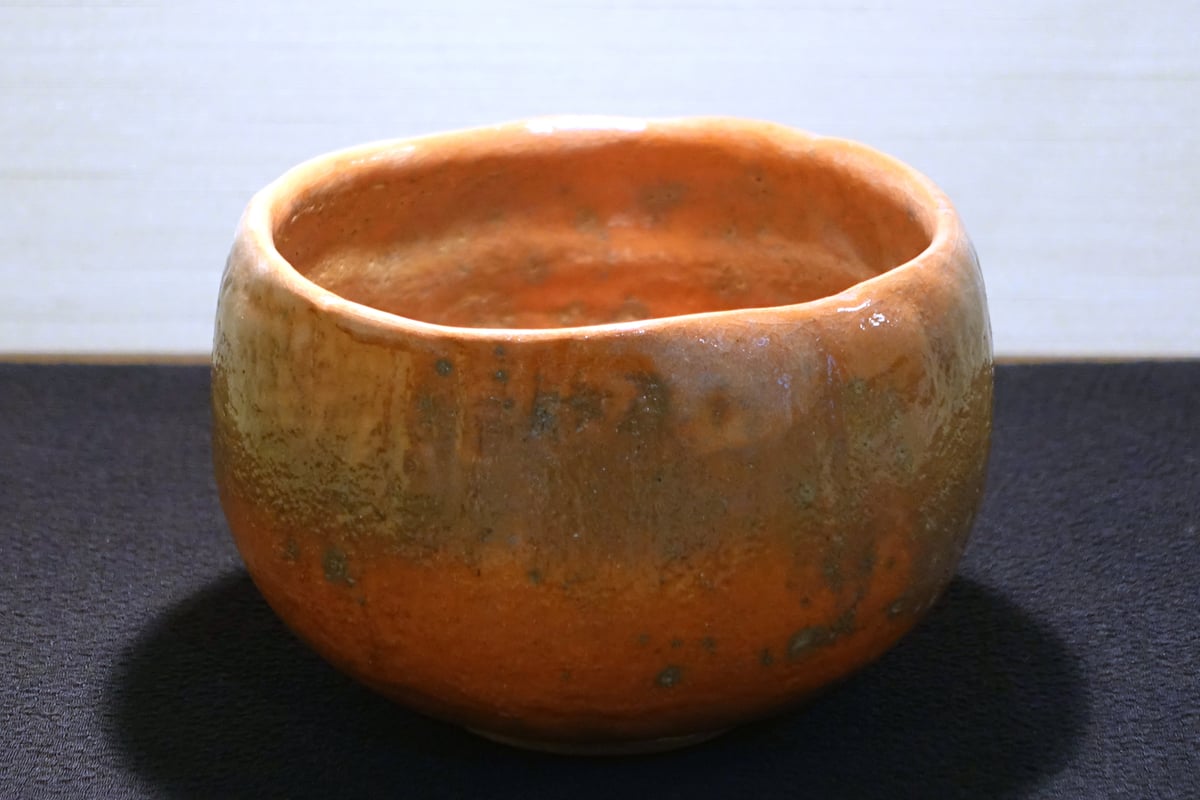
Ohi ware is a ceramic tradition that has continued in Kanazawa for over 350 years as a branch kiln of Kyoto's raku ware. It began in 1666 (Kanbun 6), when Maeda Tsunanori, fifth lord of the Kaga domain, invited Sensō Sōshitsu, fourth-generation head of the Urasenke school of tea, from Kyoto to serve as tea-implement magistrate; the potter Haji Chozaemon, a senior disciple of Ichinyū, fourth-generation head of the Raku family and Sensō's teacher, accompanied him. Even after Sensō returned to Kyoto, Chozaemon remained in Kanazawa, and, discovering fine clay in Kahoku District's Ohi village (present-day Ohi-machi, Kanazawa), began calling his ware Ohi-yaki after the place name. Since the Raku family held an exclusive monopoly on black and red raku glazes, the Ohi family developed its own amber glaze, giving rise to warm, amber-colored tea bowls suited to the snow country — its most distinctive feature. The hand-forming technique, shaping vessels by hand and spatula without a potter's wheel, also carries on the raku tradition, and having flourished as the official kiln of the Maeda family, it continues today as a tea ceramic representative of Kanazawa.
Shiraiwa ware (Shiraiwa-yaki)
Shiraiwa-yaki
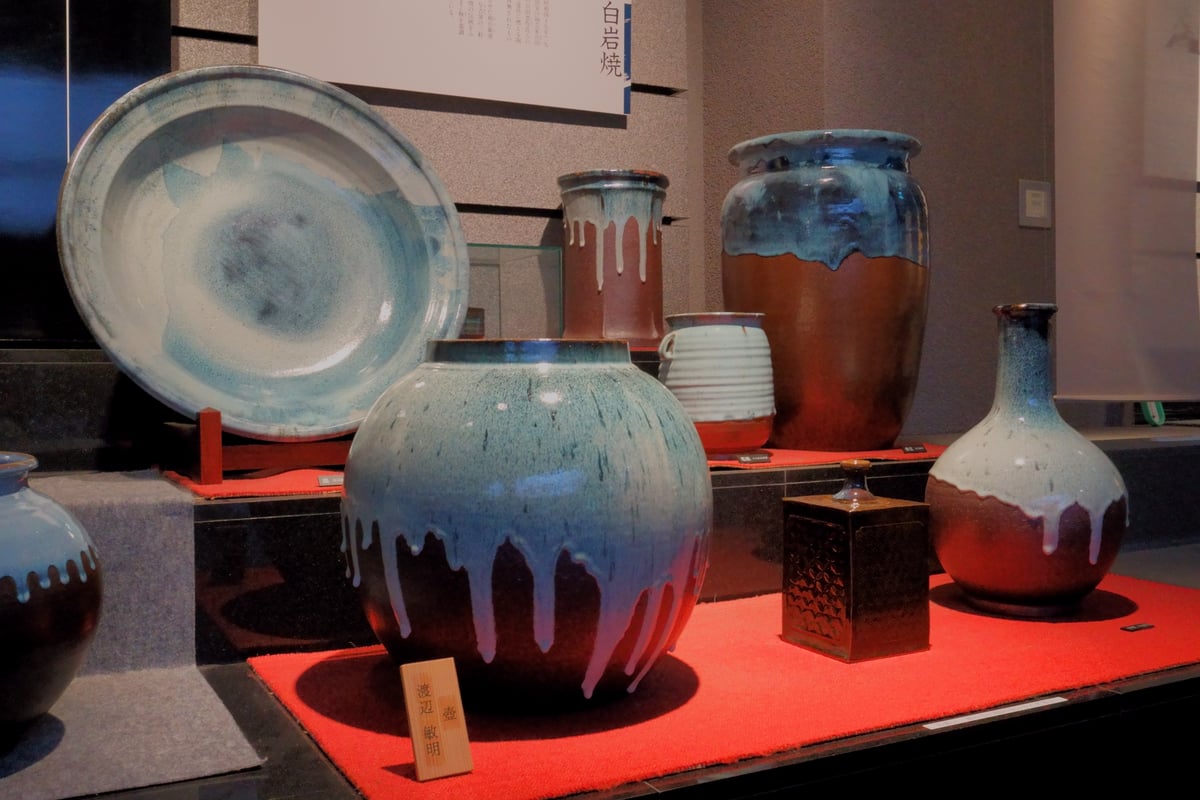
Shiraiwa ware is pottery fired in the Shiraiwa district of Kakunodate, Semboku City, and is said to have the oldest history of any pottery in Akita Prefecture. It began in 1771 (Meiwa 8), when Matsumoto Unshichi, a potter from Soma in Mutsu Province (present-day Fukushima Prefecture), opened a kiln with the support of samurai from Kakunodate; several kilns were subsequently opened, and at its peak more than 40,000 pieces of everyday earthenware were produced annually. However, after the Meiji Restoration the kilns lost the protection of the domain, and combined with the influx of porcelain and kiln damage from an earthquake, its 130-year history came to a temporary end in 1900 (Meiji 33). In 1974 (Showa 49), a meeting with the potter Shoji Hamada sparked momentum for revival, and the following year, in 1975 (Showa 50), local volunteers opened the 'Waheegama' kiln and revived the technique. Its defining feature is the contrast between the reddish local clay color and the bluish namako glaze, and today Waheegama continues to carry on the tradition.
Matsushiro Ware
Matsushiro-yaki (Matsushiro Ware)
Matsushiro Ware is pottery that has been fired mainly in the Matsushiro area of Nagano City, Nagano Prefecture. It flourished in the late Edo period with the encouragement of the Matsushiro Domain, ruled by the Sanada clan, and practical vessels indispensable to daily life, such as water jars, kneading bowls and sake bottles (tokkuri), were made. Its distinctive feature is a blue-green glaze that flows over a dark brown body made from local iron-rich clay, creating patterns that differ from piece to piece. This blue-green comes not from pigments but from glazes blended from white clay, copper and other materials obtained locally. From the Meiji period onward it declined, overwhelmed by inexpensive pottery brought in by rail, and it had died out by the beginning of the Showa period. Later, in the mid-Showa period, potters carried out repeated research based on old potsherds and documents and revived the techniques. In 2014 it became a Traditional Craft Designated by the Governor of Nagano Prefecture. Today, at places such as 松代陶苑 (Matsushiro Toen) in Matsushiro Town, visitors can experience making Matsushiro Ware through pottery workshops.
Mumyoi-yaki (Sado red-clay pottery)
Mumyoi-yaki
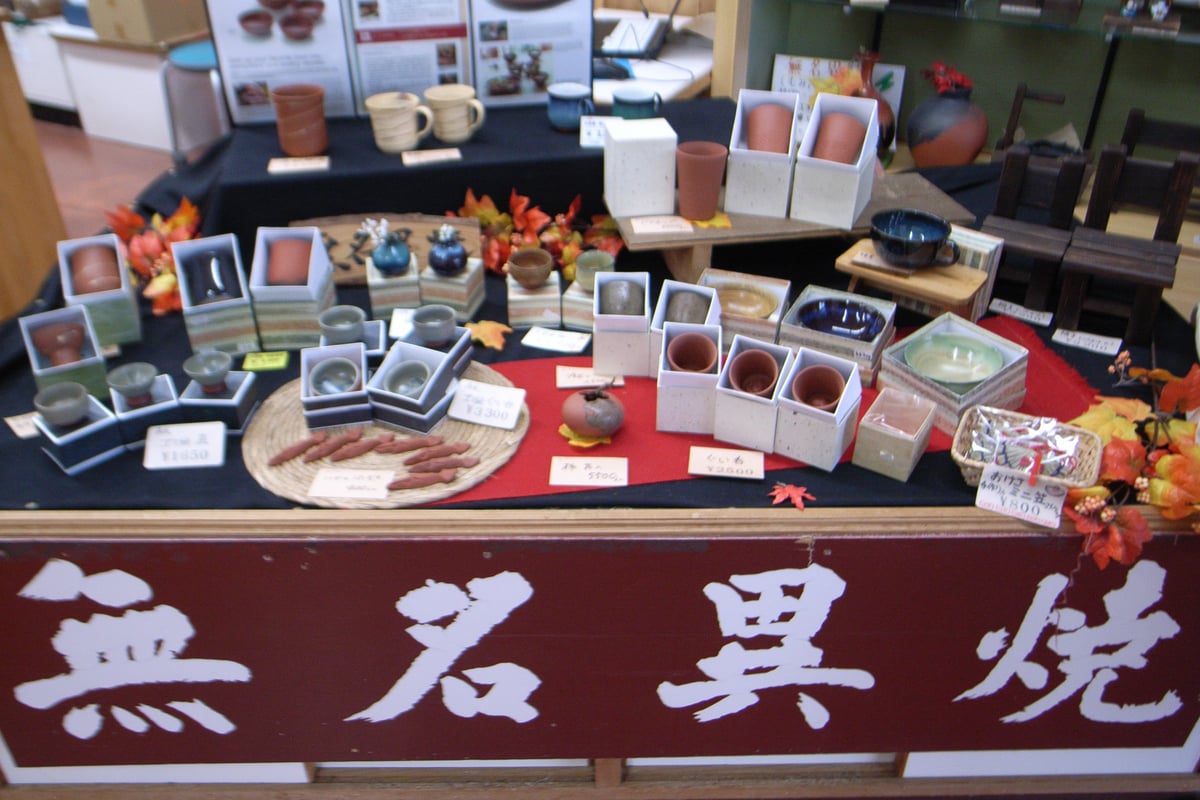
Mumyoi-yaki is pottery made mainly in the Aikawa district of Sado City, Niigata Prefecture. 'Mumyoi' refers to a red clay rich in iron oxide that is produced at the Sado Gold and Silver Mine, and in the past it was also used as a medicine, for example to stop bleeding. When this mumyoi is used in the clay body and fired hard at high temperatures, it shrinks by as much as about 30 percent between forming and drying, and the finished piece is extremely hard. It is characterized by the clear metallic sound it makes when tapped and by a luster that increases the more it is used. Its beginnings are traced to 1819 (Bunsei 2), when raku ware using mumyoi was fired, and the present technique of firing it hard at high temperatures was established in the Meiji era. In 2003 it was designated a national Important Intangible Cultural Property, and Ito Sekisui V was recognized as its holder (Living National Treasure). Further, in October 2024, it became a Traditional Craft Designated by the Minister of Economy, Trade and Industry under the name 'Sado Mumyoi-yaki.' Some kilns on the island offer pottery wheel experiences.
Nakayama Ningyo (Nakayama Dolls)
Nakayama Ningyo
Nakayama Ningyo are clay dolls made in the Nakayama district of Hiraka-machi, Yokote City, prized for their rounded, endearing shapes and vivid coloring. They are said to have originated in the mid-Meiji era, when Hiwatashi Yoshi, a local woman, began making clay figures inspired by anesama ningyo (traditional paper dolls) and oshie (padded fabric pictures) as a means of supporting herself after the death of her husband, giving the craft a history of about 150 years. At first the dolls were mainly seasonal figures for festivals, such as hina dolls and Kabuki characters, but later the craft came to include motifs distinctive to Akita, such as kamakura snow huts, Kanto pole lanterns, Bonden, and Akita dogs, as well as clay bells shaped like the animals of the zodiac. The 'zodiac clay bells' devised by third-generation maker Hiwatashi Giichi became known nationwide after the sheep design was adopted for a New Year's postage stamp in 1979 (Showa 54). Today, the Hiwatashi Doll Shop in Yokote City continues to carry on the tradition, and in January 2021 (Reiwa 3), Nakayama Ningyo was designated a Traditional Craft of Akita Prefecture.
Yumino Ningyo
Yumino Ningyo
Yumino Ningyo are clay folk dolls made in the Yumino area of Nishikawanobori, Takeo City, Saga Prefecture. Their origin is said to date to 1882, when Kamejiro Harada, who had trained under the Hakata-doll craftsman Kiyoshige Fujiwara, grew unsatisfied with the Hakata-doll style and set out on a training journey around Kyushu. While stopping at Mount Yoshida in Yumino, he encountered the dark grey clay found there, which sparked his creative drive and led him to start doll-making in the area. The dolls initially had a refined style close to Hakata dolls, but gradually evolved into rustic, approachable figures characterized by thick layers of gofun (a white shell-based pigment) giving them a plump, rounded form and vivid coloring. The basic process involves packing clay into plaster molds to shape the dolls, drying and firing them, building up facial features with repeated coats of gofun, and hand-painting each one. Auspicious motifs such as beckoning cats (maneki-neko) and the twelve zodiac animals are common, and the beckoning-cat coin bank is especially well known as a popular product. Today, Eguchi Ningyo-ten, founded more than 140 years ago, is nearly the sole keeper of this tradition.
Raku-yaki
Raku-yaki
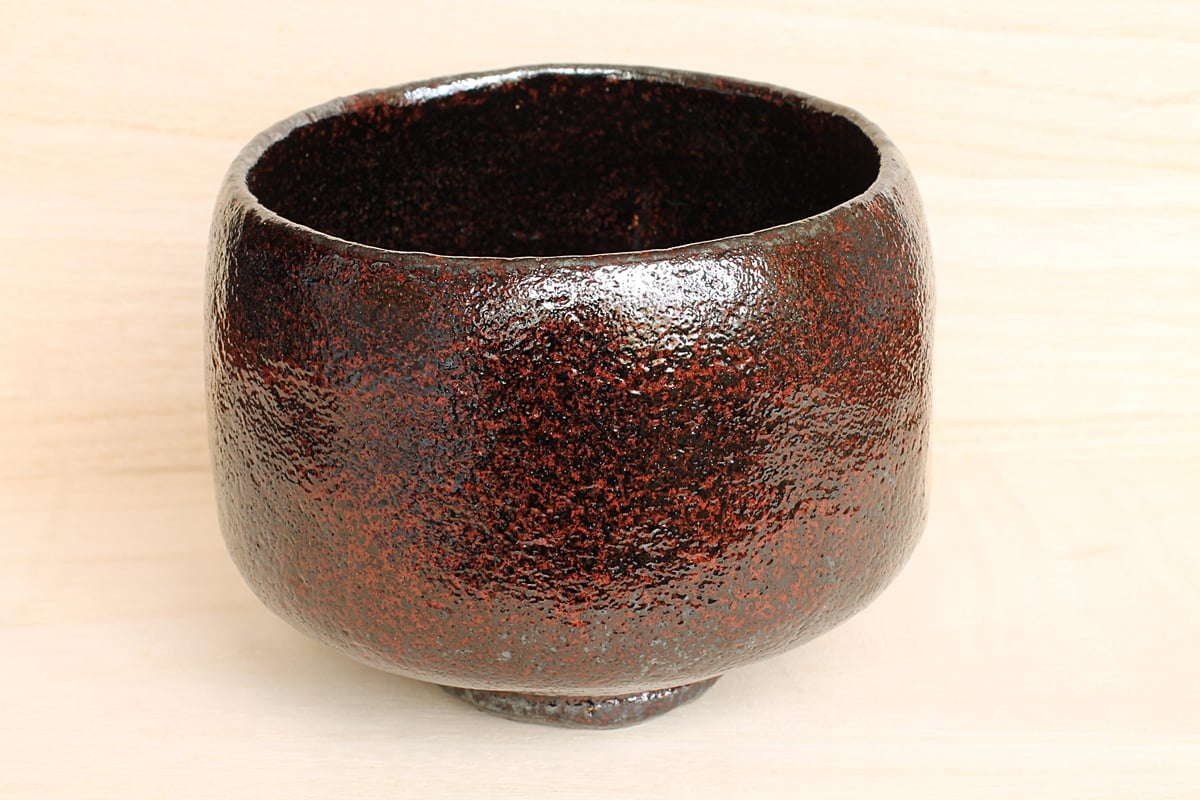
Raku-yaki is a ceramic art originating from the hand-formed tea bowls devised in the Momoyama period by Chojiro, the first-generation head of the Raku family, embodying the wabi-cha philosophy of Sen no Rikyu, and it has been passed down in Kyoto for over 450 years. Its characteristic technique is shaping each bowl one at a time by hand and spatula alone, without a potter's wheel, then firing it at a low temperature; the unadorned, generous forms and the soft texture that seems to cradle the palm have long been loved by tea practitioners. The technical roots are said to lie in Chinese sancai (three-color) ware of the Ming dynasty, believed to have been transmitted by Ameya, an immigrant craftsman said to be Chojiro's father. The Raku family has passed the craft down from father to a single chosen heir from the first-generation Chojiro to the current sixteenth generation, with each generation's head developing a distinctively individual style — a feature not seen in other ceramic traditions. Today, alongside the mainline Raku-yaki of the Raku family, several other kilns in Kyoto also produce aka-raku and kuro-raku tea bowls modeled on this tradition.
Akahada-yaki
Akahada-yaki
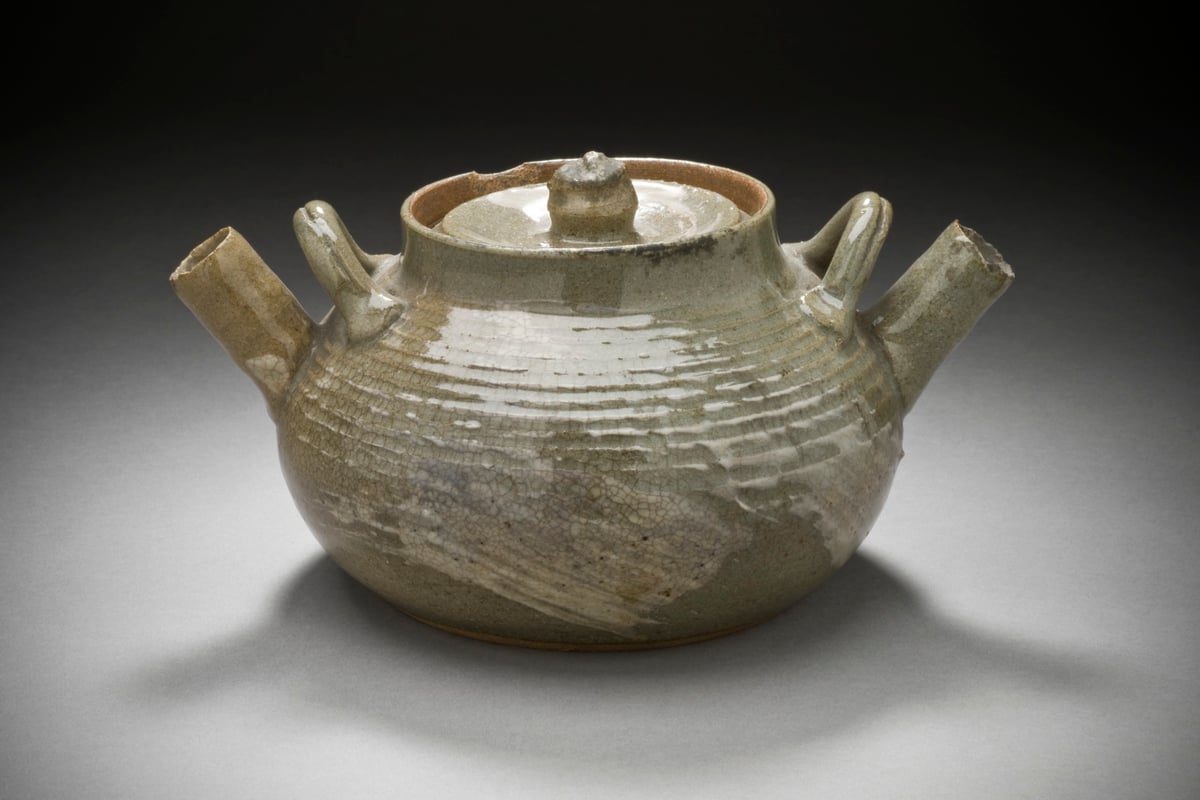
Akahada-yaki is a pottery ware fired in the area stretching from western Nara City to Yamatokoriyama City, known for its soft, milky-white-tinged glaze and for 'Nara-e,' a decorative style depicting figures reminiscent of Gosho dolls. Tradition holds that during the Momoyama period, Toyotomi Hidenaga—lord of Yamatokoriyama Castle and younger brother of Toyotomi Hideyoshi—invited potters from Tokoname in Owari Province to open a kiln on Mt. Gojo (also called Mt. Akahada), though no reliable historical records or artifacts confirm this account. In the late Edo period, it became an official kiln under the patronage of the Yanagisawa family, lords of Koriyama Domain, and came to be counted among the 'Enshu Nanagama' (Seven Kilns favored by tea master Kobori Enshu). In the closing years of the Edo period, the master potter Okuda Mokuhaku revived Akahada-yaki through his exceptional skill, producing a wide range of works including Nara-e pieces, and is honored as the craft's great restorer. Today, several kilns spanning Yamatokoriyama City and Nara City each carry on the tradition with their own interpretations of glaze and decoration.
Bizen ware (Bizen-yaki)
Bizen-yaki
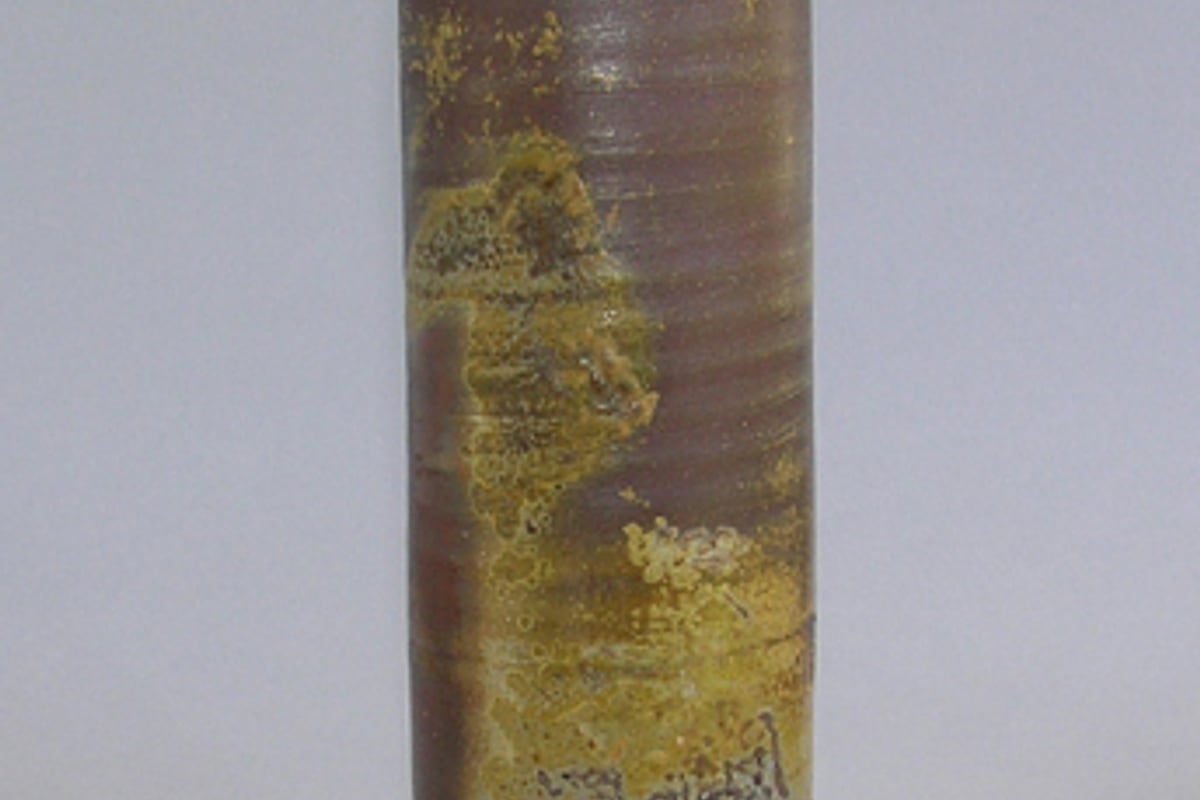
Bizen-yaki is an unglazed stoneware centered on the Ibe district of Bizen City, Okayama Prefecture, and is counted among Japan's Six Ancient Kilns alongside Seto, Tokoname, Tanba, Shigaraki, and Echizen. Also known as 'Ibe-yaki' after its production area, its defining feature is that it is fired at high temperature without any glaze whatsoever. The raw material is 'hiyose,' an iron-rich clay accumulated at the bottom of paddy fields stretching from Bizen and Ibe to Kagato; after prolonged firing, the way flames pass through the kiln and ash settles on each piece produces distinctive markings called 'yohen' (kiln transformations). Representative types of yohen include hidasuki (crimson cord marks left by wrapping straw around a piece before firing), sangiri (color changes that occur where pieces are buried in ash), and goma (sesame-like specks left where melted ash adheres to the surface), giving each piece the appeal of a one-of-a-kind work. Bizen-yaki developed as a center for everyday earthenware in the Kamakura period, and in the Momoyama period, amid the vogue for the tea ceremony, it was highly prized by tea masters in Sakai and Kyoto, producing many outstanding pieces of tea ceramics. In the modern era, potters led by Kaneshige Toyo further refined the techniques, and to this day many kilns still line the streets of Ibe.
Ecchu Seto Ware
Ecchu Seto-yaki
Ecchu Seto ware is pottery fired in the Seto and Kamisue districts of Tateyama, Nakaniikawa District, Toyama Prefecture - an old kiln unique to Toyama, distinct in both production area and lineage from the 'Seto ware' of Aichi Prefecture. This district has been a center of ancient kiln production firing sue ware since the early Heian period, and it is said that potters migrated here from Owari Seto (Aichi) between the Momoyama period and the Bunroku-Keicho era, founding Seto Village, from which the name Ecchu Seto ware derives. The second lord of the Kaga Domain invited potters from Owari to make tea utensils, and the kiln flourished as an official kiln of the Kaga Domain, known as one of the leading old kiln sites in the Hokuriku region with a history older than Kutani ware. In the Meiji and Taisho eras, the spread of the railway network brought competition from cheaper products of other regions, and many kilns switched to producing roof tiles, but in the Showa era, the pottery-making tradition was revived through the efforts of a local preservation society. The craft's hallmark is its bold, varied glazing achieved with a wide range of local clays - red, yellow, blue, and white - and glazes made from plant ash, and today kilns belonging to 'かなくれ会' (Kanakure-kai) continue a tradition of more than 430 years.
Kasama Ware
Kasama Ware
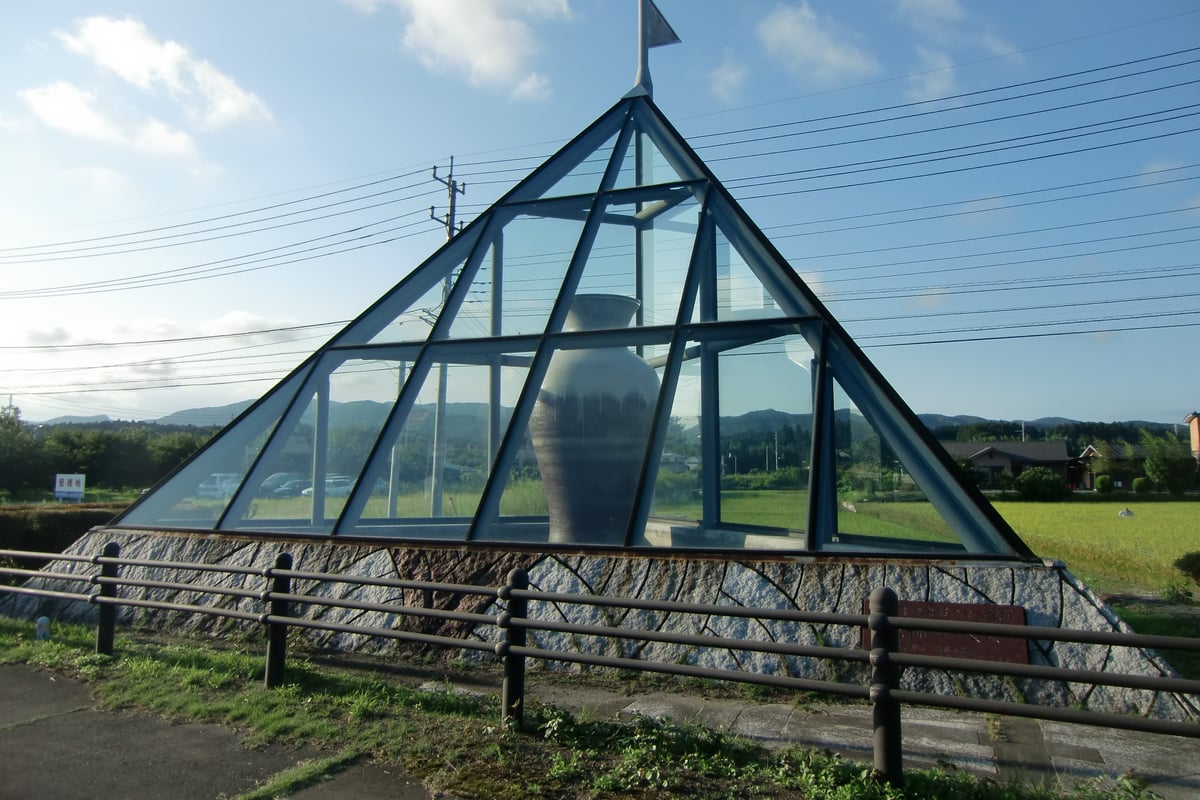
Kasama ware is pottery produced mainly in Kasama City, Ibaraki Prefecture. Its origins are said to date to the An'ei era (1772-1781) in the mid-Edo period, when Kuno Han'emon of Hakoda village (present-day Hakoda, Kasama City) built a kiln after receiving instruction from Choemon, a potter invited from Shigaraki in Omi Province. From the late Edo period through the Meiji era, taking advantage of its location near Edo, the area developed as a major production center for everyday earthenware such as water jars and sake bottles. Demand fell sharply after World War II with the spread of plastic products, but through joint efforts of government and industry the region shifted from everyday tableware to artistic pottery, and on October 8, 1992, it was designated a METI-designated Traditional Craft Product. Kasama ware is known for its exceptionally free range of styles - so much so that it is said 'having no fixed characteristics is its characteristic' - and today about 300 potters and kilns continue to produce individually distinctive works.
Kobushi-yaki
Kobushi-yaki
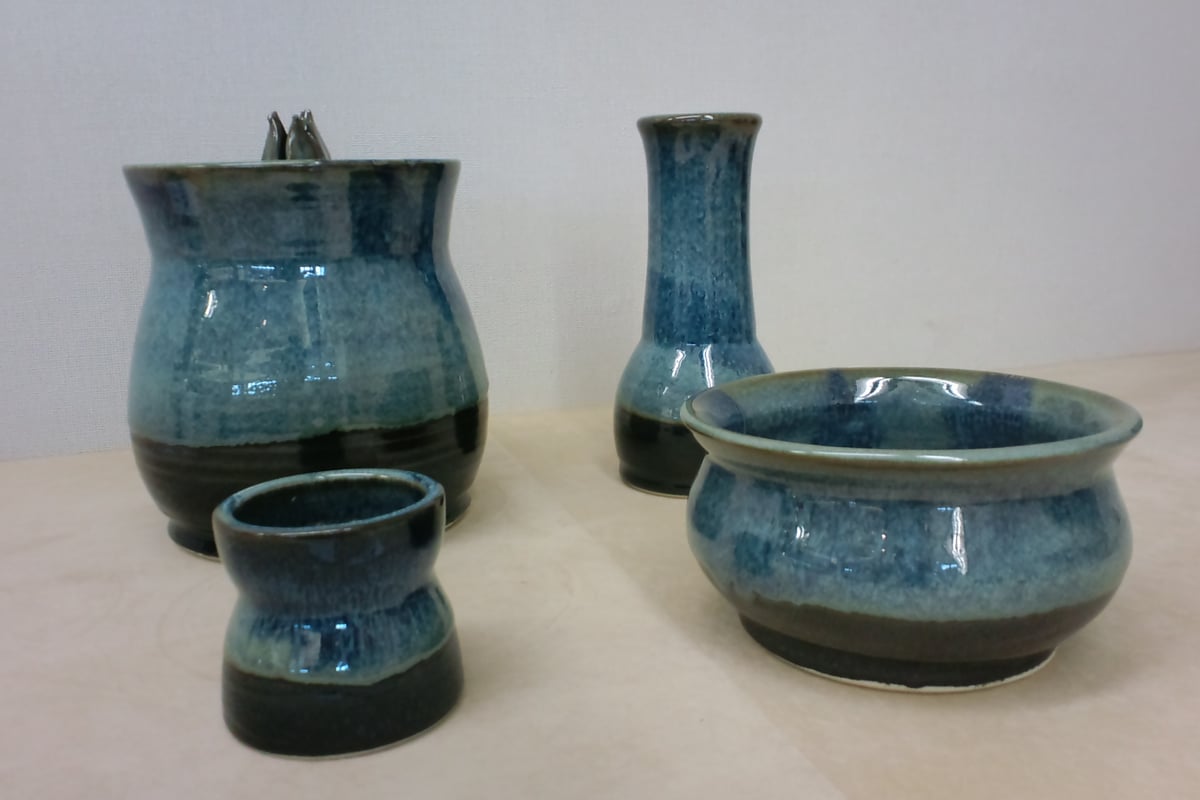
Kobushi-yaki is pottery fired at the 'Kobushi-gama' kiln in Iwamizawa, Hokkaido, known as the oldest mingama (kiln producing everyday-use wares) in Hokkaido. It began in 1946 (Showa 21) when the first-generation potter, a ceramics engineer known as Miaki, opened the kiln in Iwamizawa, his wife's hometown. The kiln was named 'Kobushi-gama' because the kobushi (magnolia) flowers were in bloom when the first firing took place. At the time the kiln opened, Hokkaido was considered barren ground for ceramics, and everything from clay preparation to glazes and firing had to be worked out through trial and error - a constraint that, in turn, nurtured a distinctive style. Among its wares, the indigo-based 'namako-yu' (sea-cucumber glaze) became especially well regarded for producing stable coloring from early in the kiln's history, and it remains the glaze most representative of Kobushi-yaki to this day. Following the second-generation potter, Yamaoka Kei, the kiln is now led by Yamaoka Chiaki, who is pursuing new efforts such as clay-making using raw materials sourced entirely within Hokkaido.
Kokuji-yaki
Kokuji-yaki
Kokuji-yaki is pottery fired in the Kokuji district of Kuji City, Iwate Prefecture. According to tradition, it began in 1813 when Kazo, a potter from Soma (in present-day Fukushima Prefecture), built a kiln in Mikkamachi with the help of a local resident named Jinroku; Jinroku's son, Kumagai Jin'emon, later studied under Kazo and inherited the technique, which has since been passed down through generations of the Kumagai family. Kokuji-yaki has been produced by a single kiln continuously since its founding, making it the northernmost kiln in Japan among those with roots predating the Edo period. It is known for everyday tableware made with local clay, featuring a rustic white glaze (nukashiro-yu) made from straw ash and an amber glaze made with iron sand, and it was highly praised by Yanagi Muneyoshi, the founder of the Mingei (folk craft) movement, during the Meiji era.
Kosunago-yaki
Kosunago-yaki
Kosunago-yaki is pottery fired in Kosunago, Nakagawa Town, Nasu District, Tochigi Prefecture. Tradition holds that it began around 1830 (Tenpo 1), in the late Edo period, when Tokugawa Nariaki, lord of the Mito Domain, discovered high-quality clay in the area and had it used as raw material for the domain's official pottery works. The area became established as a production center when the potter known as first-generation Hanpei (Saito Eizaburo), who had come from Etchu Toyama, was invited by the Fujita family, village headmen of Kosunago, from Shitori Village (present-day Nasukarasuyama City) to build a climbing kiln there. Its representative features are a golden-hued 'kinkessho' (gold crystal) glaze and a softly pink-tinted 'shinsha' (cinnabar) glaze; because the local Kosunago clay is rich in kaolin, it produces ware with a distinctive character combining qualities of both pottery and porcelain. Today, kilns in the area such as Fujita Seitosho and Ichikawa Gama continue to carry on the tradition, and in 2013 the Kosunago district became the first area in Tochigi Prefecture to join the 'Most Beautiful Villages in Japan' association.
Mashiko-yaki
Mashiko-yaki
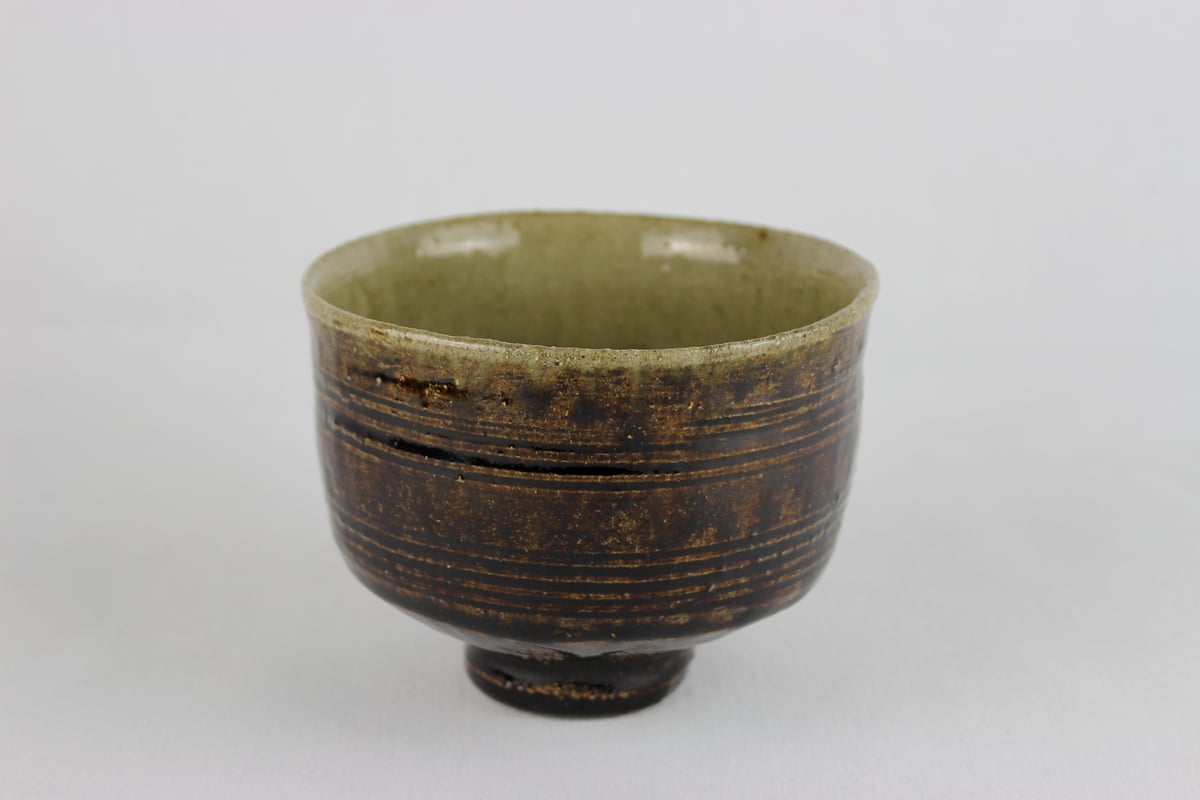
Mashiko-yaki is pottery produced in Mashiko, Haga District, Tochigi Prefecture, designated a Traditional Craft by the Minister of Economy, Trade and Industry on August 3, 1979. Its origins are said to trace back to around 1853, when Otsuka Keizaburo, who had trained in Kasama, opened a kiln in Mashiko; the area first developed as a production center for everyday earthenware such as jars, teapots, and mortars. In 1924, near the end of the Taisho era, the potter Hamada Shoji settled in Mashiko and made it a base for advancing the Mingei (Folk Craft) Movement together with Yanagi Muneyoshi and Kawai Kanjiro, while his deep friendship with the British potter Bernard Leach also helped spread the fame of Mashiko-yaki. Fired with thick applications of persimmon glaze and rice-husk-ash white glaze over coarse, iron-rich clay, the ware has a rustic, warm texture combined with a sense of weight. Another hallmark is its free style, unbound by any fixed convention and shaped by each maker's individuality, ranging from everyday tableware to works with strong artistic character. Today, many kilns are gathered in Mashiko, and the spring and autumn pottery markets together draw around 600,000 visitors.
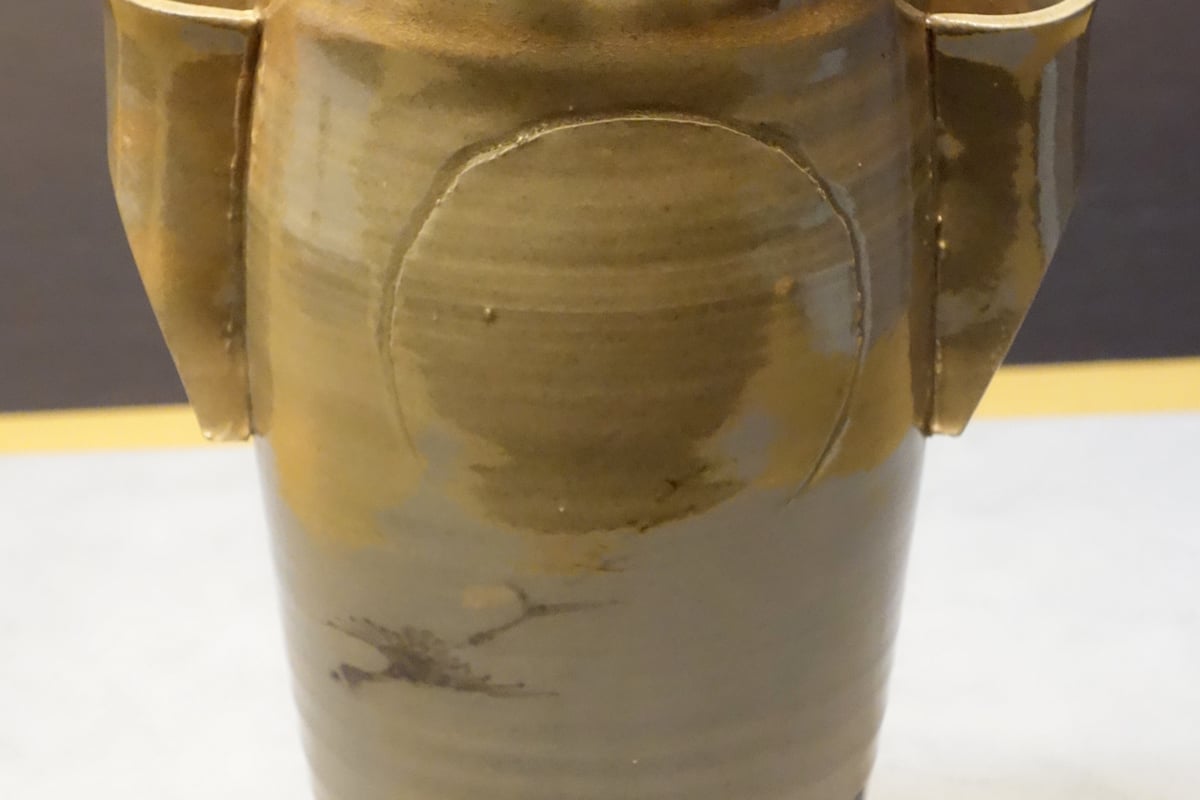
Mushiake ware (Mushiake-yaki)
Mushiake-yaki
Mushiake-yaki is a tea ceramic fired in Mushiake, Oku-cho, Setouchi City, said to originate from a private kiln (oniwa-gama) established in Mushiake in the mid-Edo period by the Igi clan, chief retainers of the Okayama domain. Whereas Bizen-yaki, another representative ware of the same prefecture, is characterized by its unglazed, fired-to-hardness technique, Mushiake-yaki is known for its thinly potted, refined glazed forms and elegant designs reminiscent of Kyoto styles, and the two have followed distinct lineages within the same prefecture. In 1847, in the late Edo period, Igi Tadazumi (also known by his art name Sanenzai) opened his own private kiln and invited leading potters of the day from Kyoto, such as Seifu Yohei, Raku Chozo, and Miyagawa Kozan, establishing a thin, elegant style reminiscent of the Awata style of Kyoto ceramics. Today, using a distinctive clay made from local mountain soil, artisans apply a clear glaze made from natural pine ash, along with iron and copper glazes, and fire the pieces without sharply separating oxidation and reduction, producing kiln transformations that add to their character. Designated a Local Traditional Craft of Okayama Prefecture in 1988, a small number of kilns continue to carry on the tradition today in the scenic seaside area of Mushiake facing the Seto Inland Sea.
Shitakawara-yaki Tsuchi-ningyo
Shitakawara-yaki Tsuchi-ningyo
Shitakawara-yaki Tsuchi-ningyo is a rustic clay doll that has been fired in the Shitakawara district of Hirosaki City. It is said to have originated in the Bunka era (1804-1814), when the ninth lord of the Tsugaru domain, Tsugaru Yasuchika, concerned that the Tsugaru region had few toys for children, had potters of the domain kiln in Shitakawara, including Takaya Kinzo and Ota Kumejiro, make them. Clay made by blending red clay with sand is shaped in plaster molds, fired at about 800 degrees, and then colored entirely by hand, so no two dolls have quite the same expression. Among the most representative pieces is the dove-shaped whistle, which produces a gentle "ho" sound, and hundreds of varieties of clay dolls have been made over the years, including zodiac figures. Since the Meiji era it has continued to be cherished as a folk toy of Hirosaki and has also been designated an Aomori Prefecture Traditional Craft. Today, the handful of kilns still remaining in Hirosaki City carry on techniques passed down for more than two hundred years.
Toyama Tsuchi Ningyo
Toyama Tsuchi Ningyo
Toyama Tsuchi Ningyo are unglazed clay dolls that date back to the era of the Toyama Domain and have been made mainly in Toyama City as a local folk toy. Tradition holds that during the Kaei era, Hirose Hidenobu, a potter from Nagoya, presented a clay doll to Maeda Toshiyasu, the tenth lord of the Toyama Domain, marking the craft's beginning; his son Yasujiro is said to have fired and presented a figure of Tenjin riding an ox, an event regarded as the origin of Toyama Tsuchi Ningyo. Clay is shaped in molds, fired unglazed at about 800 degrees, and then colored entirely by hand, one doll at a time, giving the dolls a simple, warm palette that is their hallmark. A wide range of auspicious, regionally distinctive subjects have been made over the years, led by Tenjin, beloved as the god of learning, along with beckoning cats, zodiac figures, and embracing-style hina dolls. In Toyama, where devotion to Tenjin runs deep, the custom of giving a Tenjin figure to a baby boy on his first New Year has tied the dolls closely to family life, and they remain cherished in homes today. Designated a Toyama Prefecture Traditional Craft in 2013, the techniques are still carried on at a workshop within the Toyama City Folklore Village.