Image: Wikimedia Commons
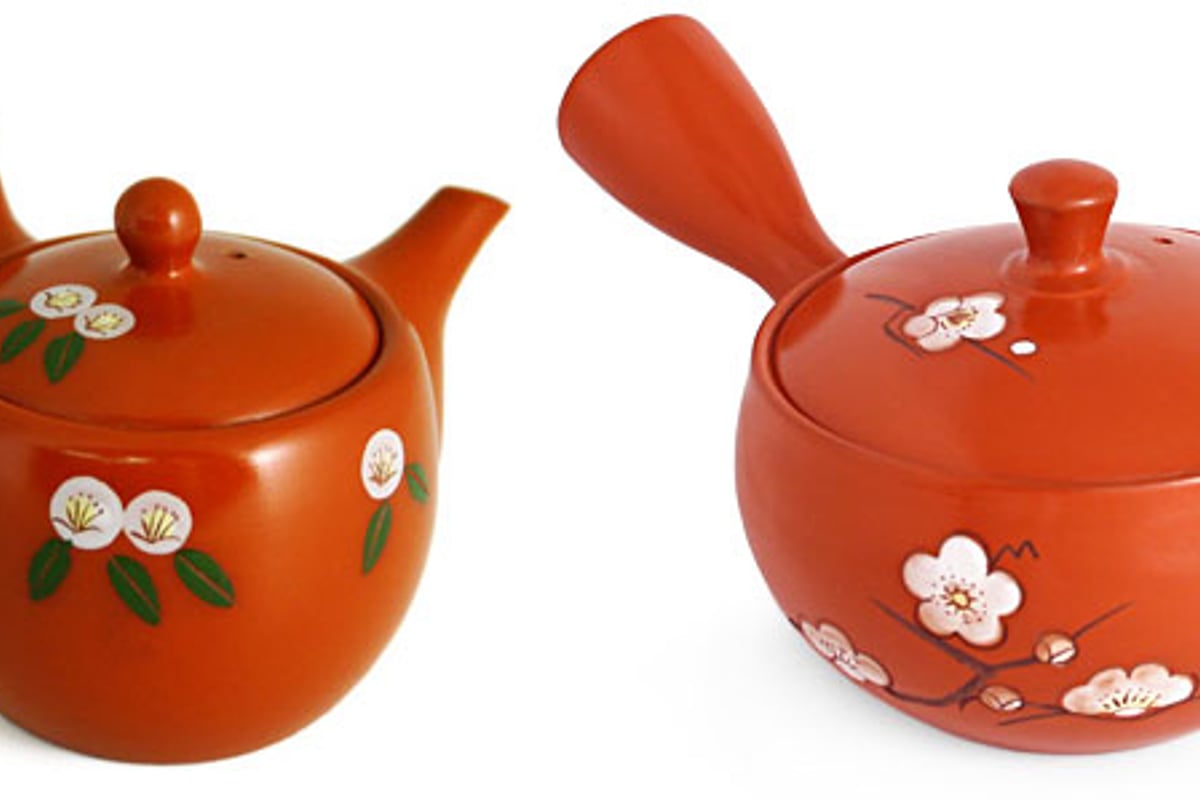
Tokoname-yaki is a stoneware tradition centered on Tokoname City on the Chita Peninsula in Aichi Prefecture, counted among 'Japan's Six Ancient Kilns' alongside Echizen-yaki, Shigaraki-yaki, Tamba Tachikui-yaki, Bizen-yaki, and Seto-yaki. Its origins trace back to around the 12th century, at the end of the Heian period, when climbing kilns dug into hillsides fired 'Old Tokoname' wares such as yamajawan bowls and sanshin-tsubo jars, and Tokoname grew into the largest production center among the Six Ancient Kilns. In 1835, during the late Edo period, the potter Koie Hokyu completed a noborigama climbing kiln, and in the 1850s the region's signature red-clay ware, shudei-yaki, was born. From the Meiji era onward, Tokoname developed into a major center for industrial ceramics such as clay pipes, sanitary ware, and tiles, and today it produces everything from shudei teapots made with iron-rich clay to tea bowls, flower vases, and beckoning-cat figurines. It was designated a national Traditional Craft in 1976.
Origin
The origins of Tokoname-yaki trace back to around the 12th century, at the end of the Heian period. Numerous anagama climbing kilns were built into the hillsides of the Chita Peninsula, firing 'Old Tokoname' wares such as yamajawan bowls and sanshin-tsubo jars. Tokoname stood out even among Japan's Six Ancient Kilns for the sheer scale of its production, and throughout the medieval period large everyday vessels such as jars, urns, and grinding bowls were distributed widely across Japan.
History
In 1835, during the late Edo period, the potter Koie Hokyu completed a noborigama climbing kiln that raised production efficiency, and in the 1850s shudei-yaki, made with iron-rich clay, was developed. From the Meiji era onward, the introduction of Western technology brought mechanization, and Tokoname grew into a major center for industrial ceramics such as clay pipes, sanitary ware, and building tiles. It was designated a national Traditional Craft in 1976, and Yamada Jozan III was recognized as a Living National Treasure in 1998 for his Tokoname-yaki teapots.
Features
The greatest characteristic of Tokoname-yaki is its use of highly plastic, iron-rich clay fired unglazed to a hard, dense finish. Oxidizing firing produces a vivid vermilion color, while reducing firing yields a blackish sheen, and both develop a deeper luster with use. Shudei teapots in particular are prized because the iron in the clay is said to react with tannin, the astringent component in tea, mellowing its flavor - making them a beloved product that combines practicality with beauty.
Materials Used
Production Process
- 1
Kneading the clay
Air is removed from the clay and its texture made uniform.
- 2
Shaping
Teapots, jars, and other vessels are shaped on a potter's wheel or by hand-building.
- 3
Trimming and finishing
The half-dried piece is trimmed to refine its shape, and spouts and handles are attached.
- 4
Firing
Fired unglazed at high temperature; oxidizing and reducing firing produce different colors.
| Main Production Areas |
|
|---|
Artisans & Workshops
山田常山陶房
A renowned Tokoname-yaki family whose lineage continues from its founding generation. Yamada Jozan III was recognized in 1998 as a Living National Treasure (holder of an Important Intangible Cultural Property) for his shudei teapots. Today the techniques are being passed down to the fourth and fifth generations.
How to Buy
- 常滑焼急須館
- A shop near Tokoname Station specializing in teapots, where visitors can meet the makers and ask directly for advice on choosing one. Popular for gifts as well.Where to buy →PR
- 常滑焼 Official Online Store
- The official online store affiliated with the Tokoname Pottery Cooperative, offering teapots and vessels from numerous kilns and artists, from up-and-coming makers to veterans.Where to buy →PR
Hands-on Experiences
角山陶苑
愛知県常滑市栄町3-116
Reservation required. Electric potter's wheel experience from around 3,500 yen (firing fee included, approx. 50 minutes).
View details →