Image: Wikimedia Commons
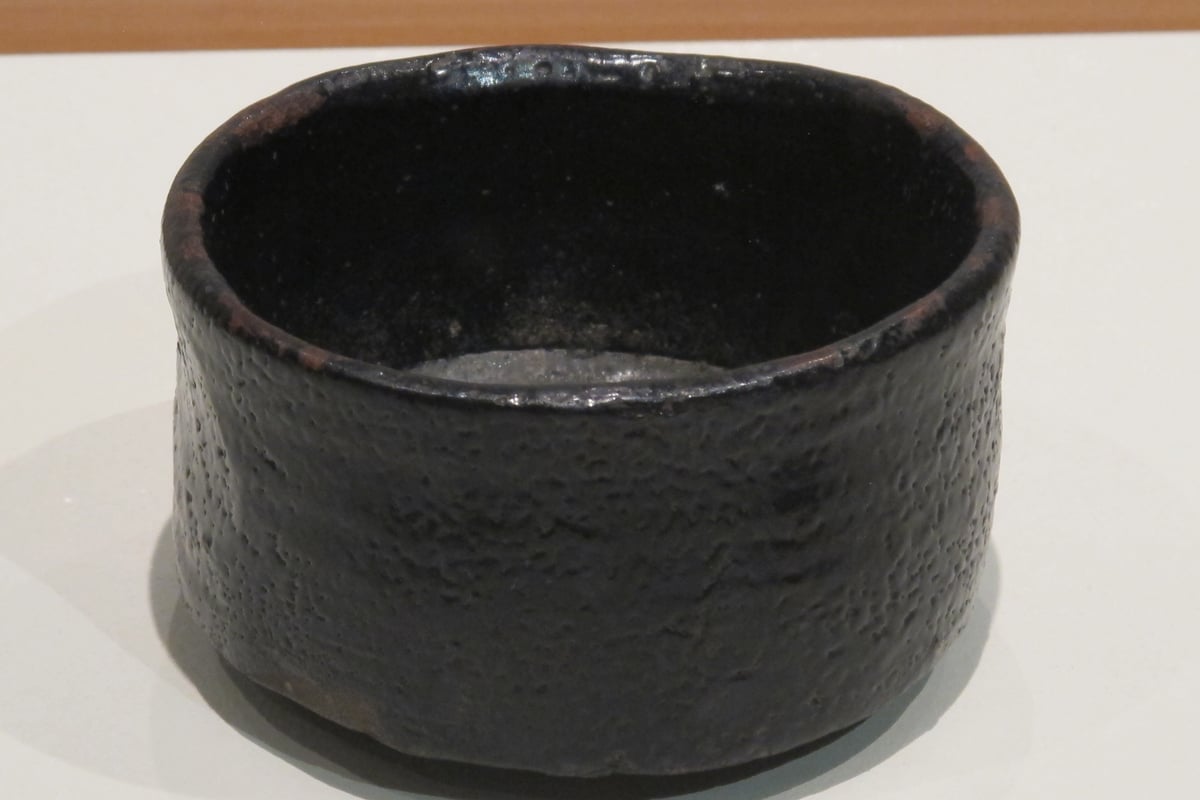
Seto-yaki is a general term for the ceramics produced around Seto City in Aichi Prefecture, and together with Tokoname-yaki it is counted among Japan's Six Ancient Kilns. Its origins trace back to the late 5th century, to the production of sue ware at the Sanage kilns in what is now the Higashiyama hills of Nagoya City, and by the end of the 12th century Seto had begun producing 'Old Seto' ware - the only Japanese region to continue firing glazed pottery throughout the medieval period. In the Bunka era of the late Edo period (1804-1818), Kato Tamikichi introduced porcelain-making techniques from Hizen Arita, and sometsuke porcelain, painted with cobalt pigment, developed from there; from then on, traditional 'hongyo-yaki' pottery and 'sometsuke-yaki' porcelain were produced side by side. Blessed with high-quality kibushi and gairome clays, Seto-yaki is known for its white, low-iron body, and its products range from everyday tableware to fine art pieces. It is also the origin of 'setomono,' the word used across Japan to mean pottery in general, and was certified as a Japan Heritage site in 2017. Nationally designated Traditional Crafts include Akazu-yaki (1977) and Seto Sometsuke-yaki (1997).
Origin
The origins of Seto-yaki are said to trace back to the late 5th century, to the production of sue ware at the Sanage kilns in what is now the Higashiyama hills of Nagoya City. By the end of the 12th century, the Seto area had begun producing its own glazed pottery, developing into the only region in medieval Japan to continue firing glazed wares. Products of this era, known as 'Old Seto,' were distributed across the country as Buddhist ritual objects and everyday items, including four-eared jars and heishi bottles.
History
During the Kamakura and Muromachi periods, in addition to mass-produced yamajawan bowls, wares with iron glazes and decorative patterns spread throughout Japan. In the Bunka era of the late Edo period (1804-1818), Kato Tamikichi studied porcelain-making techniques in Hizen Arita and brought them back to Seto, and full-scale production of sometsuke porcelain using cobalt pigment began. From then on, traditional pottery was called 'hongyo-yaki' and porcelain 'sometsuke-yaki,' with Akazu-yaki designated a national Traditional Craft in 1977 and Seto Sometsuke-yaki in 1997.
Features
Seto is blessed with high-quality kibushi and gairome clays that contain almost no iron, and its products make the most of their beautiful white body. Akazu-yaki is known for its versatility, using seven kinds of glaze - including ash, iron, and Oribe glazes - together with twelve decorative techniques, while Seto Sometsuke-yaki is distinguished by its delicate cobalt-blue painted patterns. The nationwide use of 'setomono' to mean pottery reflects just how widely Seto's wares once circulated as a major production center.
Materials Used
Production Process
- 1
Shaping
Vessels and ornaments are shaped using a potter's wheel or molds.
- 2
Bisque firing
Fired once at low temperature to stabilize the body.
- 3
Painting and glazing
For Sometsuke-yaki, patterns are painted with cobalt pigment; for Hongyo-yaki, ash glaze, iron glaze, and others are applied.
- 4
Final firing
Fired in a high-temperature kiln to complete the piece.
| Main Production Areas |
|
|---|
Artisans & Workshops
瀬戸本業窯(水野半次郎家)
A kiln founded in the late Edo period whose head has taken the name 'Mizuno Hanjiro' for generations, continuing to make everyday tableware using local clay and glazes through a traditional division-of-labor system.
Official site →How to Buy
- 瀬戸蔵セラミックプラザ
- An antenna shop operated by the Aichi Ceramics Industry Cooperative Association, selling Seto-yaki at direct-from-kiln prices, with a gallery corner featuring local artists as well.Where to buy →PR
- 品野陶磁器センター「暮らしのうつわ」
- A kiln outlet store next to the Michi-no-Eki Seto Shinano roadside station, always stocking over 5,000 kinds of Seto-yaki at direct-from-kiln prices.Where to buy →PR
Hands-on Experiences
品野陶磁器センター陶芸教室
愛知県瀬戸市品野町1-126-2
Reservation required. Electric potter's wheel and hand-building experience from around 2,200 yen (firing fee included, approx. 2 hours).
View details →