Image: Wikimedia Commons
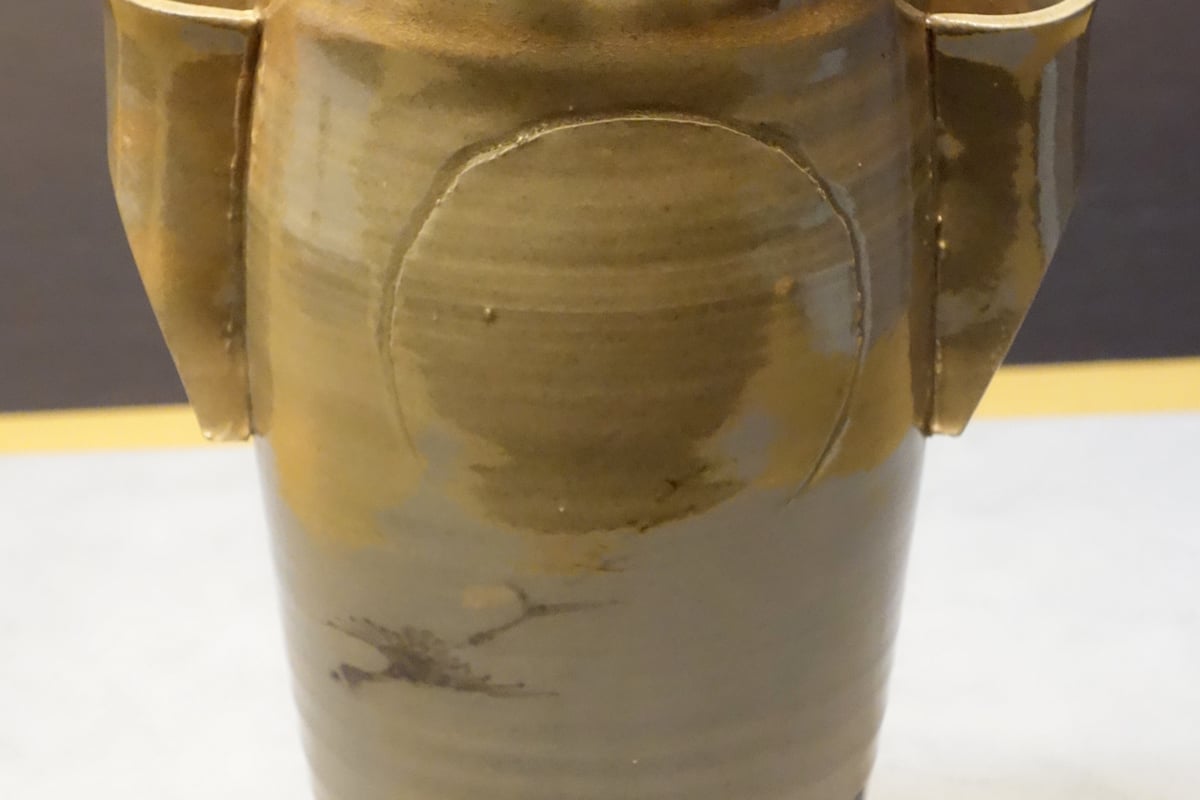
Mushiake-yaki is a tea ceramic fired in Mushiake, Oku-cho, Setouchi City, said to originate from a private kiln (oniwa-gama) established in Mushiake in the mid-Edo period by the Igi clan, chief retainers of the Okayama domain. Whereas Bizen-yaki, another representative ware of the same prefecture, is characterized by its unglazed, fired-to-hardness technique, Mushiake-yaki is known for its thinly potted, refined glazed forms and elegant designs reminiscent of Kyoto styles, and the two have followed distinct lineages within the same prefecture. In 1847, in the late Edo period, Igi Tadazumi (also known by his art name Sanenzai) opened his own private kiln and invited leading potters of the day from Kyoto, such as Seifu Yohei, Raku Chozo, and Miyagawa Kozan, establishing a thin, elegant style reminiscent of the Awata style of Kyoto ceramics. Today, using a distinctive clay made from local mountain soil, artisans apply a clear glaze made from natural pine ash, along with iron and copper glazes, and fire the pieces without sharply separating oxidation and reduction, producing kiln transformations that add to their character. Designated a Local Traditional Craft of Okayama Prefecture in 1988, a small number of kilns continue to carry on the tradition today in the scenic seaside area of Mushiake facing the Seto Inland Sea.
Origin
The origins of Mushiake-yaki are said to lie in a private kiln opened by the Igi clan, chief retainers of the Okayama domain who established their residence in Mushiake, in the mid-Edo period. There are also records suggesting that around 1833 the local resident Imayoshi Kichizo invited potters from Banshu Tatsuno to make pottery, and tea utensils and everyday wares were fired as an official kiln of the domain. In Mushiake, a place facing the Seto Inland Sea that flourished in ancient and medieval times as a port for waiting on tides and winds, a distinctive ceramic culture was cultivated.
History
In 1847, Igi Tadazumi (art name Sanenzai) opened a private kiln in Mushiake and invited leading potters of the day from Kyoto, including Seifu Yohei, Raku Chozo, and Miyagawa Kozan, and this brought about a major shift in Mushiake-yaki toward a thin, elegant style reminiscent of Kyoto ceramics and Awata ware. This Kyoto-influenced design and technique became established as a style unique to Mushiake-yaki, distinct from Bizen-yaki, and the ware has since continued to develop mainly as tea ceramics. In 1988 it was designated a Local Traditional Craft of Okayama Prefecture.
Features
Mushiake-yaki uses a distinctive clay made from fine local mountain soil, and is characterized by thinly potted, refined forms. Glazes including a self-refined clear glaze made from natural pine ash as well as iron and copper glazes are applied, and a distinctive firing method that does not sharply separate oxidation and reduction produces kiln transformations with depth. Its elegant Kyoto-influenced design and delicate craftsmanship make it especially prized as tea ceramics.
Materials Used
| Main Production Areas |
|
|---|
Artisans & Workshops
黒井千左(黒井完治)
Head of the Mushiake-yaki kiln. As a holder of Okayama Prefecture's Designated Important Intangible Cultural Property (since 2011) and Setouchi City's Designated Important Intangible Cultural Property (since 2009), he carries on the techniques of Mushiake-yaki that have continued since the Edo period.
Official site →How to Buy
- 虫明焼窯元 オンラインショップ
- The directly run shop of the Mushiake-yaki kiln, run by Kuroi Sensa, Kuroi Keiun, and Kuroi Hiroshi. It offers pieces such as teacups and tea utensils that carry on techniques passed down since the Edo period.Where to buy →PR
- 晴れの国おかやま館 オンラインショップ
- The official online shop handling specialty products of Okayama Prefecture. It offers everyday tableware such as Mushiake-yaki teacups.Where to buy →PR
Hands-on Experiences
虫明焼窯元
岡山県瀬戸内市邑久町虫明4493
A kiln run by Kuroi Sensa, Kuroi Keiun, and Kuroi Hiroshi. In addition to touring the kiln, visitors can join programs to appreciate the works and enjoy matcha tea (reservation required).
View details →