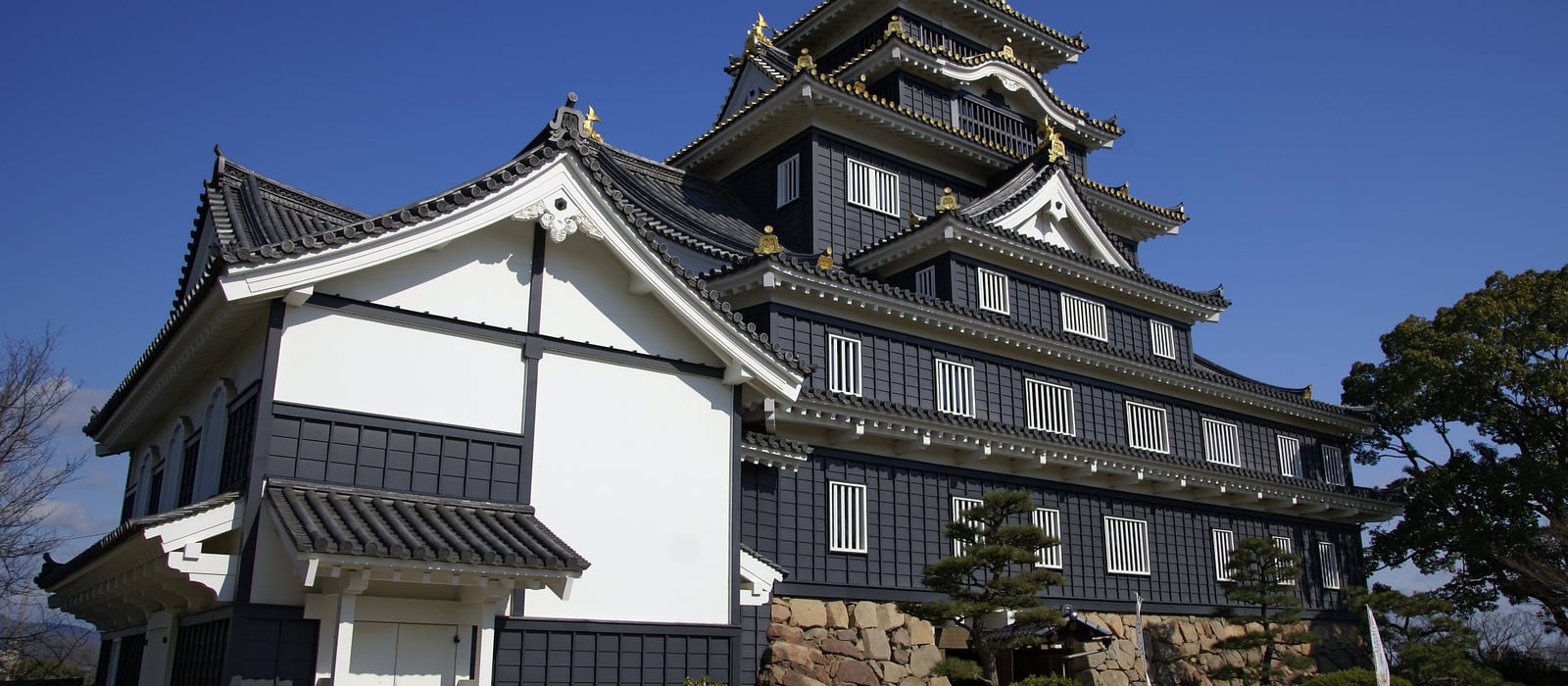
 Image: Wikimedia Commons
Okayama Prefecture
Okayama Prefecture is known as the 'Land of Sunshine' for its mild Seto Inland Sea climate, and remains home to both a ceramics culture led by Bizen-yaki and a textile industry epitomized by Kojima Denim and Kurashiki Hanpu canvas. Spots where you can sense this history of craftsmanship are scattered across the prefecture, including Ibe, where the kilns of Bizen-yaki — one of Japan's Six Ancient Kilns — cluster together; Kojima in Kurashiki City, regarded as the birthplace of Japan-made jeans; and the Kurashiki Bikan Historical Quarter, with its rows of white-walled storehouses. In its food culture, distinctive local dishes and confections live on, including Mamakari-zushi and Okayama Barazushi, made with seafood caught in the Seto Inland Sea, and Kibi Dango, tied to the legend of Momotaro.
Okayama's Traditional Crafts
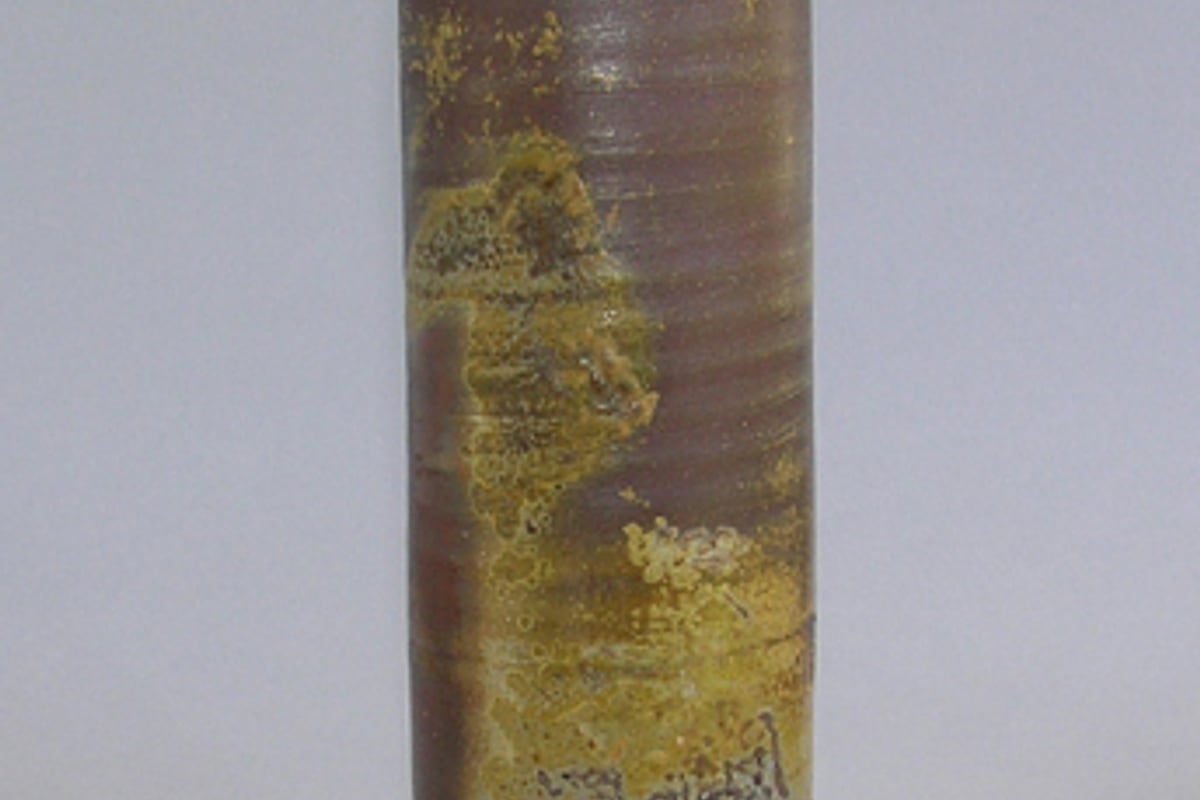
Bizen ware (Bizen-yaki)
Bizen-yaki
Bizen-yaki is an unglazed stoneware centered on the Ibe district of Bizen City, Okayama Prefecture, and is counted among Japan's Six Ancient Kilns alongside Seto, Tokoname, Tanba, Shigaraki, and Echizen. Also known as 'Ibe-yaki' after its production area, its defining feature is that it is fired at high temperature without any glaze whatsoever. The raw material is 'hiyose,' an iron-rich clay accumulated at the bottom of paddy fields stretching from Bizen and Ibe to Kagato; after prolonged firing, the way flames pass through the kiln and ash settles on each piece produces distinctive markings called 'yohen' (kiln transformations). Representative types of yohen include hidasuki (crimson cord marks left by wrapping straw around a piece before firing), sangiri (color changes that occur where pieces are buried in ash), and goma (sesame-like specks left where melted ash adheres to the surface), giving each piece the appeal of a one-of-a-kind work. Bizen-yaki developed as a center for everyday earthenware in the Kamakura period, and in the Momoyama period, amid the vogue for the tea ceremony, it was highly prized by tea masters in Sakai and Kyoto, producing many outstanding pieces of tea ceramics. In the modern era, potters led by Kaneshige Toyo further refined the techniques, and to this day many kilns still line the streets of Ibe.
Bizen-to (Osafune)
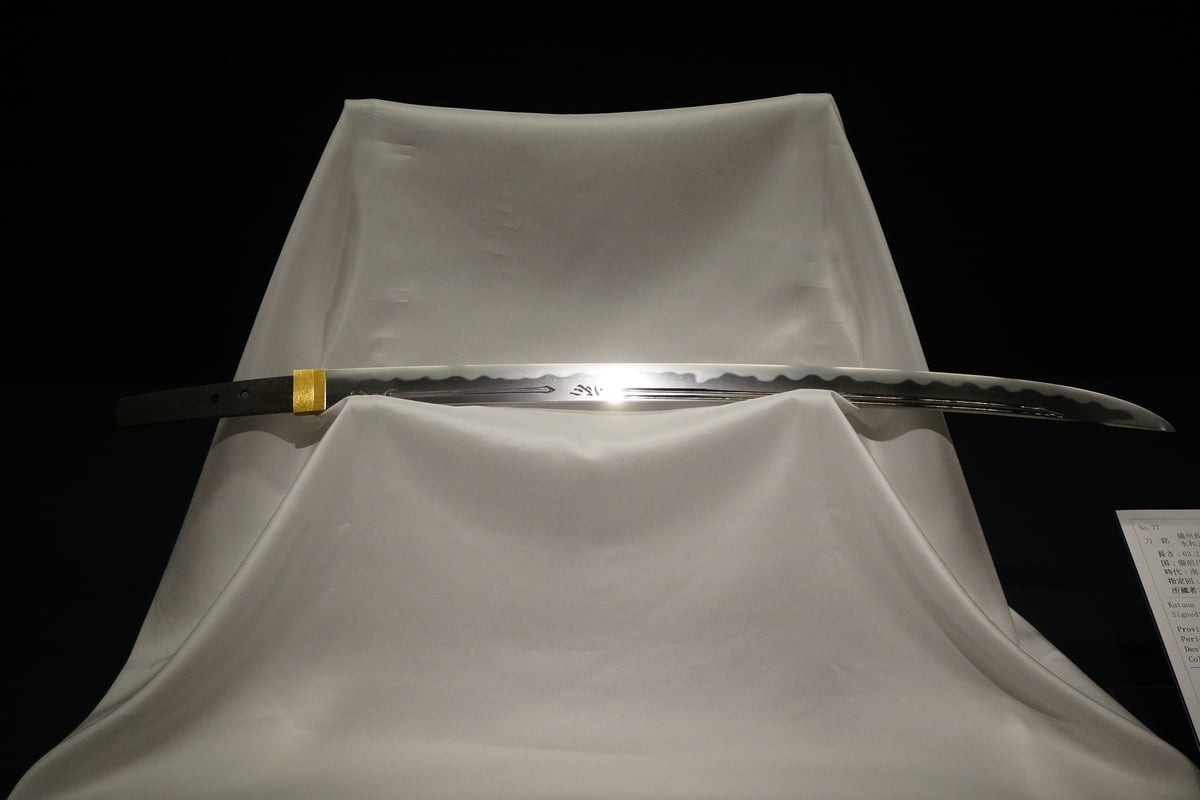
Bizen-to (Osafune)
Bizen-to is the collective name for Japanese swords produced in the former province of Bizen (present-day Setouchi City and the eastern part of Okayama City, Okayama Prefecture). Among its swordsmiths, the 'Osafune school,' based at Osafune along the Yoshii River (present-day Osafune-cho, Setouchi City), is known as the largest group of swordsmiths in the history of the Japanese sword. Bizen province produced high-quality iron sand (akome sand iron) in the lower reaches of the Yoshii River, making it a major center of Japanese sword production throughout the medieval period. It formed the 'Bizen tradition,' one of the five major schools known as the 'Gokaden,' and Bizen swords are said to account for roughly 40 percent of Japanese swords designated as National Treasures or Important Cultural Properties. Although production declined at times due to warfare and shifting demand, in the Taisho and Showa periods Imaizumi Toshimitsu researched and revived swordmaking techniques through self-study and orally transmitted knowledge, and came to be known as 'the father of the Bizen sword revival.' Today, active swordsmiths still work in Osafune-cho, Setouchi City, and visitors can observe forging and polishing processes at the Bizen Osafune Sword Museum and the Bizen Osafune Sword Village.

Gobara Shikki (Gobara lacquerware)
Gobara Shikki
Gobara Shikki is an everyday lacquerware tradition from Hiruzen in Maniwa City, Okayama Prefecture (formerly the Gobara district). Its origins are said to date back to the Meitoku era (around 1390-1400), and it is known for a production method found nowhere else in Japan's lacquerware regions: chestnut wood native to the Hiruzen highlands is turned on a lathe while still freshly felled, or 'green,' rather than dried first. Bowls and trays finished with natural lacquer such as Bicchu-urushi, which brings out the beauty of the wood grain, have long served as everyday household tools rather than decorative objects. Production peaked in the late Taisho and early Showa periods but was interrupted around the time of World War II. A local revival effort began in 1989, and in 1996 Gobara Shikki was designated an Okayama Prefecture Important Intangible Folk Cultural Property. Today, the tradition of green-wood lathe turning, spanning more than 600 years, is carried on at the Gobara Shikki Museum ('Gobara Shikki no Yakata').
Kojima Denim
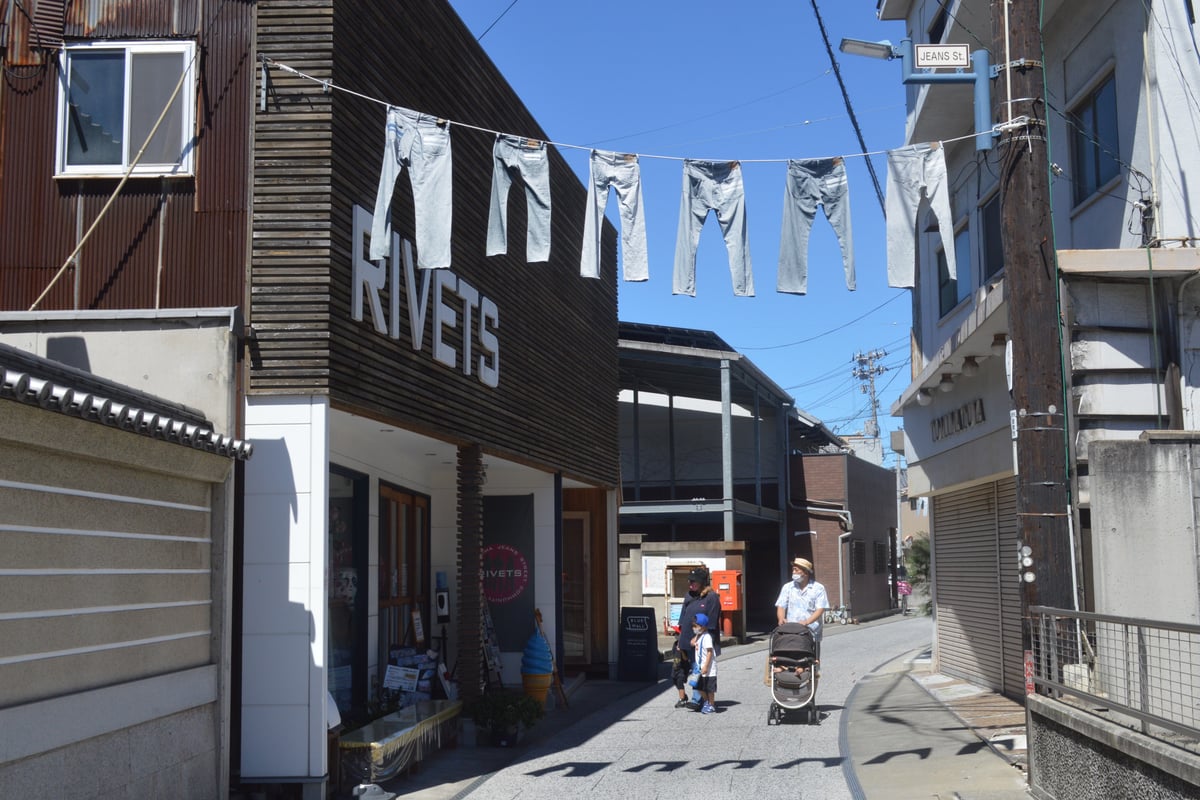
Kojima Denim
Kojima Denim is the general term for denim fabric and jeans produced in the Kojima district of Kurashiki City, Okayama Prefecture, known as the 'birthplace of Japan-made jeans.' In the Edo period, cotton farming resistant to salt thrived on land reclaimed from the shallow sea, and the cotton-weaving industry that grew from it gave rise to kokura-ori weaving and sanada-himo braided cords. In the Meiji and Taisho eras, the area developed as a center for tabi socks and school uniforms, and the techniques and know-how of this textile industry were later carried over into the denim and jeans industry. In 1965, Kotaro Ozaki of Maruo Seifuku (now Big John) used denim fabric imported from the United States, applying the sewing techniques used for school uniforms to manufacture and sell Japan's first domestically made jeans. In 1973, Kurashiki Spinning succeeded in producing domestic denim fabric, and Kojima developed into a production area capable of handling everything from yarn to fabric, sewing, and wash processing in one place. Today, about 40 specialty jeans shops line 'Kojima Jeans Street,' which runs from Kojima Station, and it has become a sightseeing spot visited by many people from Japan and abroad.
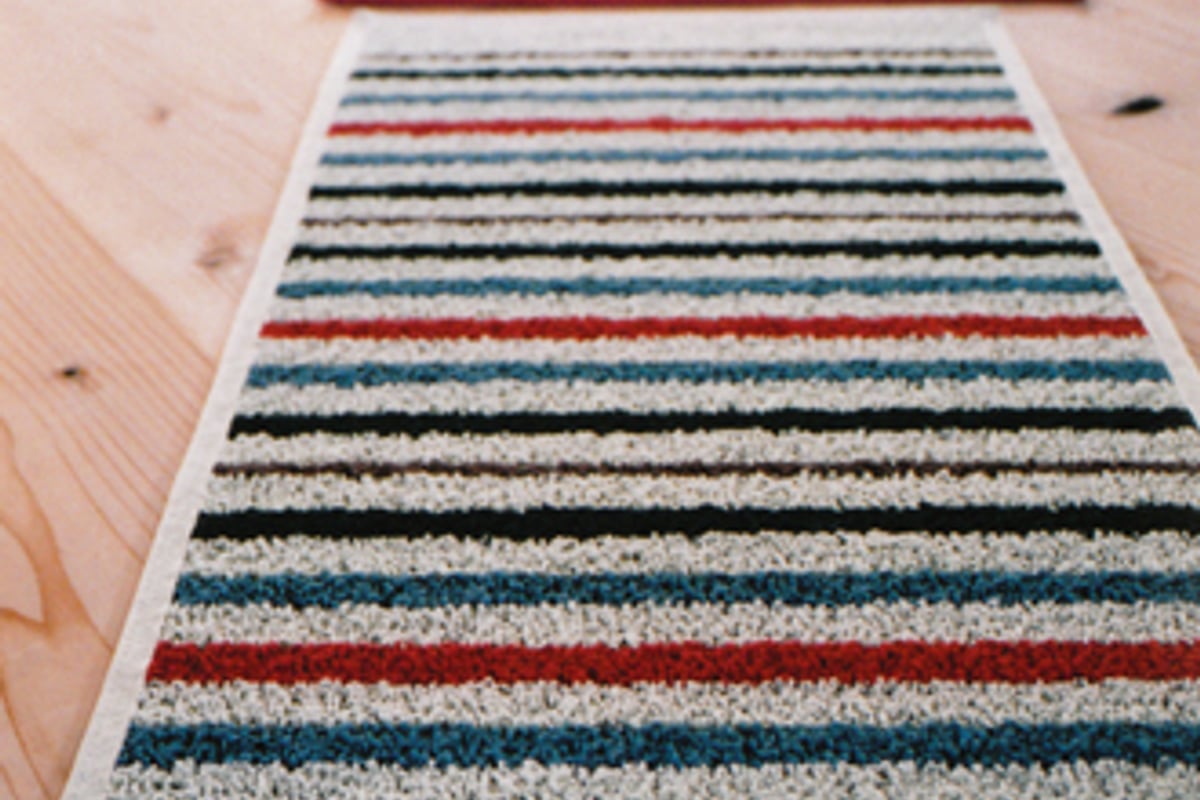
Kurashiki Dantsu (Kurashiki woven rug)
Kurashiki Dantsu
Kurashiki Dantsu is a hand-woven rug made in Kurashiki City, Okayama Prefecture, characterized by combining rush (igusa), Japanese paper (washi), and hemp or cotton thread. Kurashiki had been known since the Edo period as a production area for tatami facing and hanagoza (patterned rush mats), and it is said to have begun when Yabuki Kan'ichirō, an inventor from Hayashima Town, devised 'Kinpa-ori' in the early Shōwa era as a rug suited to Western-style architecture. In 1932, the folk-craft movement leader Yanagi Sōetsu discovered the rug, commissioned the designer Serizawa Keisuke to create striped patterns for it, and named it 'Kurashiki Dantsu'. After the war it reached its peak while remaining hand-woven, popular enough to be exported overseas, but rising raw-material costs and the aging of its artisans brought production to a halt in 1986. Takiyama Yūichi, who joined the Traditional Industry Revival Study Group founded in 1991, taught himself the technique and resumed production in 1993. Today he continues to be almost the sole maker, producing the rugs at his workshop in Hayataka, Kurashiki City.
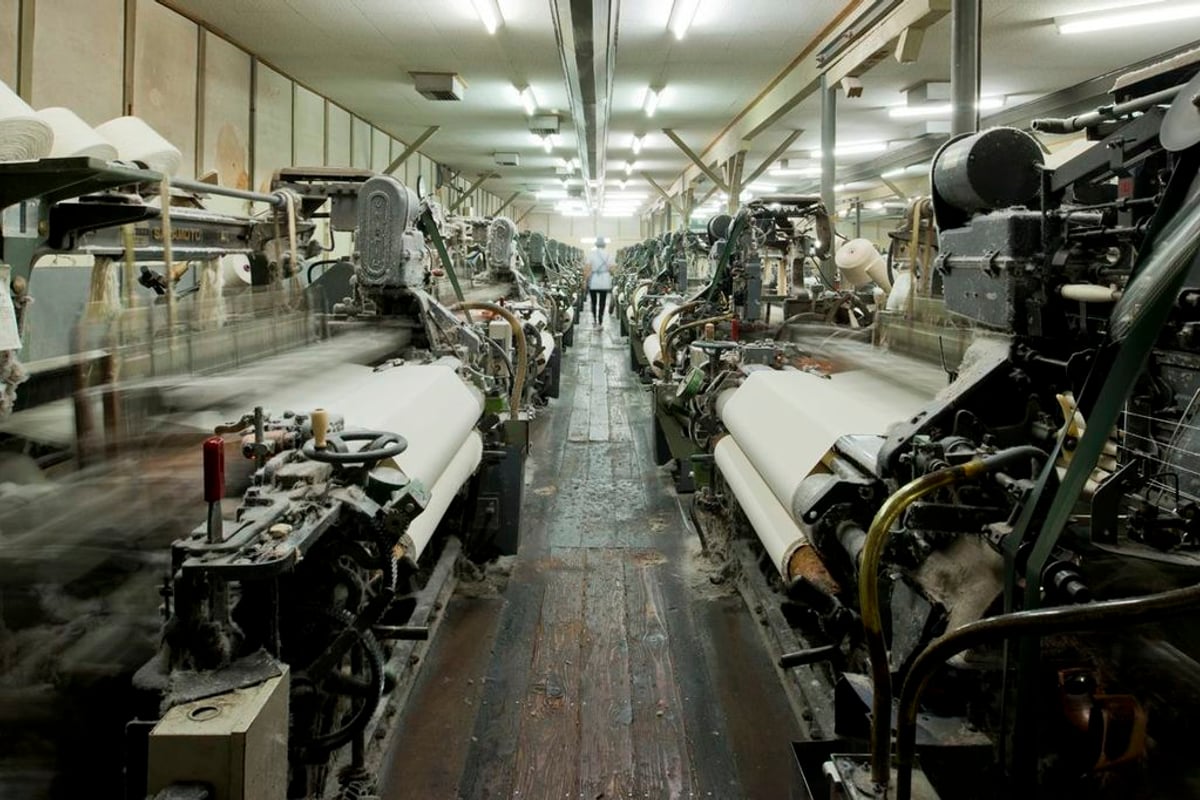
Kurashiki Hanpu (Canvas)
Kurashiki Hanpu
Kurashiki Hanpu is a thick cotton canvas fabric made in the Kojima district of Kurashiki City, Okayama Prefecture, with a history rooted in its development as sailcloth for ships. Kojima, land reclaimed in the Edo period, was suited to growing salt-resistant cotton, and its cotton industry flourished to the point that the area became known for 'Kojima's three whites'—cotton, together with the whiteness of the local sand-lance fish and salt. The transmission of a loom technique developed by Kuraku Matsuemon of Banshu Takasago, which used thick thread, is said to have laid the foundation for producing sturdy, thick canvas. The direct roots of modern Kurashiki Hanpu trace back to 1888, when the husband-and-wife weavers Ishigoro and Ume Butakiri founded a textile mill in Kurashiki, and business expanded after Ume's hand-woven cloth earned a reputation among local cotton wholesalers. Today it remains a rare production area capable of weaving extra-thick canvas from No. 1 to No. 3 weight using a thread-twisting technique that twines together several strands of pure cotton yarn and old-style shuttle looms. It is characterized by the beautiful selvedge unique to shuttle looms and a warm, textured feel, and its uses have expanded to everyday items such as bags and sundries.
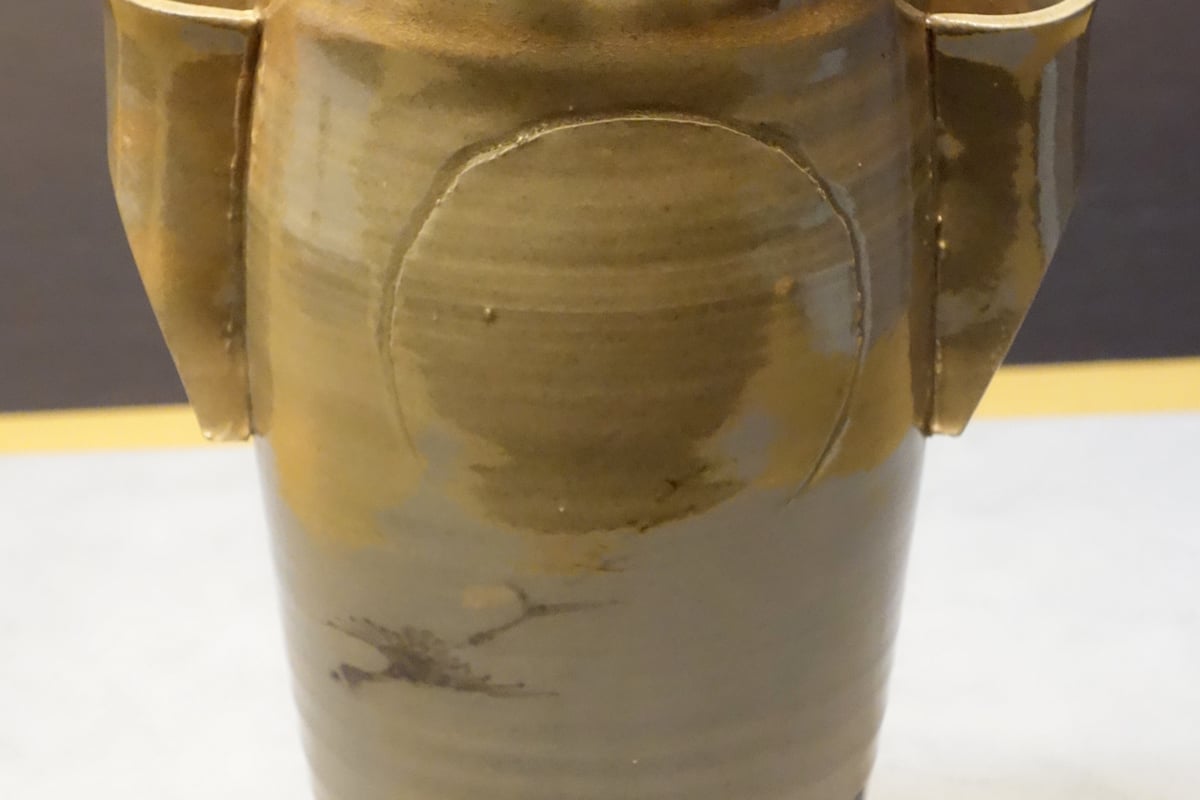
Mushiake ware (Mushiake-yaki)
Mushiake-yaki
Mushiake-yaki is a tea ceramic fired in Mushiake, Oku-cho, Setouchi City, said to originate from a private kiln (oniwa-gama) established in Mushiake in the mid-Edo period by the Igi clan, chief retainers of the Okayama domain. Whereas Bizen-yaki, another representative ware of the same prefecture, is characterized by its unglazed, fired-to-hardness technique, Mushiake-yaki is known for its thinly potted, refined glazed forms and elegant designs reminiscent of Kyoto styles, and the two have followed distinct lineages within the same prefecture. In 1847, in the late Edo period, Igi Tadazumi (also known by his art name Sanenzai) opened his own private kiln and invited leading potters of the day from Kyoto, such as Seifu Yohei, Raku Chozo, and Miyagawa Kozan, establishing a thin, elegant style reminiscent of the Awata style of Kyoto ceramics. Today, using a distinctive clay made from local mountain soil, artisans apply a clear glaze made from natural pine ash, along with iron and copper glazes, and fire the pieces without sharply separating oxidation and reduction, producing kiln transformations that add to their character. Designated a Local Traditional Craft of Okayama Prefecture in 1988, a small number of kilns continue to carry on the tradition today in the scenic seaside area of Mushiake facing the Seto Inland Sea.
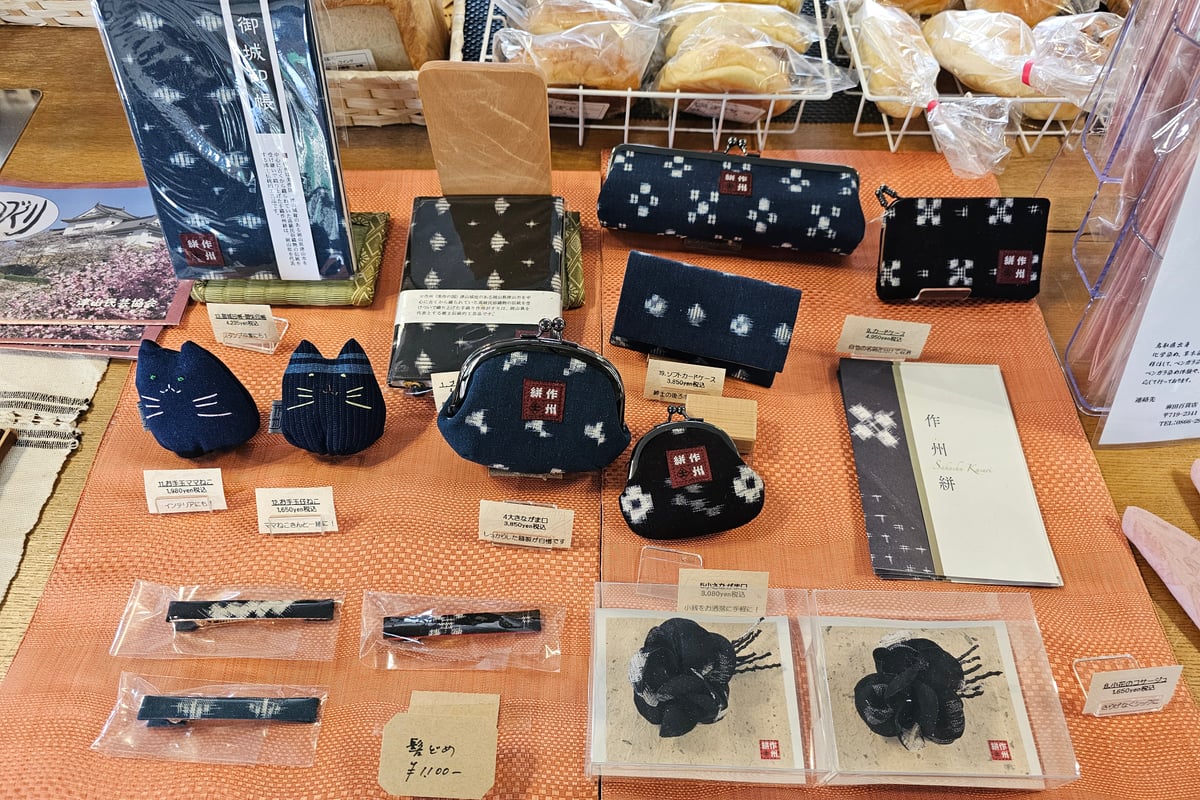
Sakushu Kasuri (Sakushu ikat cotton weave)
Sakushu Kasuri
Sakushu Kasuri is a cotton ikat textile woven in the Mimasaka region centered on Tsuyama City, Okayama Prefecture. High-grade silk textiles had long been woven in the Tsuyama area, but from the early 17th century cotton cultivation spread, and hand-spun cotton thread dyed indigo by local dye houses began to be woven into solid indigo and striped cloth for commoners' clothing. In the early Meiji era, influenced by Kurayoshi Kasuri from Tottori Prefecture, indigo cotton ikat became widespread, but as mass-produced textiles from other regions gained ground, both production and technique nearly died out at one point. After the war, Sakushu Kasuri was revived as part of Tsuyama City's industrial promotion policy, gaining popularity in Tokyo around 1955, and at its peak annual production reached about 30,000 tan (bolts) combining power-loom and hand weaving. In 1981 it was designated an Okayama Prefecture Local Traditional Craft as 'Hand-woven Sakushu Kasuri', but weavers later disappeared for a time until Hinagawa Shigemi was officially certified as its successor in 2012, allowing the technique to be passed on again. The geometric patterns set against indigo blue are created through the 'kukuri' technique, in which threads are bound with cord to resist dyeing.
Tsuyama Hakuaishi
Tsuyama Hakuaishi
Tsuyama Hakuaishi is a handmade Japanese paper produced in the Yokono district (Kami-Yokono and Shimo-Yokono) of Tsuyama City, Okayama Prefecture, using mitsumata (Edgeworthia) as its raw material. Thin, compact, yet strong, with a smooth surface that does not damage gold or silver leaf, it has long been prized by leaf-gilding artisans in Kyoto and Kanazawa as an indispensable 'hakuaishi,' or leaf-interleaving paper, used in gold-leaf craftsmanship. It is characterized by a slightly reddish, lustrous surface, and is also used for the restoration of old documents and, overseas in Germany and Canada, as paper for copperplate printing and etching. The mitsumata used as raw material is a specialty of the Mimasaka region, also known as a production area of 'kyokuno mitsumata,' supplied as banknote raw material to the Ministry of Finance's Printing Bureau. Designated a Traditional Craft of Okayama Prefecture in January 1981 (Showa 56), Tsuyama Hakuaishi is today made by only a single workshop nationwide, Ueda Papermaking Mill (Yokono Washi Studio) in the Yokono district, which continues this precious handcraft.
Ujo-bori
Ujo-bori
Ujo-bori is a wood-carved lacquerware from Okayama City, named after 'Ujo,' another name for Okayama Castle. Its founder was Kiguchi Kyuho (real name Kiguchi Fusashiro, 1895-1969), who became devoted to woodcarving after carving tea utensils and the like as a hobby, and in 1927 (Showa 2) named his own work 'Ujo-bori.' On a single board of keyaki (zelkova), oak, katsura, or paulownia wood, motifs such as vegetables, fruit, flowers and grasses, or ancient roof-tile patterns are carved in relief, and the piece is finished by repeating a 'fuki-urushi' (wiped lacquer) process—applying raw lacquer and wiping it off with cloth—about 13 to 24 times. Its defining feature is that the luster and character deepen the more it is used. Originally devised not for commercial purposes but as a social enterprise to create work for people with disabilities, the Ujo-bori Association (a foundation) was established in 1953. Ujo-bori incense trays and tea caddies have been presented to Emperor Showa on two occasions, in 1930 and 1946. With a history spanning more than 90 years, it continues today to be handed down as a specialty craft of Okayama City.
Okayama's Local Food
Chiyagyu Beef
Chiyagyu Beef
Chiyagyu (Chiya beef) is a branded wagyu beef raised primarily in the Chiya district of Niimi City, Okayama Prefecture. It traces its lineage to the 'Takenotani-zuru,' a foundation bloodline of cattle developed in the 1830s by Ota Tatsugoro, a wealthy farmer in Niimi, based on cattle from the Takenotani hamlet. Because these cattle had excellent build, hardiness, and high fertility, breeding bulls from this line spread nationwide, making Chiyagyu one of the origins of Japan's wagyu cattle. Raised carefully amid the cool climate and rich natural surroundings of the Chugoku Mountains, Chiyagyu is known for fine marbling balanced well with the flavor of its lean meat, and for the refined sweetness of its fat. Chiyagyu can be enjoyed at JA-operated yakiniku restaurants and other establishments in Niimi City, and a food-touring map of the production area has also been created, making it a beloved local brand of beef passed down as a point of local pride.
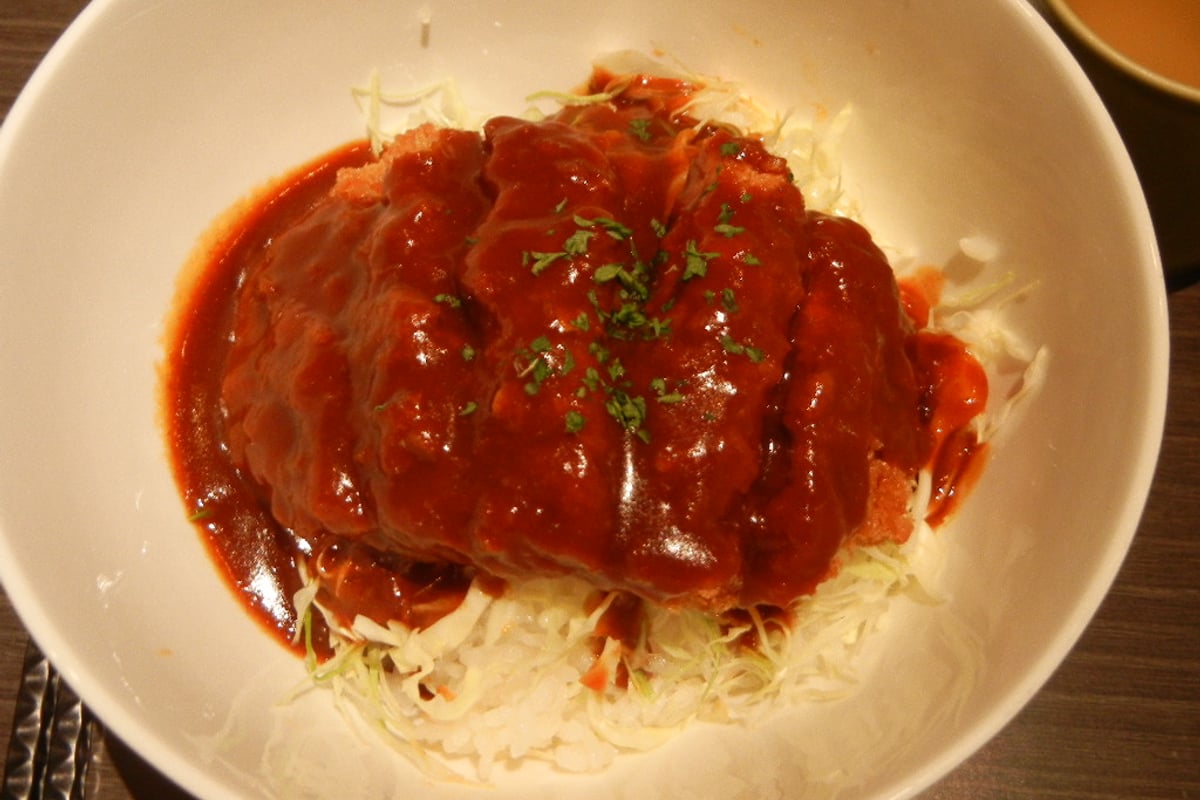
Demi Katsudon (Demi-Glace Pork Cutlet Bowl)
Demi Katsudon
Demi Katsudon is a local specialty from Okayama City featuring freshly fried pork cutlet topped with piping-hot demi-glace sauce. It is said to have originated when the founder of the long-established restaurant 'Ajishi Nomura,' founded in 1931 (Showa 6), was so impressed by the demi-glace sauce he tasted at a Tokyo hotel that he adapted it for the pork cutlets served at his own shop. The basic style is to place a pork cutlet over white rice and pour on plenty of demi-glace sauce, with each restaurant adding its own touches such as a raw egg or green peas (called 'Alaska' at some Okayama shops). Today it is served at around 30 restaurants throughout Okayama City and the wider prefecture, and goes by various names such as 'Demi-katsu,' 'Domi-katsu,' or 'Western-style katsu.' It is a beloved year-round Western-style rice bowl dish that is popular with tourists as well as locals.
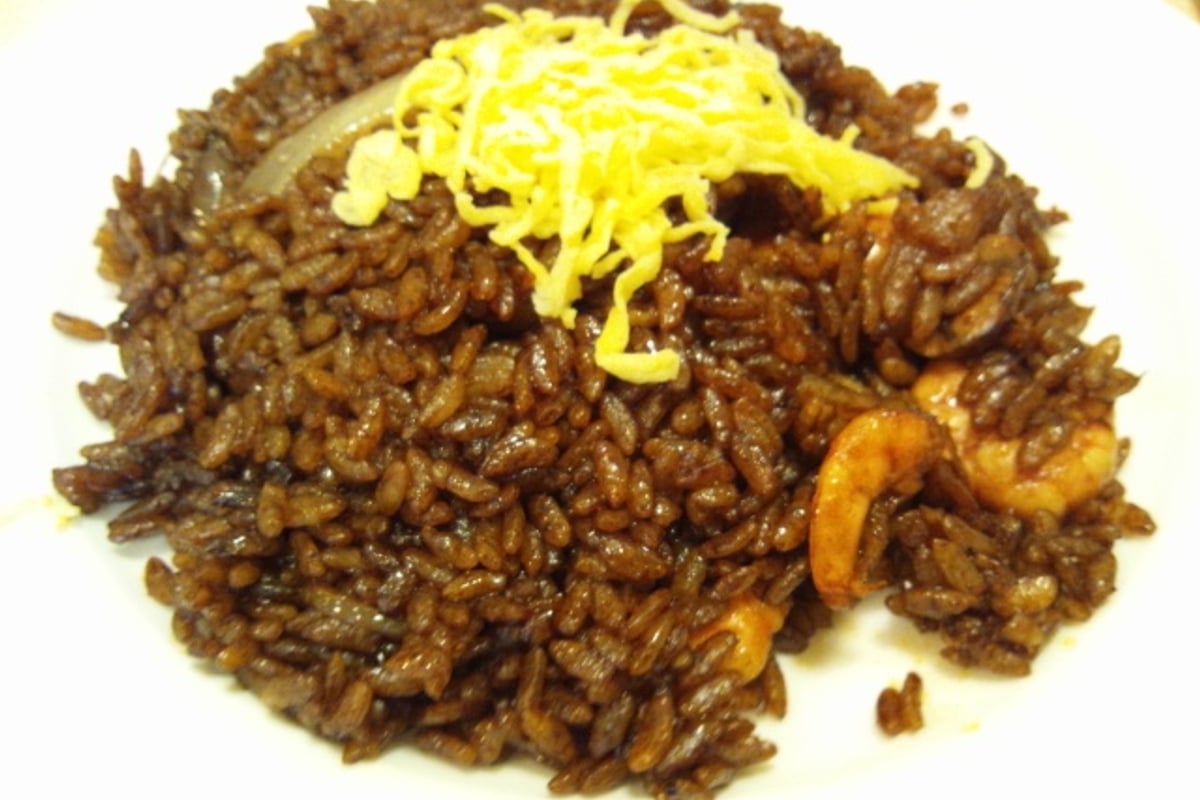
Ebi Meshi (Shrimp Pilaf)
Ebi Meshi
Ebi Meshi is a local specialty that originated in Okayama City: a shrimp pilaf stir-fried in a secret, dark brown sauce combining demi-glace sauce, ketchup, and caramel. The classic style tops it with shredded omelet and finely shredded cabbage, giving it a striking appearance and a distinctive sweet-and-savory flavor. Its roots trace back to a curry shop called 'Indeira' in Shibuya, Tokyo, where an employee from Okayama, Idei Tatsumi, learned the technique through a form of shop-branch permission and brought it home, serving it at the Western-style restaurant he opened in Hokanmachi, Okayama City—said to be the origin of Ebi Meshi. Its reputation subsequently spread mainly through central Okayama City, and today it is served at many Western-style restaurants and cafes both in and outside the city, making it one of Okayama's representative local B-grade specialties.
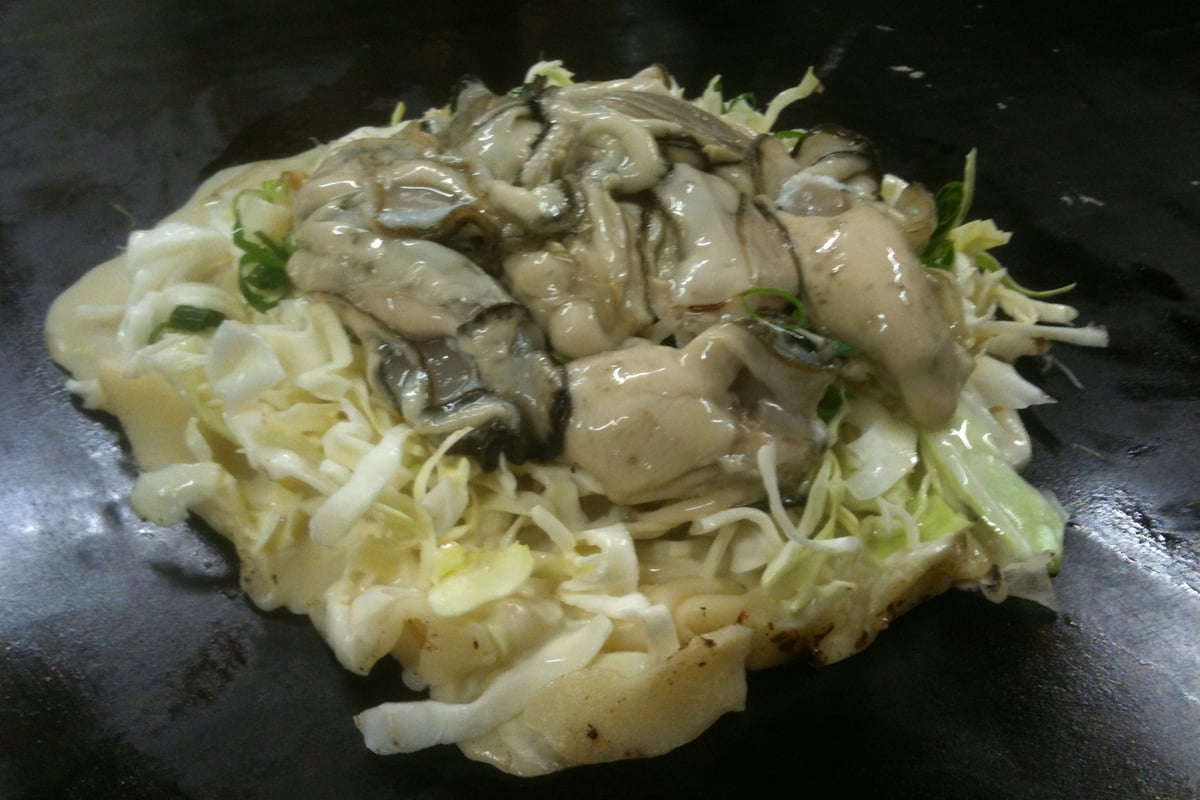
Hinase Kaki Okonomiyaki (Oyster Okonomiyaki)
Hinase Kaki Okonomiyaki
Hinase Kaki Okonomiyaki is a local specialty born in Hinase, Bizen City, Okayama Prefecture: an okonomiyaki savory pancake made generously with raw oysters. Hinase is a fishing town facing the Seto Inland Sea, known as a major production area accounting for more than half of Okayama Prefecture's oyster harvest. Its defining feature is a runny batter combined with a mountain of finely shredded cabbage and fresh raw oysters, grilled together on a griddle; because freshly landed oysters are used, they release little excess moisture and retain a plump, springy texture even after cooking without shrinking. It is said to have originated with fishermen bringing in small or damaged oysters unfit for sale to eat at local okonomiyaki shops, and it became known nationwide after the local 'Hinase Kaki Okonomiyaki Study Group' coined the name 'Kaki-oko' in 2002 and began promotional activities.
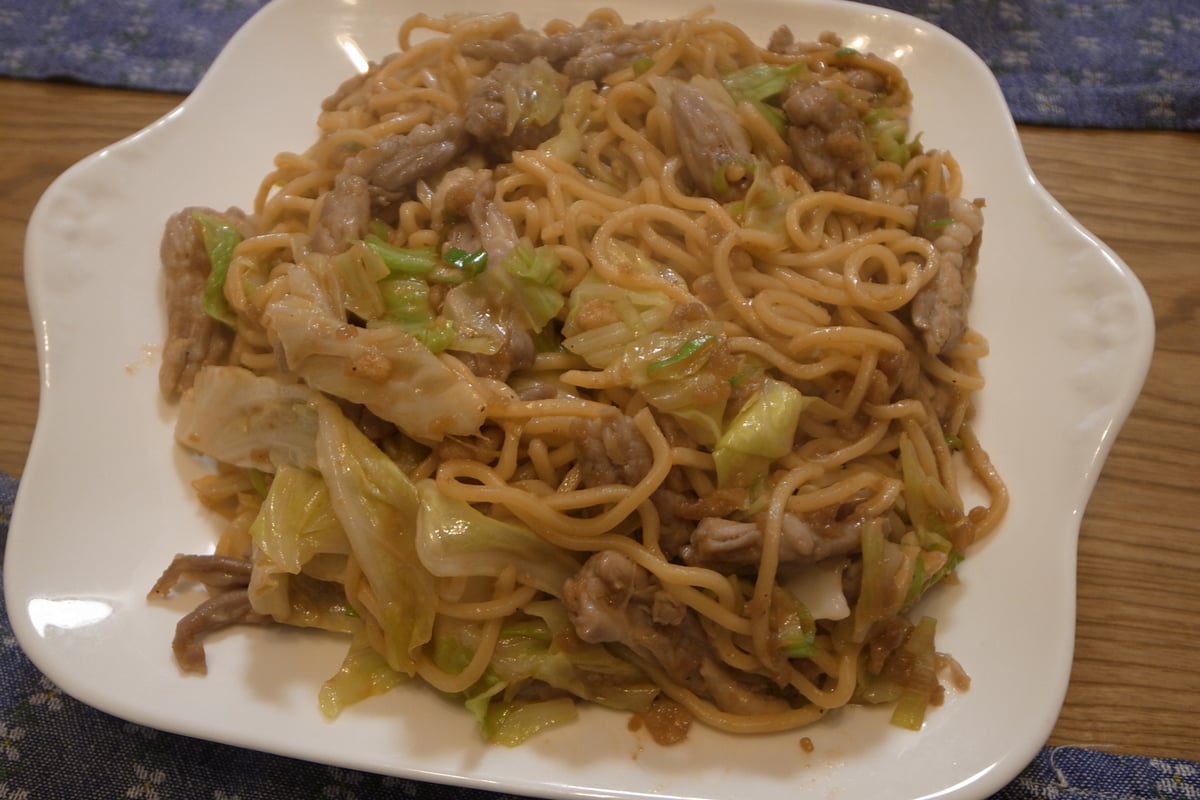
Hiruzen Yakisoba
Hiruzen Yakisoba
Hiruzen Yakisoba is a local-style yakisoba enjoyed throughout the Hiruzen Highlands area of Maniwa City (Hiruzen), Okayama Prefecture. It is characterized by stir-frying chicken (parent hen meat) and cabbage together with a special miso-based sauce made from ingredients such as garlic, onion, and apple, resulting in a popular sweet-and-savory, rich flavor. Its origins trace back to the 1960s (Showa 30s), when a local diner is said to have made use of the homemade miso sauce that was popular at the time for Genghis Khan-style grilled lamb, stir-frying chicken and cabbage together with yakisoba noodles. This dish became a local specialty. In 2011, the 'Hiruzen Yakisoba Suitonkai' association won the Gold Grand Prix (first place) at the 6th B-1 Grand Prix held in Himeji City, Hyogo Prefecture, bringing the dish nationwide recognition. Today it is still served at many diners and restaurants throughout the Hiruzen Highlands and remains a popular local specialty among tourists.
Kibi Dango (millet dumplings)
Kibi Dango
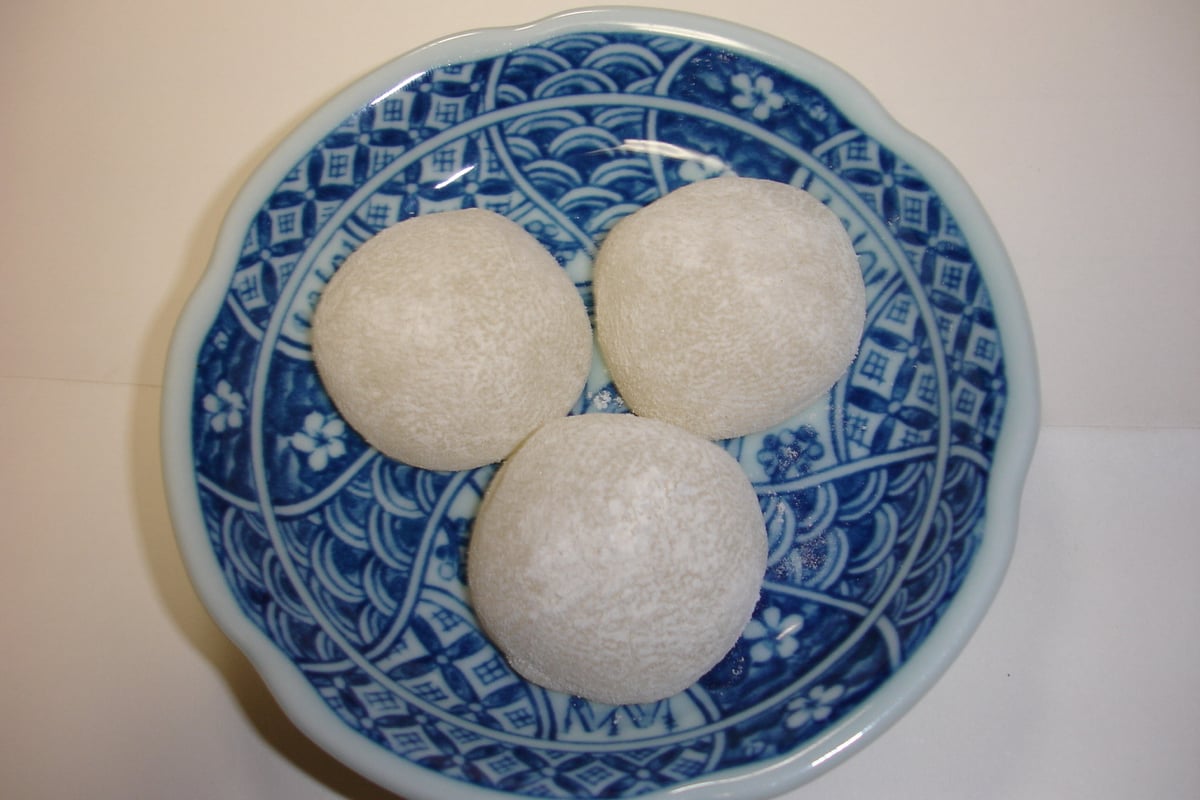
Kibi Dango (written 吉備団子) is a signature confection of Okayama and one of the most famous Okayama souvenirs, closely associated with the legend of Momotaro (the Peach Boy). The name is written with characters referring to 'Kibi,' the old provincial name for the Okayama area, and does not actually mean a dumpling made from millet (also pronounced kibi in Japanese), despite the similar-sounding name. It began as a simple steamed dumpling made from millet flour eaten as everyday food, but the confectionery shop Koeido, founded in 1856 (Ansei 3), transformed it into an elegant gyuhi-style confection suitable for tea gatherings under the guidance of Sanenzai Igi, a senior retainer of the Okayama domain at the time, establishing its status as a signature confection. Because Okayama is home to many sites associated with the legend of Kibitsuhiko-no-Mikoto and Ura, said to be the origin of the folktale Momotaro, the confection became linked in people's minds with the 'kibi dango' Momotaro carried in the story, and it grew into Okayama's most iconic souvenir.
Mamakari-zushi (Sappa Herring Sushi)
Mamakari-zushi
Mamakari-zushi is a signature local sushi of Okayama Prefecture, made from mamakari — a small fish caught along the Seto Inland Sea coast — filleted into three pieces, marinated in sweet vinegar, and placed atop vinegared rice. The standard Japanese name for mamakari is sappa, a small fish of the herring family that is at its fattiest and most flavorful from autumn into early winter. The name is said to come from a saying that the fish is so delicious people would go 'borrow rice (mama) from the house next door' for more of it, making it a food deeply familiar to the people of Okayama. It was selected as one of the Ministry of Agriculture, Forestry and Fisheries' '100 Local Dishes of Farming and Fishing Villages,' and is sold not only at home but also in boxed sets at sushi restaurants and souvenir shops. The distinctive tartness and umami of the vinegar-cured small fish pairs beautifully with the vinegared rice, making it a beloved dish that symbolizes Okayama's food culture.
Okayama Barazushi (Festival Sushi)
Okayama Barazushi
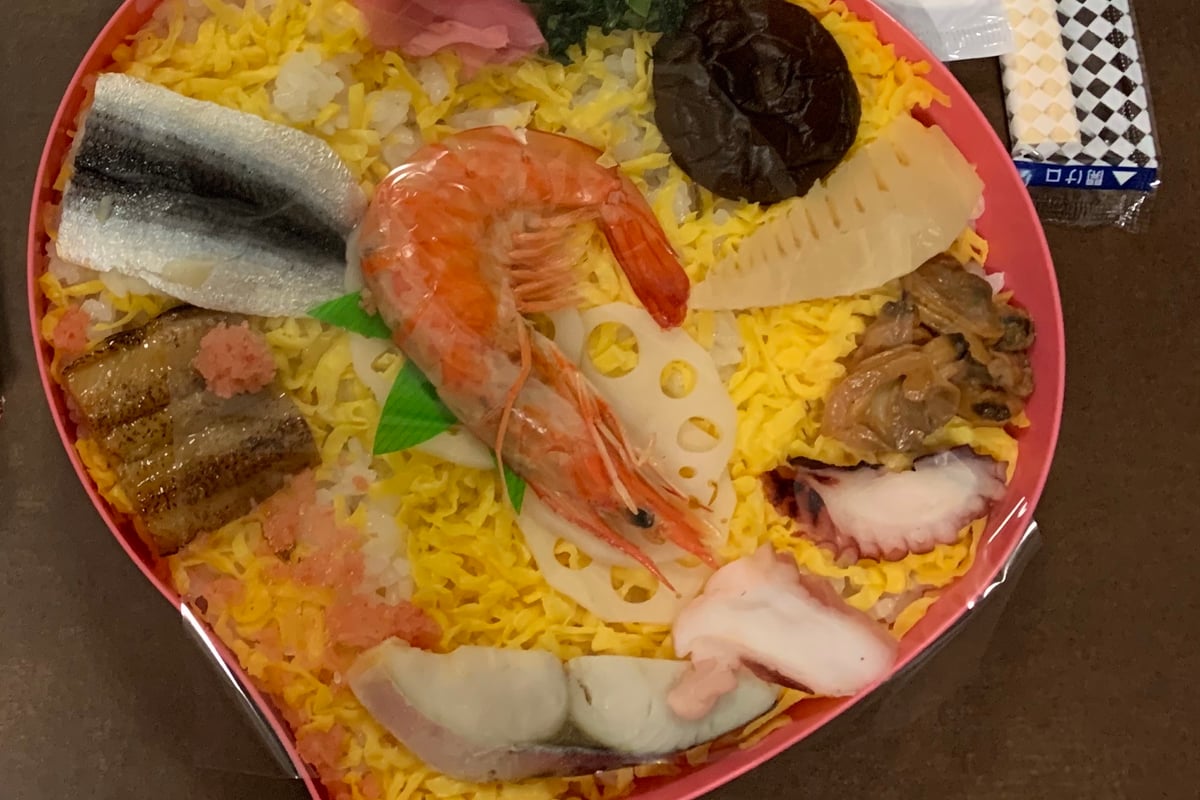
Okayama barazushi (also called matsuri-zushi, or 'festival sushi') is a local scattered sushi from Okayama Prefecture, topped with colorful seafood from the Seto Inland Sea and seasonal vegetables arranged over vinegared rice. It is said to have originated in the Edo period, when Ikeda Mitsumasa, the first lord of the Bizen Okayama domain, issued a sumptuary edict decreeing that meals should consist of only one soup and one side dish. In response, the common people devised the idea that 'piling toppings on top of rice is still just one dish,' and the tradition is said to have grown from there. It developed into an essential dish for festive occasions such as festivals, New Year, and entertaining guests, with each household adding its own character through the ingredients and arrangement used. Today it is served year-round at sushi restaurants throughout Okayama City and is affectionately known locally as 'barazushi.' Its colorful, festive appearance also makes it a popular dish among visitors to Okayama.
Ote Manju (sake-leavened steamed bun)
Ote Manju
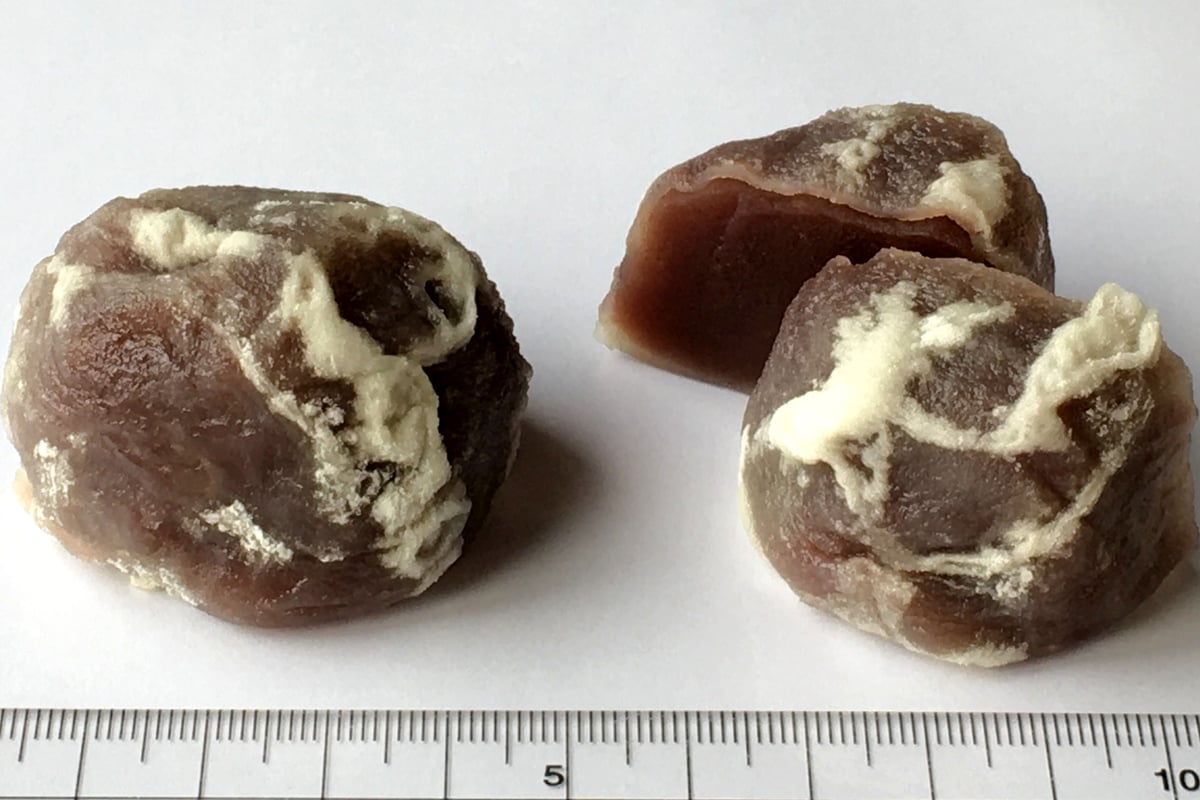
Ote Manju (also written Otemanju) is a signature sake-leavened manju made by Otemanju Imbeya, a confectionery shop founded in 1837 (Tenpo 8), and one of Okayama's representative confections. The dough is kneaded with amazake brewed from Bizen rice, then wrapped around smooth koshi-an bean paste made from Hokkaido azuki beans in a thin skin and steamed, resulting in a flavor where the gentle aroma and richness of the amazake harmonize with the refined sweetness of the bean paste. The shop takes its name 'Ote Manju' from its location in Kyobashi-cho, near Ote-mon, the main gate of Okayama Castle, and it is said to have been served, along with Bizen ware tea utensils, at tea gatherings held by the Ikeda family, lords of the Okayama domain, during the Edo period. It has since been cherished as a signature confection with ties to the Okayama domain, and remains widely sold today as one of Okayama's most representative souvenirs.
Tsuyama Horumon Udon (Offal Udon)
Tsuyama Horumon Udon
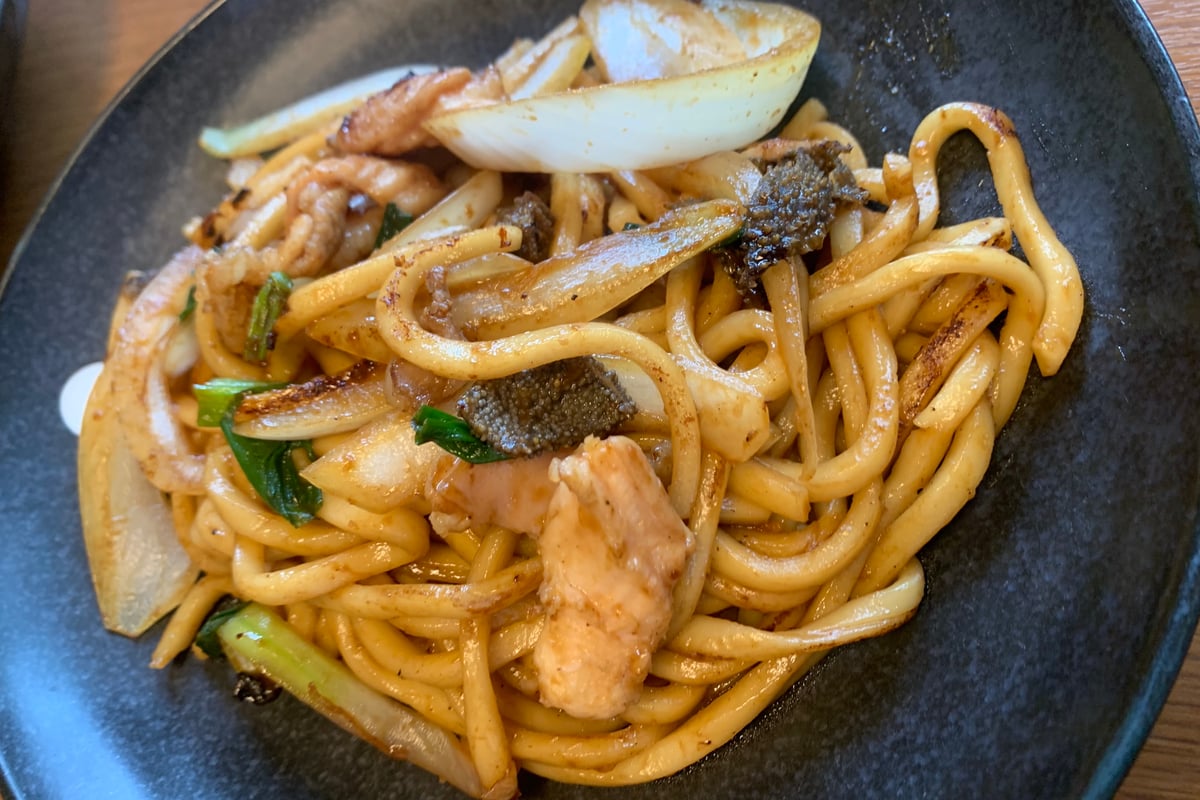
Tsuyama Horumon Udon is a local specialty of the Mimasaka region centered on Tsuyama City in Okayama Prefecture, made by stir-frying fresh mixed horumon (pork and beef offal) with vegetables and tossing it with udon noodles in a sweet-savory sauce based on miso and soy sauce. The Tsuyama area has long thrived as a hub for cattle and horse trading, and even in the era up to the Meiji period when eating meat was publicly shunned, beef was eaten there as an exception known as 'yojo-gui' (nourishing food), which allowed skills for handling fresh offal to develop. Building on this local heritage, Tsuyama Horumon Udon became a beloved way to enjoy horumon while it was still fresh. From around 2008, Tsuyama City and the 'Tsuyama Horumon Udon Kenkyukai' (Tsuyama Horumon Udon Research Group) began promoting it as a local specialty, and it won the Silver Grand Prix (2nd place) at the 2011 B-1 Grand Prix. Today more than 50 restaurants in Tsuyama City are said to serve the dish, making it a popular attraction for tourists.
Model Course
A full-day course of Bizen pottery and Seto Inland Sea cuisine
In the morning, stroll through the streets of Ibe, lined with Bizen-yaki kilns, and choose a piece of pottery at a shop belonging to the Touyukai potters' cooperative. A trip out to Osafune lets you also encounter the history of Bizen swords. For lunch, we recommend trying Hinase Kaki Okonomiyaki, made with fresh oysters, in the Hinase area of Bizen City.
A tour of the Kurashiki Bikan Historical Quarter and the textile town
Choose a Kurashiki Hanpu canvas bag in the Kurashiki Bikan Historical Quarter, with its rows of white-walled storehouses, then head on to Kojima to look for denim goods along Jeans Street. Some shops also let you see revived examples of Kurashiki Dantsu carpets in person. Finish the day with Ebi Meshi, an Okayama specialty, for lunch.
A tour of Okayama City and Momotaro-themed cuisine
After strolling around Okayama Castle and Kōraku-en, compare Ote Manju, associated with the Okayama Domain, with Kibi Dango, known through the legend of Momotaro. For lunch, enjoy the colorful Okayama Barazushi or Demi Katsudon, a pork cutlet rice bowl featuring demi-glace sauce.
Events
Bizen-yaki Festival
Every year, the third Saturday and Sunday of October / Around JR Ibe Station, Bizen City
View details →Uraja (Okayama Momotaro Festival)
Every year in mid-August (August 22–23 in 2026) / Central Okayama City (Shimoishii Park, Omotecho Shopping Street, City Hall Street, and other locations)
View details →