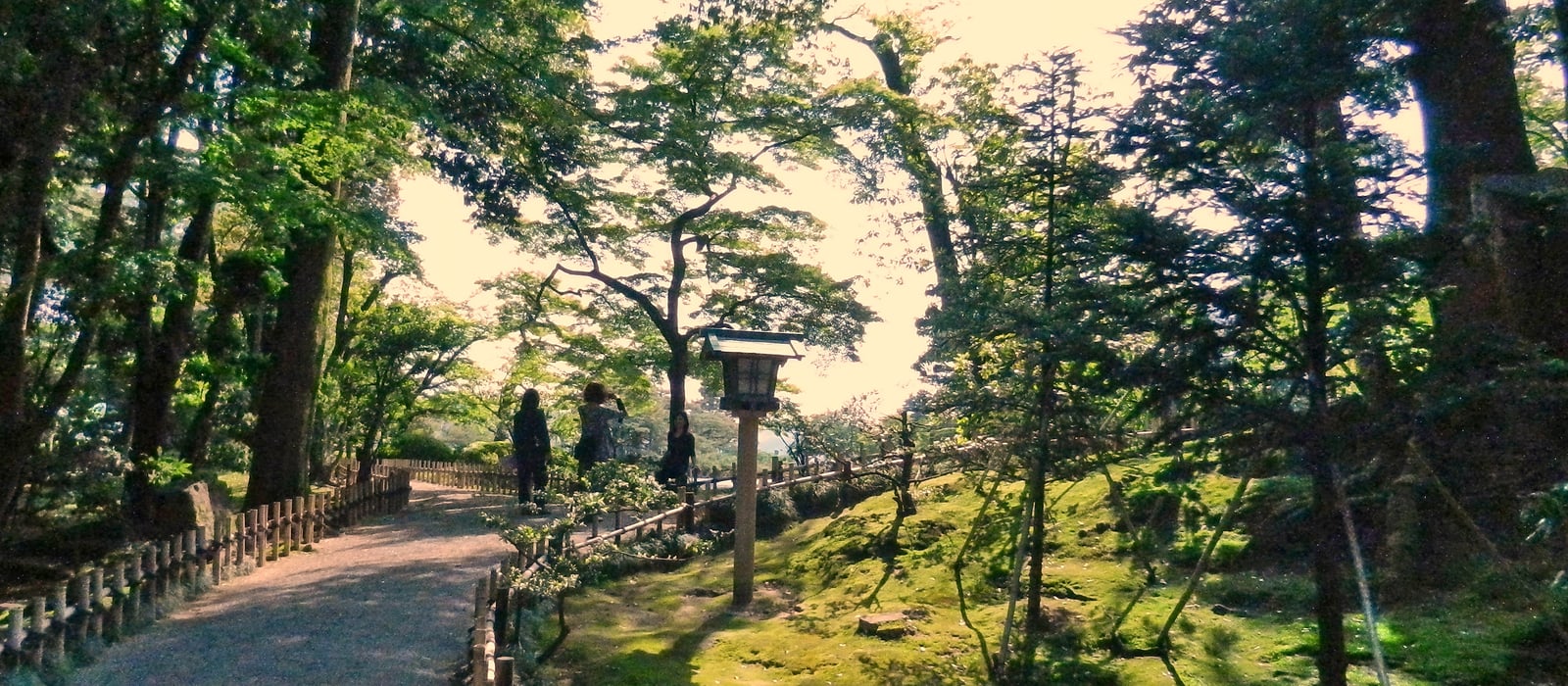
 Image: Wikimedia Commons
Ishikawa Prefecture
A region with a deep layer of both craft and food culture, nurtured under the rule of the Maeda family of the Kaga domain against a backdrop of samurai culture such as tea ceremony and Noh theater. It retains numerous traditional crafts in lacquerware, ceramics, and dyed textiles, including Wajima-nuri, Kutani ware, and Kaga Yuzen, along with techniques tied to the Maeda family such as Kanazawa gold leaf and Ohi ware. It is also rich in local dishes that make use of the bounty of the Sea of Japan and the wisdom of fermentation, such as Kaburazushi, Jibuni, and Kobako-gani, and visitors can enjoy touring production areas and long-established shops centered on Kanazawa's Omicho Market and the area around Kenrokuen Garden.
Ishikawa's Traditional Crafts
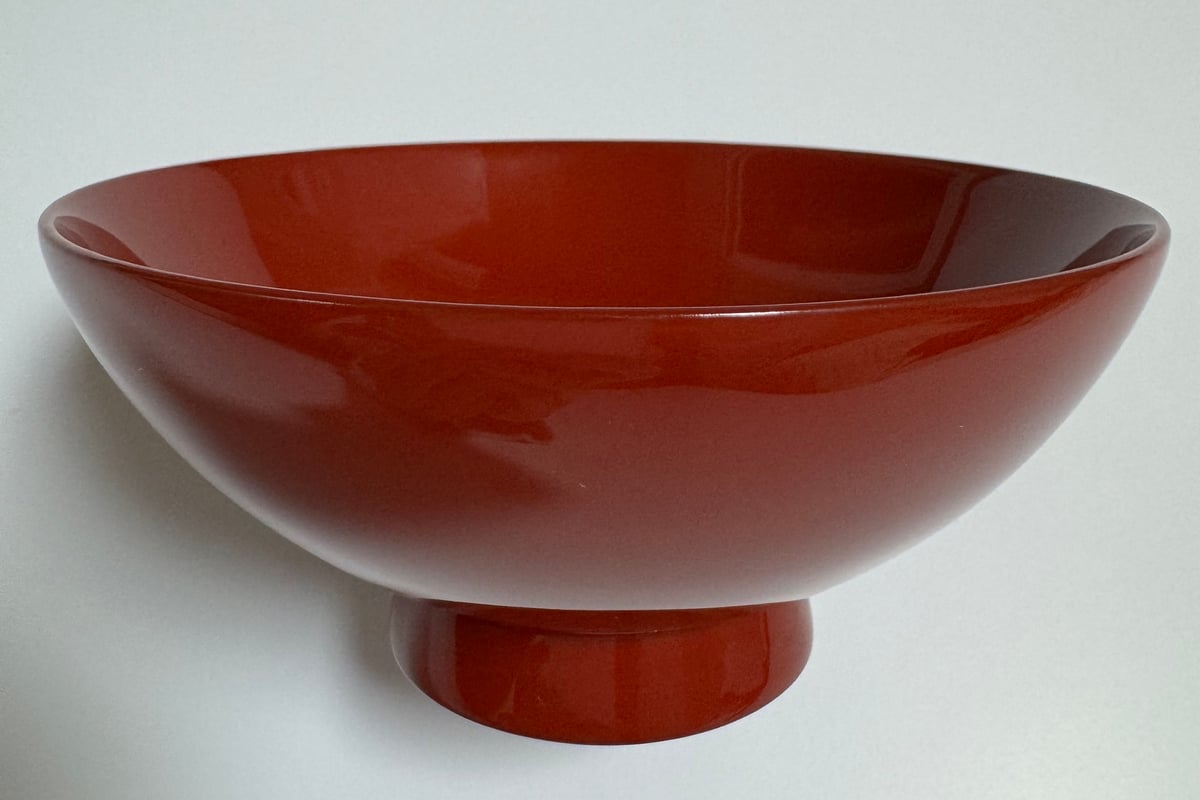
Wajima Lacquerware
Wajima-nuri
Wajima-nuri is lacquerware produced in Wajima City, Ishikawa Prefecture, representing Japan's finest lacquer craftsmanship, characterized by its sturdy undercoating and a wide range of decorative techniques. Although its origins remain uncertain, historical records confirm that lacquerers were already working in Wajima by 1476, and it is said that by 1582, in the Momoyama period, the region's distinctive undercoating material, 'jinoko,' was already in use. Through the 'nunokise' technique of reinforcing weak points in the wood base with hemp cloth and the 'hon-kataji' technique of building up the undercoat with jinoko — made from fired diatomaceous earth — mixed into lacquer, Wajima-nuri overcame the fragility that plagues ordinary lacquerware and developed into a remarkably sturdy craft. In the late Edo period, a door-to-door sales system called 'wanko' was established, expanding its market nationwide. The decorative technique of 'chinkin,' perfected in the 18th century, and 'maki-e,' introduced from Aizu in the early 19th century, also became synonymous with Wajima-nuri; it was designated a national Traditional Craft in 1975 and an Important Intangible Cultural Property in 1977. Made through more than 20 stages and over 100 individual steps in total, it is lacquerware that combines durability with splendor.
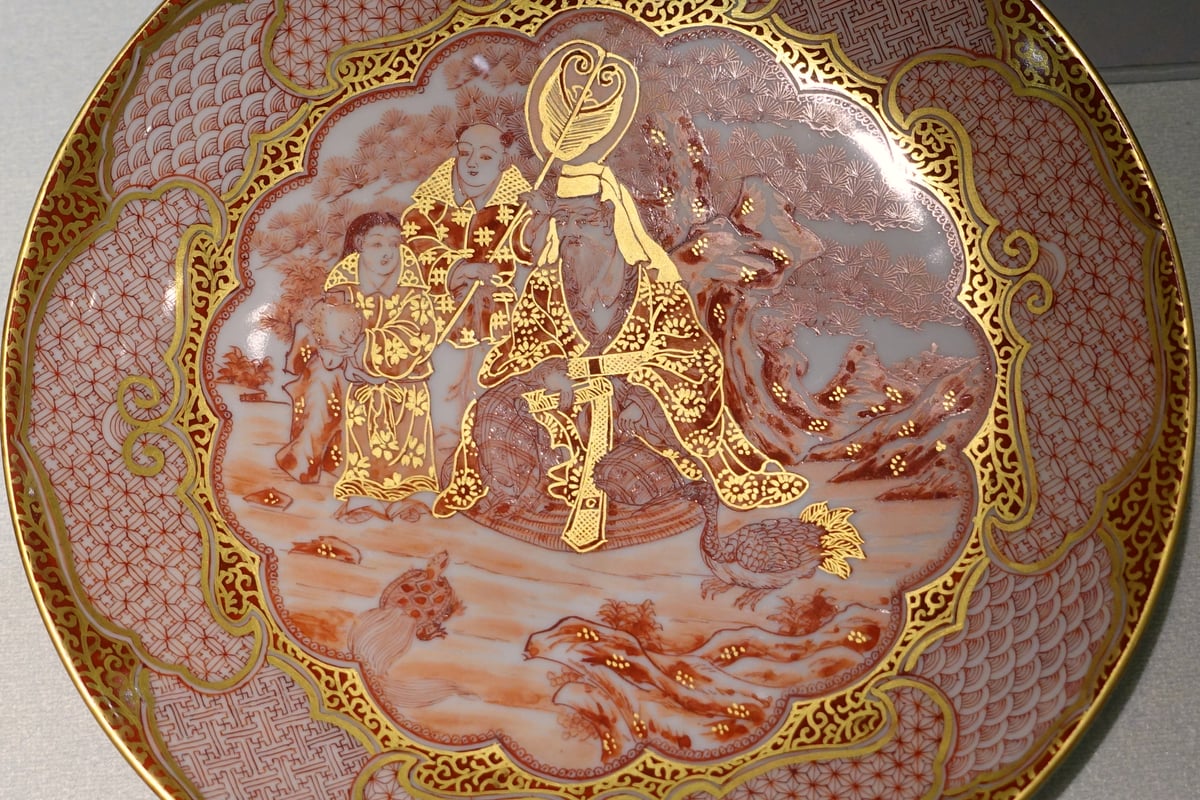
Kutani Ware
Kutani-yaki
Kutani ware is polychrome porcelain fired in the Kaga region of southern Ishikawa Prefecture, distinguished above all by its vivid overglaze painting in the 'Kutani Five Colors' — red, yellow, green, purple, and deep blue — known as Kutani gosai. Its origins trace back to the Meireki era (1655–1657), when Maeda Toshiharu, first lord of the Daishoji domain, a branch of the Kaga domain, learned that porcelain stone had been discovered in Kutani village within his territory and ordered the metalworker Goto Saijiro to fire polychrome porcelain there. Wares made during this period later became known as 'Ko-Kutani' (Old Kutani) and were highly acclaimed for their bold compositions and powerfully filled-in painting. However, the kiln at Kutani village closed after about 50 years, and production ceased for roughly a century. In the late Edo period, kilns aiming to revive Ko-Kutani sprang up one after another across the Kaga and Daishoji areas, a movement known as 'Saiko-Kutani' (Revived Kutani). Kilns such as Yoshidaya, Miyamotoya, and Eiraku each developed their own distinctive style while building on this foundation, establishing the basis for Kutani ware as it continues today. It is now produced mainly in Kanazawa, Komatsu, Kaga, and Nomi in southern Ishikawa Prefecture, and was designated a national Traditional Craft in 1975.

Kaga Yuzen Dyeing
Kaga-yuzen
Kaga Yuzen is a hand-painted silk dyeing tradition passed down mainly in Kanazawa, Ishikawa Prefecture, characterized by subdued coloring based on the five 'Kaga gosai' colors — indigo, ochre, grass green, ancient purple, and crimson — combined with realistic depictions of flowers and plants. Its origins are said to date back roughly 500 years to 'umezome,' a plain, undecorated dyeing technique unique to Kaga Province, and by the mid-17th century a patterned technique known as 'Kaga o-kunizome' had been established. During the Genroku era of the Edo period, Miyazaki Yuzensai, a fan painter who had made a name for himself, took up residence with the Kanazawa dye shop 'Tarodaya,' and his spread of the yuzen-nori technique of resist-dyeing with paste while applying multiple colors brought about a great leap forward for Kaga Yuzen. Distinctive design elements developed, including a naturalistic style that faithfully depicts flowers and leaves as they appear in nature with almost no use of gold or silver leaf and embroidery, the 'sotobokashi' technique of shading the outside of a pattern dark and fading toward the center, and 'mushikui,' which depicts insect-eaten marks on leaves. A system requiring each artist to sign works with their own seal has been established, and Kaga Yuzen is also well known as a craft with strong artistic individuality.
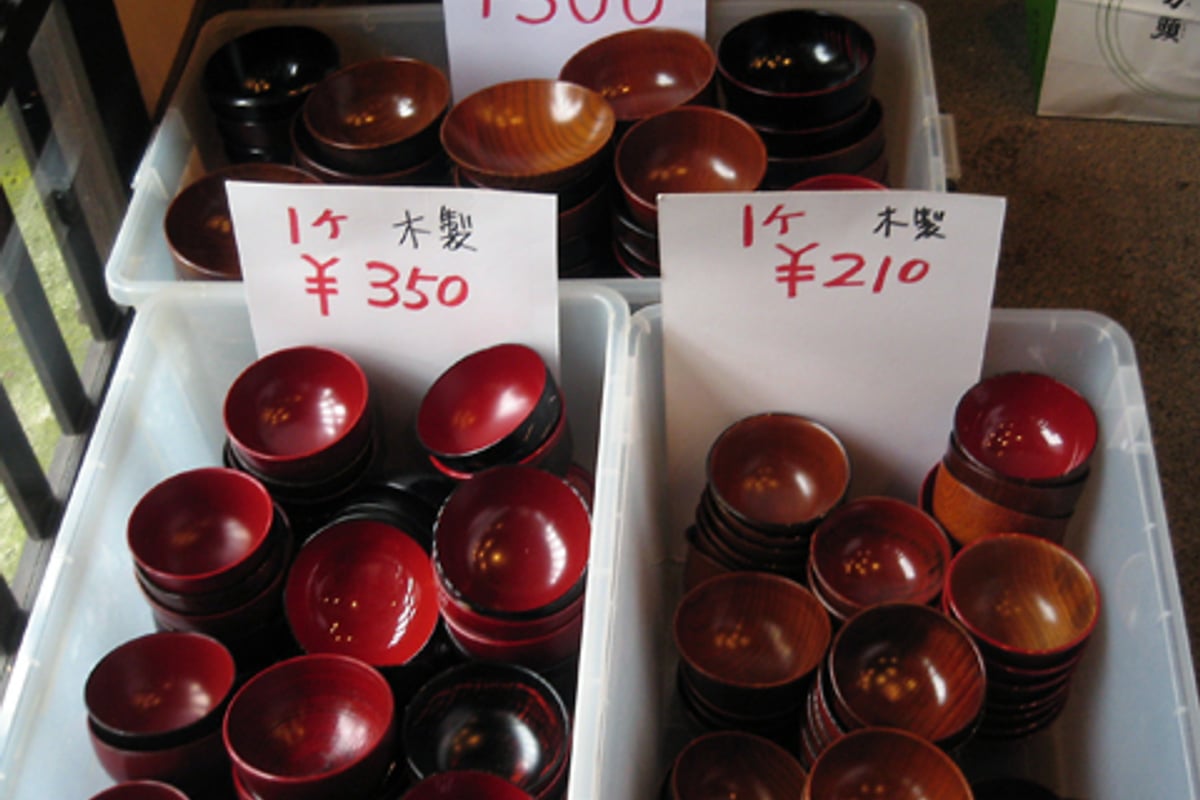
Yamanaka Lacquerware
Yamanaka-shikki
Yamanaka Lacquerware is produced mainly in the Yamanaka Onsen district of Kaga City, Ishikawa Prefecture, and is known for its exceptional wood-turning skill, earning it the nickname 'Yamanaka of the woodwork.' It is said to have begun in the Azuchi-Momoyama period, when a group of wood-turning craftsmen who traveled from mountain to mountain making bowls and trays on lathes settled in the Masago area upstream of Yamanaka Onsen and began turning wood there. During the Edo period, lacquering and maki-e techniques were introduced from Aizu, Kyoto, and Kanazawa, adding decorative turning and vermilion-tinted lacquering techniques unique to the region. Its greatest characteristic is its lathe-turning craftsmanship: 'tategi-dori,' cutting wood along the grain to produce a beautiful, warp-resistant base, along with intricate decorative turning techniques unmatched elsewhere, such as 'sensuji,' carving a dozen or more fine lines into a width of just three millimeters, and 'usubiki,' turning wood so thin it becomes translucent. In the field of turned woodwork, its craftsmen are considered top-class nationwide in both skill and numbers, and it was designated a national Traditional Craft in 1975.
Kanazawa Gold Leaf
Kanazawa-haku
Kanazawa Gold Leaf is gold leaf produced mainly in Kanazawa, Ishikawa Prefecture, and accounts for over 99% of all gold leaf used in Japan. Its origins are said to trace back to 1593, when Maeda Toshiie, founder of the Kaga domain, ordered gold leaf production to begin in Kanazawa while on campaign accompanying Toyotomi Hideyoshi's invasion of Korea. During the Edo period, the shogunate issued a ban restricting gold and silver leaf production to Edo and Kyoto, but the Kaga domain continued making it in secret, refining techniques to produce large quantities of high-quality gold leaf from limited materials. In 1864, thanks to the efforts of its craftsmen, gold leaf production was finally officially authorized as work for the shogunate. After the Meiji Restoration, while Edo's leaf makers declined, Kanazawa's gold leaf industry continued to grow. The craftsmanship of hammering an alloy of pure gold with a small amount of silver and copper into sheets roughly one ten-thousandth of a millimeter thick, together with Kanazawa's favorable climate and water quality, has produced a level of skill unmatched by any other region. It was designated a material for Traditional Crafts in 1977.
Ushikubi Tsumugi Silk
Ushikubi-tsumugi
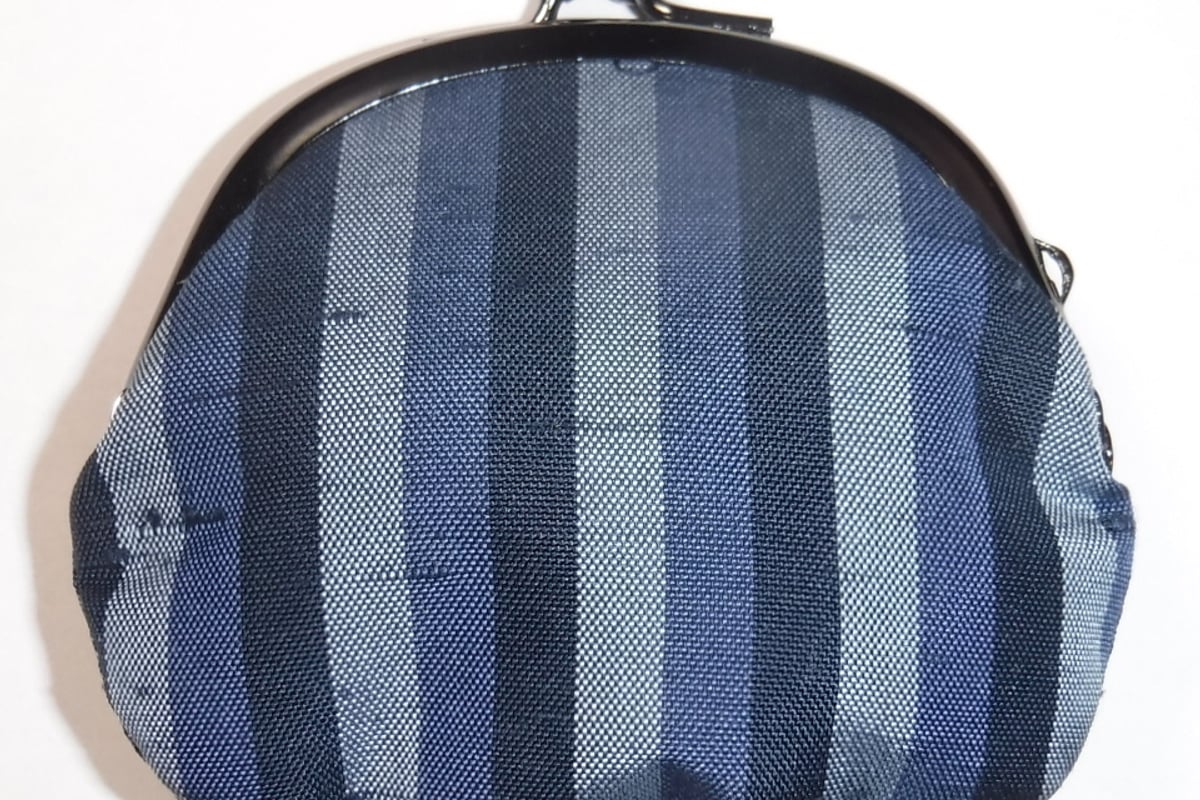
Ushikubi Tsumugi is a silk fabric that has been woven for about 800 years in Shiramine (the former village of Ushikubi), at the foot of the sacred Mount Hakusan in Hakusan City, Ishikawa Prefecture. Its greatest characteristic is the use of 'tamamayu,' double cocoons spun jointly by two silkworms, as raw material; the thread is drawn out by hand from cocoons boiled in hot water, a traditional reeling method called 'zaguri.' This tamaito thread contains irregular slubs yet is rich in elasticity and stretch, producing fabric with a distinctive supple sheen and durability. It is strong enough to resist tearing even when caught on a nail, earning it the nickname 'nail-puller tsumugi,' and its high practicality, able to withstand everyday use, has long been valued. In Shiramine, a heavy snowfall region with steep terrain and little farmland, sericulture became a valuable source of cash income from early times, and tsumugi weaving was carried on as women's handiwork. Today the tradition continues to be preserved, centered on weaving workshops in Shiramine.
Kanazawa Buddhist Altars
Kanazawa-butsudan
Kanazawa Butsudan are gilded Buddhist altars developed in Kanazawa, the castle town that flourished under the Kaga domain's million-koku wealth, and were designated a national Traditional Craft in 1976. Their development traces back to 1471, when the priest Rennyo spread Jodo Shinshu Buddhism throughout the Hokuriku region, leading to the construction of meeting halls and temples in communities across the area and a corresponding rise in demand for altars. During the era of the Kaga domain's third lord, Maeda Toshitsune, master craftsmen were invited from Kyoto and Edo to work in dedicated workshops, laying the technical foundation for this art form. Kanazawa Butsudan are made through a complete division of labor among seven specialist craftsmen — woodworkers, shrine-structure carvers, lacquerers, maki-e gold-lacquer artists, wood carvers, gold-leaf appliers, and metal-fitting makers — each perfecting a distinct craft, which is a defining characteristic of the tradition. A particularly distinctive feature, rarely seen in altars from other regions, is the application of polished and raised maki-e across a wide area including the front pillars, tiered edges, central pillars, doors, and drawers. Combined with a sturdy structure using durable Aomori hiba wood joined with mortise-and-tenon joints, this results in altars that are both lavishly ornate and built to last, a tradition carried on to this day.
Ohi Ware
Ohi-yaki
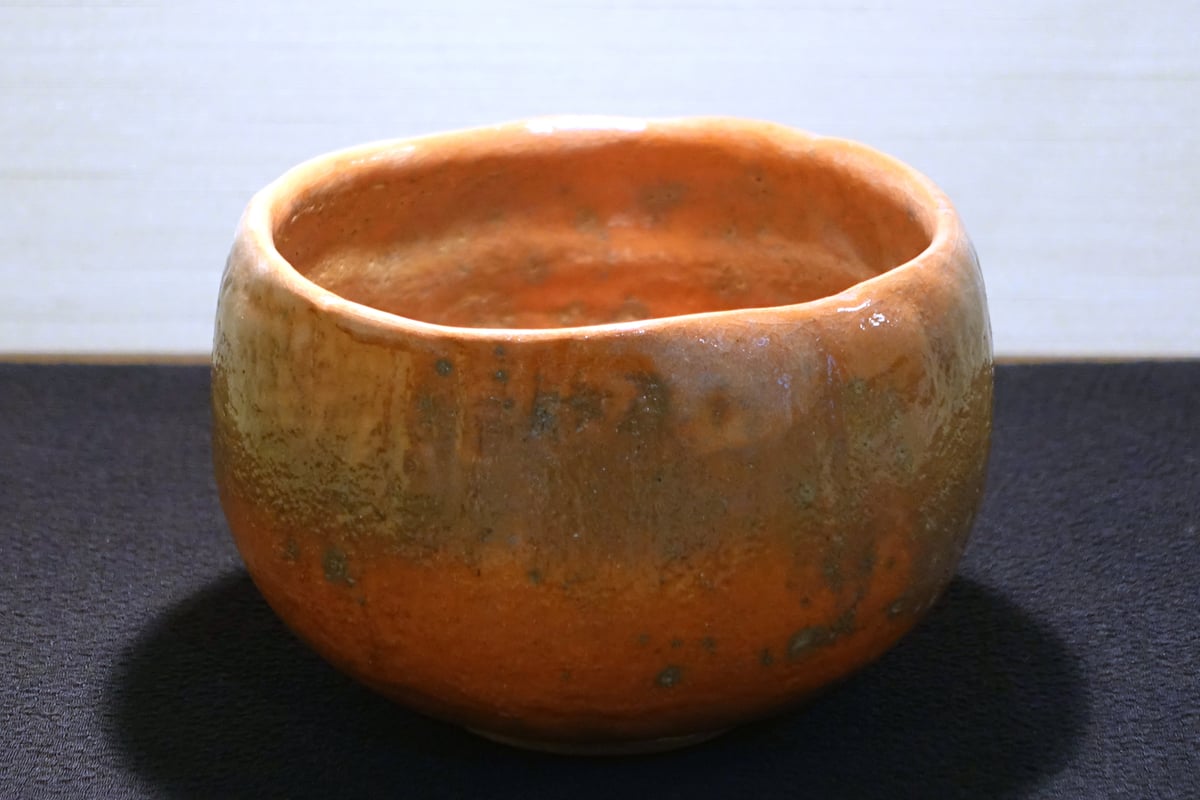
Ohi ware is a ceramic tradition that has continued in Kanazawa for over 350 years as a branch kiln of Kyoto's raku ware. It began in 1666 (Kanbun 6), when Maeda Tsunanori, fifth lord of the Kaga domain, invited Sensō Sōshitsu, fourth-generation head of the Urasenke school of tea, from Kyoto to serve as tea-implement magistrate; the potter Haji Chozaemon, a senior disciple of Ichinyū, fourth-generation head of the Raku family and Sensō's teacher, accompanied him. Even after Sensō returned to Kyoto, Chozaemon remained in Kanazawa, and, discovering fine clay in Kahoku District's Ohi village (present-day Ohi-machi, Kanazawa), began calling his ware Ohi-yaki after the place name. Since the Raku family held an exclusive monopoly on black and red raku glazes, the Ohi family developed its own amber glaze, giving rise to warm, amber-colored tea bowls suited to the snow country — its most distinctive feature. The hand-forming technique, shaping vessels by hand and spatula without a potter's wheel, also carries on the raku tradition, and having flourished as the official kiln of the Maeda family, it continues today as a tea ceramic representative of Kanazawa.
Kaga Embroidery
Kaga-nui
Kaga-nui is an embroidery craft of Ishikawa Prefecture that uses silk thread along with gold and silver thread to raise designs into vivid, three-dimensional relief. It is said to have begun in the early Muromachi period, transmitted from Kyoto as a decorative technique for altar cloths and priests' vestments alongside the spread of Buddhism into the Kaga region. During the Edo period, it received generous protection from successive lords of the Kaga domain and came to be used to decorate samurai battle coats and Noh costumes, developing independently as one of Kaga's traditional dyeing and weaving crafts alongside Kanazawa gold leaf and Kaga Yuzen. Its greatest characteristic is the ability to render painting-like delicacy and dimensionality in thread, using a range of techniques such as 'kusarinui' (chain stitch), 'matsurinui,' and 'suganui.' In May 1991, it was designated a national Traditional Craft by the Minister of International Trade and Industry (now the Minister of Economy, Trade and Industry), and today it is produced mainly in Kanazawa, Hakusan, and Nomi, with a wide range of items made — from ceremonial garments to contemporary accessories.
Futamata Washi Paper
Futamata-washi
Futamata Washi is a handmade paper that has been produced in the Futamata district of Kanazawa for over 1,300 years. Tradition holds that it began during the Yoro era of the Nara period (717–724), when the monk Taicho opened a temple on Mount Ioyama, and it developed further during the Bunroku era (1592–1596) as a papermaking site protected for producing paper for official use by the Kaga domain. When Maeda Toshiie entered Kaga Province in 1583, he learned that Futamata was already a papermaking area, ordered paper from it, and extended his protection, and thereafter the Kaga domain is said to have used Futamata paper as its official ceremonial paper, 'goryoshi.' The climate of Futamata causes the kozo (paper mulberry) fibers to grow short, producing paper that is both strong and delicate in texture — a quality that has made it suitable for calligraphy paper, colored paper, foil-beating paper used in making Kanazawa gold leaf, and the prestigious Kaga hosho ceremonial paper. Today, local craftspeople still carry out the entire process from growing kozo to papermaking, preserving the traditional methods.
Ishikawa's Local Food
Kaburazushi
Kaburazushi
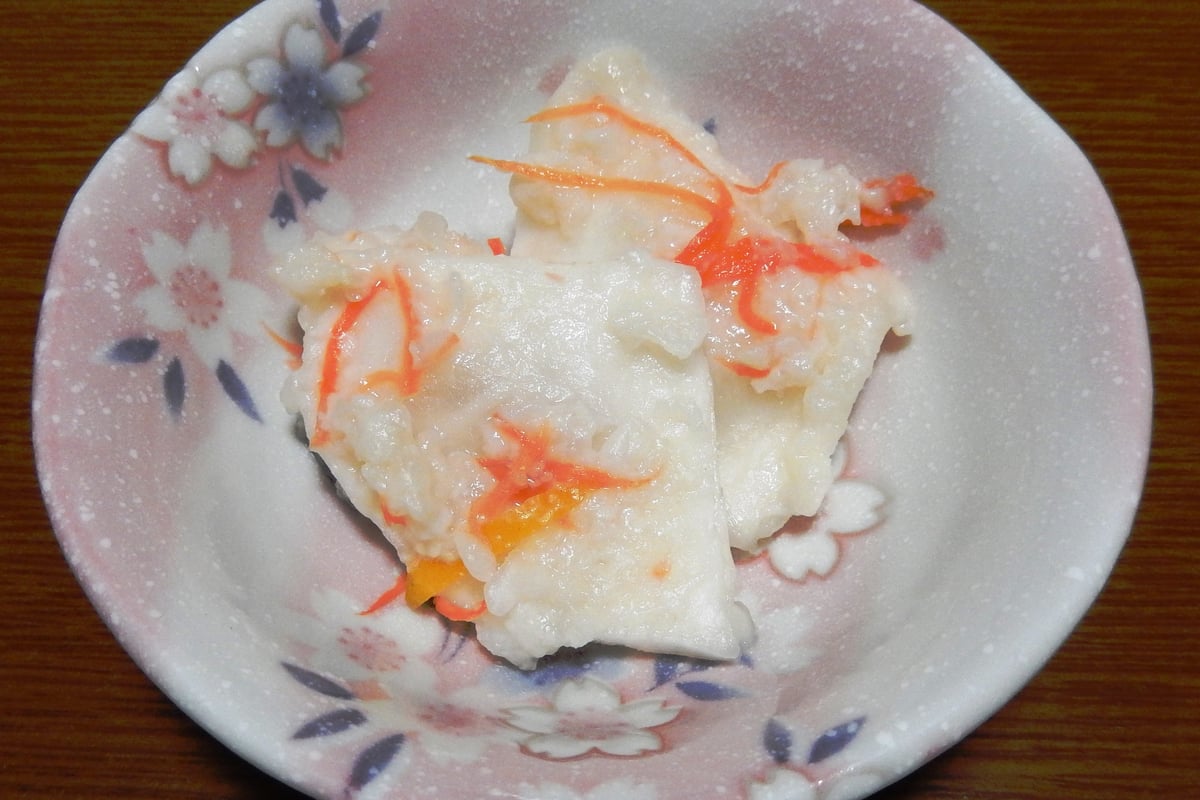
Kaburazushi is a fermented dish representative of Ishikawa Prefecture, made by sandwiching salted yellowtail between slices of salted 'kabura' (a Kaga heirloom vegetable, a type of turnip) and pickling them together with rice malt (koji) to ferment. Unlike Edo-style sushi, which uses vinegared rice, this is a type of 'narezushi,' drawing out sourness and umami through lactic fermentation, and it has long been cherished in the Kanazawa and Kaga regions as a festive dish and gift item from winter into the New Year. The richness of the yellowtail fat, the sweetness of the koji, and the crisp texture of the kabura layer together, deepening in flavor with every bite. Its origins remain uncertain, with several theories in circulation — that fishermen of Kanaishi-cho prayed for a bountiful catch and safe voyages by eating it as a New Year dish, or that it was served to a Maeda domain lord — but none has been confirmed. Today it is still sold as a winter-only item at Kanazawa's pickle shops and traditional restaurants, and remains one of Ishikawa's representative winter delicacies.
Jibuni
Jibuni
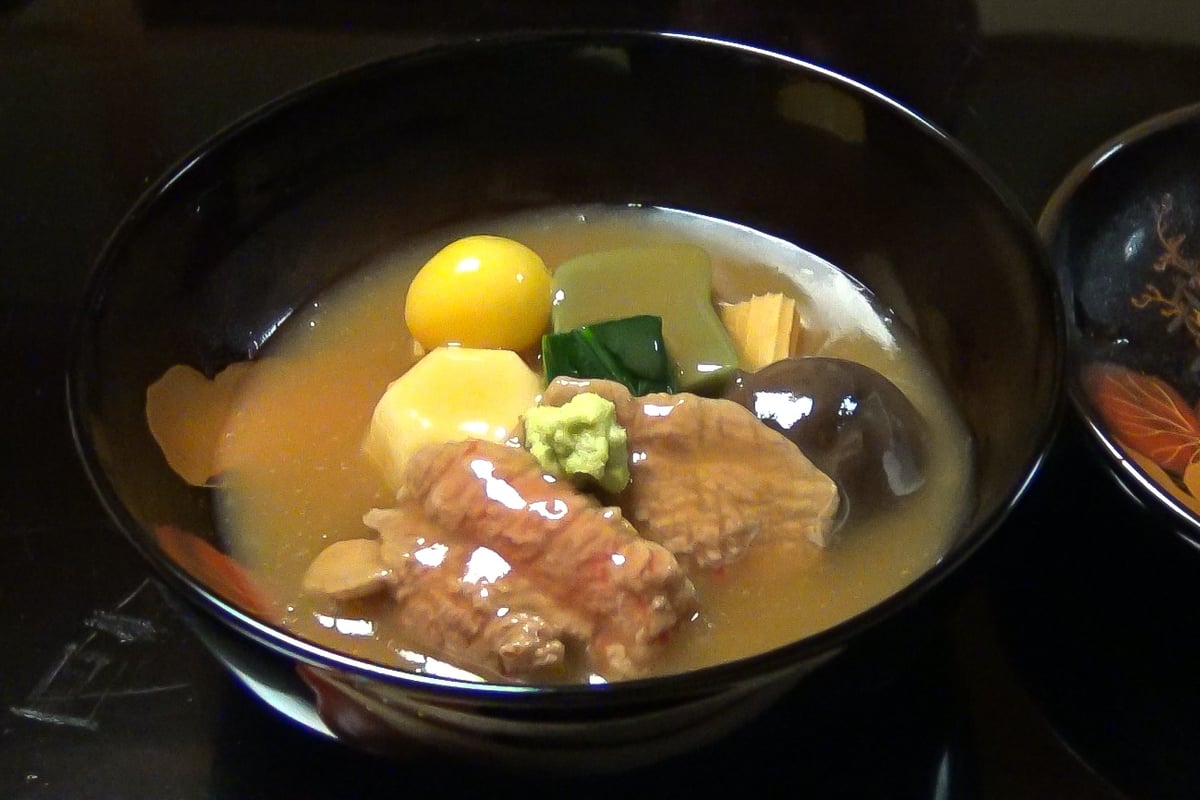
Jibuni is a simmered dish representative of Kaga cuisine, made by dredging thinly sliced duck or chicken in wheat flour and simmering it together with Kanazawa's local 'sudare-fu' wheat gluten cake, lily bulb, shiitake mushroom, and other seasonal vegetables. Its greatest characteristic is the mild, gentle texture created as the flour thickening clings to the ingredients, finished off with the sharp, fragrant accent of grated wasabi added at the end. It is a dish with a long history, eaten among samurai households since at least the Edo period, and it is still served today as a winter staple at restaurants and traditional Japanese eateries connected to the Kaga domain. Its origins remain uncertain, with several theories in circulation — that the Christian daimyo Takayama Ukon learned the recipe from a missionary and brought it to the Kaga domain, that Okabe Jibuemon, a retainer of Toyotomi Hideyoshi, brought it from Korea — but none has been confirmed. It is a signature local dish well worth trying on a visit to Kanazawa.
Kanazawa Oden
Kanazawa oden
Kanazawa Oden is a local soul food eaten year-round by the people of Kanazawa, characterized by a refined, clear Kansai-style broth made from kombu and dried fish stock, sharpened with locally made Ono soy sauce. Part of its great appeal lies in the local ingredients not found in oden from other prefectures — locally landed 'bai' whelks, 'kuruma-fu' wheel-shaped wheat gluten that soaks up the broth, and in winter, 'kani-men,' crab shell stuffed with miso and crab meat and simmered. Oden is said to have become popular in Kanazawa around the end of the Meiji era, first served at celebratory events, and long-established oden shops founded in the early Showa era still keep their doors open today, bustling with both locals and tourists. Many shops serve it even in summer, making year-round enjoyment another distinctive feature of Kanazawa Oden.
Fugunoko Nukazuke (Fermented Pufferfish Ovaries)
Fugunoko nukazuke
Fugunoko Nukazuke is a delicacy handed down in the Mikawa district of Hakusan City, Ishikawa Prefecture, and other areas, made by salting and then rice-bran pickling the ovaries of pufferfish, which contain the deadly poison tetrodotoxin, fermenting them slowly for two to three years to detoxify them before eating. It is a fermented food with a long history, prized since the Edo period as a gift presented to the Kaga domain. The disposal of the highly poisonous organs is normally required by the Food Sanitation Act, but in Ishikawa, because it is a traditional industry continuing since the Edo period and no accidents have been reported over many years, its production is permitted only to operators licensed by the prefecture. Exactly how the poison is removed is still not fully understood scientifically even today; it is an extraordinary fermented food transformed into a safe delicacy through methods and experience passed down across generations. Thinly sliced, it is enjoyed as an accompaniment to sake or as a topping for ochazuke.
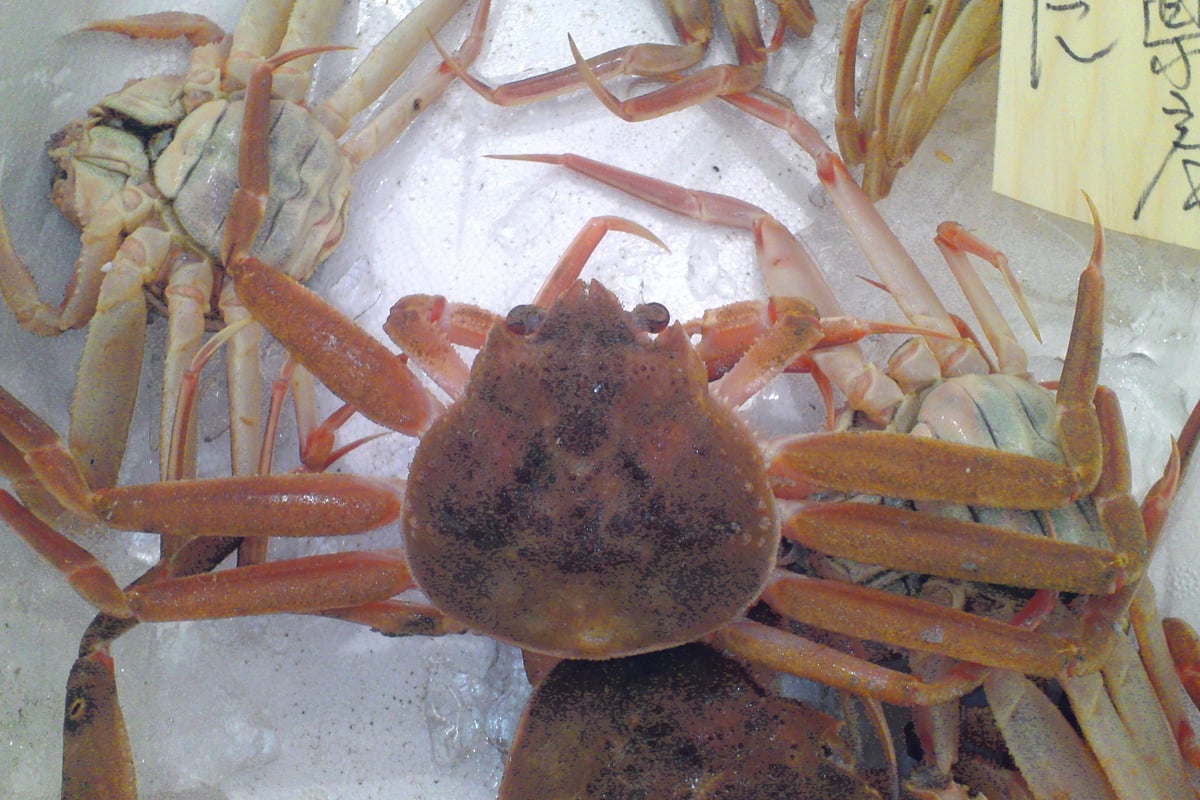
Kobako-gani
Kobako-gani
Kobako-gani is the local Ishikawa name for female snow crab, and while its shell is only about half the size of the male 'Kano-gani,' its appeal lies in the abundant immature roe called 'uchiko' along with crab miso packed inside the shell, and the mature roe called 'sotoko' carried under its belly. There are several theories about the origin of the name: that the rounded shape of its shell resembles a 'kobako,' a tea-ceremony incense box; that it comes from the local dialect word 'kobaku,' meaning 'cute'; and that the novelist Muro Saisei was involved in naming it. To protect the resource, the fishing season is short, running only from the opening on November 6 to around December 29, and during this period alone, crowds flock to Omicho Market and restaurants throughout the city to enjoy this winter tradition of Kanazawa. With its rich uchiko and sotoko and the delicate sweetness of its meat, it offers a charm distinct from that of Kano-gani.
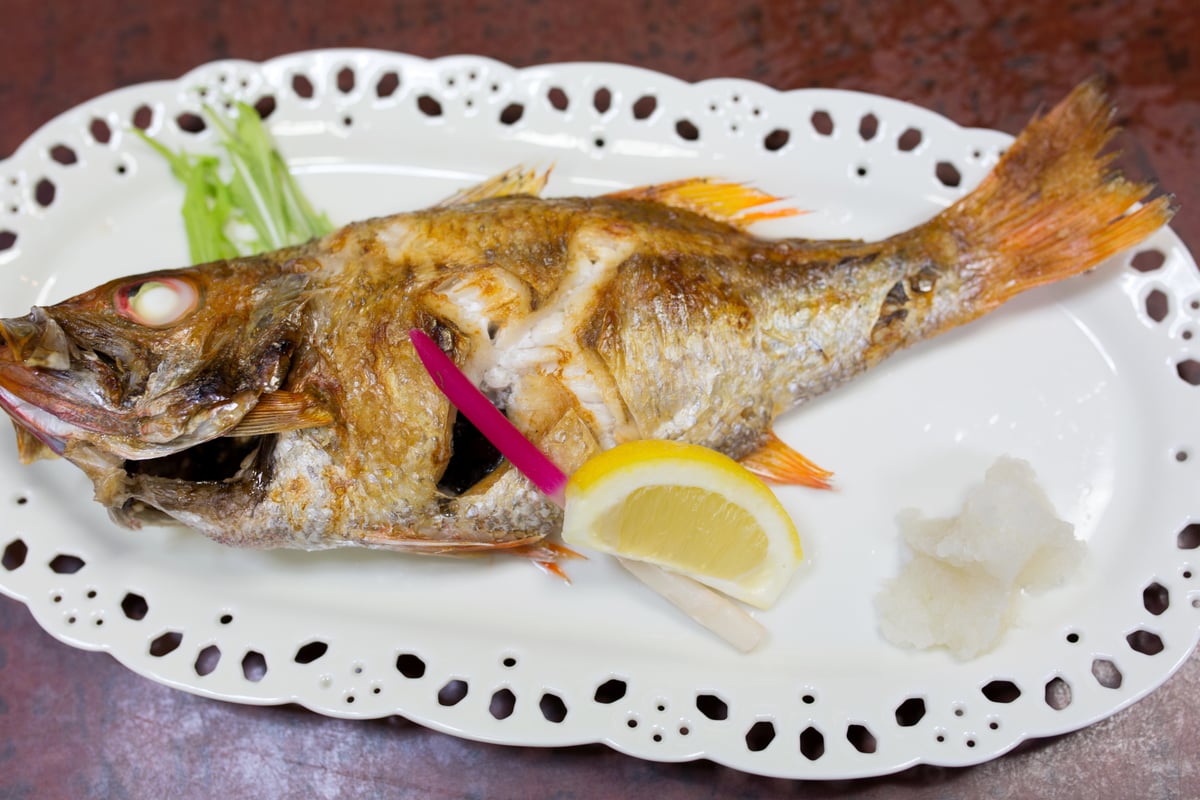
Nodoguro Dishes
Nodoguro ryori
Nodoguro dishes showcase 'nodoguro,' a prized fish landed in the waters off Kanazawa, Ishikawa Prefecture, prepared in a variety of ways including salt-grilling, sashimi, shabu-shabu, and rice cooked in a small pot. Its official Japanese name is akamutsu, but it is popularly known as 'nodoguro' (literally 'black throat') because the back of its mouth appears black when opened. Despite being a white-fleshed fish, it carries rich fat, earning it the nickname 'the toro of white fish,' and in Kanazawa it has long been regarded as an auspicious fish served on occasions such as New Year's and memorial services. Once a familiar fish that appeared on ordinary dinner tables along the Sea of Japan coast, it gained nationwide popularity after being featured on television, and in recent years its price has risen, making it a premium fish today. Restaurants around Omicho Market offer a variety of specialty preparations, including rice cooked in a small pot with a whole nodoguro and elaborate kaiseki courses.
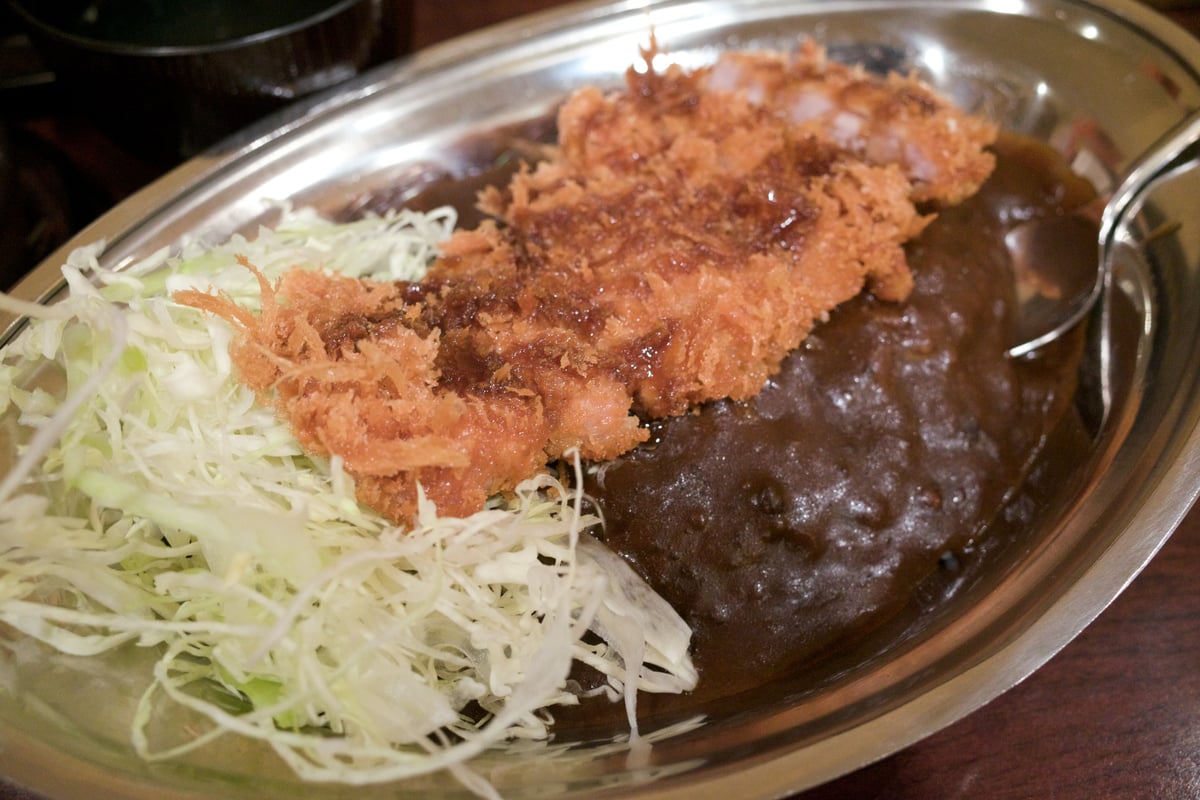
Kanazawa Curry
Kanazawa curry
Kanazawa Curry is a local-style curry that developed in Kanazawa, Ishikawa Prefecture, characterized by its distinctive presentation: a thick, dark roux topped with a layer of shredded cabbage, a pork cutlet, and sauce. The Kanazawa Curry Association defines Kanazawa Curry by five elements: the roux is thick and rich; shredded cabbage is served as a side; it is plated on a stainless steel dish; it is eaten with a fork or a spork; and the cutlet is topped with sauce. Its roots trace back to the Western-style restaurant 'Yoshoku Tanaka,' which opened in 1961; several shops that spun off or descended from it spread across Kanazawa, each developing its own take and refining the style now recognized today. The name 'Kanazawa Curry' itself is relatively recent, first coming into use when Gogo Curry expanded outside the prefecture; locally, shops had long been known simply by their own names, such as 'Turban' or 'Chan-Curry.'
Yubeshi
Yubeshi
Yubeshi is a traditional confection of Wajima, Ishikawa Prefecture, made by hollowing out a yuzu citrus like a vessel, filling it with miso and glutinous rice flour, smoking it, and then slowly drying it over about half a year. In particular, the Wajima version made using a whole yuzu is known as 'maru yubeshi' (whole yubeshi) and is celebrated as a signature confection representative of the Noto region. Its origins are said to trace back to a preserved, portable food of the Genpei period, with descriptions believed to be its prototype found in Muromachi-era documents. Because of its long shelf life, it was valued as a portable food and a gift for business contacts by Wajima-nuri lacquerware peddlers who traveled the country selling their wares, and its reputation spread far and wide. The recipe has traditionally been handed down within families as a closely guarded secret, and it continues to be made using time-honored handwork today.
Choseiden
Chouseiden
Choseiden is a red-and-white rakugan confection made by the long-established Kanazawa confectioner Morihachi, counted alongside Niigata Prefecture's 'Koshi-no-yuki' and Shimane Prefecture's 'Sanka' as one of Japan's 'Three Great Confections.' It began in the early Edo period when Maeda Toshitsune, third lord of the Kaga domain, ordered the making of a confection for the Tanabata festival; the design was decided with advice from Kobori Enshu, founder of the Enshu school of tea, who is also said to have named the confection himself. Made with wasanbon sugar from Shikoku and glutinous rice flour from the Hokuriku region, it is still pressed one piece at a time in wooden molds engraved with the characters 'Choseiden' in Kobori Enshu's own hand, a traditional method preserved to this day. Once revered as a confection reserved exclusively for the Kaga domain's lord, it has a distinguished history of being presented to Emperor Gomizunoo and the Tokugawa shogunate, and today it remains beloved as a souvenir confection representative of Kanazawa.
Himuro Manju
Himuro manju
Himuro Manju is a lucky steamed bun eaten in Kanazawa on 'Himuro no Hi' (Ice House Day), which falls on the first day of the sixth month by the old lunar calendar — now observed on July 1 — to pray for good health. During the Edo period, the Maeda family of the Kaga domain stored snow that fell over the winter on the Hakusan mountain range in ice houses, and on the first day of the sixth month of the old calendar, it was customary to present this snow to the shogunate in Edo as 'Hakusan-gori' (Hakusan ice). It is said that runners known as Kaga hikyaku covered the roughly 480-kilometer journey in just four days, and it is believed that the practice of ordinary townspeople offering steamed buns to the gods and Buddhas to pray for the safe passage of this delivery gave rise to Himuro Manju. The buns come in three colors — white, red (pink), and green — said to symbolize purity, protection from evil, and health respectively. They are plump sake-yeast steamed buns filled with smooth sweet bean paste, and remain a summer tradition in Kanazawa, with confectionery shops throughout the city putting them on display all at once as July 1 approaches.
Model Course
Half-Day Course: Kaga Ceramics and Flavors in Central Kanazawa
Enjoy seasonal seafood such as Kobako-gani and nodoguro at Omicho Market, then savor Jibuni at a long-established restaurant. Combine this with a stroll through Kenrokuen Garden and visits to an Ohi ware kiln and the Kutani ware museum to experience Kaga's tea ceramic culture, on this loop course around central Kanazawa.
Full-Day Course: Visiting Lacquerware Production Areas in Wajima and Yamanaka Onsen
Watch craftsmen at work at the Wajima Lacquerware Hall and Wajima Kobo Nagaya, then try your hand at lathe-turning Yamanaka Lacquerware in Yamanaka Onsen. Savor traditional Noto confections at a long-established Yubeshi shop, and immerse yourself fully in the lacquerware culture of these production areas on this day-long course.
Casual Course: Kanazawa Food and Everyday Local Favorites
Sample beloved local dishes such as Kanazawa oden, Kaburazushi, and Kanazawa curry, and along the way, experience the world of Ushikubi Tsumugi weaving and Kaga Yuzen kimono culture in the Higashi Chaya district — a relaxed, easygoing way to explore Kanazawa.
Events
Wajima Taisai
Every year, August 22–25 / Throughout Wajima City
Kanazawa Hyakumangoku Matsuri
Every year, early June / Central Kanazawa