Image: Wikimedia Commons
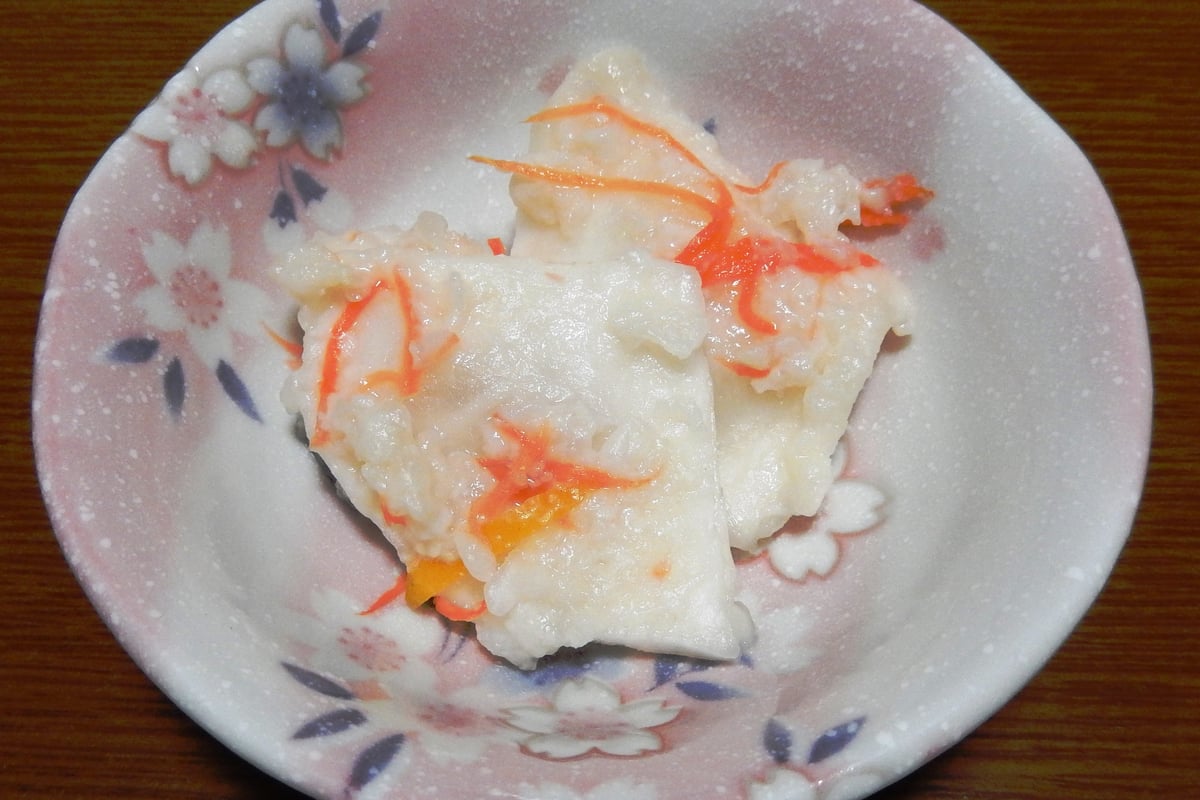
Kaburazushi is a fermented dish representative of Ishikawa Prefecture, made by sandwiching salted yellowtail between slices of salted 'kabura' (a Kaga heirloom vegetable, a type of turnip) and pickling them together with rice malt (koji) to ferment. Unlike Edo-style sushi, which uses vinegared rice, this is a type of 'narezushi,' drawing out sourness and umami through lactic fermentation, and it has long been cherished in the Kanazawa and Kaga regions as a festive dish and gift item from winter into the New Year. The richness of the yellowtail fat, the sweetness of the koji, and the crisp texture of the kabura layer together, deepening in flavor with every bite. Its origins remain uncertain, with several theories in circulation — that fishermen of Kanaishi-cho prayed for a bountiful catch and safe voyages by eating it as a New Year dish, or that it was served to a Maeda domain lord — but none has been confirmed. Today it is still sold as a winter-only item at Kanazawa's pickle shops and traditional restaurants, and remains one of Ishikawa's representative winter delicacies.
Origin
Several theories are told about the origins of Kaburazushi, including that fishermen of Kanaishi-cho in Kanazawa began eating it as a New Year dish to pray for a bountiful catch and safe voyages, and that it was first served to a Maeda domain lord at a hot spring inn during a recuperative stay, but none of these has been confirmed. It is known that by the Edo period it was already enjoyed as a gift item and an accompaniment to sake.
History
It has been cherished since the Edo period among fishing communities and samurai households near Kanazawa, developing as a winter preserved food and festive dish. The climate and ingredients unique to Hokuriku — fine winter yellowtail and Kaga's heirloom kabura — are said to have nurtured this fermented food. Today it is a winter local dish found widely across Ishikawa and Toyama prefectures, with the type of fish used varying by region and household.
Features
The basic method is to sandwich thin slices of salted yellowtail between salted kabura and pickle them in rice malt, letting them ferment slowly at low temperature. The natural sweetness and sourness from the koji, the rich flavor of the fatty yellowtail, and the crisp texture of the kabura come together as one, offering the deep, distinctive flavor characteristic of narezushi made without vinegar.
Main Ingredients
Food Culture
It has taken root in Kanazawa's households and merchant families as a New Year dish, a festive item, and a New Year's gift. As winter arrives, households and pickle shops alike begin preparing it, making it a food tradition that evokes the turning of the seasons.
How It Differs from Home Cooking
At home, quickly vinegar-cured fish is often used for convenience, but long-established pickle shops carefully salt-cure natural winter yellowtail for six months to ten months before preparing it, resulting in a more elaborate, time-intensive method.
Famous Shops
四十萬谷本舗
石川県金沢市弥生1丁目17-28
A long-established shop founded in 1875. Its signature Kaburazushi, made by salt-curing natural winter yellowtail for six to ten months before preparing it, is its flagship product.
View details →| Kaburazushi | A classic winter-only souvenir sold at pickle shops and department stores throughout Kanazawa, including Shijimaya Honpo. Gift boxes are also available, making it a popular New Year's present. |
|---|