Food Genre
Meat Dishes
A cross-regional look at Meat Dishes from across Japan.
Region(multiple selection allowed)
44 items
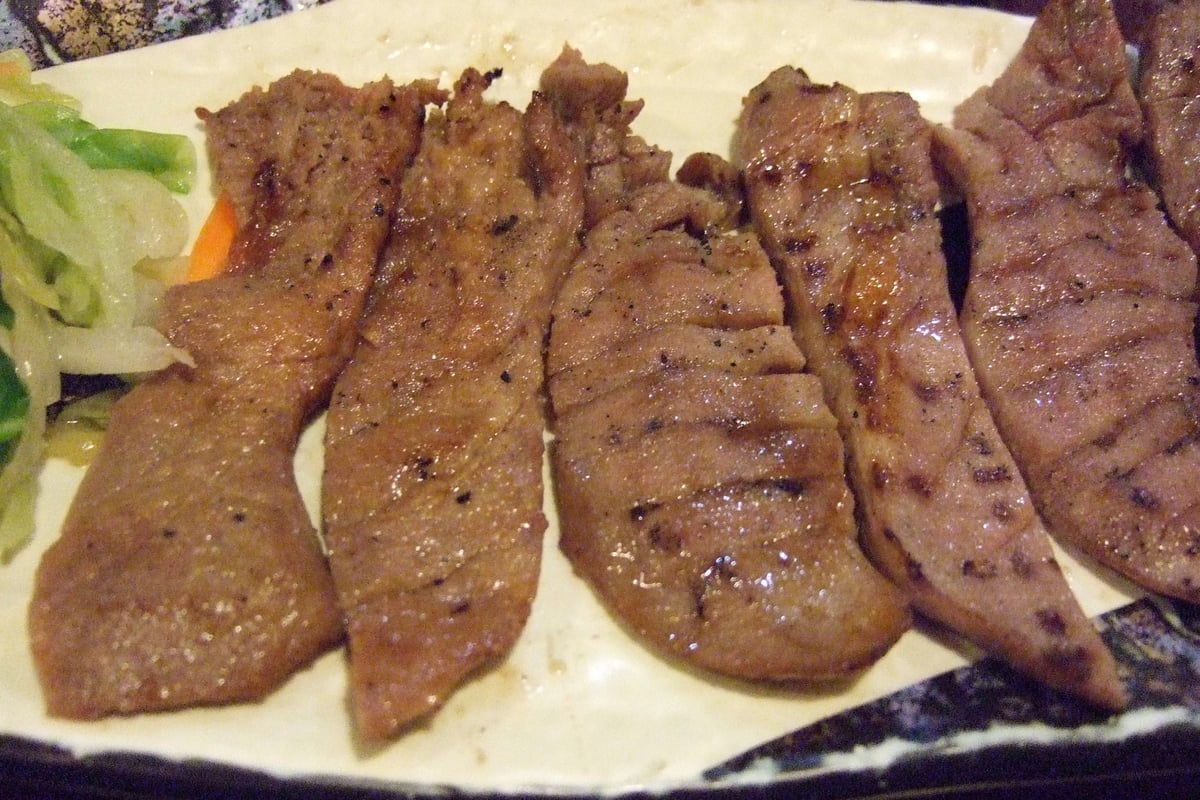
Gyutan Yaki (Grilled Beef Tongue)
Gyutan Yaki (Grilled Beef Tongue)
Gyutan yaki is a signature local dish of Miyagi Prefecture, centered on Sendai City, in which thickly sliced beef tongue is salted and grilled over charcoal. It is said to have originated in 1948 (Showa 23), when Sano Keishiro, a chef from Yamagata Prefecture who had trained in Tokyo, took note of beef tongue — then treated mainly as an ingredient for Western cuisine — and reworked it into a salt-grilled dish suited to Japanese tastes. Gyutan yaki was born when he opened the specialty restaurant 'Taisuke' in Sendai in 1950, and amid the post-war food shortages, a set-meal style took shape pairing the grilled tongue with barley rice in place of white rice and a tail soup made from beef tails, which were little used at the time. Today, dozens of specialty restaurants cluster around Sendai Station and the Kokubuncho district, and the 'gyutan set meal' — served with barley rice, tail soup, nanban miso, and light pickles — has become a standard Sendai specialty known nationwide.
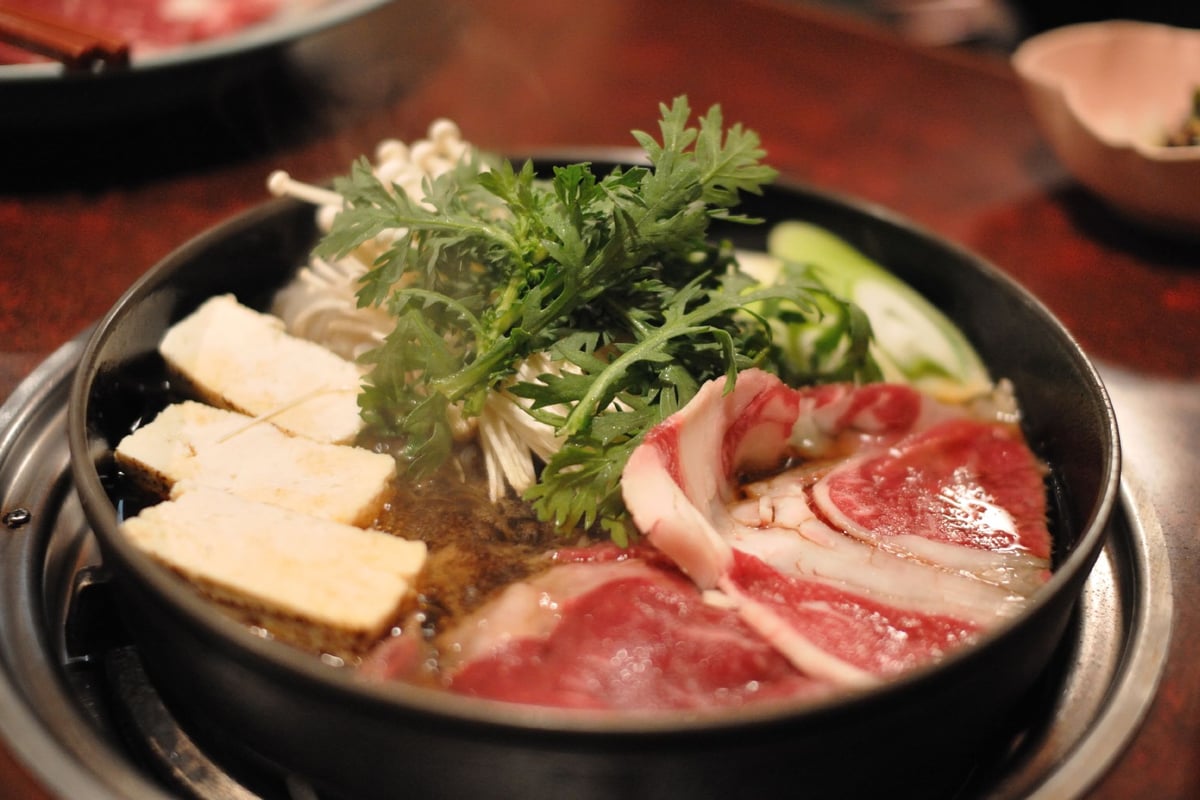
Sukiyaki
Joshu Sukiyaki
Gunma Prefecture's sukiyaki is a local dish nurtured in a rare place where all of its core ingredients — beef, negi (leek), konjac, and shiitake mushrooms — can be sourced entirely within the prefecture, earning it the nickname “100% self-sufficient sukiyaki.” The blessings of Gunma's fields and pastures come together in a single pot: the branded Joshu beef, sweet, melt-in-the-mouth Shimonita negi, konjac (Gunma is Japan's top producer), plus napa cabbage, shungiku (garland chrysanthemum), and fresh shiitake mushrooms. In 2014, Gunma Prefecture declared itself a “Sukiyaki Supporting Prefecture” and has promoted the appeal of its farm and livestock products through the “Gunma Sukiyaki Action” campaign. On November 29, “Gunma Sukiyaki Day,” sukiyaki even appears on school lunch menus across the prefecture, keeping the food culture alive community-wide. Beyond the classic Kanto-style method of simmering everything in warishita sauce, the dish's depth also shows in variations such as the Kansai-style approach of searing the meat first, or arrangements using Joshu shamo (a local chicken breed), with each restaurant offering its own distinct take.
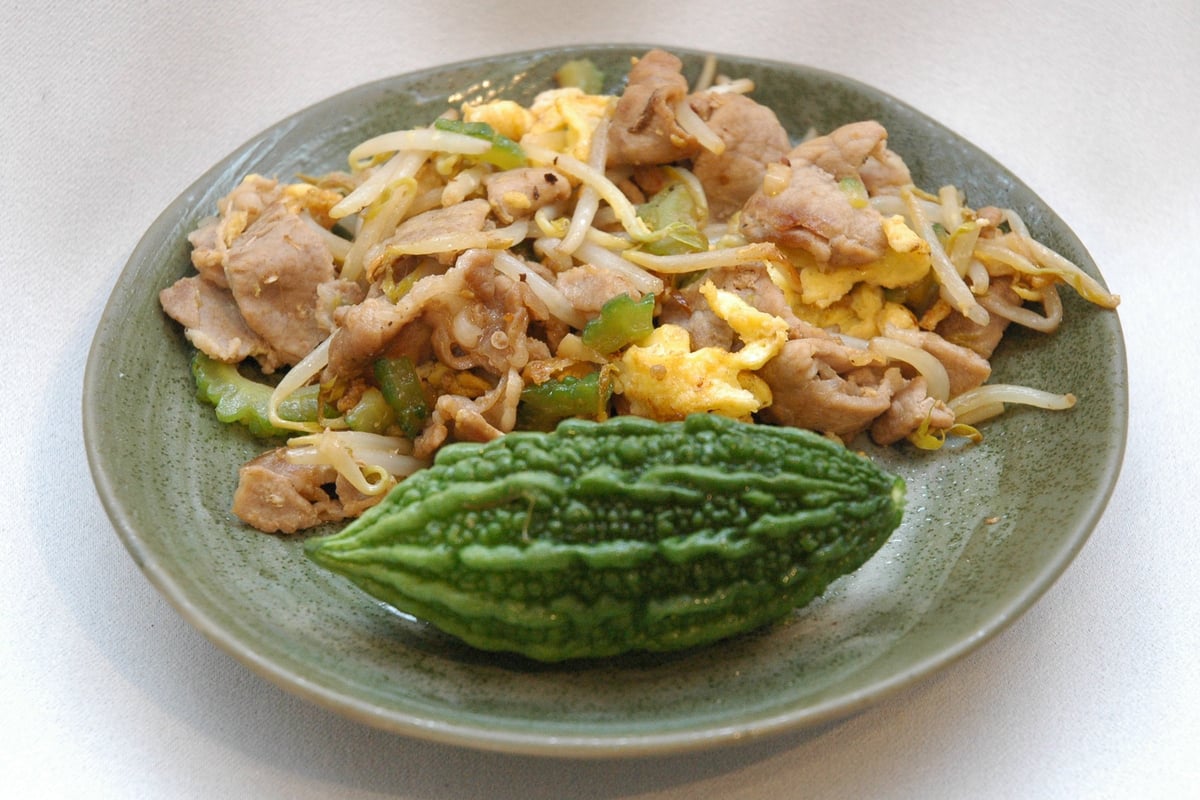
Goya Chanpuru (Bitter Melon Stir-Fry)
Goya Chanpuru
Goya chanpuru is a classic Okinawan home-cooked dish made by stir-frying goya (bitter melon), a summer vegetable, together with shima tofu (Okinawan firm tofu), egg, and pork or pork luncheon meat. 'Chanpuru' is an Okinawan word meaning 'something mixed together,' said to derive from the Malay/Indonesian word 'campur,' meaning 'to mix.' Following Okinawan custom, dishes are named 'OO chanpuru' after the tofu or main ingredient stir-fried together, and the version made with goya is especially well known. Goya's distinctive bitterness comes with an abundance of vitamin C that holds up well to heat, and the vegetable is also said to stimulate appetite, making the dish a beloved way to fend off summer fatigue. After being featured on television and in magazines, it also became established as a home-cooked dish across Japan.
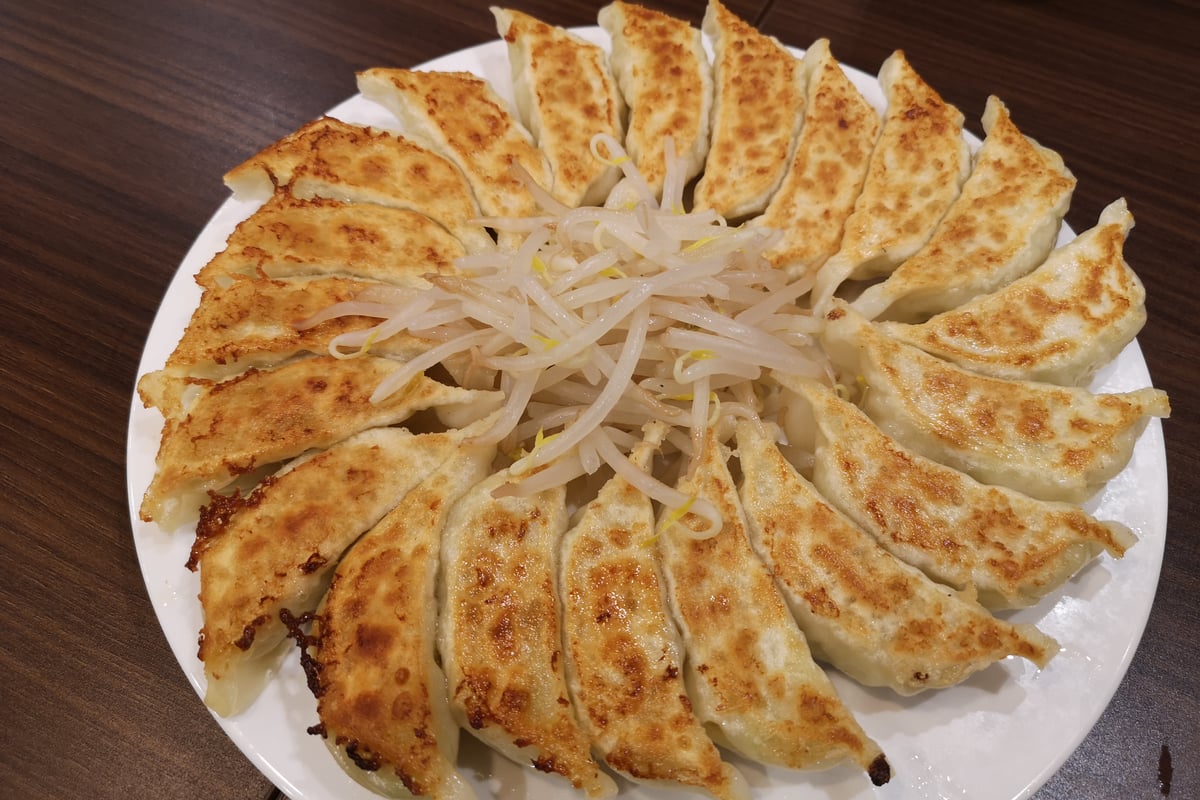
Hamamatsu Gyoza
Hamamatsu Gyoza
Hamamatsu Gyoza is a local style of gyoza enjoyed in Hamamatsu City, Shizuoka Prefecture. It is characterized by a light filling packed with plenty of cabbage, combined with the richness of pork. It is well known for its presentation: the pan-fried gyoza are arranged in a circle, keeping the shape of the frying pan, with boiled bean sprouts placed in the center. Food stalls that operated around Hamamatsu Station in the postwar period are considered one of its roots, and 石松餃子, founded in 1953 (Showa 28), is sometimes called the originator of Hamamatsu Gyoza. In the mid-2000s, a group of volunteer citizens launched the Hamamatsu Gyoza Association, which has worked to promote the city as a gyoza town. In the Ministry of Internal Affairs and Communications' Family Income and Expenditure Survey, Hamamatsu competes with Utsunomiya City and others for the top spot in annual household spending on gyoza. Hamamatsu City ranked first nationwide for the first time in 2011, and in the 2025 survey it ranked first for the third consecutive year. The city has many specialty restaurants and takeout shops, making gyoza a familiar dish both when eating out and at the family table.
Jibuni
Jibuni
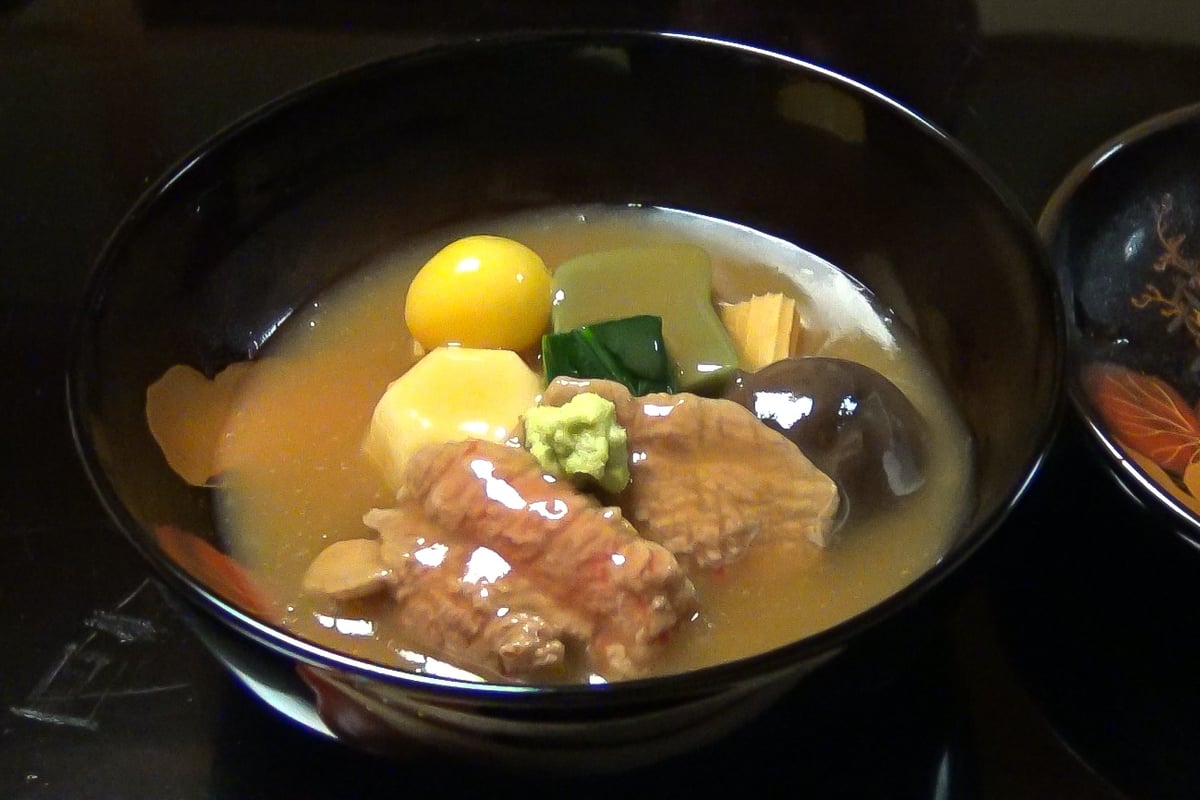
Jibuni is a simmered dish representative of Kaga cuisine, made by dredging thinly sliced duck or chicken in wheat flour and simmering it together with Kanazawa's local 'sudare-fu' wheat gluten cake, lily bulb, shiitake mushroom, and other seasonal vegetables. Its greatest characteristic is the mild, gentle texture created as the flour thickening clings to the ingredients, finished off with the sharp, fragrant accent of grated wasabi added at the end. It is a dish with a long history, eaten among samurai households since at least the Edo period, and it is still served today as a winter staple at restaurants and traditional Japanese eateries connected to the Kaga domain. Its origins remain uncertain, with several theories in circulation — that the Christian daimyo Takayama Ukon learned the recipe from a missionary and brought it to the Kaga domain, that Okabe Jibuemon, a retainer of Toyotomi Hideyoshi, brought it from Korea — but none has been confirmed. It is a signature local dish well worth trying on a visit to Kanazawa.
Keichan
Keichan
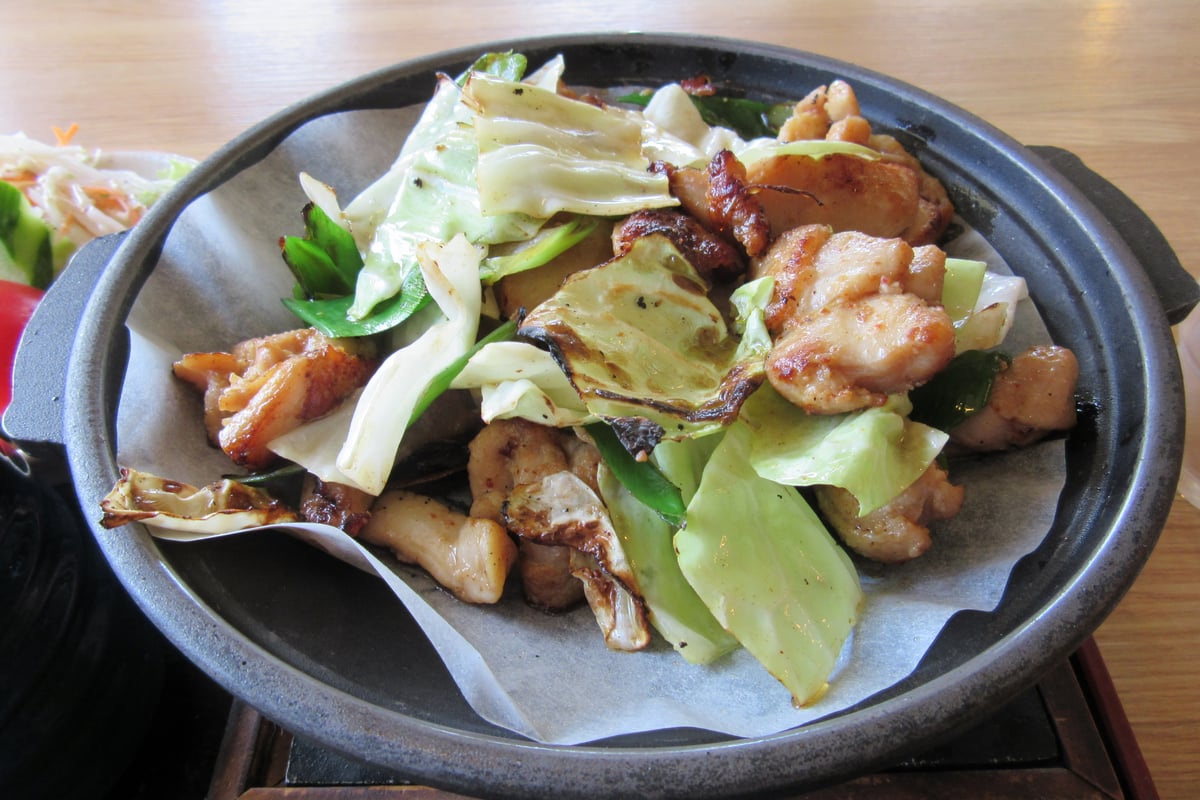
Keichan is a local dish from the Oku-Mino and southern Hida areas of Gifu Prefecture, in which chicken and seasonal vegetables are marinated in a special miso- or soy sauce-based sauce, then grilled on an iron plate or a Genghis Khan-style grill. It has long been enjoyed around Gujo City, Gero City, and the northern part of Nakatsugawa City, with each restaurant and household having its own way of seasoning and marinating. It is said to have originated when many households, which once kept chickens for eggs, prepared the hens that had stopped laying as a special dish for festive occasions such as Obon and New Year. From the 1955-1964 period onward, butcher shops and restaurants in Gero and Gujo began developing their own sauces, and as inexpensive chicken became more widely available, the dish spread from home cooking to restaurant menus. Today, more than 30 restaurants in Gero City alone serve their own versions of Keichan, and it remains a popular attraction for visitors to Gero Onsen and Gujo Hachiman.
Misokatsu (Miso-Glazed Pork Cutlet)
Misokatsu
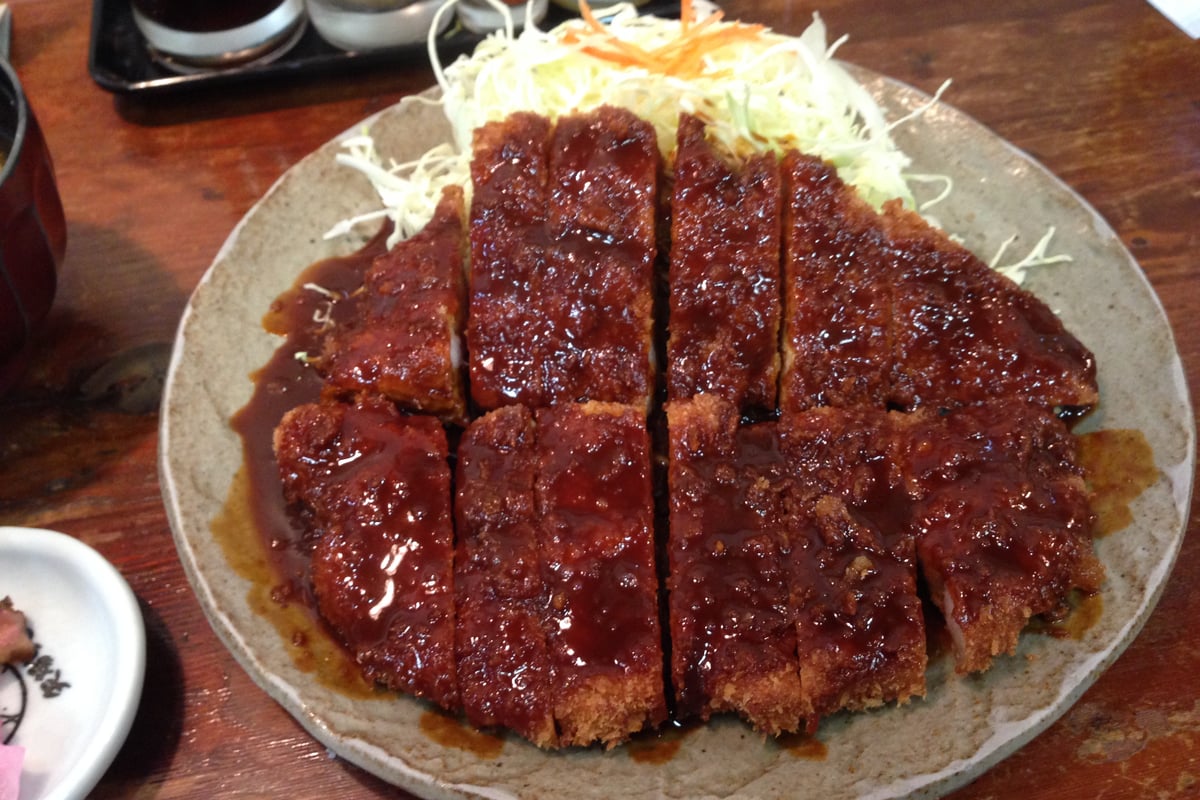
Misokatsu is a signature local dish of Nagoya in which a pork tonkatsu (breaded, deep-fried pork cutlet) is topped with a rich, slightly sweet miso sauce based on Hatcho miso. Aichi Prefecture has had a deeply rooted food culture centered on soybean miso (Hatcho miso) since the Edo period, and after World War II the practice of pairing tonkatsu with miso sauce spread through Nagoya. Several theories exist about its origin: one holds that it began when tonkatsu sold at food stalls was dipped in the sauce used for miso dengaku (grilled tofu with miso), while another says a soba restaurant owner who had returned to postwar Nagoya invented a miso-sauce katsu don inspired by the sauce used for tendon (tempura rice bowl). Long-established restaurants such as Yabaton and Misho Kanou helped turn misokatsu into a specialty known throughout Japan, and today it is served in many forms beyond the simple cutlet, including misokatsu don (rice bowl) and misokatsu sandwiches. The contrast between the rich, deep flavor of red miso and the crispy breading is its main appeal.
Omi Beef
Omi-gyu
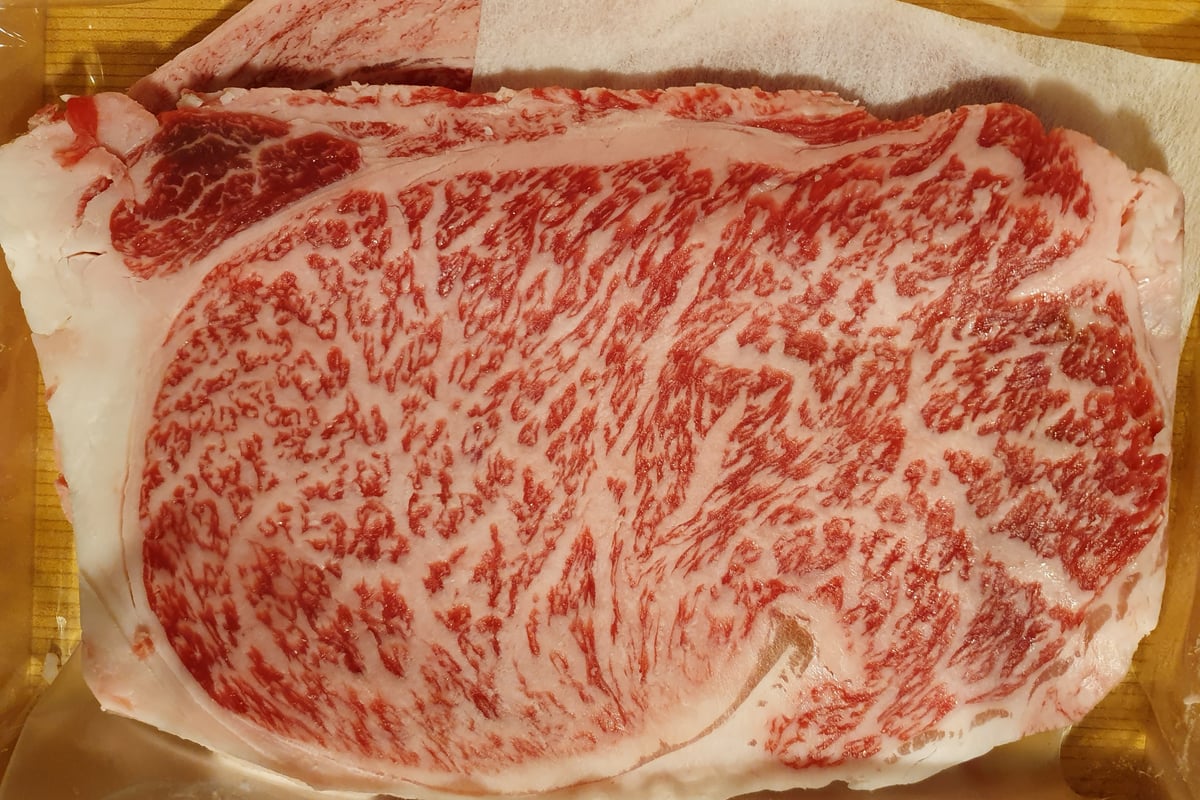
Omi Beef is a branded wagyu raised within Shiga Prefecture, ranked alongside Matsusaka beef and Kobe beef as one of Japan's three great wagyu brands. Its history dates back to the early Edo period, and it is often cited as the oldest branded wagyu on record in Japan. During the Edo period, eating meat was officially forbidden under Buddhist influence, but the Hikone domain presented beef preserved in miso, called 'Hanpongan,' to the shogunate and the three branch families of the Tokugawa as a health tonic — an act that became the starting point for spreading the name of Omi Beef nationwide. It is renowned for its fine marbling and the balance between the rich flavor of the lean meat and the refined sweetness of its fat, making it popular in dishes ranging from sukiyaki and shabu-shabu to steak. It continues to be raised today under consistent farming practices within Shiga Prefecture and is known both domestically and internationally as one of the prefecture's leading culinary brands.
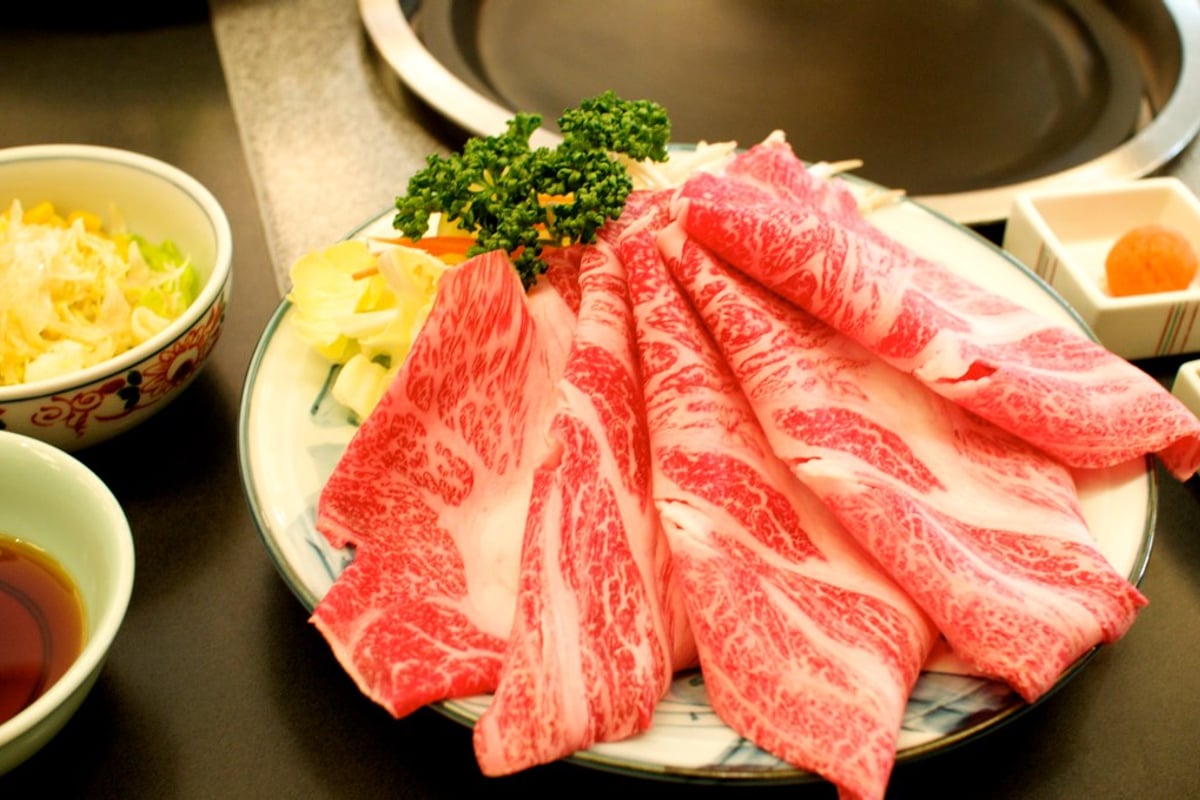
Saga Beef
Saga Gyu
Saga Beef is a branded beef designation reserved for Japanese Black cattle raised within the JA Group Saga area that meet strict standards set by the Japan Meat Grading Association: a meat quality grade of 4 or higher and a BMS (Beef Marbling Standard) number of 7 or higher. This rigorous system, under which only cattle meeting these standards may be called 'Saga Gyu,' consistently delivers finely marbled, tender meat. The brand traces its origins to 1984, when beef bearing a 'Saga Gyu' label was sold at a meat market in the Kansai region, and the trademark was registered in 2000. Nationally, Saga Beef is known for its stringent grading standards, sometimes described as second only to Sendai Beef in strictness, and it has grown into one of Saga Prefecture's leading culinary brands. Following the 2007 merger that formed JA Group Saga, the brand was expanded to cover all Japanese Black cattle raised within the JA Saga area, establishing a system in which quality is managed under unified standards regardless of production area or producer.
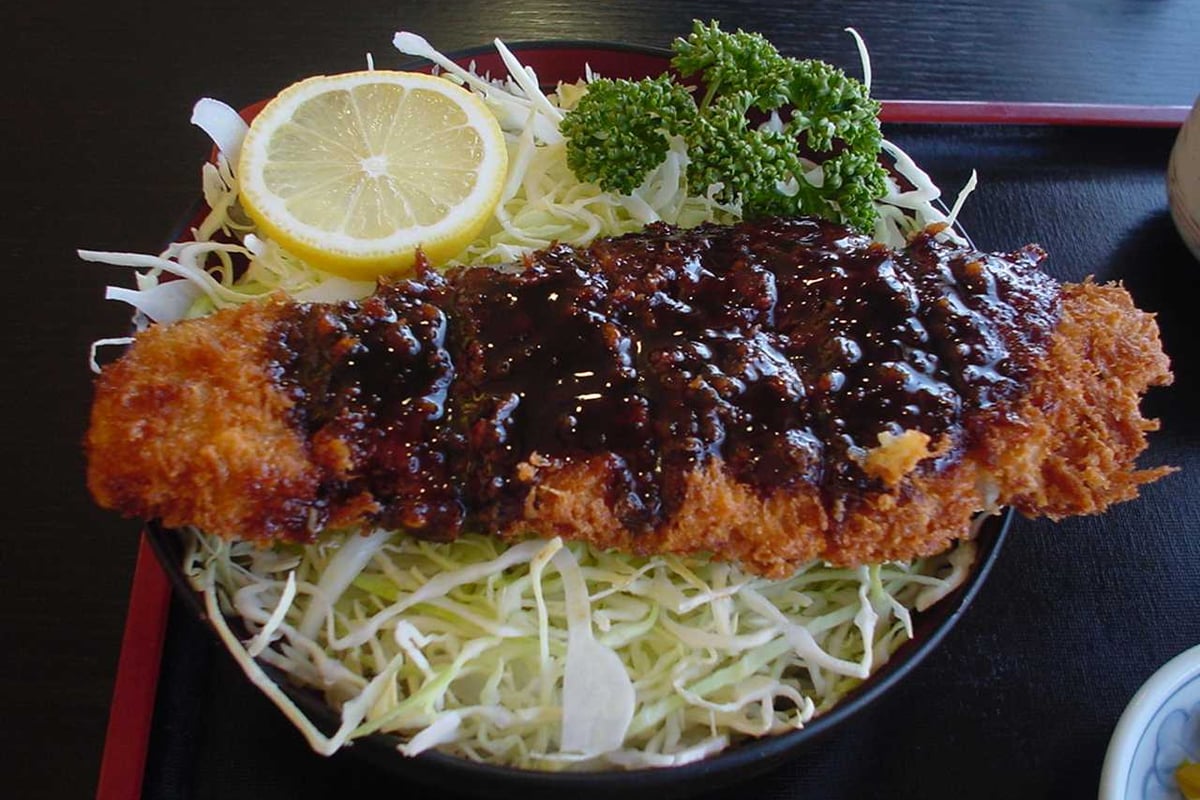
Sauce Katsudon
Sauce Katsudon
Sauce Katsudon, beloved mainly in Kiryu City, Gunma Prefecture, is a local specialty within Japan's “sauce katsudon” food culture: freshly fried pork cutlet is dipped in a special Worcestershire-sauce-based sauce and served over rice, without being finished with egg. It is said to have originated at Shidamiya, a Kiryu eatery founded in 1926, which created a distinctive sauce by combining an eel-basting technique with Worcestershire sauce. In Kiryu, a city that once flourished through the textile industry, sauce katsudon — which tastes good even after going cold — became a staple of food delivery. Even today, in Kiryu, simply saying “katsudon” usually means sauce katsudon rather than the egg-topped version, and it is so deeply woven into daily life that the “Kiryu Sauce Katsudon Association” was formed to promote it as a local specialty citywide. There is no fixed rule for the sauce blend or the cut of meat used, so comparing the differences between restaurants and households is part of the fun.
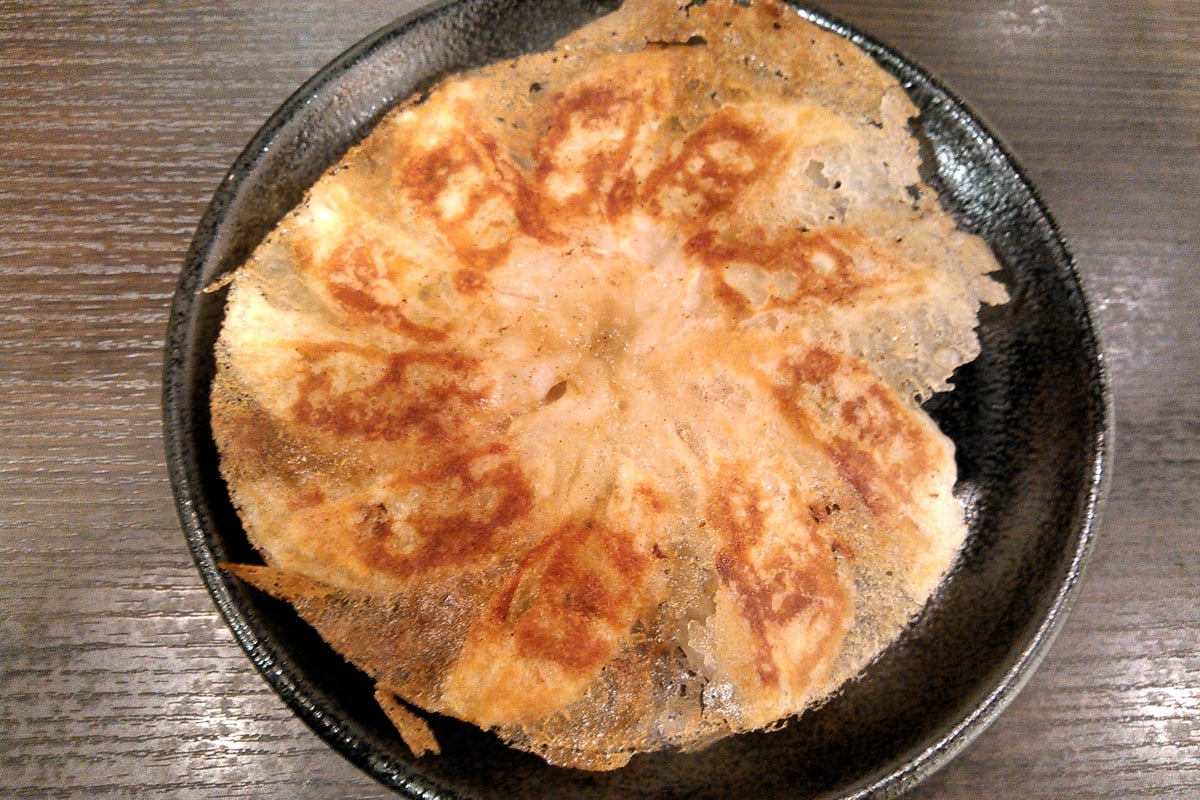
Enban Gyoza
Enban Gyoza
Enban Gyoza is a local specialty dish of Fukushima Prefecture in which 20 to 30 small dumplings are arranged edge to edge across an entire frying pan, then served on a plate in that same disc, or 'enban,' shape. It is said to have originated after the war, when repatriates returning from Manchuria began serving the style of gyoza they had learned there at food stalls and eateries, and it has been passed down ever since in restaurants and specialty shops around Fukushima City, where it originated, as well as in Koriyama City and elsewhere across the prefecture. Many shops take particular care with fillings generously packed with napa cabbage and with hand-stretched wrappers, and sharing a single plate among family or friends has become the established way to eat it. In 2024, it was certified as one of the Agency for Cultural Affairs' '100-Year Foods,' and it remains a beloved local soul food across generations. Alongside ramen and horse sashimi, it is counted as one of Fukushima Prefecture's leading B-grade gourmet dishes.
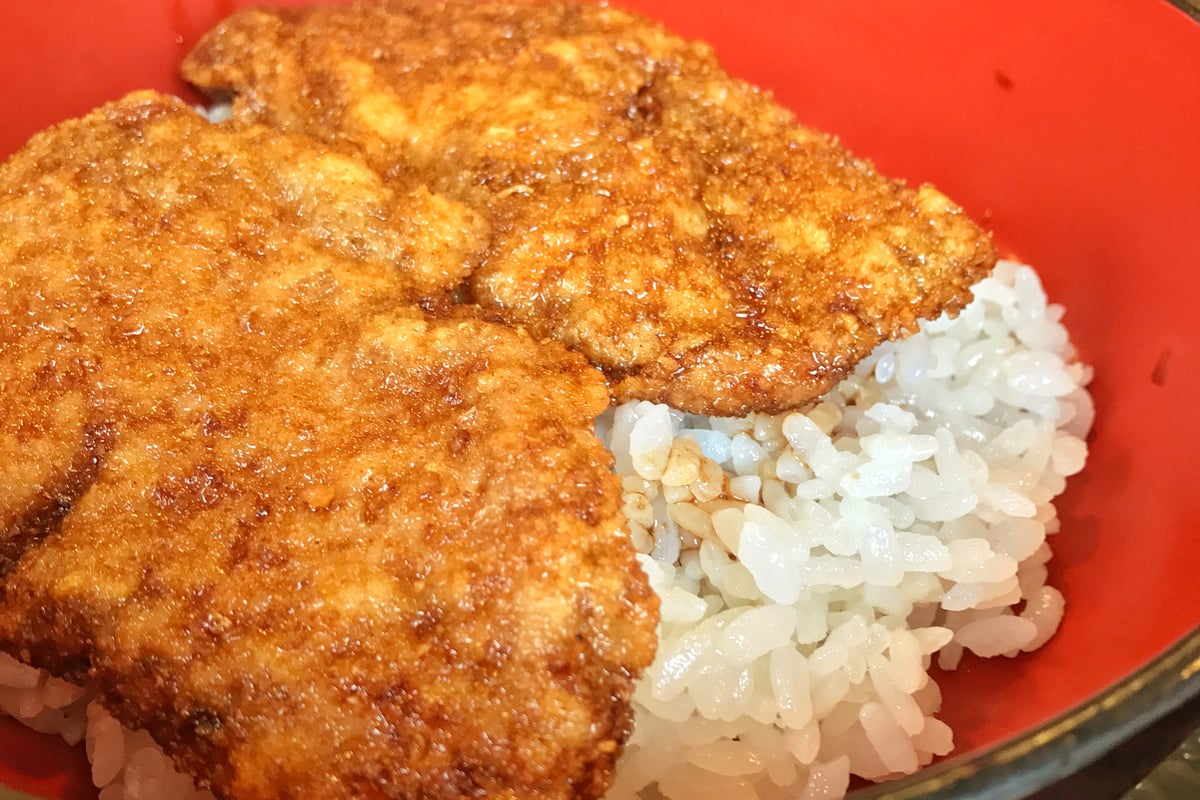
Fukui Sauce Katsudon
Fukui Sauce Katsudon
Fukui Sauce Katsudon is a rice bowl made by coating thinly sliced pork in fine breadcrumbs, deep-frying it, dipping it in a Worcestershire sauce-based sauce, and placing it on rice. In Fukui, it is taken for granted that ordering 'katsudon' will bring you sauce katsudon rather than the version simmered with egg. Its originator is said to be Yoroppaken, a Western-style restaurant in Fukui City. Its founder, Takabatake Masutaro, studied cooking in Germany and presented this dish in Tokyo in 1913 (Taisho 2). After being hit by the Great Kanto Earthquake, he returned to his hometown of Fukui and reopened the restaurant, and sauce katsudon took root as a taste of Fukui. Today, noren-wake shops (independent shops permitted to carry on the original name) have spread throughout the prefecture, and the dish is beloved as a soul food of the people of Fukui. The cutlet is tender enough to cut with chopsticks, and the sauce, with its balance of sweetness and acidity, whets the appetite. Another characteristic is its simplicity: there is no cabbage underneath, only rice and cutlet.
Hida Beef Dishes
Hida Gyu Ryori
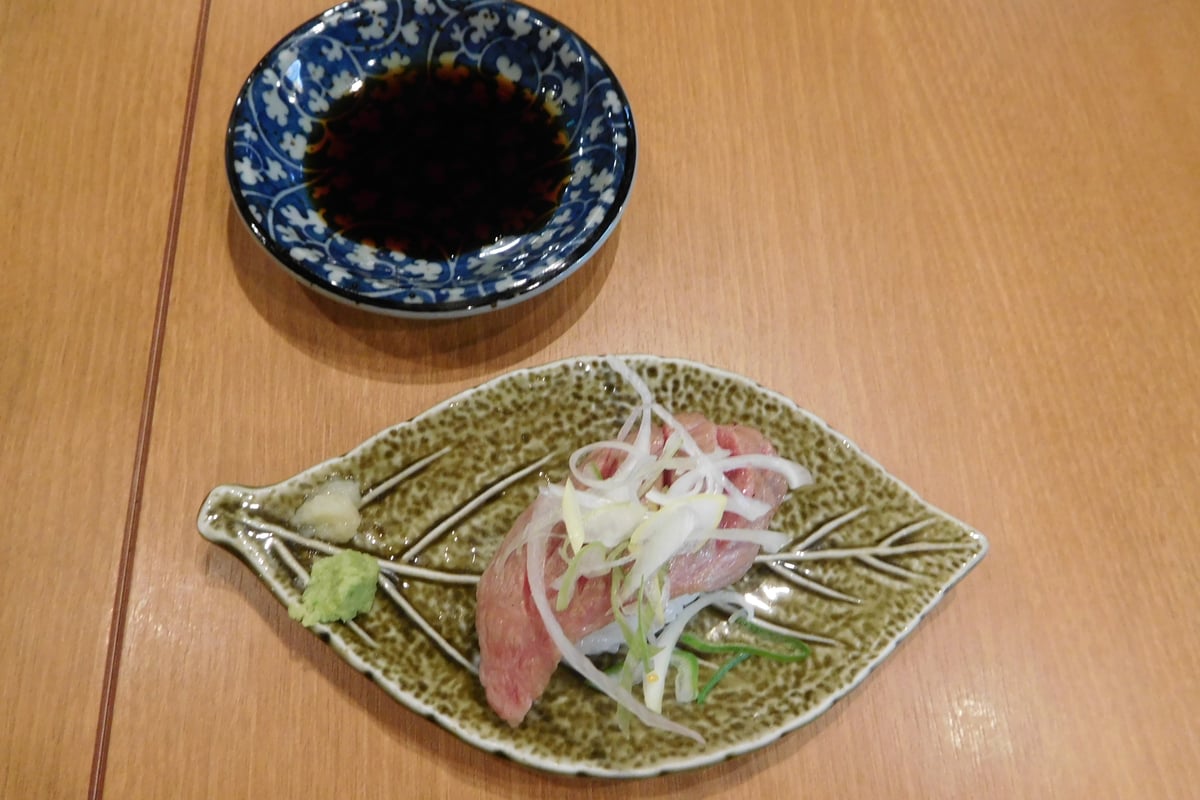
Hida Beef is one of Japan's most celebrated brands of Wagyu beef, a source of pride for Gifu Prefecture. Among Japanese Black cattle born and raised within Gifu Prefecture, only those that meet a yield grade of A or B and a meat quality grade of 3 or higher, as rated by the Japan Meat Grading Association, may carry the name 'Hida Beef.' It is known for its finely marbled texture, tender meat, and elegant sweetness, and is enjoyed in a wide range of dishes including yakiniku, sukiyaki, shabu-shabu, and steak. In tourist destinations such as Hida-Takayama and Gero Onsen, numerous restaurants serve local specialties made with Hida Beef, such as steak rice bowls, nigiri sushi, and hoba miso-grilled beef, making it a popular local delicacy among travelers. It has also won top honors at the National Wagyu Competition and continues to gain recognition overseas.
Kushikatsu
Kushikatsu (Deep-fried Skewers)
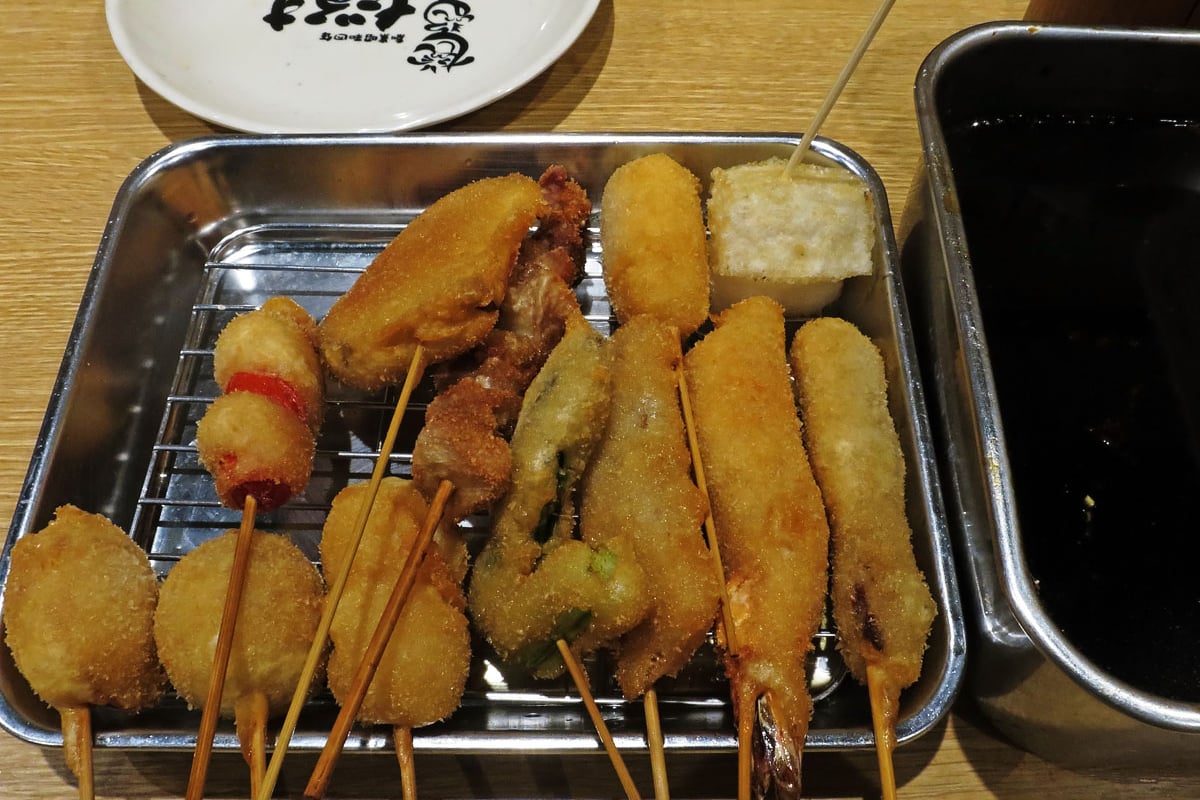
Kushikatsu is an Osaka specialty in which beef, vegetables, seafood, and other ingredients are cut into bite-size pieces, skewered, coated in batter and panko breadcrumbs, and deep-fried. The freshly fried skewers are eaten after dipping them in sauce from a container placed on the table. Because customers share the sauce, the iron rule of 'no double-dipping' in the sauce is widely known. There are various theories about its origin, but the leading one is that it was born in Shinsekai, home of Tsutenkaku Tower, between the late Taisho era and the early Showa era. Daruma (だるま), founded in 1929 (Showa 4), says it began when its first proprietress (okami) served it to laborers working nearby, and it is regarded as the originator of Osaka-style kushikatsu. The prototype was thin beef coated in a thick batter and fried, so that it would be cheap, filling, and quick to eat. In the 2000s, chain restaurants specializing in kushikatsu spread across Japan, and it became known as an Osaka specialty. Even today, many kushikatsu restaurants line the streets of Shinsekai and Jan Jan Yokocho.
Nagoya Tebasaki (Twice-Fried Chicken Wings)
Nagoya Tebasaki
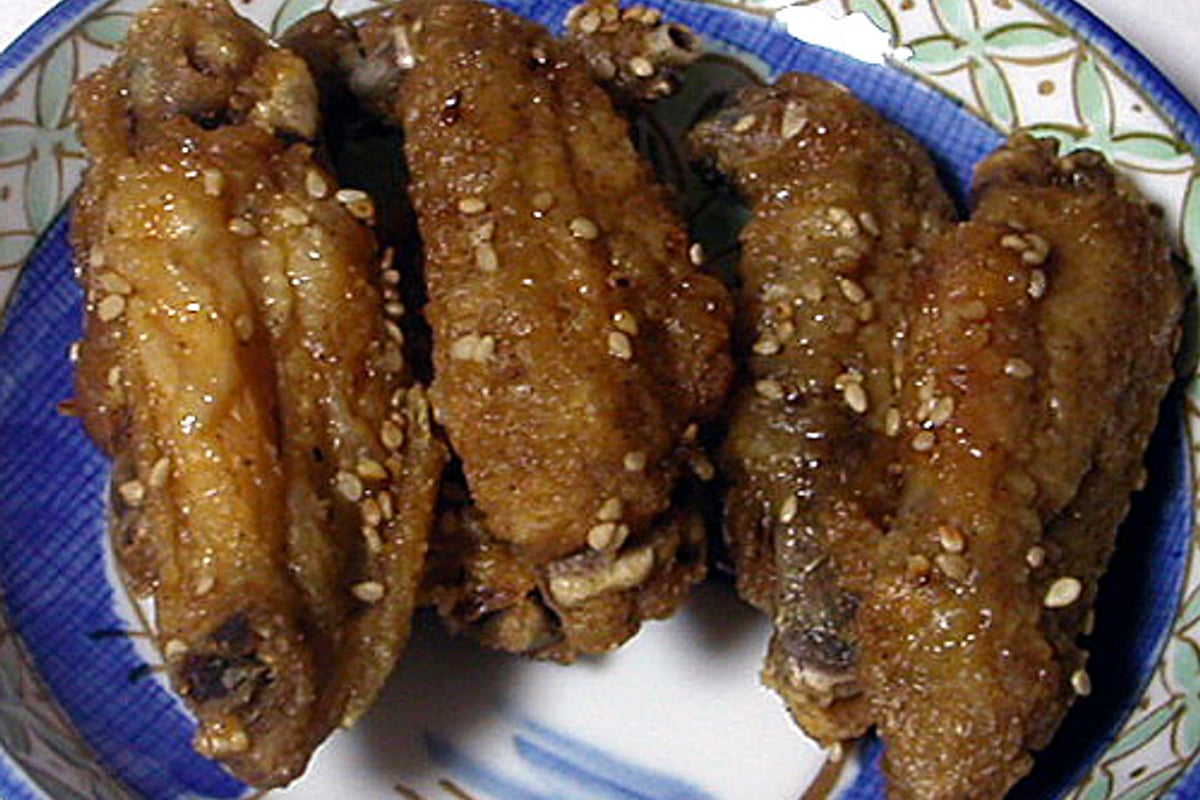
Nagoya tebasaki (fried chicken wing tips) is an izakaya dish in which chicken wing tips are fried twice until crisp, then finished with a sweet-savory sauce and condiments such as pepper and sesame. Furaibo, founded in 1963 in Atsuta Ward, Nagoya City, began serving fried wing tips coated in the sauce used for its signature whole roasted chicken, 'Tarzan-yaki,' and the dish proved so popular that it became the restaurant's own signature item. Later, Sekai no Yamachan gained popularity with its own distinctively spiced wing tips, and these two chains led the spread of Nagoya's tebasaki culture nationwide as a representative izakaya dish. Its appeal lies in eating the wings by hand, bone in, along with each restaurant's own character, whether a sweet-savory sauce or a spicy style, making it a classic accompaniment to beer.
Niigata Tarekatsu-don
Niigata Tarekatsu-don
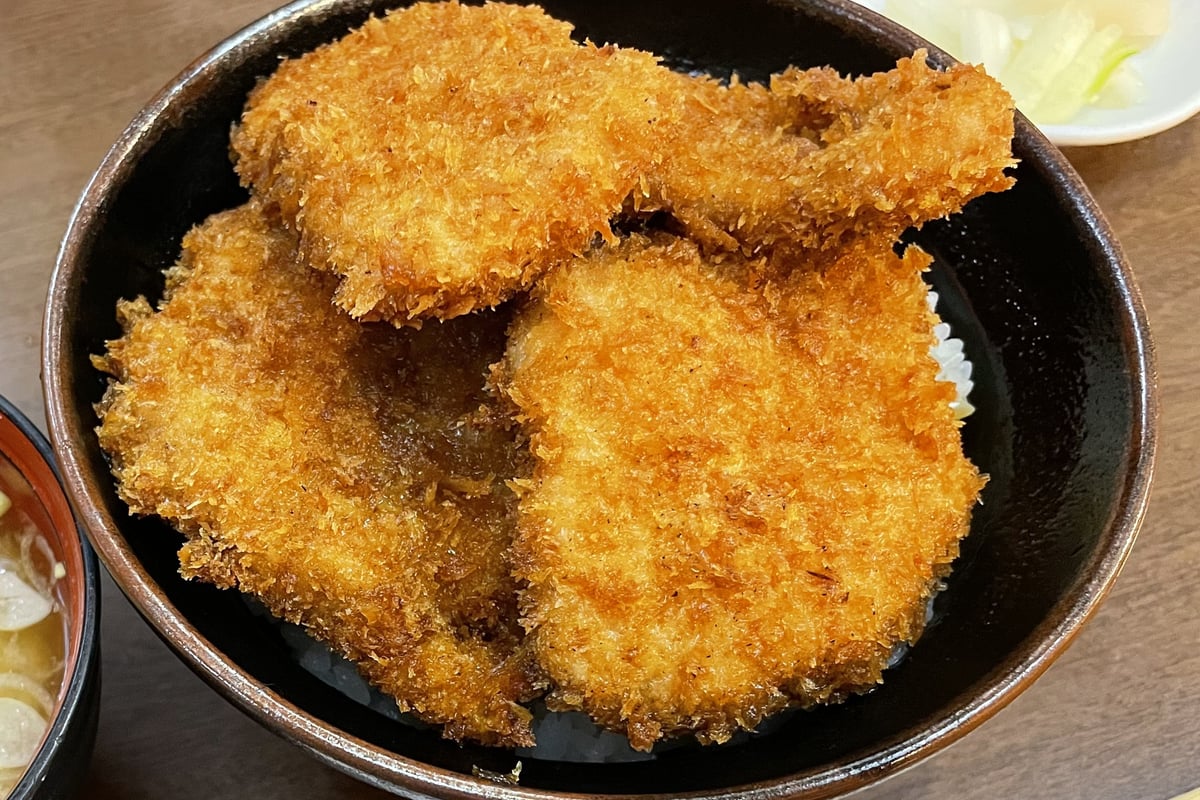
Niigata Tarekatsu-don is a rice bowl that originated in Niigata City, made by dipping thin, freshly fried pork cutlets in a sweet and savory soy-based sauce and placing them on rice. Unlike the katsudon common throughout Japan, which is simmered with egg, it has a simple preparation finished only with the flavor of the sauce, without egg. It is said to have been devised in the early Showa period by Komatsu Michitaro (小松道太郎), the first owner of Tonkatsu Taro (とんかつ太郎), one of the food stalls that lined the canals in central Niigata City. When he dipped cutlets — then a modern Western-style dish — in soy-based sauce and served them on rice, the dish became a great hit. It is common to place several thin cutlets on top, and the sweet and savory sauce soaks nicely into the rice. At Tonkatsu Taro, the originating restaurant, the dish is still listed simply as 'katsudon.' The name 'Tarekatsu-don' was coined and popularized around 1990 by the second-generation owner of Tonkatsu Masachan (とんかつ政ちゃん). Today, centered on Niigata City, it is a standard menu item at tonkatsu restaurants and eateries throughout the prefecture.
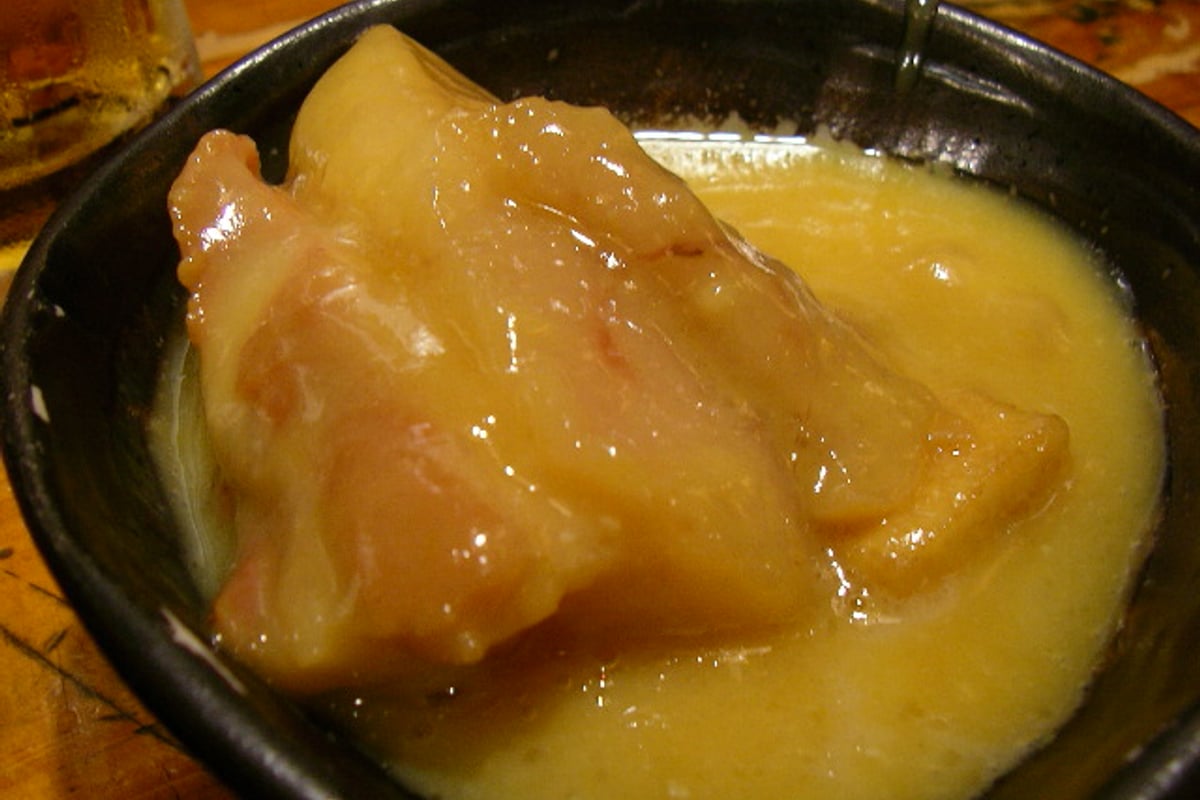
Rafute (Okinawan Braised Pork Belly)
Rafute
Rafute is a representative Okinawan pork dish made by slowly simmering skin-on pork belly in awamori, soy sauce, and sugar until sweetly savory. Born as a court dish during the Ryukyu Kingdom era, against the backdrop of a pork-eating culture that developed through the investiture relationship and trade with China, it is thought to share its origins with the Chinese dish dongpo pork (tonporou). Once prepared with a strong seasoning as a preserved food in an age without refrigeration, its seasoning has mellowed over time, and today it is positioned as a formal dish served at memorial services and celebratory banquets. Slow simmering renders even the skin meltingly tender, and it is said that 'Ryukyu cuisine begins and ends with pork,' making rafute a dish that symbolizes Okinawa's food culture.

Sicilian Rice
Sicilian Rice
Sicilian Rice is a local specialty said to have originated in Saga City. Thin-sliced meat is stir-fried with onion in a sweet-savory sauce and served over warm rice, arranged colorfully with raw vegetables such as lettuce, tomato, and cucumber, then finished with a drizzle of mayonnaise. It is said to have first appeared around 1975 as a staff meal at a coffee shop in central Saga City. Several theories surround the origin of its name, including one that the red of the tomato, the white of the egg, and the green of the vegetables evoke the Italian flag, and another linking it to Sicily, the island setting of the film 'The Godfather.' The ingredients and seasoning vary widely from shop to shop, and the dish is loved as a highly flexible local specialty, with some upscale restaurants even offering versions made with Saga beef steak. Because there is no fixed recipe or trademark, the Saga City Tourism Association's website and other sources note that 'the very fact that its origin remains unclear is part of its charm.'
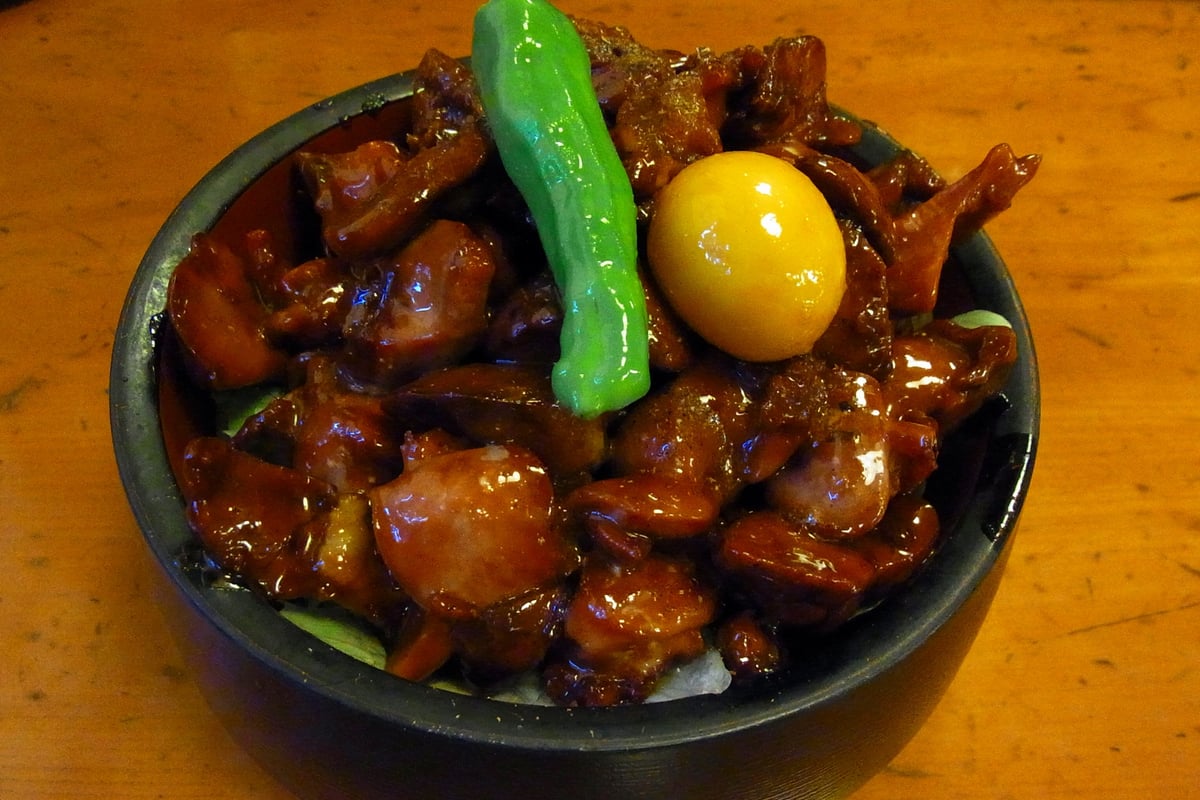
Kofu Torimotsu-ni (Glazed Chicken Giblets)
Kofu Torimotsu-ni
Kofu Torimotsu-ni is a dish of Kofu City in which chicken gizzards, hearts (hatsu), liver, and kinkan (unlaid eggs) are glazed and simmered in a sweet and savory sauce of sugar and soy sauce. Although it is called 'motsu-ni' (simmered giblets), it is not a soupy stew. A small amount of sauce is reduced over high heat for a short time, and the giblets are finished so that they are coated in the syrupy sauce. It is said to have been devised around 1950 (Showa 25), shortly after the war, at Okuto, a soba restaurant in Kofu City. It began as an attempt to make use of chicken giblets that were being thrown away. It then spread from the soba restaurant to other eateries and became part of Kofu's food culture alongside Hoto (Flat Noodles Simmered in Miso) and Awabi no Nigai (Soy-Simmered Abalone). In 2008, a volunteer group of Kofu City employees formed 'Minasama no En wo Torimotsu-tai' (literally, the squad that brings everyone together, a pun on torimotsu) and began promoting it nationwide. At the '5th B-1 Grand Prix in Atsugi' in 2010, it won the top prize, the Gold Grand Prix, in its first appearance.
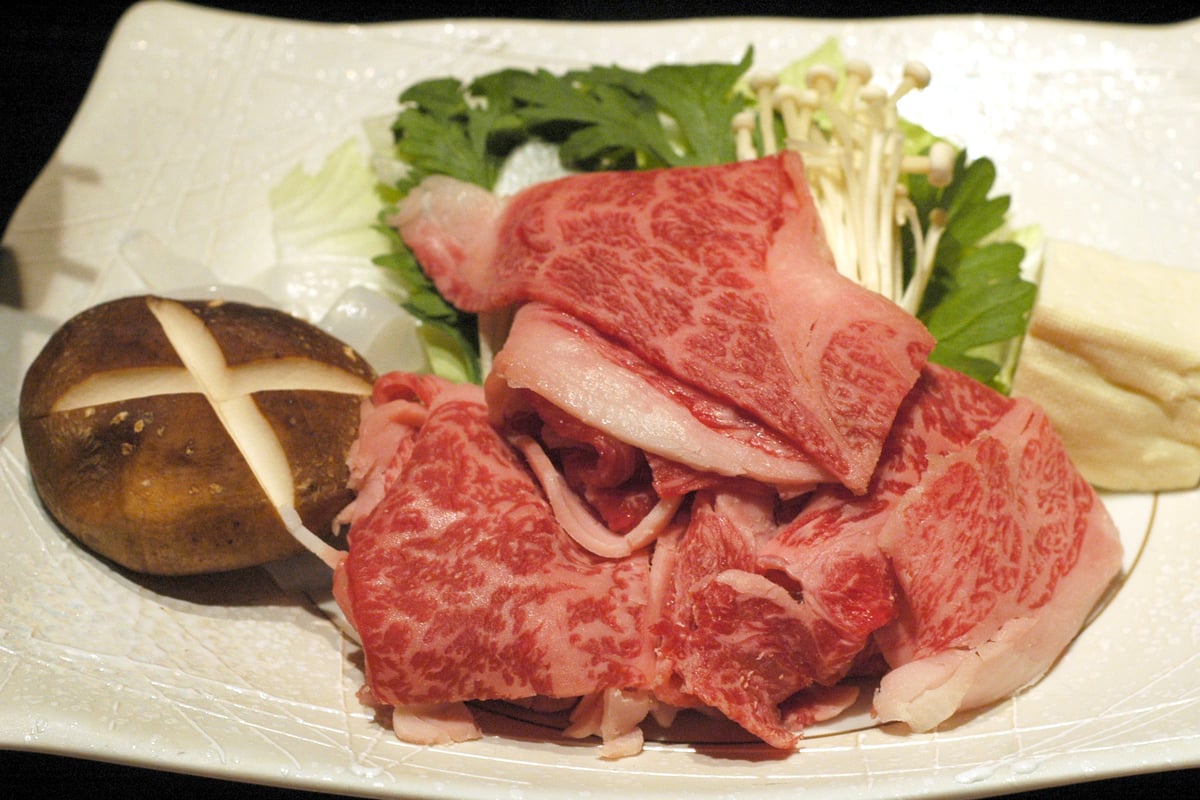
Yonezawa Beef
Yonezawa Beef
Yonezawa Beef is a branded beef of Japanese Black cattle (Kuroge Washu) raised in the Oitama region of Yamagata Prefecture. It is ranked alongside Matsusaka beef and Kobe beef as one of Japan's Three Great Wagyu Brands, and is known as the only one of the three found in eastern Japan. Its history is said to begin in 1871 (Meiji 4), when Charles Henry Dallas, an Englishman invited to Yonezawa as a teacher at the domain school Kojokan, ate local beef out of nostalgia for his homeland. When Dallas completed his term in 1875, he brought one head of Yonezawa cattle back with him to the foreign settlement in Yokohama and served it to his acquaintances, whose favorable reaction made the beef's flavor a topic of conversation. Winning acclaim in Yokohama, a major beef-consuming city at the time, led Dallas to broker a connection between Yonezawa livestock dealers and Yokohama wholesalers, and the beef began to be sold under the name 'Yonezawa Beef.' This marked the start of its reputation spreading nationwide by a route different from that of Matsusaka beef and Kobe beef. Today, the Yonezawa Beef Brand Promotion Council certifies as 'Yonezawa Beef' only meat from nulliparous female Japanese Black cattle that are raised in the Oitama region, shipped at 33 months of age or older, and graded 3 or higher for meat quality, among other standards.
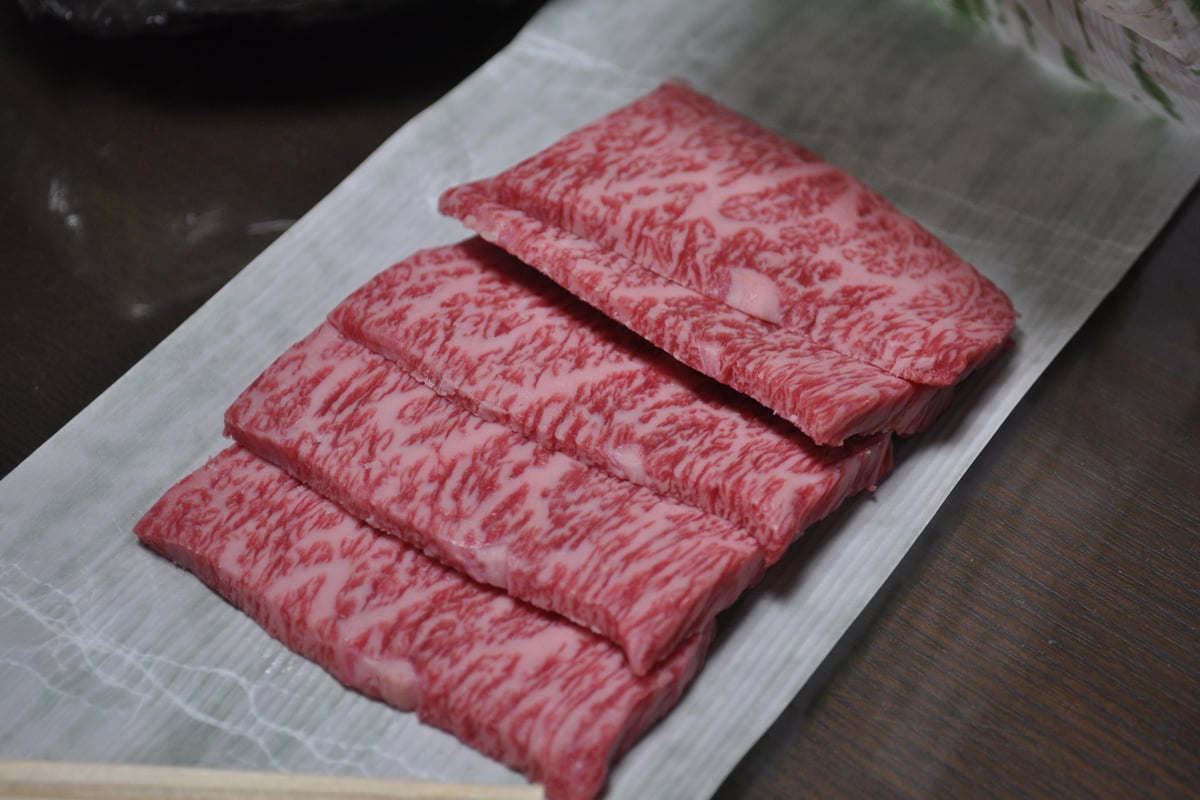
Matsusaka Beef
Matsusaka Beef
Matsusaka beef is a brand of Japanese Black cattle fattened in the area centered on Matsusaka City, Mie Prefecture. It is read either 'Matsusaka-ushi' or 'Matsusaka-gyu.' Only heifers that have never calved qualify, and each animal is registered in the 'Matsusaka Beef Individual Identification Management System.' Since long ago, the Matsusaka area has brought in young female cattle born in Tajima (present-day northern Hyogo Prefecture) as draft cattle for farm work. From the Meiji era onward, these cattle came to be fattened over a long period and shipped as beef cattle to Tokyo and other places. It is said that Matsusaka beef received the top honor award at the National Beef Cattle Livestock Exhibition in 1935 (Showa 10), and that its fame then spread nationwide. Its hallmarks are fine marbling (shimofuri) and fat that melts at a low temperature. When cooked, it is said to give off a sweet aroma called 'wagyu-ko' (wagyu aroma). Locally, the standard dish is sukiyaki, in which the meat is seared in an iron pot and seasoned with sugar and tamari soy sauce. Some restaurants also serve it grilled over a wire grill or as steak.
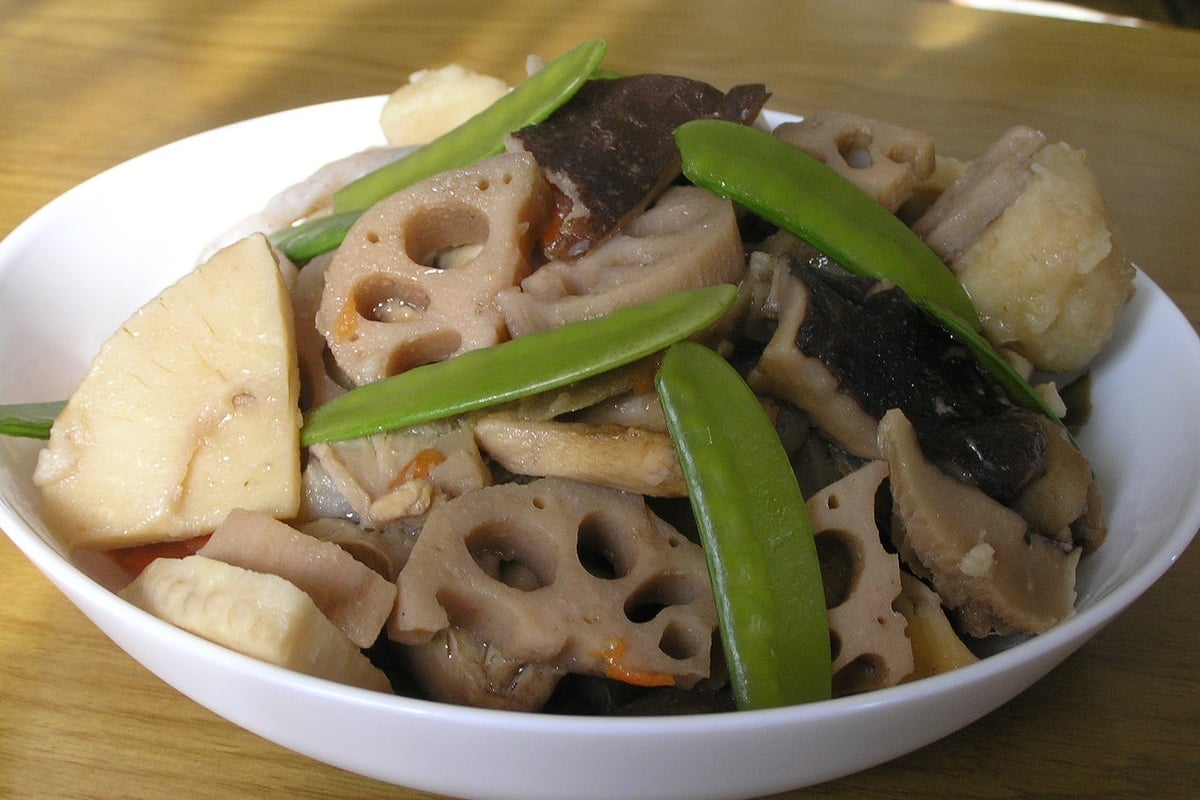
Chikuzen-ni (Gameni)
Chikuzen-ni (Gameni)
Chikuzen-ni (Gameni) is a signature local dish of Fukuoka Prefecture in which chicken, burdock root, lotus root, taro, carrots, and konnyaku are stir-fried in oil and then simmered slowly in dashi broth. In Hakata, the local name 'gameni' is more common, and the name is said to derive from the Hakata dialect word 'gamekurikomu,' meaning 'to gather together.' One theory holds that the dish originated with soft-shelled turtles (dobugame) caught in Hakata Bay, with chicken becoming the standard ingredient only later. It remains an essential dish for celebrations such as New Year's osechi, festivals, and weddings, and continues to color Fukuoka's dinner tables today, with each family passing down its own version.
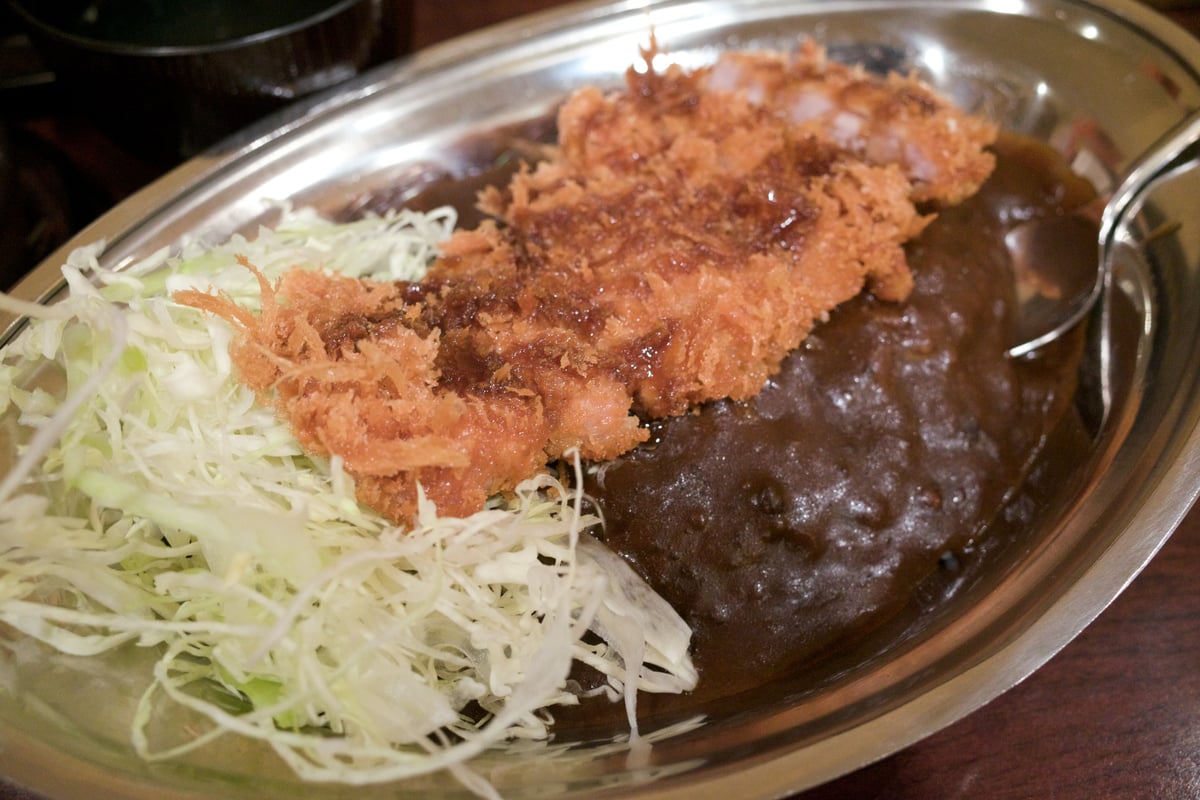
Kanazawa Curry
Kanazawa curry
Kanazawa Curry is a local-style curry that developed in Kanazawa, Ishikawa Prefecture, characterized by its distinctive presentation: a thick, dark roux topped with a layer of shredded cabbage, a pork cutlet, and sauce. The Kanazawa Curry Association defines Kanazawa Curry by five elements: the roux is thick and rich; shredded cabbage is served as a side; it is plated on a stainless steel dish; it is eaten with a fork or a spork; and the cutlet is topped with sauce. Its roots trace back to the Western-style restaurant 'Yoshoku Tanaka,' which opened in 1961; several shops that spun off or descended from it spread across Kanazawa, each developing its own take and refining the style now recognized today. The name 'Kanazawa Curry' itself is relatively recent, first coming into use when Gogo Curry expanded outside the prefecture; locally, shops had long been known simply by their own names, such as 'Turban' or 'Chan-Curry.'
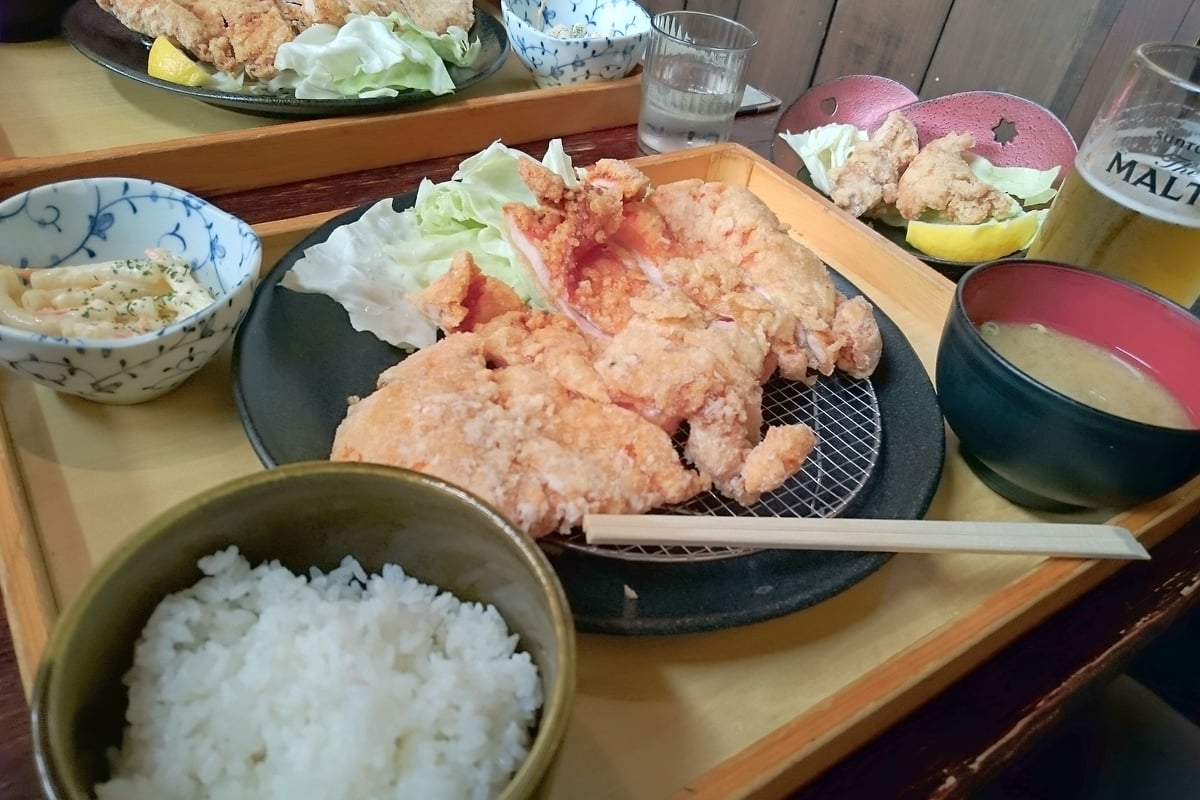
Sanzoku-yaki (Garlic Soy Fried Chicken)
Sanzoku-yaki
Sanzoku-yaki is a chicken dish enjoyed mainly in Matsumoto City and Shiojiri City in the Chushin region of Nagano Prefecture. Chicken thigh or other cuts are marinated whole in a soy sauce marinade seasoned with garlic and onion, coated with katakuriko (potato starch), and deep-fried. The boldness of frying the meat without cutting it up is the major difference from ordinary karaage (Japanese fried chicken). Although the name includes 'yaki' (grilled), it is actually a fried dish. It is said to have originated at the izakaya 'Sanzoku' (山賊) in Shiojiri City, and there are several theories about the name, such as that the owner looked like a sanzoku (mountain bandit), or that it is a pun on 'toriageru' (to rob), read as 'tori ageru' (to fry chicken). From around 2009, a local restaurant cooperative and citizens' groups worked to promote it as a local specialty, and it has now become one of the representative local dishes of Nagano Prefecture. As a set meal at restaurants or a dish at izakaya, it is a familiar taste for local people from childhood.
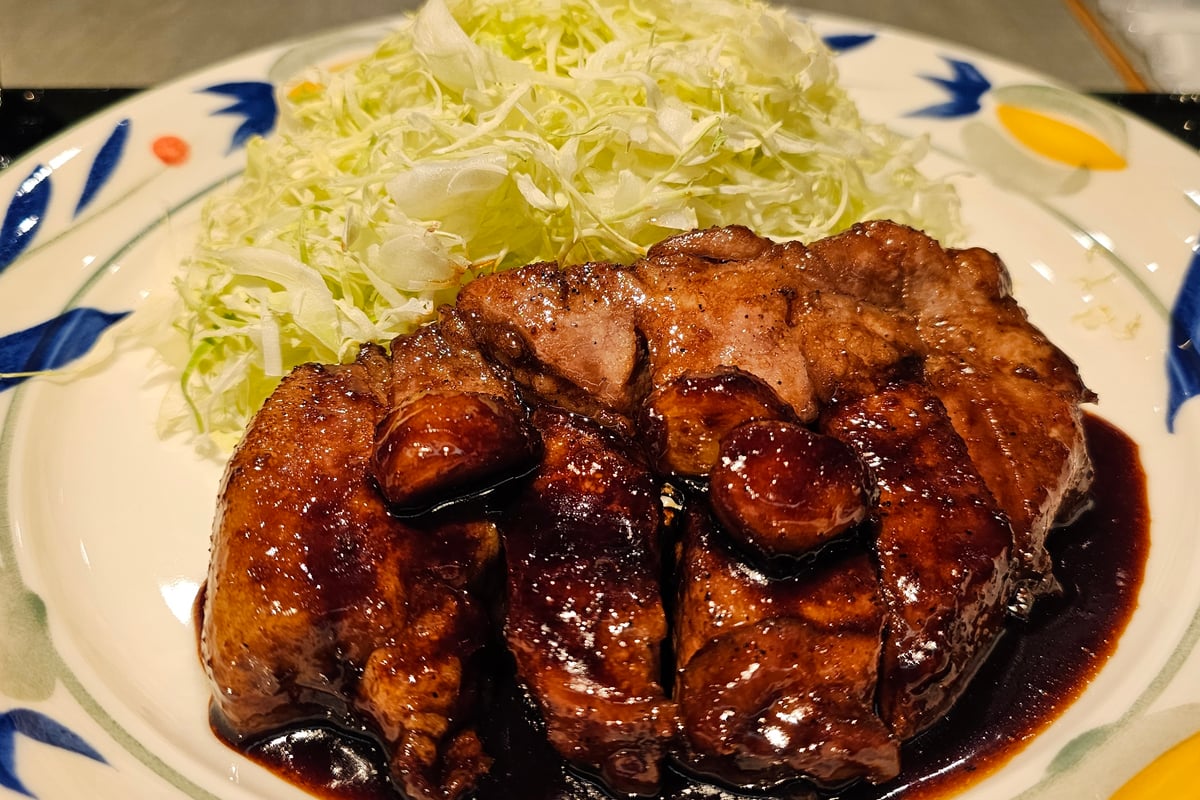
Yokkaichi Tonteki (Pork Steak)
Yokkaichi Tonteki
Yokkaichi tonteki is a local specialty dish (gotochi gourmet) of Yokkaichi City, Mie Prefecture, in which thick-cut pork is cooked with garlic and coated in a dark, blackish, rich sauce. The name combines 'ton' (pork) and 'teki' (steak). It is served with a generous helping of shredded cabbage on the side. The meat is cut with deep slits to keep it from shrinking as it cooks, and because this shape resembles a baseball glove, it is also called 'glove' (gurobu). It is said to have begun shortly after the war and to have been the signature dish of a Chinese restaurant in the city center. In Yokkaichi, where many people worked in the industrial zone, hearty, filling dishes that gave people energy were popular. Cheaper than beef steak, it is a down-to-earth dish loved by those who wanted to eat their fill. Since 2008, the Yokkaichi Tonteki Association has been promoting it, and it has also been entered in events such as the B-1 Grand Prix. Today it can be enjoyed at many kinds of eateries, including Chinese restaurants, set-meal diners (teishoku-ya), and coffee shops (kissaten).
Takatsu no Torimeshi
Takatsu no Torimeshi
Takatsu no Torimeshi is a simple mixed rice dish handed down in the Takatsu district of Yachiyo City, Chiba Prefecture, made by simmering chicken in soy sauce and mixing it into freshly cooked rice. Small pieces of chicken thigh are simmered in soy sauce and then stirred through the hot rice. A ratio of one bowl of soy sauce to one sho (about 1.8 liters) of rice has been passed down by word of mouth for generations, giving the dish its plain, unadorned flavor without any special seasonings. The dish also has a role as festival food, traditionally served at Koyasu-ko gatherings, where women pray for safe childbirth by worshipping the deity Koyasu-gami, and at Hassaku, a harvest-prayer event held on the first day of the eighth month of the old lunar calendar. It is said that cutting the chicken into small pieces was also a way to make a precious ingredient go around evenly among everyone present, back when meat was scarce. Today it continues to be passed on to the next generation through home cooking, school lunches, and parent-child cooking classes in the Takatsu district of Yachiyo City.
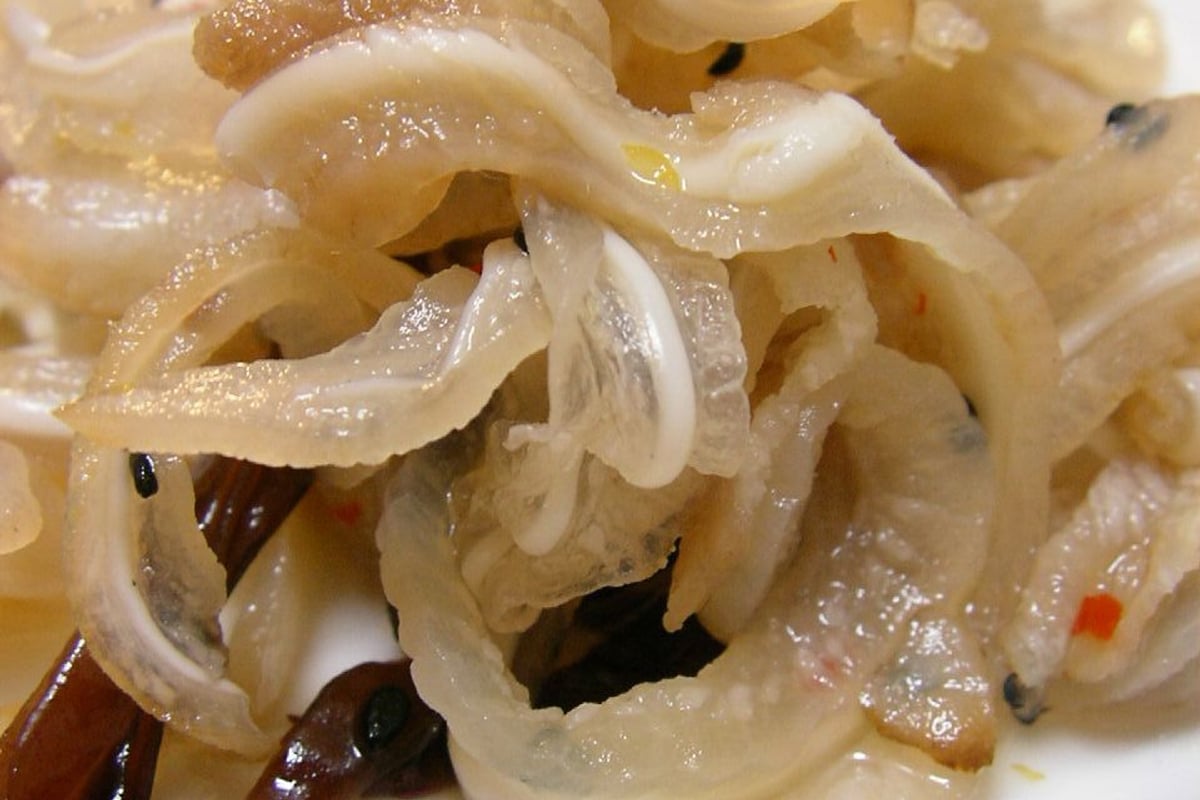
Mimigaa (Pig Ear)
Mimigaa (Pig Ear)
Mimigaa is an Okinawan regional dish made from pig ears, a delicacy prized for its distinctively crunchy, cartilage-like texture. The name is thought to combine "mimi," meaning ear, with "gaa," the Okinawan dialect word for skin. Since the ear consists almost entirely of cartilage and skin with very little muscle, it is low in fat and known as a source of high-quality collagen. The standard preparation is to singe off the hair over an open flame, boil or steam the ear, then slice it thinly and dress it with peanut sauce, ponzu, or vinegared miso. In Okinawa, there is a long-standing food culture of using every part of the pig, said to leave nothing to waste "except the squeal," and mimigaa is emblematic of that tradition, widely enjoyed as an izakaya menu item, a home side dish, and a drinking snack. Using a cut rarely found outside the prefecture, it is a uniquely Okinawan dish.
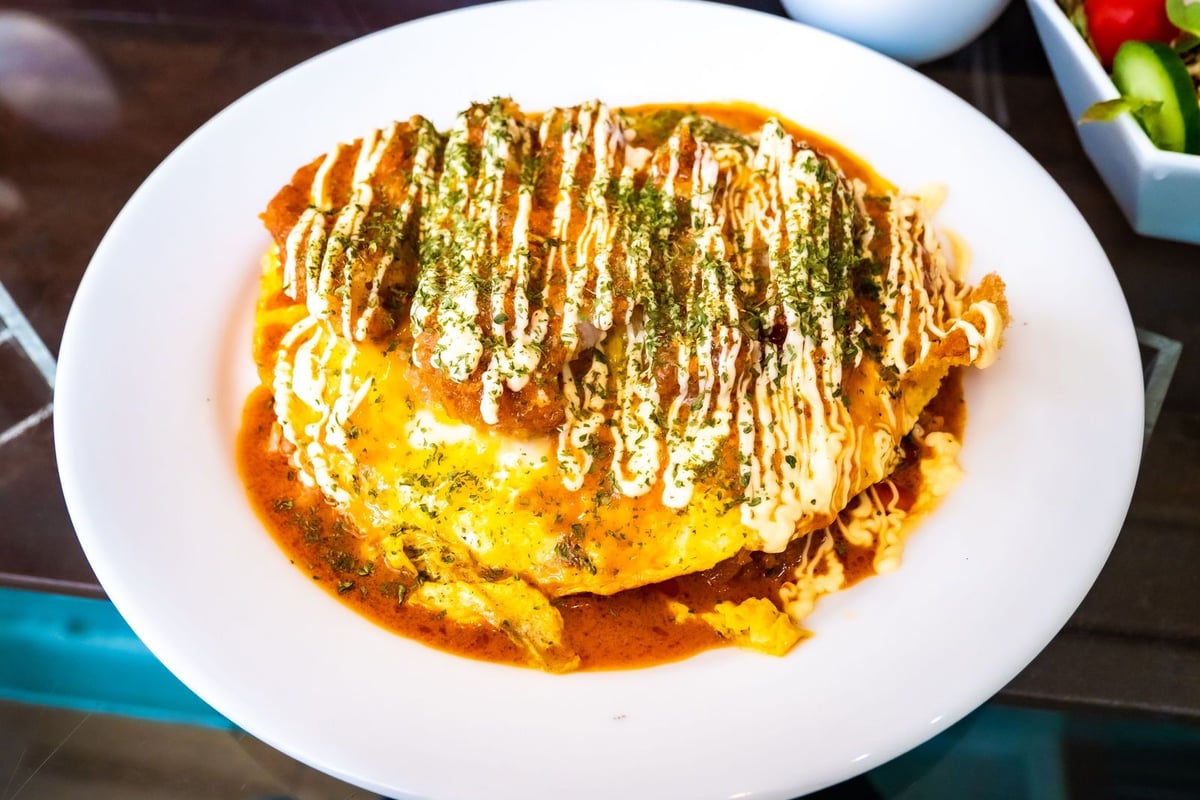
Volga Rice
Volga Rice
Volga Rice is a local specialty of Echizen City, Fukui Prefecture, consisting of omurice (omelet rice) topped with a tonkatsu (pork cutlet) and covered in sauce. It is said to have been enjoyed for more than 30 years in the Takefu district of Echizen City, which corresponds to the former Takefu City. Locally, it has been eaten not as a special dish but as an entirely ordinary Western-style meal (yoshoku). There is no set recipe, and a major characteristic is that the preparation and flavor differ from restaurant to restaurant. Besides ketchup rice, some restaurants use pilaf or fried rice for the rice inside. The cutlet also varies, from pork loin or fillet to minced meat cutlet (menchi katsu), and the sauces are just as distinctive, including demi-glace and tomato sauce. The origin of the name 'Volga' is unclear, and various theories are told. In 2010, Echizen City employees and others formed the 'Japan Volgaler Association' and have worked to promote the town. The number of restaurants serving it has grown from about five at first to more than 20, and it has also appeared in school lunches.
Kamo Nanba (Duck and Green Onion Noodles)
Kamo Nanba
Kamo Nanba is a winter noodle dish cherished in Kyoto, combining duck meat and Kujo green onions with soba or udon. "Nanba" is a Kamigata (Kyoto-Osaka region) word for green onion, said to derive from the "Namba negi" once cultivated around the Namba area of Osaka. In Kyoto, locally grown Kujo negi, descended from the Namba negi lineage, is used, and the dish is characterized by a broth in which the flavor of green onion — whose sweetness increases with cooking — melds with the rich savoriness of fatty duck meat. It is also known as a dish whose name and written form differ between eastern and western Japan: in the Kanto region it is written "鴨南蛮" (kamo nanban), while in the Kamigata region it is called "鴨なんば" (kamo nanba). At long-established soba shops in Kyoto, it is often offered as a winter-only menu item, cherished as a bowl to enjoy during the cold season.
Chiyagyu Beef
Chiyagyu Beef
Chiyagyu (Chiya beef) is a branded wagyu beef raised primarily in the Chiya district of Niimi City, Okayama Prefecture. It traces its lineage to the 'Takenotani-zuru,' a foundation bloodline of cattle developed in the 1830s by Ota Tatsugoro, a wealthy farmer in Niimi, based on cattle from the Takenotani hamlet. Because these cattle had excellent build, hardiness, and high fertility, breeding bulls from this line spread nationwide, making Chiyagyu one of the origins of Japan's wagyu cattle. Raised carefully amid the cool climate and rich natural surroundings of the Chugoku Mountains, Chiyagyu is known for fine marbling balanced well with the flavor of its lean meat, and for the refined sweetness of its fat. Chiyagyu can be enjoyed at JA-operated yakiniku restaurants and other establishments in Niimi City, and a food-touring map of the production area has also been created, making it a beloved local brand of beef passed down as a point of local pride.
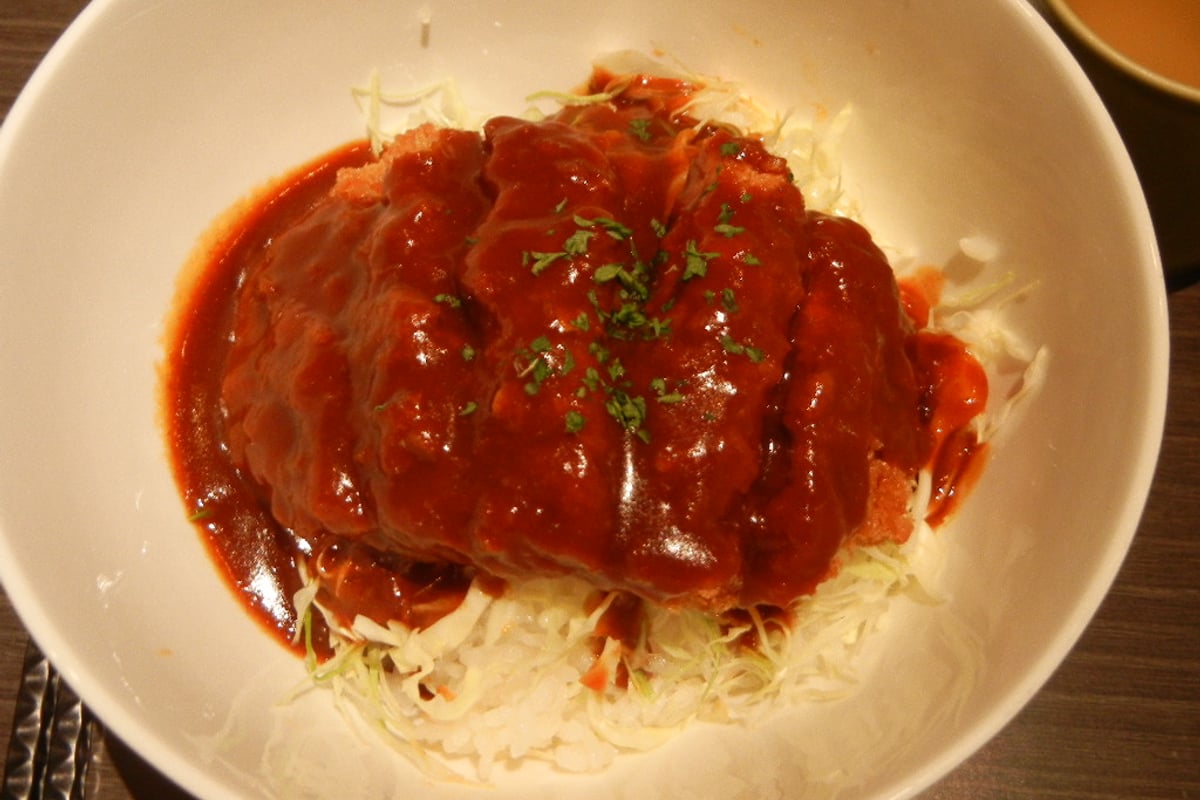
Demi Katsudon (Demi-Glace Pork Cutlet Bowl)
Demi Katsudon
Demi Katsudon is a local specialty from Okayama City featuring freshly fried pork cutlet topped with piping-hot demi-glace sauce. It is said to have originated when the founder of the long-established restaurant 'Ajishi Nomura,' founded in 1931 (Showa 6), was so impressed by the demi-glace sauce he tasted at a Tokyo hotel that he adapted it for the pork cutlets served at his own shop. The basic style is to place a pork cutlet over white rice and pour on plenty of demi-glace sauce, with each restaurant adding its own touches such as a raw egg or green peas (called 'Alaska' at some Okayama shops). Today it is served at around 30 restaurants throughout Okayama City and the wider prefecture, and goes by various names such as 'Demi-katsu,' 'Domi-katsu,' or 'Western-style katsu.' It is a beloved year-round Western-style rice bowl dish that is popular with tourists as well as locals.
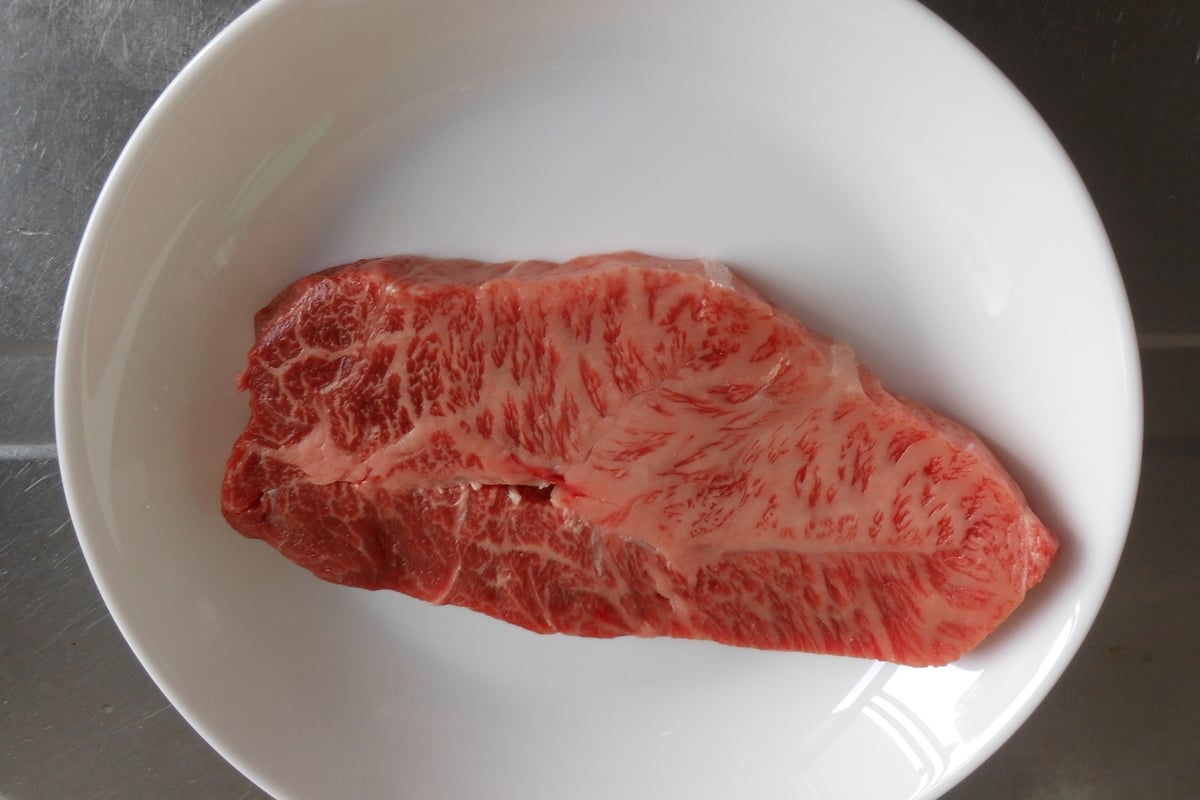
Hitachi Gyu (Hitachi Beef)
Hitachi Gyu
Hitachi Gyu is a branded Wagyu beef from Ibaraki Prefecture, awarded only to Japanese Black cattle raised in the prefecture for at least 27 months that earn a grade of A or B4 or higher from the Japan Meat Grading Association, with especially fine meat quality. Its roots trace back to 1832, when Tokugawa Nariaki, the 9th lord of the Mito Domain, opened the 'Sakurano' ranch in what is now Mito City's Mikawa-cho and began raising black cattle there. In 1976, the Ibaraki Prefecture Beef Brand Establishment Promotion Council named superior Japanese Black cattle raised in the prefecture 'Hitachi Gyu,' and the following year the Ibaraki Hitachi Gyu Promotion Association was established, unifying it as a single brand. Cuts such as rib loin, sirloin, and fillet are prized for their well-marbled, tender texture with a good balance of lean meat and fat, while shoulder loin and thigh are enjoyed grilled or in sukiyaki, and outer thigh and shank are suited to simmered dishes, each cut enjoyed in ways that highlight its own character.
Iwate Tankaku Beef
Iwate Tankaku Beef
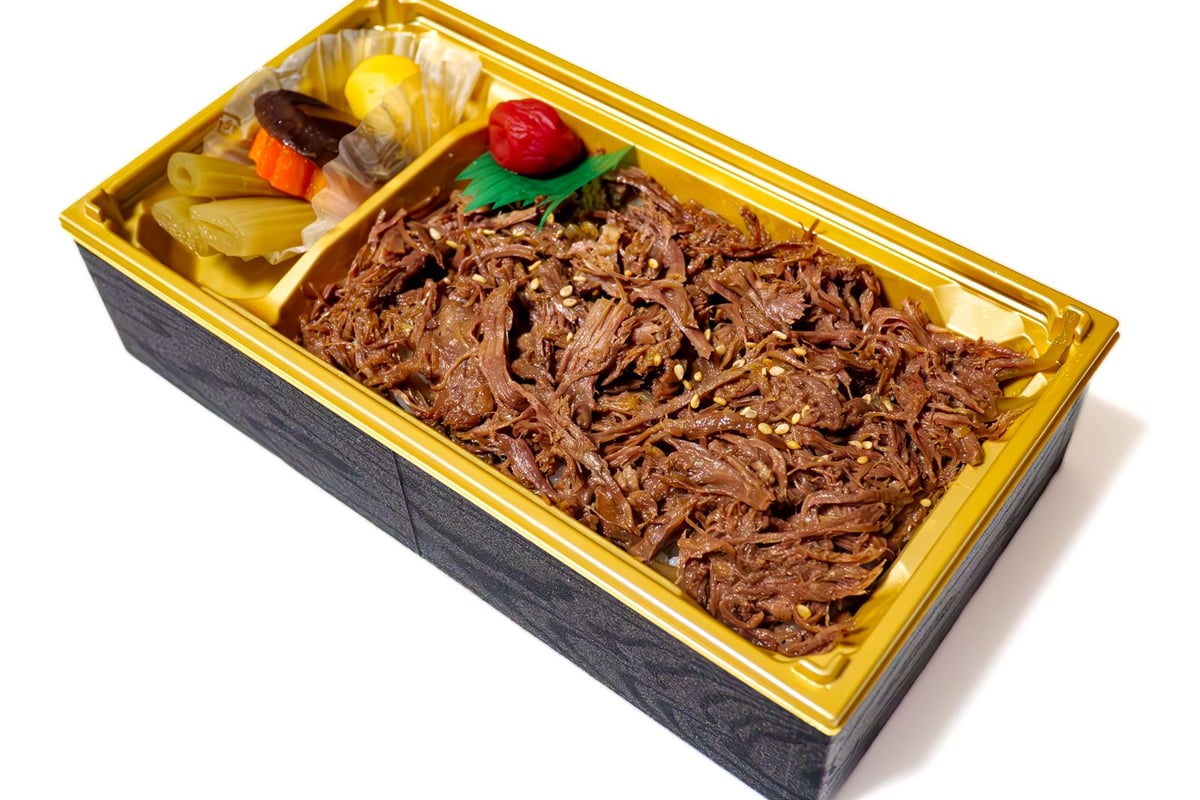
Iwate Tankaku Beef is an Iwate-branded beef from 'Nihon Tankaku' (Japanese Shorthorn), a reddish-brown breed of beef cattle raised across northern Iwate Prefecture, from the plains to the mountainous areas. Its defining feature is a unique rearing method called 'natsuyama-fuyuzato' (summer mountain, winter village), which makes the most of the breed's cold hardiness and suitability for open-range grazing: from spring through autumn, mother cows and calves live together on vast highland pastures, then move to barns for the winter. Raised mainly on grass rather than grain feed, the cattle produce lean beef with less fat and a concentrated, savory flavor that deepens the more it is chewed. Nihon Tankaku accounts for only a small fraction of Japan's total wagyu supply, making it a notably rare type of beef. As interest in the appeal of lean meat has grown alongside rising health consciousness, Iwate Tankaku Beef has gained increasing recognition nationwide as one of Iwate Prefecture's representative branded beefs.
Jingisukan (grilled mutton)
Jingisukan
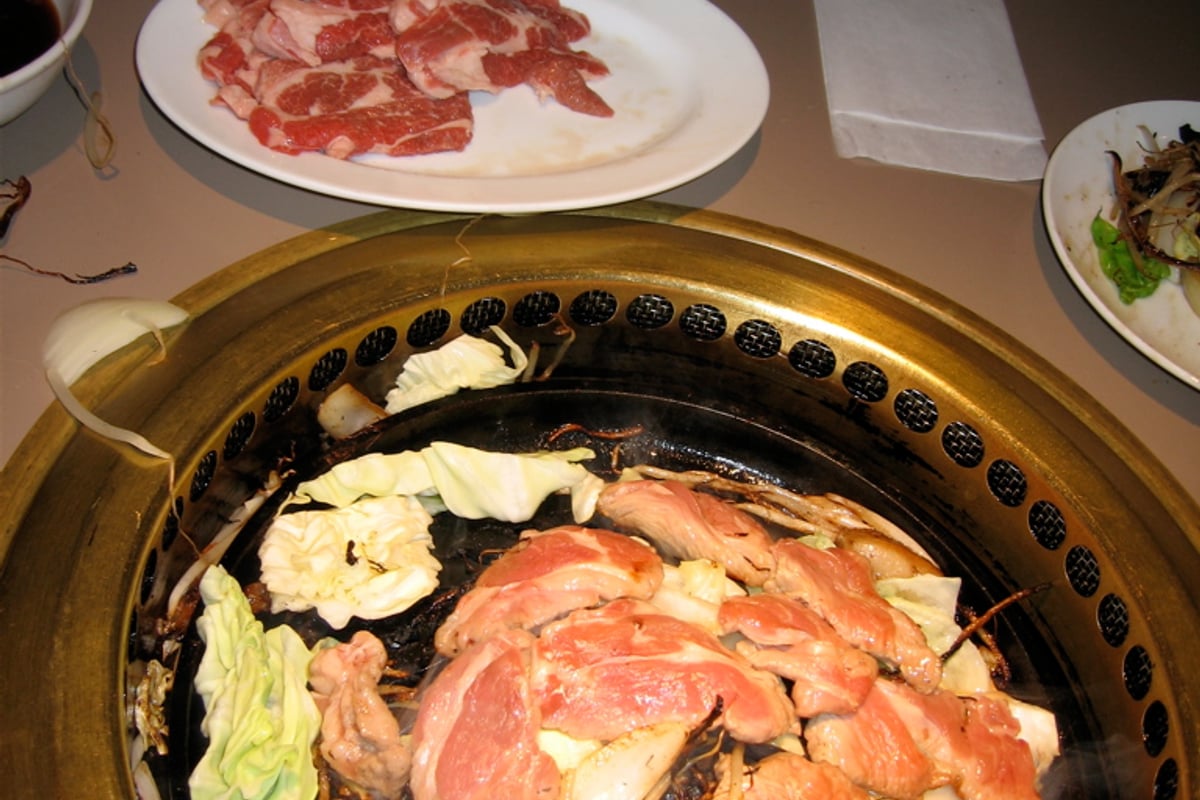
Jingisukan is a meat dish representing Hokkaido in which mutton is grilled on a special dome-shaped pan. The cast-iron pan, raised at the center, is built so that mutton grilled at its peak lets juices drip down to steam-cook vegetables around its rim; one theory holds that the pan's shape resembles a Mongol soldier's helmet. Various theories exist about who coined the name, but Tokuzo Komai, who served as head of the South Manchuria Railway's research department, is considered the most likely candidate. In the Taisho era, the “One Million Sheep Plan,” aimed at achieving domestic self-sufficiency in wool, established sheep-breeding stations in Takikawa and Tsukisamu in Sapporo, laying the groundwork for the dish's spread. After the war, in 1956, Masaji Matsuo in Takikawa devised “seasoned Jingisukan,” in which mutton is marinated in sauce before grilling, and it spread across Hokkaido. There are two main styles: the Takikawa/Matsuo style, in which meat is marinated in sauce before grilling, and the Sapporo/Tsukisamu style, in which sauce is applied after grilling, and the difference in flavor from shop to shop is part of the enjoyment.
Kashiwa Sukiyaki (Nara-Style Chicken Sukiyaki)
Kashiwa no Sukiyaki
Kashiwa Sukiyaki is a local dish of Nara Prefecture, listed among the Ministry of Agriculture, Forestry and Fisheries' 'Our Local Cuisine' collection, made using chicken instead of beef. In the Kansai region, chicken meat for eating is called 'kashiwa,' a name said to derive from the way the bird's brownish feathers resemble the color of oak (kashiwa) leaves. Because the guardian deity of Tenmangu shrines is said to be a bull, chicken sukiyaki rather than beef sukiyaki has traditionally been served at the celebratory autumn festival for Tenjin-san, and the dish has since been made at home to celebrate special occasions and to entertain guests. Today it is often made with 'Yamato Nikudori,' a breed of chicken developed by Nara Prefecture to recreate the flavor of the pre-war 'Yamato Kashiwa,' prized for its rich, savory taste and well-balanced marbling. It is typically eaten dipped in raw or onsen (soft-poached) egg, and finishing the pot with Miwa somen noodles is also a popular way to enjoy it.
Maesawa Beef
Maesawa Beef
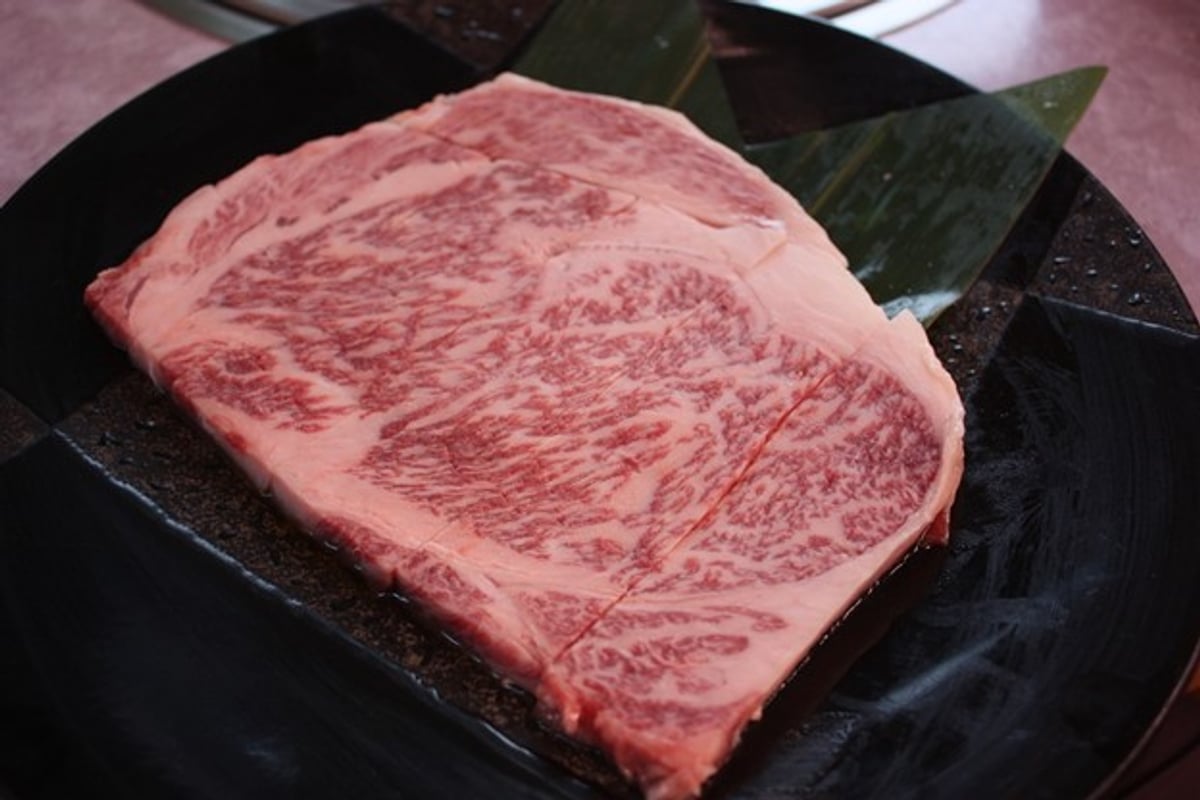
Maesawa Beef is a branded beef name reserved for Japanese Black cattle raised in Maesawa, Oshu City, Iwate Prefecture, that meet a meat quality grade of 4 or higher. Production of Japanese Black cattle began in the 1950s, when breeding cows were introduced from Okayama and Shimane prefectures, and full-scale fattening started in earnest after the Maesawa Town Agricultural Cooperative's fattening division was established in 1965. The name 'Maesawa Beef' was first used at the Maesawa Beef Carcass Competition held in 1971, and it has been established as a brand ever since. Blessed with snowmelt water flowing down from the Ou Mountains and the Kitakami Highlands, the Maesawa area is also a fine rice-growing region, and a nature-cycle style of fattening that uses locally grown rice straw as roughage and bedding produces the fine marbling and moist texture the beef is known for. Maesawa Beef has won the Grand Prize a record six times at the National Wagyu Carcass Competition, earning it recognition as one of the finest wagyu brands in Japan.
Okukuji Shamo (Game Chicken)
Okukuji Shamo
Okukuji Shamo is a jidori (native breed) chicken raised primarily in Daigo Town in northern Ibaraki Prefecture, created by crossing a gentle-tempered strain of shamo (game fowl) selectively bred within the prefecture with Nagoya Cochin, known for its rich-flavored meat, and Rhode Island Red, prized for its high egg-laying ability. It is raised for roughly three times as long as ordinary broiler chickens, males for at least 110 days and females for at least 130 days, and from 28 days of age onward is kept in spacious conditions of no more than 10 birds per square meter. Full-scale production and sales began in 1985, and in 1988 it took first place in a nationwide jidori taste competition. In 2018 it became the first jidori chicken in Japan to be registered under the Geographical Indication (GI) Protection System, officially confirming its quality. With its lean, firm texture and juicy, rich flavor, it is served in Daigo Town in a wide variety of dishes, including oyakodon (chicken and egg rice bowl) and shamo nabe (hot pot).
Tochigi Wagyu
Tochigi Wagyu
Tochigi Wagyu is a brand name given only to beef from Japanese Black cattle raised with great care by designated producers in Tochigi Prefecture that meet a strict standard: a carcass grade of A or B and rank 4 or higher. The name was established in 1988 (Showa 63), as part of an effort to build a brand around Tochigi-produced wagyu. About 200 designated producers raise calves of superior bloodlines over a long fattening period of roughly 30 months, adding Tochigi-grown rice to the feed in the later stages of fattening to enhance meat quality and flavor. While the prefecture raises around 10,000 wagyu cattle a year, only about 3,500 head annually are certified as Tochigi Wagyu, known for their finely marbled, tender meat. It has also earned high acclaim at nationwide competitions such as the National Wagyu Carcass Competition, and can be enjoyed at sukiyaki and yakiniku restaurants both within and outside the prefecture.
Towada Barayaki (Grilled Beef Short Plate)
Towada Barayaki
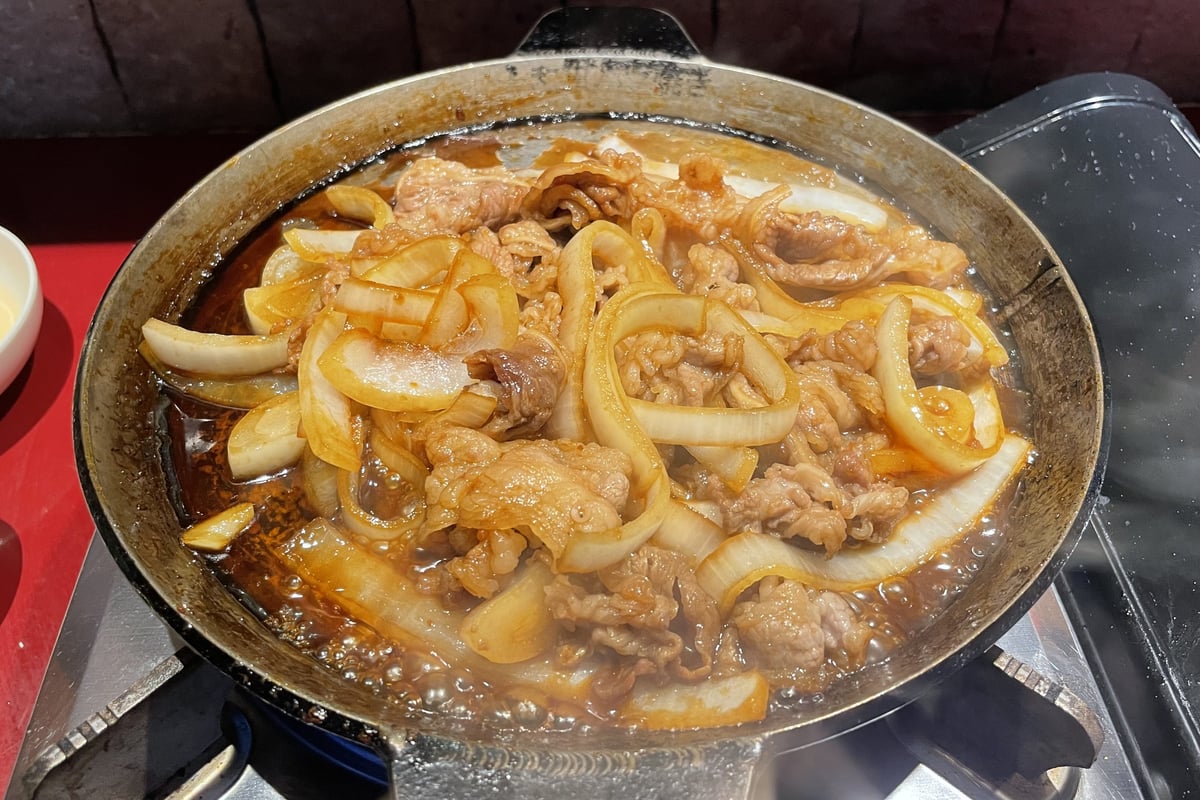
Towada barayaki is a soul food of Towada City residents, made by grilling beef short plate together with a large amount of onion on a griddle with a sweet-and-savory soy-sauce-based sauce. It is said to have originated in the 1950s at food stalls that lined the area in front of a U.S. military base in neighboring Misawa City. At the time, cattle raised by U.S. military personnel for food were used for their lean meat as steak, and the fatty short plate and offal left over were sold off cheaply; people with roots in the Korean Peninsula are said to have cooked this using plenty of onion, drawing on bulgogi as a reference, and this is considered the origin of the dish. An advertisement in a local newspaper in 1958 mentions 'beef barayaki,' and it later spread to Towada City, where it exploded in popularity. Today it is served at more than 40 shops in the city, each offering its own distinctive sauce.
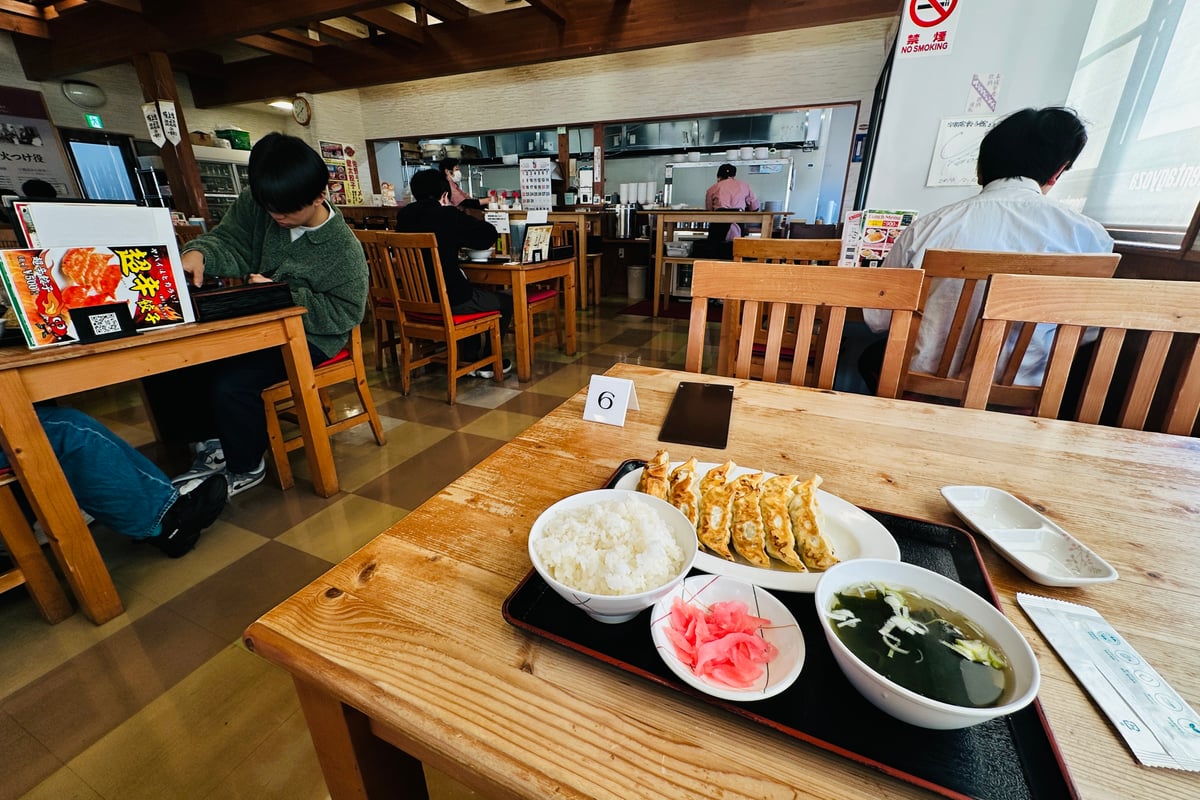
Utsunomiya Gyoza
Utsunomiya Gyoza
Utsunomiya Gyoza is a local specialty centered on Utsunomiya City in Tochigi Prefecture, known nationwide as one of Japan's leading 'gyoza towns.' During World War II, officers and soldiers of the Army's 14th Division, stationed in Utsunomiya, were dispatched to Manchuria (present-day northeastern China) and other areas, where they are said to have encountered authentic gyoza culture; after the war, returning soldiers brought the recipe back with them, and it spread throughout the city. In 1991, the trade association 'Utsunomiya Gyoza Kai' was formed, and through activities such as installing a gyoza statue, creating gyoza maps, and holding the annual 'Utsunomiya Gyoza Festival' each autumn, the city has pursued community revitalization on the strength of ranking first nationally in household gyoza spending. Featuring a sweet filling generously packed with vegetables such as cabbage, garlic chives, and green onion and only lightly seasoned with garlic, the city is home to more than 200 gyoza restaurants, where the dumplings are enjoyed pan-fried, boiled, or deep-fried in a variety of styles.
Yamato-gyu
Yamato-gyu
Yamato-gyu is a brand name given exclusively to beef from Japanese Black (kuroge washu) cattle raised at designated producer farms within Nara Prefecture that meet a set of specific grading requirements. It is known for its finely marbled, reddish-brown lean meat and for being rich in oleic acid — an unsaturated fatty acid considered beneficial for health — which gives the fat a smooth, melting quality and a rich flavor. Nara has a long history as a cattle-raising region, documented as a source of fine cattle as far back as the Kamakura-period picture scrolls 'Shungyu Ekotoba' and 'Kokugyu Jusu.' Since the Yamato-gyu Distribution Promotion Council was established in 2003, information on each animal's pedigree, feed, and rearing environment has been recorded and managed individually, making the path from production to distribution fully traceable. Today, 12 designated producer farms raise the cattle, which are then delivered within and outside the prefecture through designated retailers and wholesalers. Beef that clears even stricter standards — including a longer fattening period and higher oleic acid content — is certified as 'Nara Prefecture Premium Select,' marking it as an especially fine grade even among Yamato-gyu.
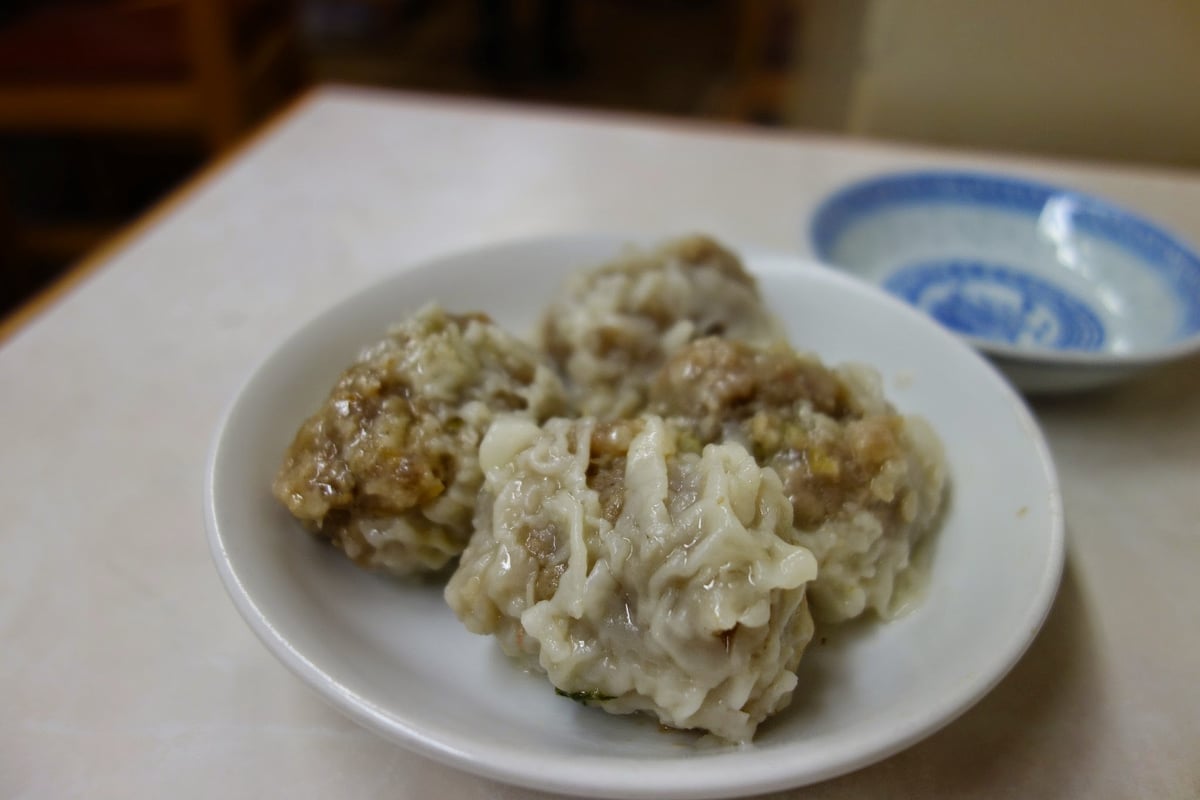
Yokohama Chinatown Shumai
Yokohama Chinatown Shumai
The shumai of Yokohama Chinatown developed against the backdrop of dim sum culture brought over by Chinese chefs who arrived at Nankin-machi (present-day Chinatown) following the opening of the port in the Meiji era. It is a type of dim sum made by wrapping pork-based filling in a wheat-flour wrapper and steaming it; Chinatown is home to numerous long-established shops with histories ranging from several decades to nearly a century, each offering its own house-made shumai with distinct blends and textures. Many are small, bite-sized pieces packed with concentrated meat juices, and takeout sales at storefronts and gift boxes for souvenirs are also common. Notably, the 'Shiumai' made by Kiyoken, nationally famous as a Yokohama ekiben (train station bento), is also said to have its roots in the shumai served in Nankin-machi (present-day Chinatown); the shumai served as Chinatown dim sum and Kiyoken's ekiben Shiumai are like siblings that branched off from the same Yokohama food culture.
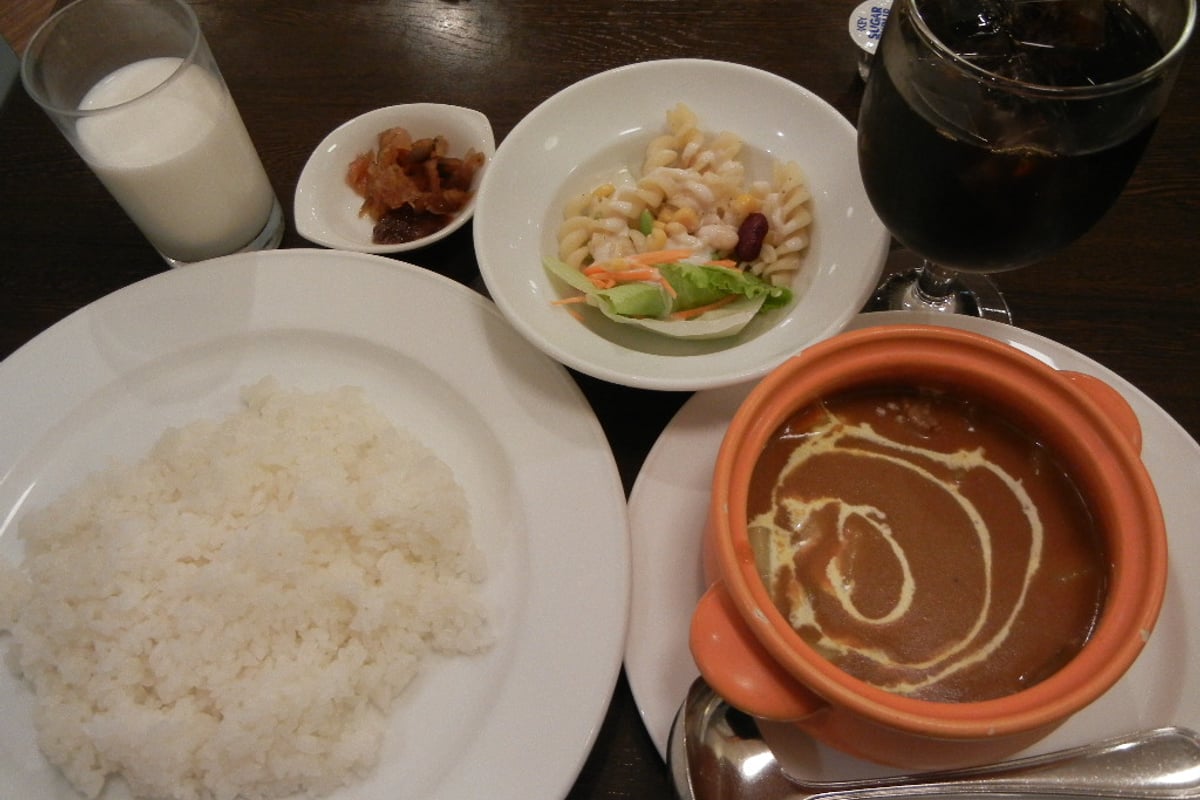
Yokosuka Kaigun Curry
Yokosuka Kaigun Curry
Yokosuka Kaigun Curry (Yokosuka Navy Curry) is a modern recreation of a curry recipe served in the former Imperial Japanese Navy during the Meiji era, and is a town-revitalization dish that originated in the city of Yokosuka. It recreates the method for 'curried rice' recorded in a 1908 navy cookbook, 'A Reference Book of Naval Culinary Techniques,' and it is a basic rule that it be served with milk and a salad on the side. It grew out of the activities of the 'Curry Town Yokosuka Promotion Committee,' launched in 1999 through cooperation between the city of Yokosuka, its chamber of commerce, and the Japan Maritime Self-Defense Force, and in principle it is served only at certified shops within Yokosuka City. The Imperial Japanese Navy of the Meiji era, whose sailors suffered from beriberi due to a diet centered on white rice, adopted a curry-flavored stew from the British Navy to improve nutritional balance — a practice regarded as one of the roots of Japan's curry culture — and Yokosuka Kaigun Curry is cherished today as a dish that carries this history forward.
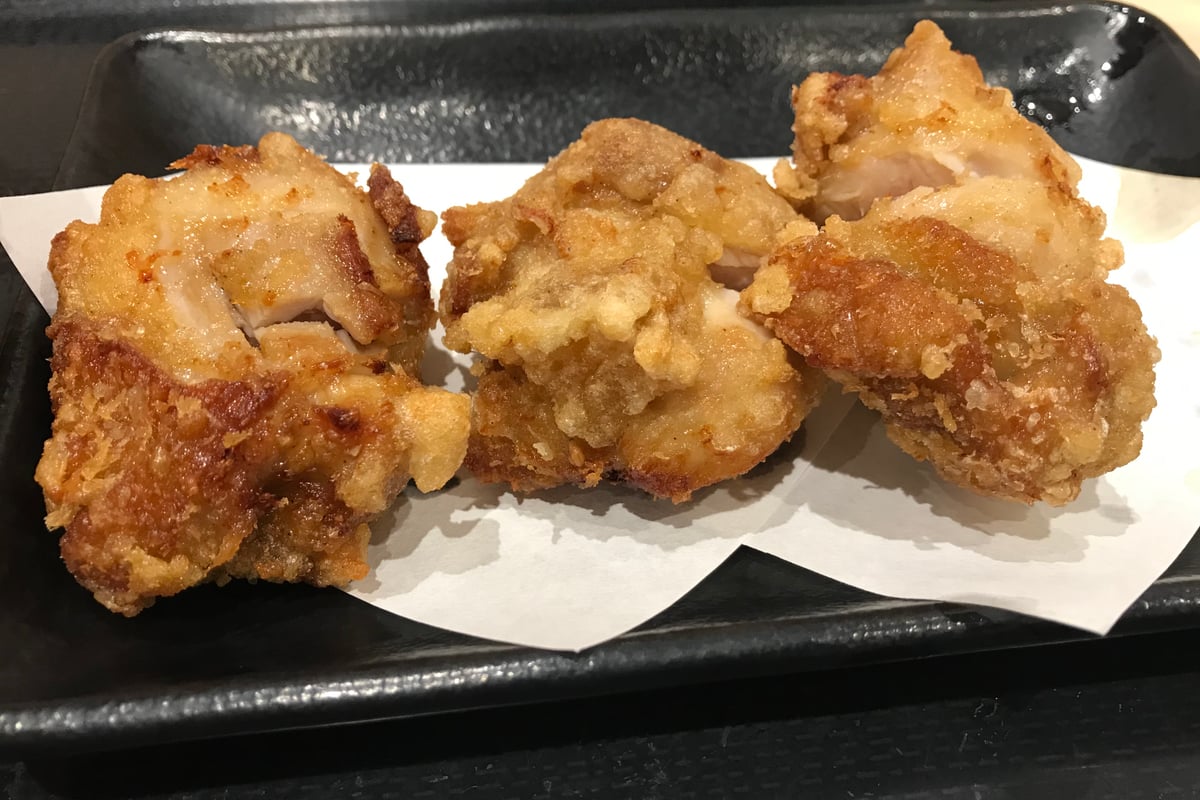
Zangi (Hokkaido-style fried chicken)
Zangi
Zangi is Hokkaido's own style of fried chicken, in which chicken is marinated firmly in a base of soy sauce, garlic, ginger, and other seasonings, coated in wheat flour, and deep-fried. It is said to have originated around 1955, when a poultry restaurant in the Suehiro entertainment district of Kushiro cut a whole chicken into pieces and deep-fried it. The name is thought to derive from the Chinese dish of deep-fried chicken, “zhaji,” with the most likely theory being that the shop's owner inserted an extra “n” sound into the word for a catchier ring and good fortune. Compared to ordinary Japanese fried chicken, zangi is characterized by a stronger marinade, strong enough to be eaten on its own, and a crunchy texture from the marinade and batter clinging firmly to the meat. In the style that originated in Kushiro, deep-fried chicken is also served drizzled with a special Worcestershire-based sauce, a way of eating that remains firmly popular. From a side dish at home to a favorite at izakaya, it is a soul food enjoyed year-round across Hokkaido.