Image: Wikimedia Commons
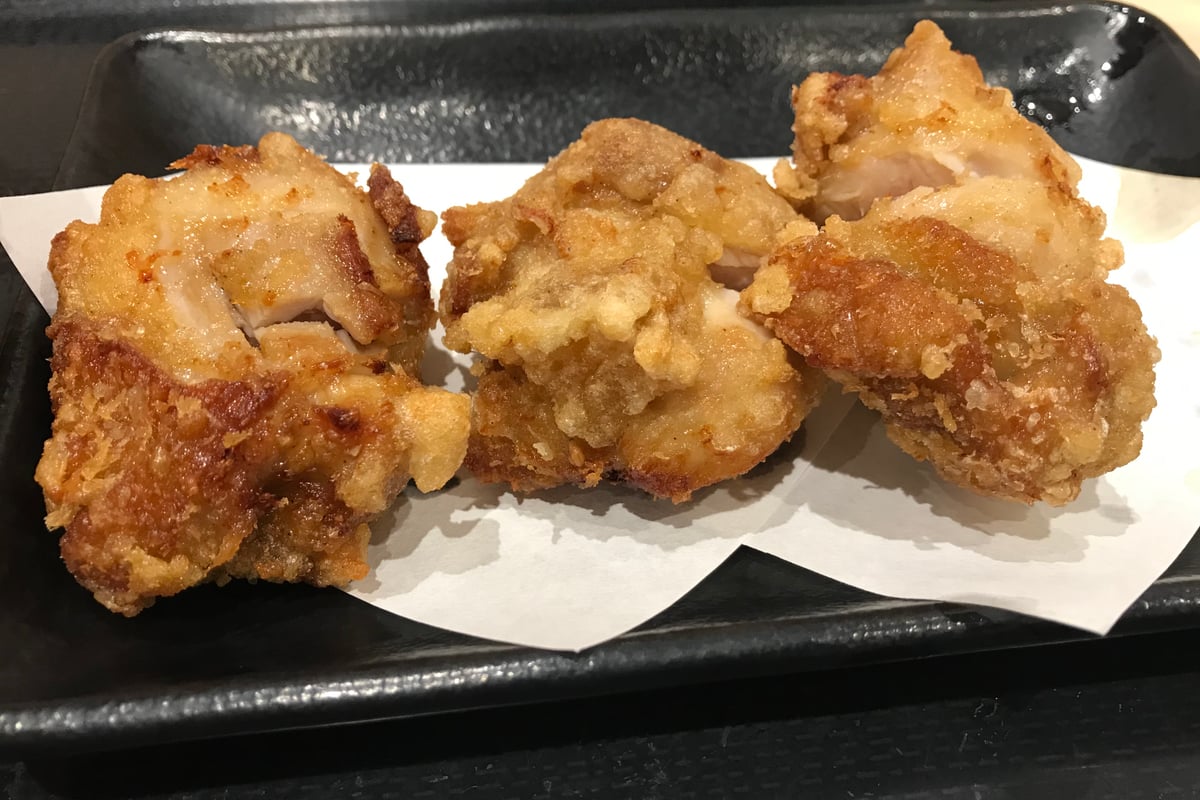
Zangi is Hokkaido's own style of fried chicken, in which chicken is marinated firmly in a base of soy sauce, garlic, ginger, and other seasonings, coated in wheat flour, and deep-fried. It is said to have originated around 1955, when a poultry restaurant in the Suehiro entertainment district of Kushiro cut a whole chicken into pieces and deep-fried it. The name is thought to derive from the Chinese dish of deep-fried chicken, “zhaji,” with the most likely theory being that the shop's owner inserted an extra “n” sound into the word for a catchier ring and good fortune. Compared to ordinary Japanese fried chicken, zangi is characterized by a stronger marinade, strong enough to be eaten on its own, and a crunchy texture from the marinade and batter clinging firmly to the meat. In the style that originated in Kushiro, deep-fried chicken is also served drizzled with a special Worcestershire-based sauce, a way of eating that remains firmly popular. From a side dish at home to a favorite at izakaya, it is a soul food enjoyed year-round across Hokkaido.
Origin
The origins of zangi trace back to around 1955 in Kushiro's Suehiro entertainment district. It is said that the owner of a poultry restaurant in the area at the time cut a whole chicken into pieces, marinated it, and served it deep-fried, and that this was the beginning. Deep-frying everything without waste, including bone-in thigh and wing pieces, is said to have become the prototype of today's zangi.
History
There are several theories about the origin of the name: that an extra “n” sound was inserted into the Chinese term for deep-fried chicken, “zhaji,” to give it a catchier ring, or that it derives from “zangiri,” meaning to cut meat bone and all. Born in Kushiro, zangi spread to eateries and izakaya across Hokkaido and also became established as a standard home side dish.
Features
Chicken is marinated in a strong sauce combining soy sauce, garlic, ginger, sake, and other seasonings before being coated in wheat flour and deep-fried, so it is characteristically well seasoned enough to eat on its own without any dipping sauce. Whereas ordinary Japanese fried chicken is typically coated mainly in potato starch for a light texture, zangi uses mainly wheat flour for a crunchier bite. At some shops in Kushiro, a tradition remains of drizzling deep-fried chicken with a special Worcestershire-based sauce.
Main Ingredients
Food Culture
Born in Kushiro, zangi is made year-round as a home side dish and a filling for boxed lunches, and it is also indispensable at sports days and celebratory gatherings. It is a standard izakaya snack as well, and across Hokkaido the word zangi is widely used as a general term for deep-fried chicken of any kind.
How It Differs from Home Cooking
The main difference from ordinary fried chicken is the strength of the marinade; the Hokkaido style is to marinate the chicken firmly in a soy-sauce-based sauce even at home. At specialty shops in Kushiro, whole chickens are boldly cut bone and all, and a house special sauce is served alongside, preserving a style unique to specialty shops.
Famous Shops
鳥松
北海道釧路市栄町3-1
A long-established Kushiro shop said to be the birthplace of zangi. Both bone-in and boneless zangi are popular; takeout zangi runs about 650 yen per serving.
FAQ
Q. What is the difference between zangi and regular fried chicken (karaage)?
A. Zangi is marinated firmly with a strong seasoning base and deep-fried in a wheat-flour-based batter for a crunchy texture, and the main difference from ordinary fried chicken is that its rich flavor lets it be eaten without any dipping sauce.