Image: Wikimedia Commons
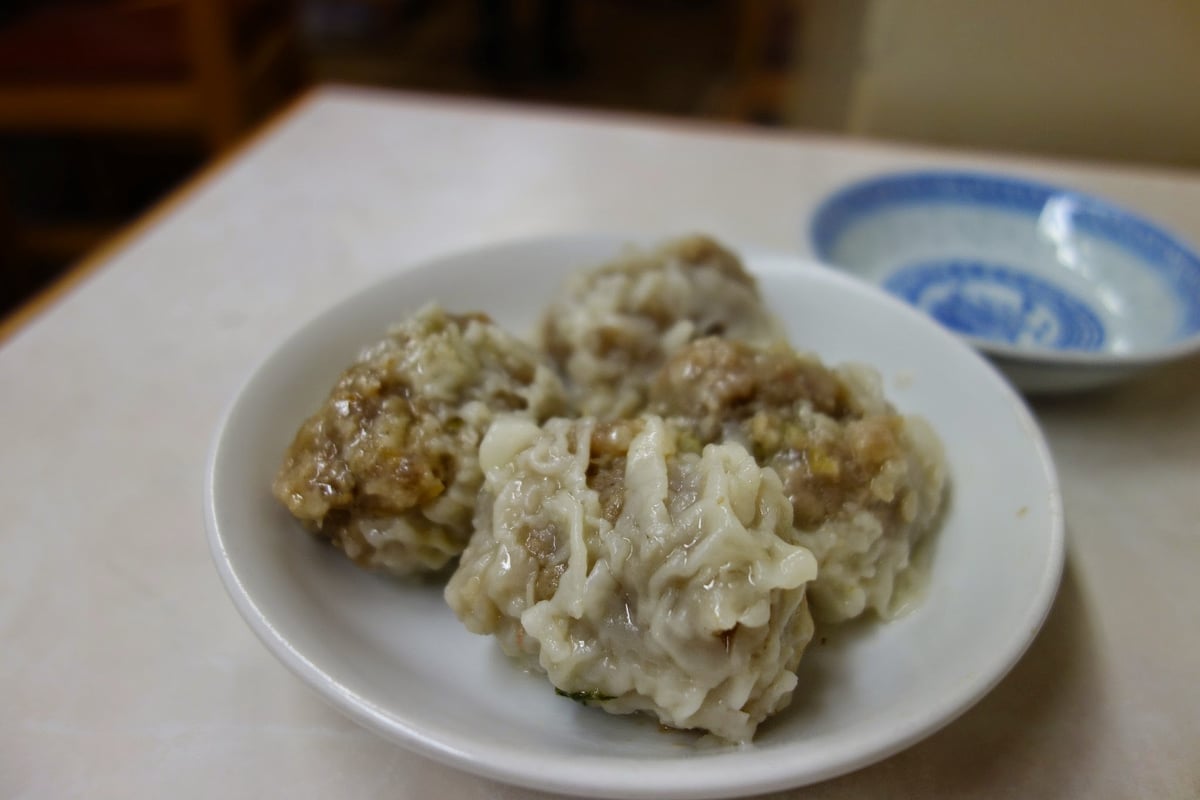
The shumai of Yokohama Chinatown developed against the backdrop of dim sum culture brought over by Chinese chefs who arrived at Nankin-machi (present-day Chinatown) following the opening of the port in the Meiji era. It is a type of dim sum made by wrapping pork-based filling in a wheat-flour wrapper and steaming it; Chinatown is home to numerous long-established shops with histories ranging from several decades to nearly a century, each offering its own house-made shumai with distinct blends and textures. Many are small, bite-sized pieces packed with concentrated meat juices, and takeout sales at storefronts and gift boxes for souvenirs are also common. Notably, the 'Shiumai' made by Kiyoken, nationally famous as a Yokohama ekiben (train station bento), is also said to have its roots in the shumai served in Nankin-machi (present-day Chinatown); the shumai served as Chinatown dim sum and Kiyoken's ekiben Shiumai are like siblings that branched off from the same Yokohama food culture.
Origin
Following the opening of the port of Yokohama in 1859, many Chinese merchants and chefs came to Yokohama, and Nankin-machi (present-day Chinatown) formed in a corner of the foreign settlement. Shumai was among the dim sum, centered on Cantonese cuisine, that they brought with them, and it is said to have begun as a dim sum item made with ingredients such as pork and dried scallops, served at eateries in Chinatown.
History
Chinatown retains many long-established shops, including some founded in the early Showa era, each continuing to make shumai with its own blend and steaming method. Meanwhile, Kiyoken, known for its Yokohama ekiben, was developed when its first president, Nonami Shigekichi, was searching for a Yokohama specialty and took note of the shumai then being served in Nankin-machi; he developed a shumai that tasted good even when cold and began selling it as an ekiben from 1928. A distinctive feature of Yokohama's shumai culture is that shumai born from Chinatown's dim sum tradition gained nationwide recognition through a different form — the ekiben. Against this backdrop, Yokohama City is known as the city with Japan's highest shumai consumption, said to be more than twice the national average.
Features
A distinctive feature of the shumai at each Chinatown shop is that pork-based filling, with a blend that varies by shop, is wrapped in a thin skin and served freshly steamed. Many shops make them small and easy to eat, allowing diners to enjoy juicy meat juices and the chewy texture of the wrapper. Selling individual pieces at storefronts and packing them into takeout boxes are also common, and tourists buying them to eat while strolling or as souvenirs is a familiar sight in Chinatown.
Famous Shops
安記
神奈川県横浜市中区山下町147
A congee specialty shop founded in 1932 (Showa 7). One of Chinatown's long-established shops, offering house-made shumai for around 605 yen.
清風楼
神奈川県横浜市中区山下町190
A long-established shop facing Kanteibyo-dori. In-store, shumai is sold for 540 yen per piece, with a 12-piece takeout box for around 1,720 yen.
FAQ
Q. Is Kiyoken's 'Shiumai' the same as Chinatown's 'shumai'?
A. They share the same roots. Kiyoken's first president, while searching for a Yokohama specialty, was inspired by the shumai then served in Nankin-machi (present-day Yokohama Chinatown), and developed a shumai for ekiben that tasted good even when cold, launching it in 1928. Meanwhile, shops in Chinatown continue to hand down their own shumai as a dim sum item, serving it freshly steamed — the two are twin food cultures that developed from the same roots.
Q. Is there a difference in taste between Kiyoken's shiumai and Chinatown's shumai?
A. Kiyoken's shiumai is distinguished by the addition of dried scallops and green peas mixed into the filling, so that it tastes good even when cold. The shumai at each Chinatown shop is made as a dim sum item served freshly steamed, with pork-based, juicy filling wrapped in a thin skin, giving it a flavor closer to authentic dim sum.