 1 / 2
1 / 2Image: Wikimedia Commons
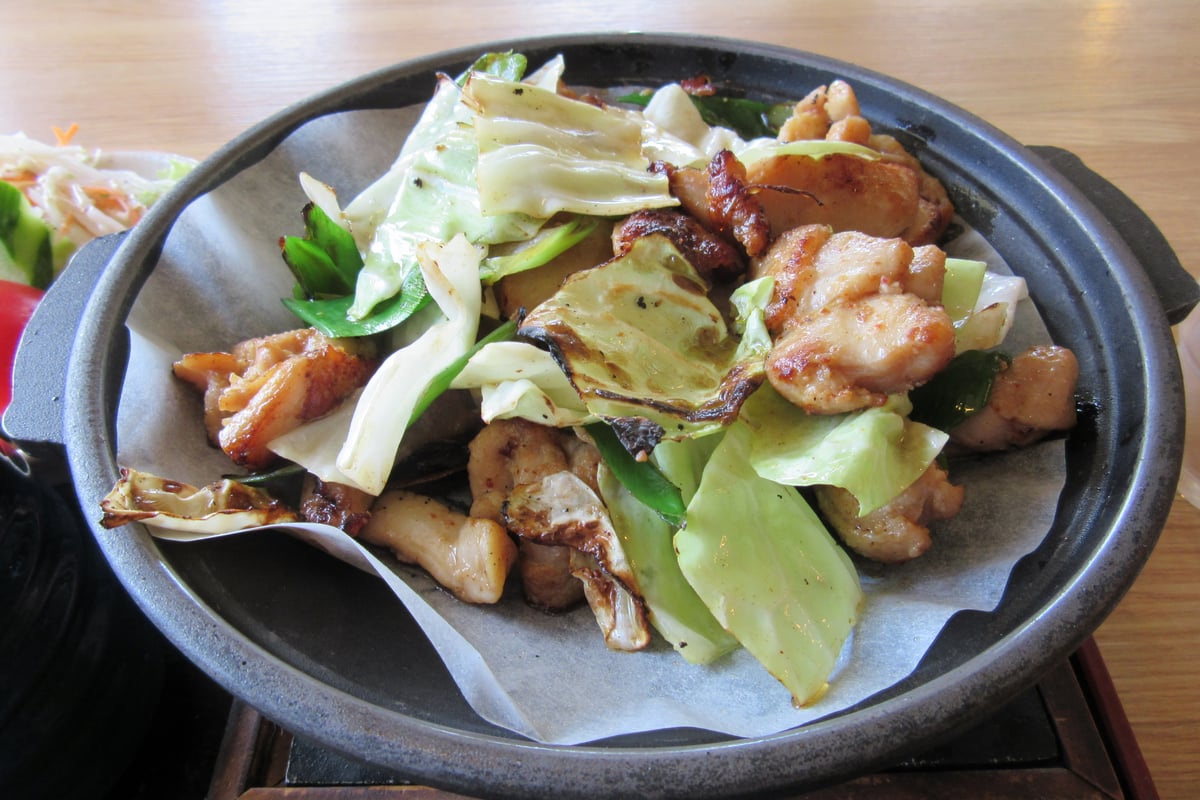
Keichan is a local dish from the Oku-Mino and southern Hida areas of Gifu Prefecture, in which chicken and seasonal vegetables are marinated in a special miso- or soy sauce-based sauce, then grilled on an iron plate or a Genghis Khan-style grill. It has long been enjoyed around Gujo City, Gero City, and the northern part of Nakatsugawa City, with each restaurant and household having its own way of seasoning and marinating. It is said to have originated when many households, which once kept chickens for eggs, prepared the hens that had stopped laying as a special dish for festive occasions such as Obon and New Year. From the 1955-1964 period onward, butcher shops and restaurants in Gero and Gujo began developing their own sauces, and as inexpensive chicken became more widely available, the dish spread from home cooking to restaurant menus. Today, more than 30 restaurants in Gero City alone serve their own versions of Keichan, and it remains a popular attraction for visitors to Gero Onsen and Gujo Hachiman.
Origin
In the farming villages of Gero and Gujo, many households kept chickens to produce eggs, and Keichan is said to have originated from preparing hens that had stopped laying as a special dish served to relatives gathered for occasions such as Obon and New Year. Because the meat of older hens tends to be tough, people devised the idea of marinating it in a miso- or soy sauce-based sauce and grilling it together with vegetables to make it more delicious.
History
Keichan had been eaten as a home-cooked dish since around 1950, and it spread more widely once butcher shops and restaurants in Gero and Gujo began developing their own original sauces and serving it in the 1955-1964 period. In the 1965-1974 period, inexpensive young chicken became widely available, and the dish became established as something easy to make at home as well. Today, many restaurants in Gero City and Gujo City serve it as a signature menu item, and it has become a local specialty representing the region.
Features
The basic style is to marinate chicken along with vegetables such as cabbage and bean sprouts in a miso-, soy sauce-, or salt-based sauce, then grill it on an iron plate or a Genghis Khan-style grill. The name is said to derive from the way grilled pork offal is called 'Tonchan,' which inspired the name 'Keichan' for this chicken dish. Each restaurant and household has its own blend of sauce, so part of the fun is comparing the differences in flavor.
Main Ingredients
Food Culture
Born from the custom of serving older hens on festive occasions when relatives gathered, Keichan has been cherished as a communal dish enjoyed by families and friends grilling together around an iron plate. In Gero and Gujo, sauce recipes have been passed down within individual households.
How It Differs from Home Cooking
At home, the dish is often made simply by marinating the chicken in a store-bought sauce, whereas specialty restaurants use local or branded chicken and their own secret sauce blends, reflecting a greater commitment to ingredients and flavor.
Famous Shops
鶏ちゃん専門店杉の子
岐阜県下呂市小川1311-1
A long-established specialty restaurant in Gero Onsen. Its signature Keichan costs around 950 yen per serving, 1,900 yen per pot, or about 1,500 yen as a set meal.
View details →舞台峠ファームズ
岐阜県下呂市御厩野518-3
Serves Keichan made with locally produced chicken. Also known for its Gohei Mochi made with the branded rice 'Gin no Mikazuki' (銀の朏).
View details →FAQ
Q. Where does the name Keichan come from?
A. It is said to be named after the way grilled pork offal is called 'Tonchan,' with 'Keichan' coined as the equivalent name for this dish made with chicken.