 Image: Wikimedia Commons
Iwate Prefecture
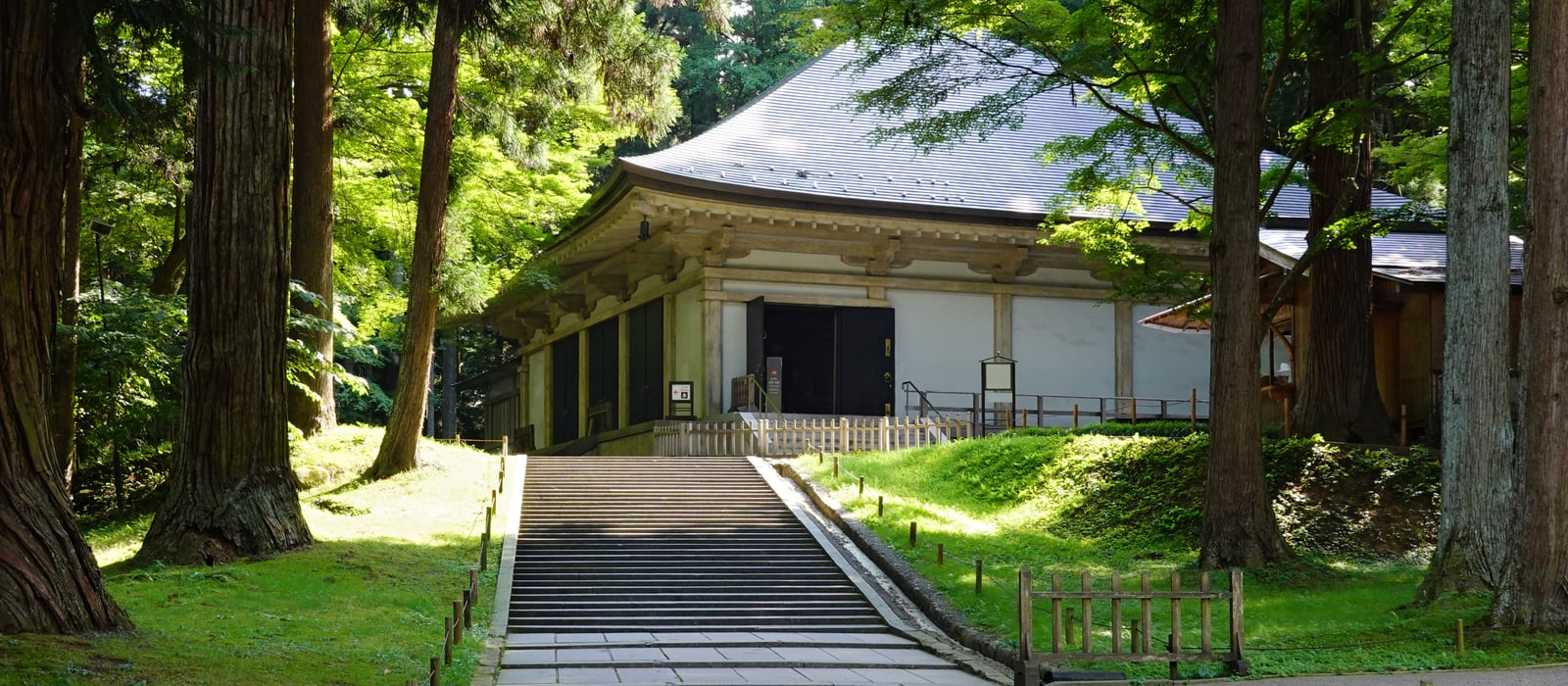
Iwate Prefecture boasts the largest area of any prefecture on Honshu, a land shaped by the mountains of the Kitakami Highlands and the Ou Mountains and by the sea of Sanriku. It is home to four traditional crafts that each developed as the official craft of the Nanbu or Date domain in the Edo period — Nanbu Tekki ironware, Hidehira-nuri lacquerware, Joboji-nuri lacquerware, and Iwayado Tansu chests — along with wool homespun weaving introduced in the Meiji era, reflecting the depth of the prefecture as a center of craft production. Its food culture is equally rich, shaped by the differing climates and histories of the Nanbu and Date domains and of the inland and coastal areas: a flour-based food culture typified by the Morioka Big Three Noodles (wanko soba, Morioka reimen, and jajamen), two brand beefs in Maesawa beef and Iwate Tankaku beef, Kuji's mamebu-jiru soup, and the varied mochi dishes of Ichinoseki and Hiraizumi. Hiraizumi, home to the Konjikido Golden Hall of Chuson-ji Temple, was registered as a UNESCO World Heritage Site in 2011.
Iwate's Traditional Crafts

Hidehira-nuri
Hidehira-nuri
Hidehira-nuri is lacquerware produced mainly in Hiraizumi (town), Iwate Prefecture. Its origins are said to trace back to the late Heian period, when Fujiwara no Hidehira, the third head of the Oshu Fujiwara clan, invited craftspeople from Kyoto and had them make vessels using lacquer and gold, both specialties of Hiraizumi. The Konjikido Golden Hall of Chuson-ji Temple employs a range of lacquer techniques - lacquer, gold leaf, maki-e, and raden (mother-of-pearl inlay) - showing that Hiraizumi possessed highly advanced lacquer craftsmanship during the Heian period. The most distinctive feature is the 'Hidehira pattern,' in which diamond-shaped pieces of gold leaf are applied and then floral motifs are painted over them in lacquer; a design combining the cloud motif known as 'Genji-gumo' with diamond shapes, called 'yusoku-hishi-mon,' is often used on bowls and tiered boxes. This rustic yet gold-gilded, festive design remains a style unique to this region, unlike lacquerware from other production areas, and continues to be passed down to this day.
Iwate Homespun
Iwate Homespun
Iwate Homespun is a woolen textile made from hand-spun yarn and finished by hand weaving. It is said to have begun around 1881, when sheep farming was introduced to the Ninohe region and a British missionary stationed there taught the local people how to spin and weave the wool. The craft was later developed into an industry by the mother-and-son team of Umehara Otoko and Goro in the former town of Towa (now part of Hanamaki City), and the techniques spread to several workshops and companies in and around Morioka, including Michinoku Akane-kai and Nippon Homespun. The hand-spun yarn gives the fabric a distinctive elasticity and resistance to wrinkling, along with a light, comfortable feel, and its muted, elegant colors from plant dyes are another highlight. Iwate is said to be the only production area in Japan where hand-spinning techniques are still practiced today, and its stoles, mufflers, and other products are prized as durable textiles that can be used across three generations of a family.
Iwayado Tansu
Iwayado Tansu
Iwayado Tansu is a traditional wooden chest of drawers made in the Iwayado district of Esashi, Oshu City, Iwate Prefecture. Its origins trace back to the Tenmei era (1781-1788), when the lord of Iwayado Castle at the time is said to have had his retainers research the commercialization of wooden furniture such as wheeled chests and long chests. In the Bunsei era (1818-1830), the blacksmith Tokubei devised engraved metal fittings, which became the prototype for the Iwayado Tansu known today. Made from zelkova and paulownia wood, the craft is defined by its combination of rich, heavy lacquer finishes that bring out the natural wood grain and elaborate, hand-forged and hand-engraved metal fittings. It was designated a Traditional Craft by the Minister of Economy, Trade and Industry in 1982, and the careful, divided craftsmanship of woodworking, lacquering, and metal fitting is still passed down today.
Joboji-nuri
Joboji-nuri
Joboji-nuri is practical, everyday lacquerware crafted mainly in Joboji, Ninohe City, Iwate Prefecture. Its origins are traced to 728 CE (the 5th year of Jinki), when the monk Gyoki founded Tendai-ji Temple in the area, and monks dispatched from the capital brought lacquer craftsmanship with them to make their own everyday utensils. Plain, understated vessels with minimal decoration became known as 'Oyama-goki,' and the craft spread as a product of the Nanbu domain during the feudal era. Joboji, in Ninohe City, is Japan's leading production area for domestic lacquer, supplying roughly 70 to 80 percent of all lacquer harvested in Japan. Using abundant locally sourced lacquer, the plain finishes in vermilion, black, and tame (amber-brown) develop a deeper luster with use, and the craft of making everyday tableware, valued for its practicality, continues to be passed down today.
Kokuji-yaki
Kokuji-yaki
Kokuji-yaki is pottery fired in the Kokuji district of Kuji City, Iwate Prefecture. According to tradition, it began in 1813 when Kazo, a potter from Soma (in present-day Fukushima Prefecture), built a kiln in Mikkamachi with the help of a local resident named Jinroku; Jinroku's son, Kumagai Jin'emon, later studied under Kazo and inherited the technique, which has since been passed down through generations of the Kumagai family. Kokuji-yaki has been produced by a single kiln continuously since its founding, making it the northernmost kiln in Japan among those with roots predating the Edo period. It is known for everyday tableware made with local clay, featuring a rustic white glaze (nukashiro-yu) made from straw ash and an amber glaze made with iron sand, and it was highly praised by Yanagi Muneyoshi, the founder of the Mingei (folk craft) movement, during the Meiji era.
Nanbu Kodai Katazome
Nanbu Kodai Katazome
Nanbu Kodai Katazome is a stencil-dyeing technique passed down in Morioka City. It is said to have begun in the Kan'ei era (1624-1643), when the lord of the Nanbu domain invited the dyer Ebisuya Sanemon (of the Ono family) from Kyoto to serve as the domain's official dyer, using stencils to dye kamishimo, kosode, and armor undergarments with the Nanbu family crest, the 'mukaizuru' (facing cranes), along with patterns such as small chrysanthemums, peonies, and plovers. Since then, the technique has been passed down through generations of the Ono family, and more than 300 stencils dating back to the domain era have survived to this day. The craft is characterized by its subdued indigo-based colors and the beauty of the patterns carefully dyed from a single stencil, and it is used to produce a wide range of items, from kimono fabric and obi sashes to table runners suited to modern life. The tradition continues to be preserved today at a workshop in Morioka City.
Nanbu Tekki
Nanbu Tekki
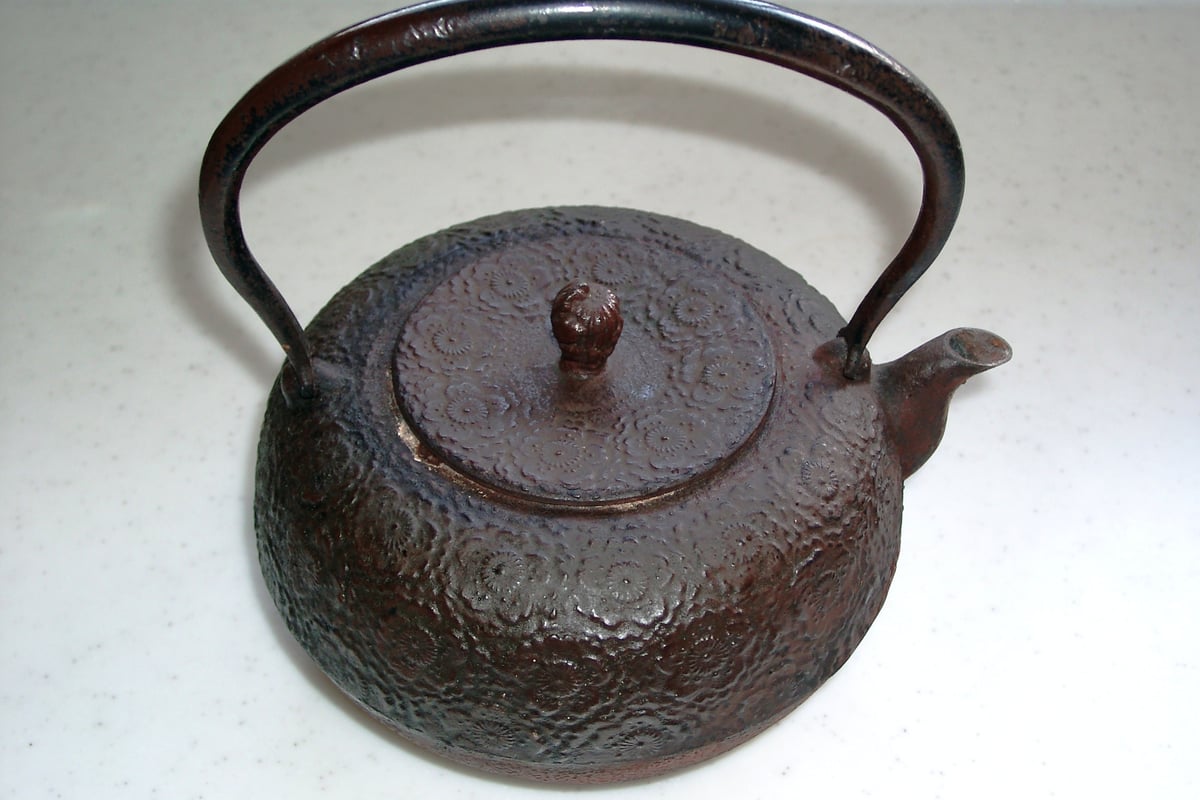
Nanbu Tekki is cast ironware produced mainly in Morioka City and the Mizusawa district of Oshu City, Iwate Prefecture, with a history of around 400 years. In Morioka, the craft is said to have begun in the mid-17th century when a lord of the Nanbu domain invited kettle-makers from Kyoto to produce tea-ceremony kettles, while in Mizusawa it is said to trace back to the late Heian period, when the Oshu Fujiwara clan invited casters from Omi Province. Both areas were rich in resources well suited to casting, such as iron sand, river sand, clay, and charcoal, and casting has flourished there since ancient times. In 1975 Nanbu Tekki was designated a Traditional Craft by the Minister of Economy, Trade and Industry. Prized for its solid, sturdy build and its ability to transmit heat evenly while retaining warmth, it is used to make iron kettles, teapots, pots, and wind chimes, and in recent years has become highly popular overseas as teaware. The handcrafted 'yakigata' (baked-mold) technique continues to be passed down today.
Nanbu-kei Kokeshi
Nanbu-kei Kokeshi
Nanbu-kei Kokeshi are traditional kokeshi dolls originating in Hanamaki City, Iwate Prefecture, modeled after a toy called 'kinakina' made by woodworkers. The head and body are turned separately on a lathe, and the head is deliberately fitted loosely so that it wobbles on its axis - a structural feature found only in the Nanbu style among Japan's eleven traditional kokeshi lineages. Originally the dolls had no painted face or pattern and were left as plain wood, but they later came to be decorated with flowers and patterns under the influence of craftsmen from the Naruko and Togatta lineages, and they also became known as Hanamaki kokeshi. The dolls are also known for using a fine wood called kosanbara (Japanese holly), prized for its white, hard grain, and they continue to be handmade by craftsmen mainly in Hanamaki and Morioka cities today. Their simple, expressive appearance remains beloved as a folk toy nurtured by the climate of the Tohoku region.
Torigoe Takezaiku
Torigoe Takezaiku
Torigoe Takezaiku is a bamboo craft passed down in the Torigoe district of Ichinohe Town, Ninohe District, Iwate Prefecture. It is made from Nanbu suzutake, a slender, pliant species of dwarf bamboo that grows wild in the mountains of northern Iwate, and is woven using the awase-ami (double-weave) technique, which produces a beautiful finish whether viewed from inside or outside. Its origins are said to trace back to the Heian period, and a legend tells of the priest Jikaku Daishi, who was staying in Torigoe, receiving a revelation from Kannon and spreading the craft of bamboo weaving among the local people. Long cherished as everyday tools such as baskets and sieves, the craft has in recent years seen its number of makers and production volume decline due to the mass die-off of the suzutake bamboo used as raw material, prompting the formation of the Torigoe Takezaiku Sanchi wo Mamoru Kai (Association to Protect the Torigoe Takezaiku Production Area), which works to train successors and promote the craft and its production area.
Tozan Washi
Tozan Washi
Tozan Washi is a handmade washi paper with roughly 800 years of history in Higashiyama, Ichinoseki City, Iwate Prefecture. Its origins are told in two ways: one theory holds that survivors of the Oshu Fujiwara clan, defeated by Kamakura forces at the end of the Heian period, settled in the area and began making paper for daily use alongside farming; another holds that the construction of Hiraizumi's Chuson-ji temple created a huge demand for paper to copy sutras, and papermaking began in the neighboring Higashiyama area to meet that need. The name 'Higashiyama' is said to come from the view eastward from Mt. Tabashine near Chuson-ji, which resembled Kyoto's Higashiyama, and the district still retains a place name that literally means 'birthplace of paper,' Kamiagari. The paper is known for its simple, sturdy texture, made with kozo (paper mulberry) as almost its sole raw material.
Iwate's Local Food
Hittsumi (Iwate Wheat Dumpling Hot Pot)
Hittsumi
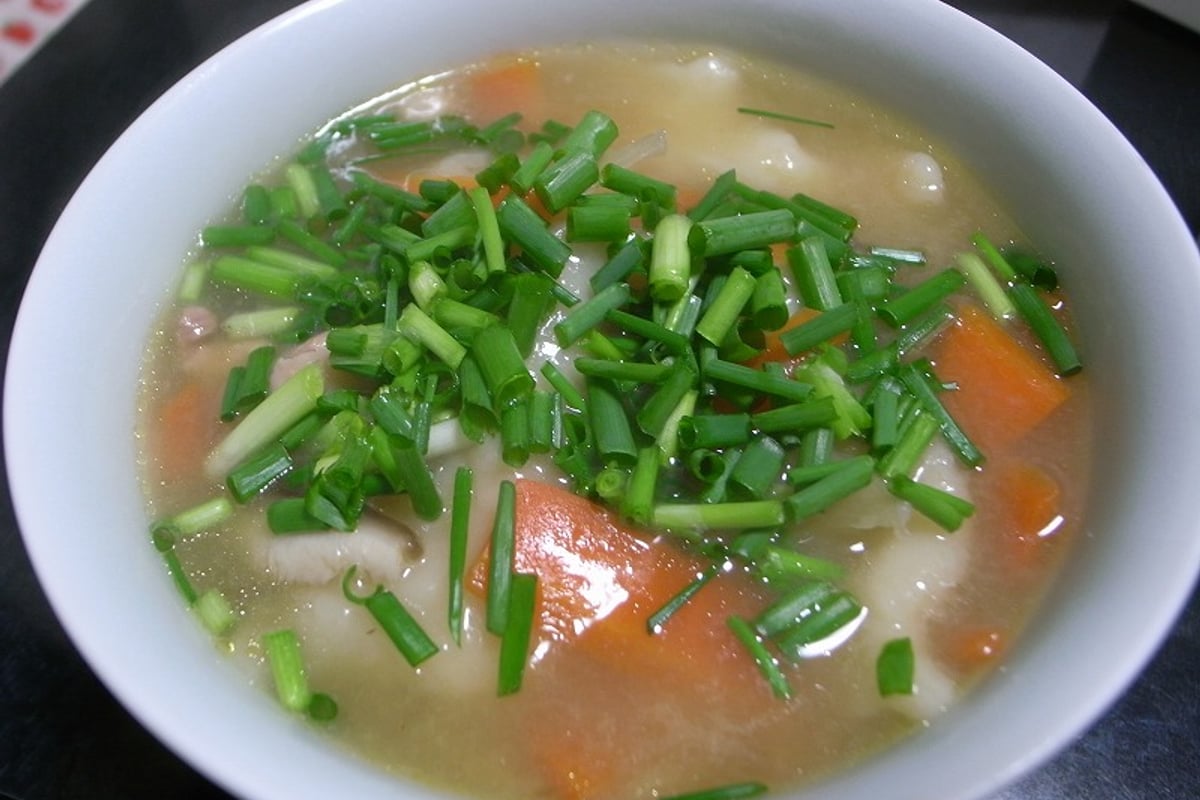
Hittsumi is a local dish of Iwate Prefecture in which wheat flour dough, kneaded with water to an earlobe-like softness, is stretched thin, torn by hand into pieces, and simmered in a pot. The name is said to come from the local dialect word 'hittsumamu,' meaning 'to tear with the hands.' In the central Iwate region, paddy fields spread along the Kitakami River basin and rice farming flourished, but the harsh cold sometimes brought poor rice harvests, so wheat and barley were also grown, giving rise to a flour-based food culture known as 'shitonemono,' in which flour is kneaded with water. Hittsumi is the most representative dish of this tradition, simmered in a broth seasoned with soy sauce or miso together with seasonal ingredients such as chicken, burdock root, carrot, and mushrooms. Seasoning and ingredients vary from household to household, and the dish has long been cherished by Iwate residents as a 'taste of home.' In some areas it is also known as 'tottenage' or 'hatto.'
Ichinoseki and Hiraizumi Mochi Cuisine
Ichinoseki Mochi Cuisine
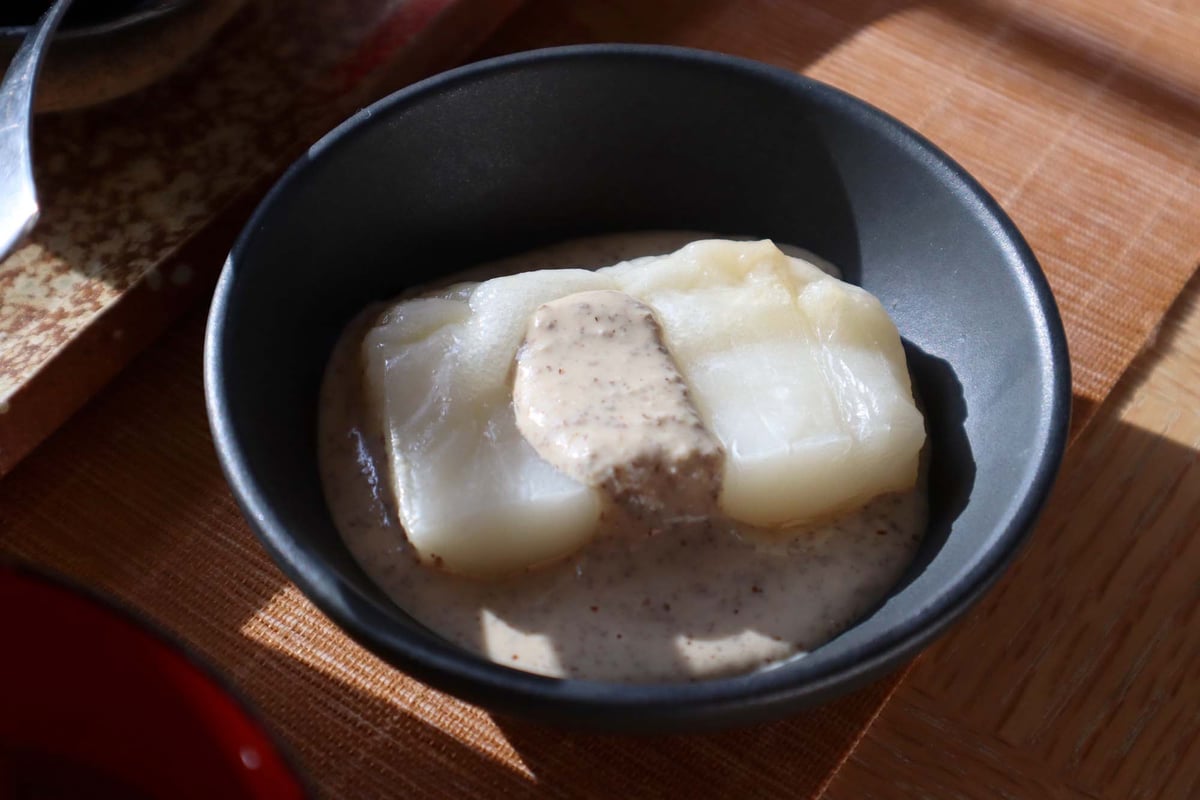
Mochi cuisine from Ichinoseki and Hiraizumi is a food culture handed down in Ichinoseki City and Hiraizumi Town, Iwate Prefecture, encompassing a reported 300-plus varieties of mochi dishes. The custom of pounding mochi persists not only at New Year but also for weddings, funerals, and other ceremonial occasions, at seasonal farming milestones such as rice planting and harvest, and at life's rites of passage — a practice so deeply woven into daily life that the area is known as 'the village of mochi.' Alongside sweet red-bean mochi ('anko-mochi'), the region is known for a rich variety of distinctive mochi that draw on the bounty of mountain and river, including 'jyune-mochi' made with ground perilla seeds, 'fusube-mochi' dressed with grated daikon and soy sauce, and 'numa-ebi-mochi' made with freshwater shrimp. On formal occasions, a unique dining style called the 'mochi honzen' is followed, in which guests taste a sequence of flavors in an order set by a facilitator; this custom is said to derive from the practices of the Date domain, which governed the Ichinoseki region during the Edo period.
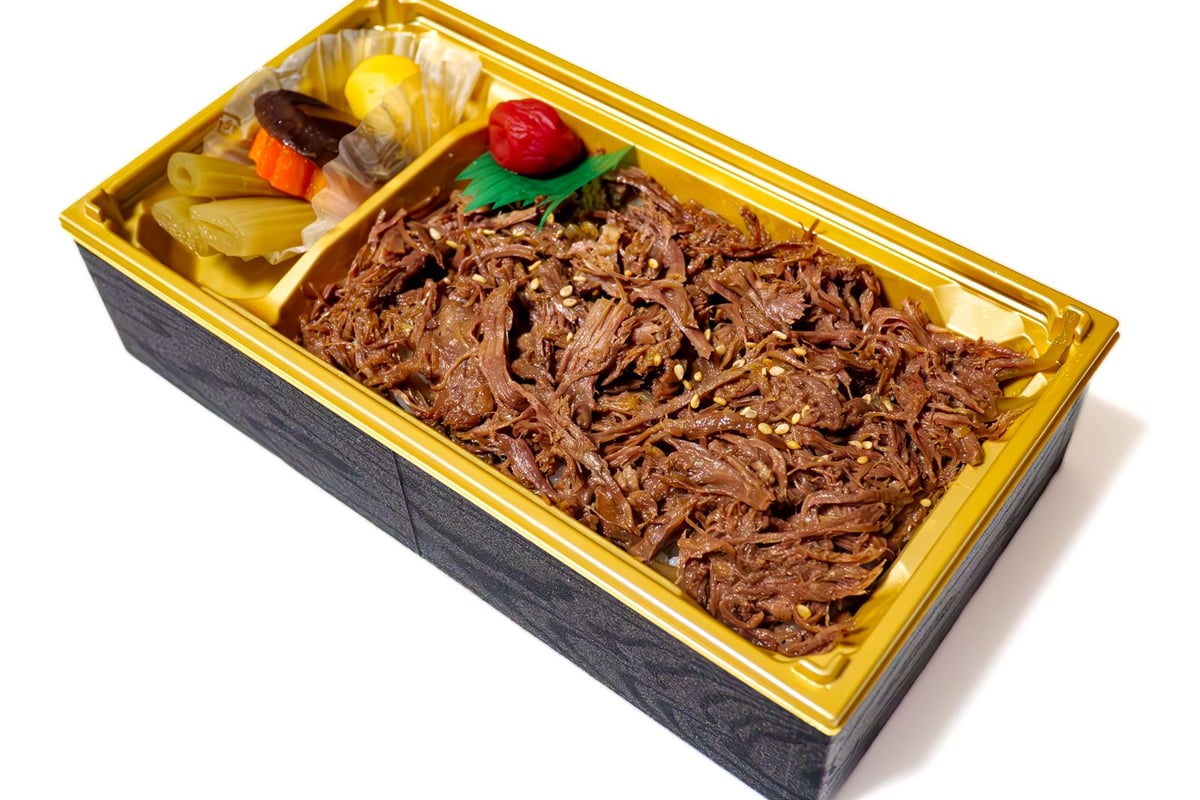
Iwate Tankaku Beef
Iwate Tankaku Beef
Iwate Tankaku Beef is an Iwate-branded beef from 'Nihon Tankaku' (Japanese Shorthorn), a reddish-brown breed of beef cattle raised across northern Iwate Prefecture, from the plains to the mountainous areas. Its defining feature is a unique rearing method called 'natsuyama-fuyuzato' (summer mountain, winter village), which makes the most of the breed's cold hardiness and suitability for open-range grazing: from spring through autumn, mother cows and calves live together on vast highland pastures, then move to barns for the winter. Raised mainly on grass rather than grain feed, the cattle produce lean beef with less fat and a concentrated, savory flavor that deepens the more it is chewed. Nihon Tankaku accounts for only a small fraction of Japan's total wagyu supply, making it a notably rare type of beef. As interest in the appeal of lean meat has grown alongside rising health consciousness, Iwate Tankaku Beef has gained increasing recognition nationwide as one of Iwate Prefecture's representative branded beefs.
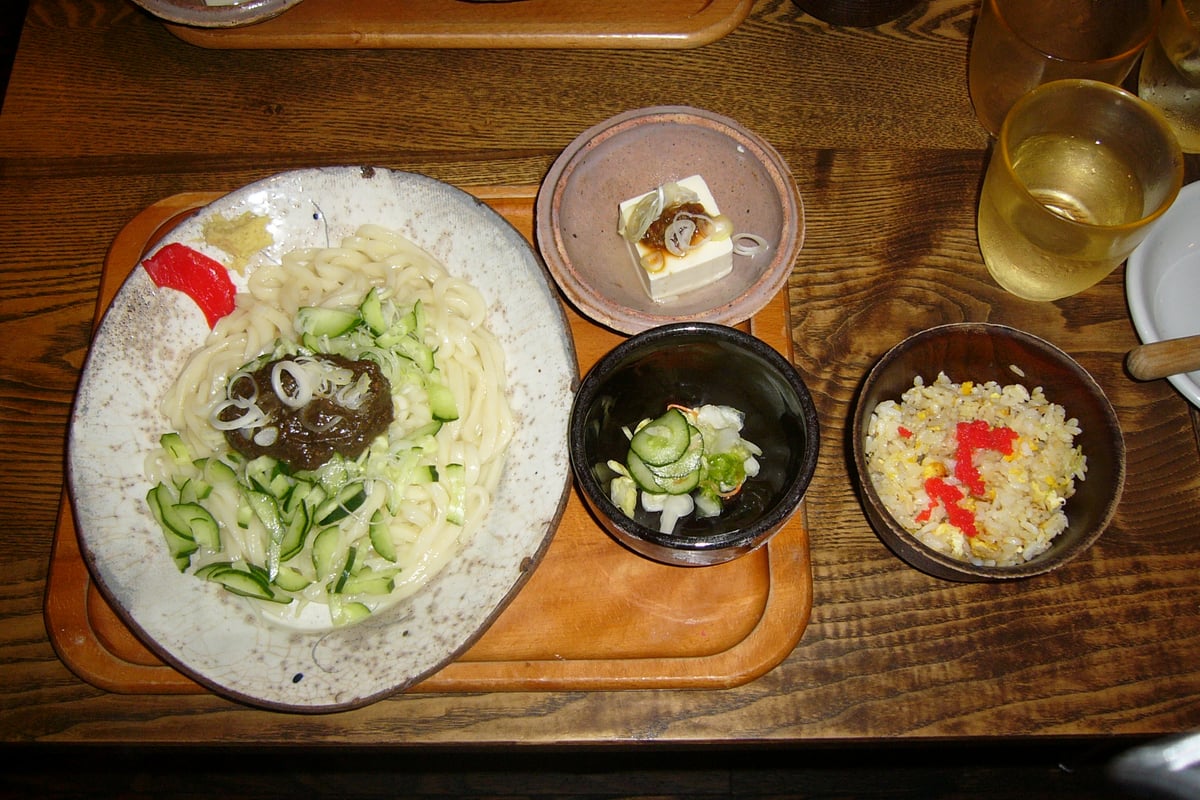
Jajamen (Morioka-Style Meat Miso Noodles)
Jajamen
Jajamen is a local dish of Morioka City, Iwate Prefecture, made from flat noodles that are steamed and then boiled, topped with a savory meat miso, grated cucumber, and green onion, and eaten after being thoroughly mixed together. It is said to have originated after the war, in 1953, when Takashina Kansho, who had repatriated from former Manchuria, set out to recreate the taste of the 'zhajiangmian' (fried sauce noodles) he had grown fond of there, and opened a shop in Morioka offering his own meat miso based on Japanese-style miso. He adapted the authentic flavor, which traditionally used fermented black beans, into a distinctive meat miso made by stir-frying miso, ground meat, and a dozen or so other ingredients, creating a dish suited to the tastes of Morioka locals. Another distinctive feature is that after finishing the noodles, diners can crack a raw egg into the bowl and order 'chii-tan-tan' from the staff to enjoy an egg soup made with the leftover meat miso. Jajamen is counted, alongside wanko soba and Morioka reimen, as one of the 'Three Great Noodles of Morioka.'
Kakke (Triangular Buckwheat or Wheat Dumplings)
Kakke
Kakke is a local dish handed down in the area around Ninohe City and Kunohe Village in northern Iwate Prefecture and into southern Aomori Prefecture, representing the grain-based food culture unique to the region once ruled by the Nanbu domain. The basic method is to knead buckwheat flour or wheat flour with water into a dough, roll it thin, cut it into triangles, and boil it in hot water; rather than simmering it in broth, the boiled dough is served with dipping sauces such as garlic miso or green onion miso. There are two types: 'soba kakke,' made with buckwheat flour, and 'mugi kakke,' made with wheat flour — soba kakke has a darker color and a fragrant aroma, while mugi kakke has a white color and a smooth, chewy texture. In the cold northern part of the prefecture, where rice cultivation was difficult, this simple, deeply flavorful dish has been passed down as a way to make full use of buckwheat and wheat.
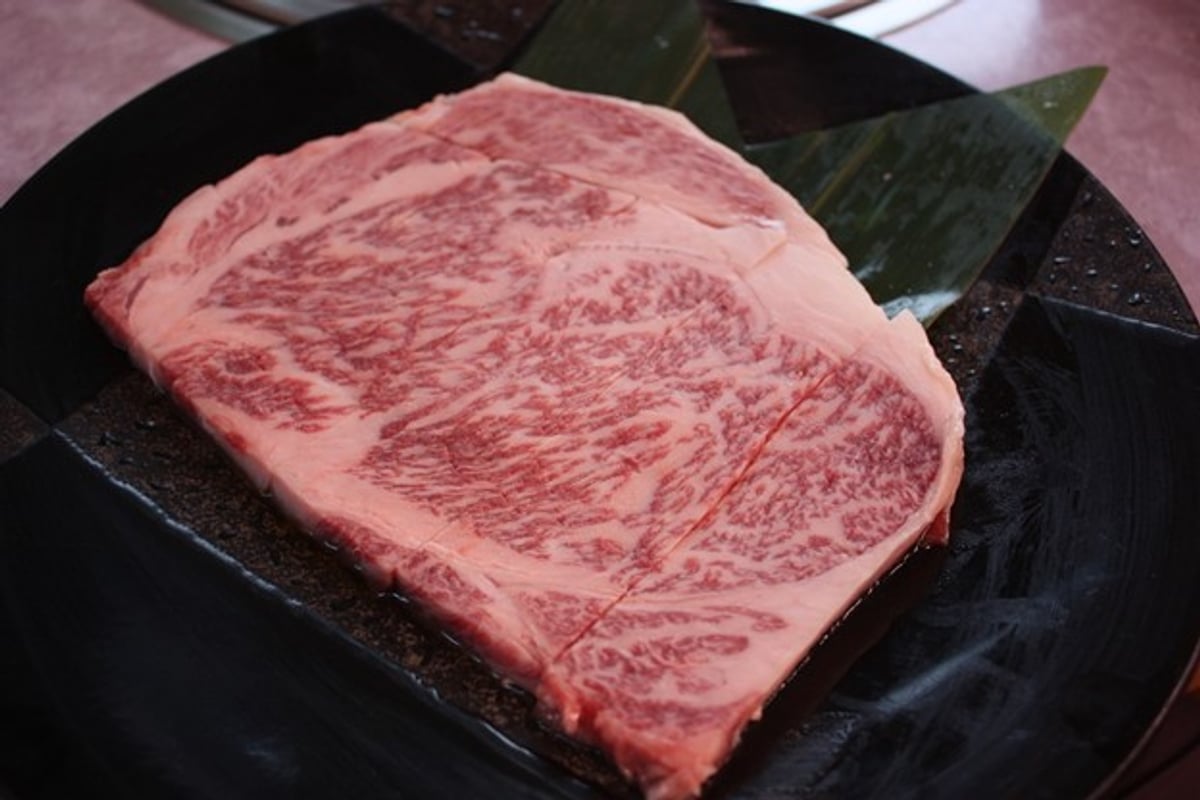
Maesawa Beef
Maesawa Beef
Maesawa Beef is a branded beef name reserved for Japanese Black cattle raised in Maesawa, Oshu City, Iwate Prefecture, that meet a meat quality grade of 4 or higher. Production of Japanese Black cattle began in the 1950s, when breeding cows were introduced from Okayama and Shimane prefectures, and full-scale fattening started in earnest after the Maesawa Town Agricultural Cooperative's fattening division was established in 1965. The name 'Maesawa Beef' was first used at the Maesawa Beef Carcass Competition held in 1971, and it has been established as a brand ever since. Blessed with snowmelt water flowing down from the Ou Mountains and the Kitakami Highlands, the Maesawa area is also a fine rice-growing region, and a nature-cycle style of fattening that uses locally grown rice straw as roughage and bedding produces the fine marbling and moist texture the beef is known for. Maesawa Beef has won the Grand Prize a record six times at the National Wagyu Carcass Competition, earning it recognition as one of the finest wagyu brands in Japan.
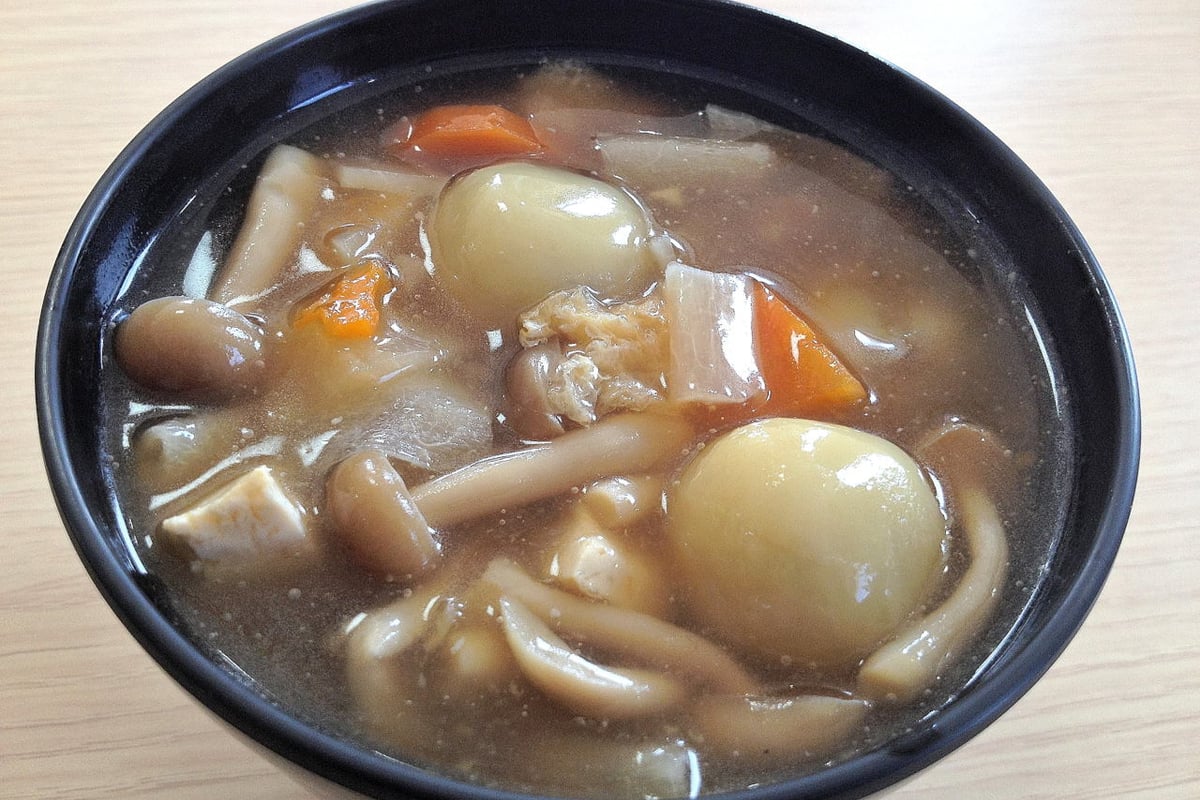
Mamebu (Walnut and Brown Sugar Dumpling Soup)
Mamebu
Mamebu (mamebu soup) is a local dish handed down in Yamagata, Kuji City, and the surrounding Kunohe District area of Iwate Prefecture. Dumplings called 'mamebu,' made by wrapping walnuts and brown sugar in wheat flour dough and rolling them into balls, are simmered in a soy sauce-seasoned broth made from kelp and dried sardines, together with burdock root, carrot, fried tofu, and dried gourd shavings. Biting into a dumpling releases the fragrant walnut and gentle sweetness of the brown sugar, which mingles with the saltiness of the soy sauce broth for a distinctive flavor. It is said to have originated in this area, where rice was once difficult to grow, as a substitute for noodle dishes served on celebratory occasions, and it is still passed down today as an essential dish for New Year's and other ceremonial occasions.
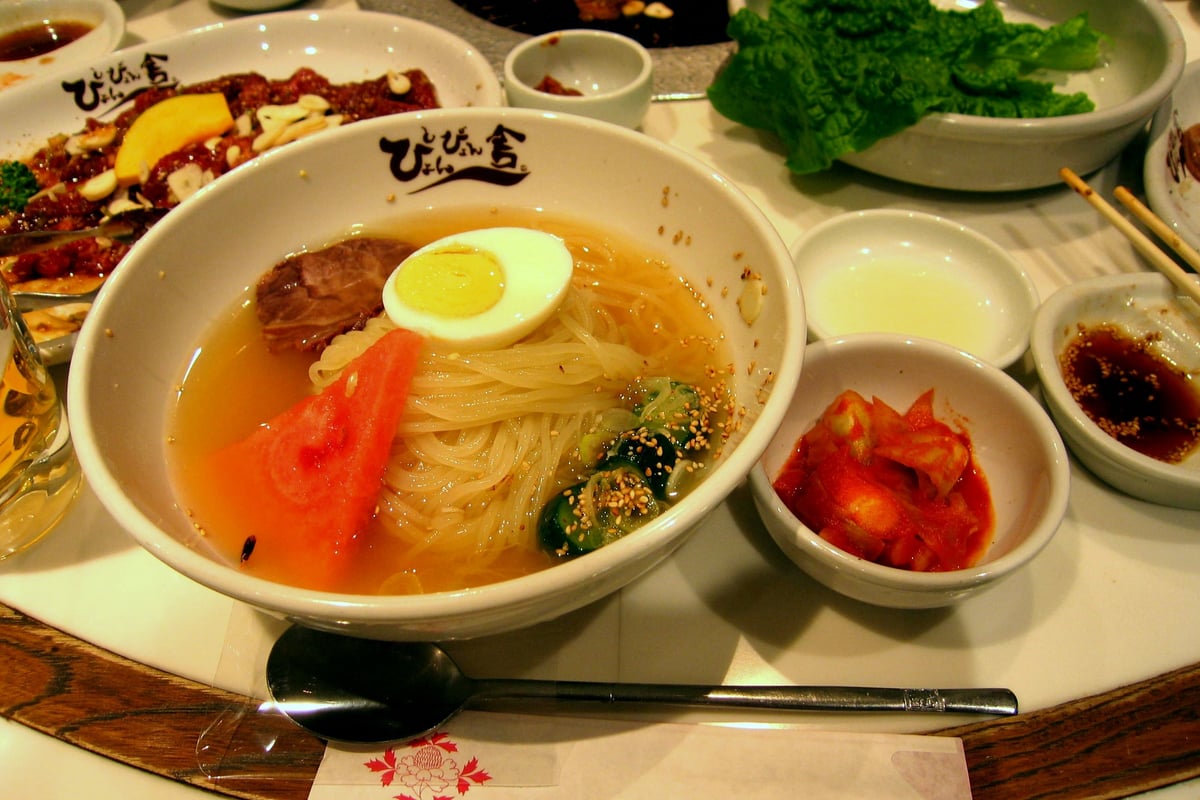
Morioka Reimen (Morioka Cold Noodles)
Morioka Reimen
Morioka reimen is a local dish of Morioka City, Iwate Prefecture, combining firm, springy noodles with a rich broth made from beef and chicken bones and the tang and spice of kimchi. It is said to have originated in 1954, when Aoki Teruhito, who came from Hamhung on the Korean Peninsula, began serving a version of his hometown's cold noodles adapted to suit local tastes at his yakiniku restaurant 'Shokudoen' in Morioka's Odori district. At first, the noodles' unusually firm texture was met with confusion, with some diners describing it as 'like rubber,' but it gradually won over more and more fans and grew into a signature noodle dish of Morioka. It was officially named 'Morioka reimen' at the 'Japan Noodle Summit' held in Morioka in 1986, and October 17 is now designated 'Morioka Reimen Day' in commemoration. It is mainly served at yakiniku restaurants, and diners can enjoy variations in flavor with toppings such as kimchi and watermelon.
Sanriku Sea Urchin (Uni) Cuisine
Sanriku Sea Urchin
Sanriku sea urchin (uni) cuisine is a local seafood tradition using uni harvested along the Sanriku Coast in coastal Iwate Prefecture, in towns such as Miyako, Kuji, and Hirono. The waters off Sanriku are a rich fishing ground where the cold Oyashio Current meets the warm Kuroshio Current, and the abundance of kelp and other feed produces large, richly sweet uni, making the area one of Japan's leading uni-producing regions. Distinctive ways of enjoying the freshness and flavor have developed here, including raw uni served straight over rice ('nama-uni-don'), 'shiomizu uni' — uni preserved in saltwater without alum — and 'gyunyu-bin uni,' uni packed into bottles while still in the shell. From early to midsummer, when the season opens, 'uni-don' bowls and 'uni festivals' are held throughout the region, drawing many visitors from within and outside the prefecture in search of Sanriku's summer flavors.
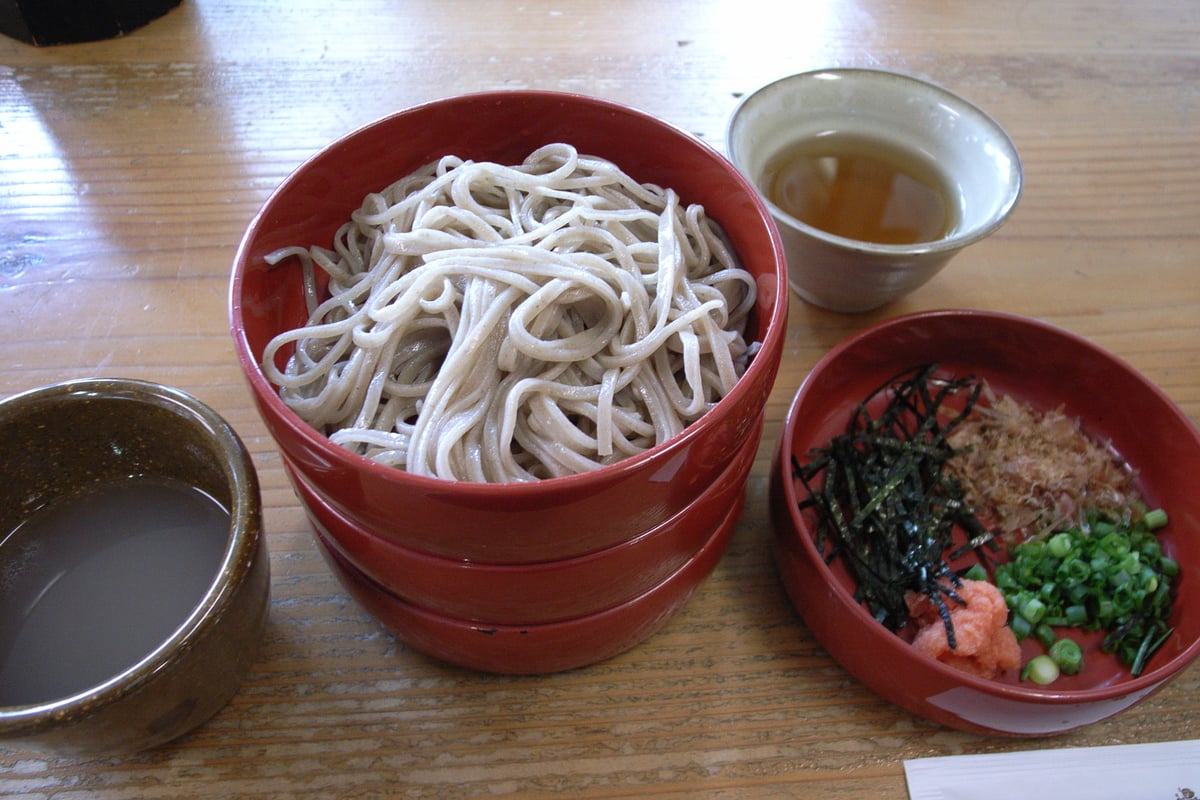
Wanko Soba (Bottomless Refill Soba)
Wanko Soba
Wanko soba is a local dish of Morioka City and Hanamaki City, Iwate Prefecture, in which servers call out phrases like 'Hai, jan-jan!' while continuously refilling a bowl with bite-sized portions of soba (buckwheat noodles) until the guest places the lid on the bowl to signal they are finished. One widely known origin story tells that in the early Edo period, when the lord of the Nanbu domain, Nanbu Toshinao, stopped at Hanamaki Castle, it was considered discourteous to serve him from the same large bowl used by commoners, so the noodles were served in small portions in a lacquered bowl instead — and he enjoyed it so much that he asked for refill after refill. Part of the fun lies in the exchange with the server, as diners vary the flavor with a wide range of condiments such as green onion, nori seaweed, katsuobushi (dried bonito flakes), grated daikon radish, sashimi, and grated yam. Far from being a simple eating contest, it remains a beloved food culture among tourists today as an embodiment of Japanese hospitality.
Model Course
A half-day course exploring Morioka's three great noodles and Nanbu Tekki ironware
Compare Morioka's three great noodles — wanko soba, Morioka reimen, and jajamen — in central Morioka City, then visit the Iwachu Ironware Museum to learn about the history of Nanbu Tekki teakettle-making. From the playful exchanges with servers over bowl after bowl of wanko soba to the reimen that rounds off a meal at a yakiniku restaurant, this course lets you savor Morioka's noodle culture and ironware casting culture in a single day.
A course savoring lacquerware, washi paper, and mochi cuisine in Hiraizumi and Ichinoseki
Visit the Konjikido Golden Hall of Chuson-ji Temple, a UNESCO World Heritage Site, then watch gold-leaf Hidehira pattern vessels being made at a Hidehira-nuri workshop. Move on to central Ichinoseki City for a papermaking experience with Tozan Washi, and finish with an Ichinoseki-Hiraizumi mochi feast said to include as many as 300 varieties — a course exploring the culture connected to the Oshu Fujiwara clan.
A course enjoying lacquerware, bamboo craft, and mamebu-jiru in Kuji and northern Iwate
Experience Joboji-nuri vessels, which carry on the techniques of Japan's leading lacquer-producing area, in the Joboji district of Ninohe City, then observe the techniques of Torigoe Takezaiku, woven from Nanbu suzutake dwarf bamboo, in the Torigoe district of Ichinohe Town. Move on to Kuji City and warm up with mamebu-jiru, a soup containing dumplings wrapped in walnuts and brown sugar — a course exploring the handcrafts and flour-based food culture distinctive to northern Iwate.
A course exploring brand beef and chest-making in Oshu and Maesawa
Visit a workshop in Esashi, Oshu City, where Iwayado Tansu chests are made, combining the grain of zelkova wood with Nanbu ironwork fittings, then move on to the Maesawa district to savor Maesawa beef, raised on a diet including rice straw, as yakiniku or shabu-shabu — a course to experience the woodworking and livestock culture of Oshu City.
Events
Morioka Sansa Odori
August 1–4 every year / Chuo-dori Street, Morioka City (from in front of the Iwate Prefectural Public Hall to Eigakan-dori Street)
Chagu Chagu Umakko
The second Saturday of June every year / From Onikoshi Sozen Shrine, Takizawa City, to Morioka Hachimangu Shrine, Morioka City (a nationally designated Important Intangible Folk Cultural Property)