Craft Genre
Japanese Paper (Washi)
A cross-regional look at Japanese Paper (Washi) from across Japan.
Region(multiple selection allowed)
30 items
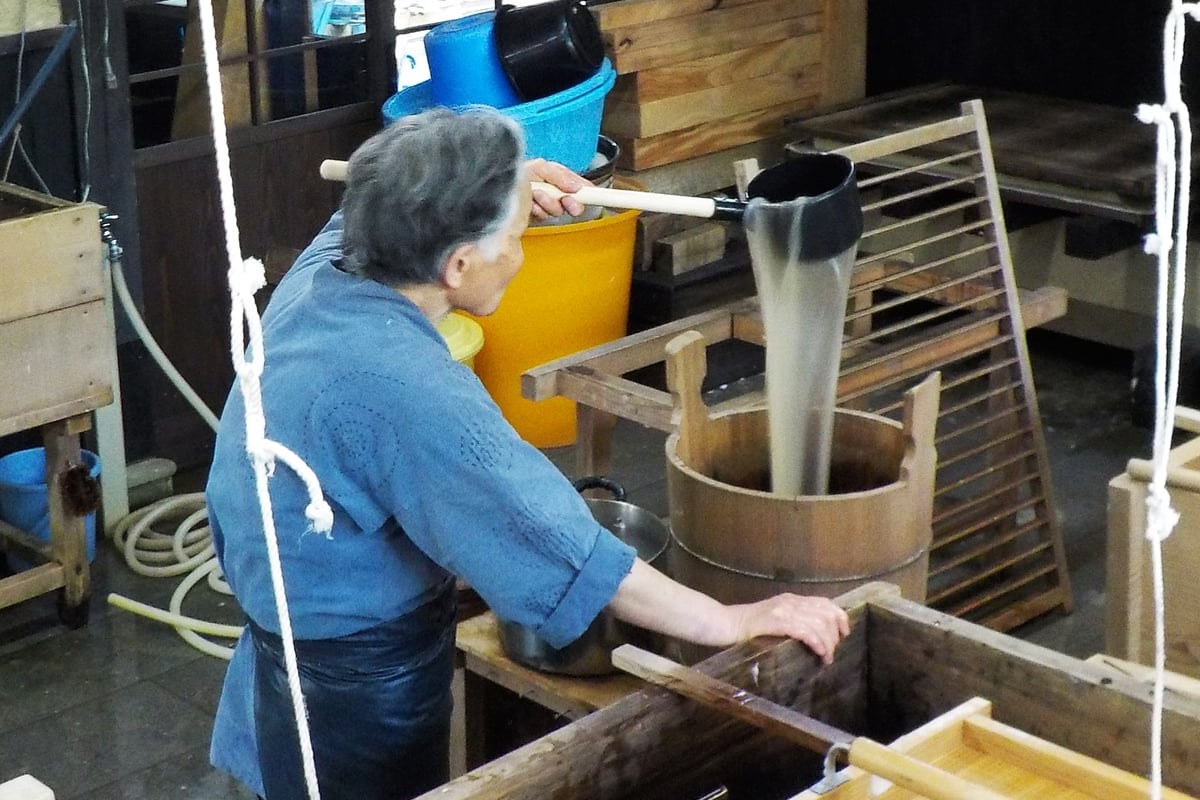
Echizen Washi (Echizen Japanese Paper)
Echizen Washi
Echizen Washi is handmade Japanese paper that has long been made in the Imadate district of Echizen City, Fukui Prefecture. The production area consists of five villages, Otaki, Iwamoto, Furo, Shinzaike and Sadatomo, collectively known as 'Goka' (the Five Villages). According to legend, about 1,500 years ago a goddess named Kawakami Gozen appeared upstream on the Okamoto River and taught the villagers how to make paper, and she is enshrined at Okamoto Shrine as the goddess of papermaking. In the Nara period the paper was used for copying sutras, and in time it gave rise to 'Echizen Hosho,' a high-grade paper prized by the samurai class. The paper for the Fukui Domain's banknotes in the Edo period and for the Dajokan-satsu notes of the new Meiji government was also made here. Using kozo, mitsumata and gampi as raw materials, papermakers produce a wide variety of papers for different uses, such as hosho paper, torinoko paper and fusuma (sliding door) paper. In 1976 it became a Traditional Craft Designated by the Minister of Economy, Trade and Industry. At Echizen Washi Village, visitors can watch and try papermaking.

Mino Washi
Mino Washi
Mino Washi is a handmade Japanese paper that has been crafted in Mino City, Gifu Prefecture, for over 1,300 years. It is known for having been used in a household registration document from 702 (the 2nd year of Taiho) preserved at the Shosoin Repository in Nara, making it one of Japan's three most celebrated types of washi. Made from kozo, mitsumata, and gampi fibers, its defining characteristic is combining seemingly contradictory qualities: thinness and even texture with remarkable strength. During the Edo period it received official protection from the shogunate as a premium paper for shoji screens. Among its varieties, 'Hon-Minoshi,' which preserves the traditional production method, was registered as UNESCO Intangible Cultural Heritage in 2014. Designated a national Traditional Craft in 1985, papermaking artisans in and around Mino City continue to pass down the technique today.
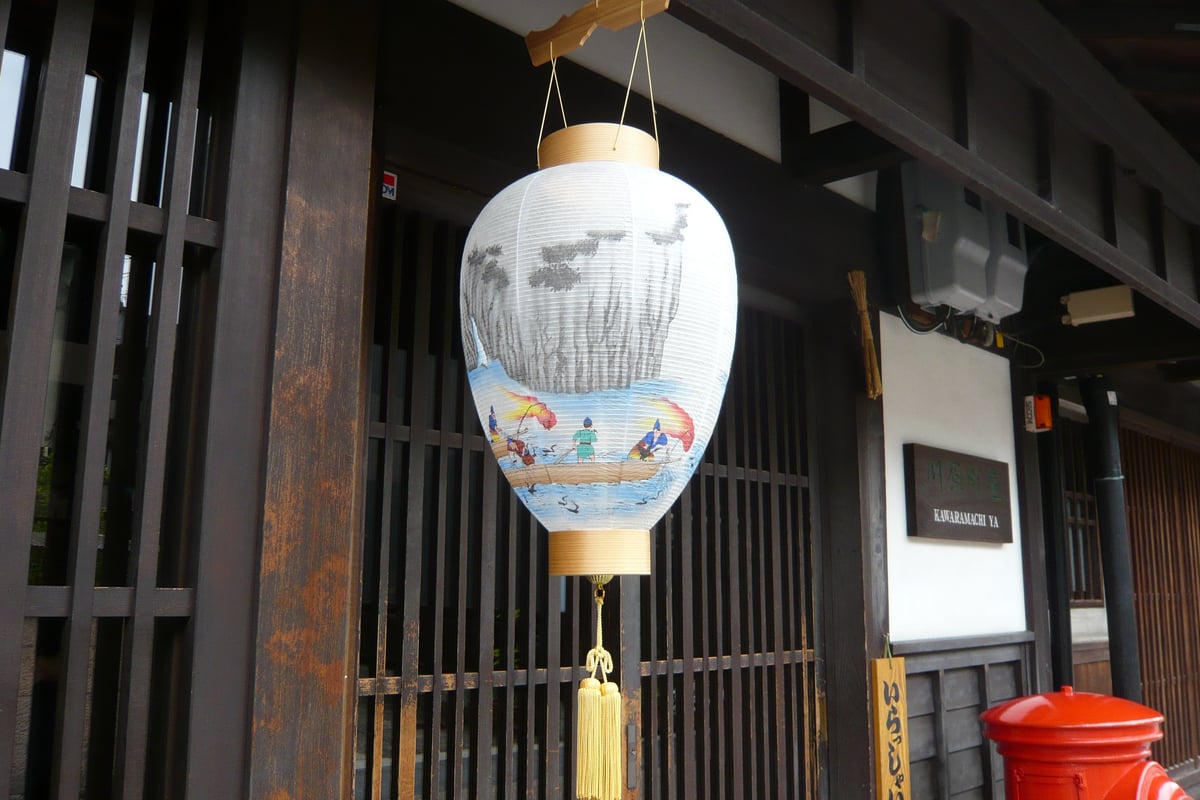
Gifu Chochin
Gifu Chochin
Gifu Chochin are Bon lanterns produced mainly in Gifu City, Gifu Prefecture, characterized by their delicate and elegant paper shades made from high-quality bamboo ribs and thin yet strong Mino Washi paper from the Mino region, decorated with autumn grasses, landscapes, and other motifs. With a history of more than 300 years dating back to the Edo period, they have also earned high acclaim overseas, winning a silver medal at the 1904 St. Louis World's Fair, a gold medal at the 1905 Liege International Exposition, and a gold medal again at the 1937 Paris International Exposition. They come in many varieties, including the hanging 'Gosho Chochin' and the standing 'Ouchi Andon' and 'Kaiten Andon,' and are loved for the elegant atmosphere and refreshing seasonal feel they create when lit. Designated a national Traditional Craft in 1995, long-established lantern makers in Gifu City continue to hand-craft them today.
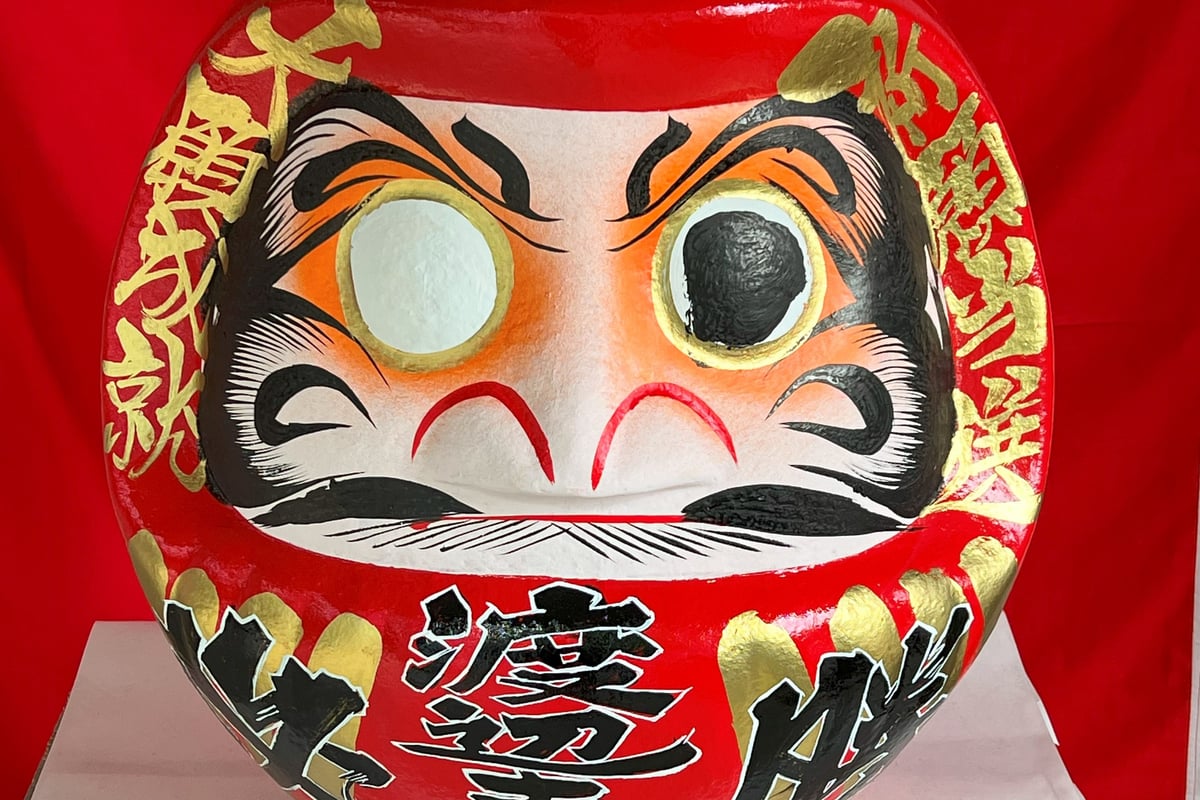
Takasaki Daruma
Takasaki Daruma
Takasaki Daruma are lucky daruma dolls made in Takasaki, Gunma Prefecture. About 900,000 are produced each year, making the area Japan's leading production center, accounting for roughly 80% of the nation's papier-mache daruma output. Tradition holds that they originated in the late Edo period, during the Kansei era, when Yamagata Tomogoro, who lived near Shorinzan Darumaji Temple, had the temple's ninth head priest, Togaku, carve him a wooden mold, over which he layered washi paper to make a daruma. The earliest dolls resembled a seated Zen meditation figure, but as sericulture farmers came to associate the 'rising' of silkworms with the daruma 'righting itself' after falling, they began enshrining daruma as lucky charms on their household altars, and the shape gradually rounded into the familiar form seen today. A defining feature unique to Takasaki Daruma, not found in daruma from other regions, is that the eyebrows are painted to resemble a crane, the mustache a turtle, and auspicious characters such as 'business prosperity' and 'household safety' are written on the shoulders. Every year on January 6 and 7, the Nanakusa Grand Festival Daruma Market held at Shorinzan Darumaji Temple draws large crowds and is a beloved feature of Takasaki's winter season.
Mizu Uchiwa
Mizu Uchiwa
Mizu Uchiwa is a summer tradition crafted around the Kawaramachi district of Gifu City, Gifu Prefecture - a truly one-of-a-kind fan that feels especially cool when dipped in water and fanned, thanks to the cooling effect of evaporation. Made by applying varnish to gampi paper pulped to an extreme thinness, it is prized for a transparency so fine that the scenery on the other side can be seen through it, a quality that developed uniquely within the history of Gifu Uchiwa fans, said to date back to the Muromachi period. Mizu Uchiwa developed as a souvenir associated with cormorant fishing on the Nagara River, but production once ceased due to difficulty obtaining gampi, the raw material, before being revived around the time of the 2005 World Exposition in Aichi. Artisans today still finish each fan entirely by hand.
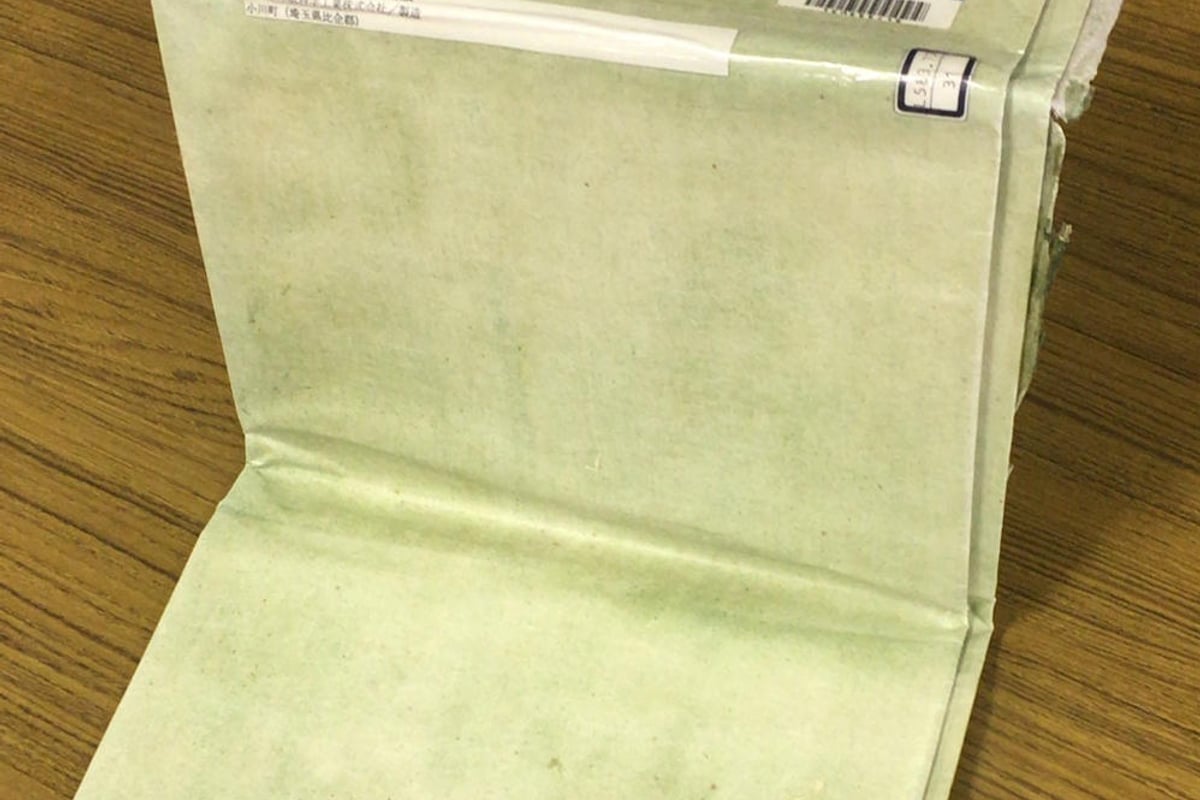
Ogawa Washi (Hosokawa-shi)
Ogawa Washi (Hosokawa-shi)
Ogawa Washi is a handmade Japanese paper passed down in Ogawa Town and Higashichichibu Village in Saitama Prefecture. Among its traditional techniques, 'Hosokawa-shi,' which uses kōzo (paper mulberry) as its raw material, was designated a National Important Intangible Cultural Property in 1978, and in November 2014 it was registered, together with Honmino-shi (Gifu Prefecture) and Sekishu-banshi (Shimane Prefecture), as UNESCO Intangible Cultural Heritage under 'Washi, craftsmanship of traditional Japanese hand-made paper' — the first UNESCO registration in Saitama Prefecture. The name 'Hosokawa-shi' is said to derive from the technique having been transmitted to Ogawa from paper made in Hosokawa Village in the former Kii Province (present-day Wakayama Prefecture). Using only domestically grown kōzo as its raw material, the paper is made through traditional processes such as steaming, boiling, sorting out impurities, and beating the fibers, then hand-formed one sheet at a time using the 'nagashi-zuki' method with neri (a mucilage from the tororoaoi plant) added to the pulp. It combines strength with a beautiful, subtly lustrous texture and is highly regarded as a material for restoring old documents.
Shiroishi Washi
Shiroishi Washi
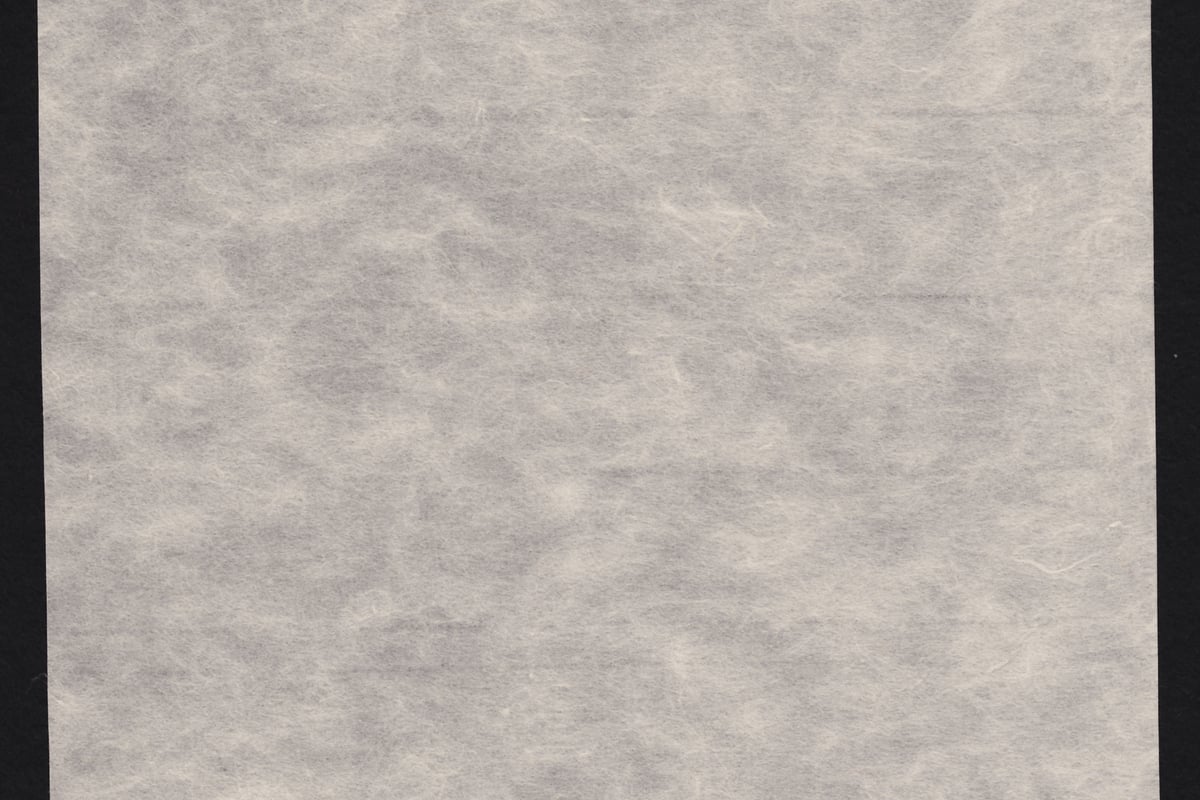
Shiroishi Washi is handmade Japanese paper passed down in Shiroishi City, Miyagi Prefecture, which developed in the Edo period through the industrial promotion of the Date family, lords of the Sendai Domain. As the official paper of the Sendai Domain, it was used for goods presented to the shogunate and the imperial court, and it is said that about 60 varieties of paper were made, from formal hosho paper to thick paper and tissue paper. Known for its strong yet soft, plump texture, paper from the Tohoku region has been praised as 'fukuyoka ni, kiyoku, uruwashiku' (plump, pure, and beautiful) since as far back as the time of Sei Shonagon and Murasaki Shikibu. Making use of this strength, it also developed into a material called 'kamiko,' made by rubbing the paper soft, and was used for items such as winter clothing and bags. From the Meiji era, production nearly died out as Western paper spread, but in 1940 Endo Tadao revived the traditional technique at the Oshu Shiroishi Folk Craft Research Institute, and on December 1, 1982, it was designated a Traditional Craft by Miyagi Prefecture. Today, the hand-papermaking technique is carried on alongside new forms of expression, such as kamiko made using a rubbing-dye technique.
Uchiyama Paper
Uchiyama-gami (Uchiyama Paper)
Uchiyama Paper is a handmade washi (Japanese paper) made mainly in Iiyama City in northern Nagano Prefecture. It is said to have begun in Kanbun 1 (1661), in the early Edo period, when Hagiwara Kiuemon of Uchiyama Village (present-day Uchiyama, Kijimadaira Village) learned the method in Mino and made paper after returning home. Its name comes from this place name. Only kozo (paper mulberry) is used as the raw material, with no Western paper pulp mixed in. A major characteristic is yukizarashi (snow bleaching), typical of this heavy-snow region, in which kozo bark is laid out on the snow to bring out a natural whiteness. Because it is strong, breathes well, retains moisture and resists sun discoloration, it has long been valued as shoji paper. In 1976 it became a Traditional Craft Designated by the Minister of Economy, Trade and Industry. In Iiyama City and Kijimadaira Village, there are facilities where visitors can try papermaking.
Nao Tesuki Washi
Nao Tesuki Washi
Nao Tesuki Washi is a handmade washi paper that has been passed down for more than 300 years in the Nao district of Yamato, Saga City. It began in 1690 (Genroku 3), in the mid-Edo period, when Notomi Yusuke, the village headman of Nao, learned papermaking techniques in Mizoguchi village, Chikugo Province (present-day Yame City, Fukuoka Prefecture), and brought them back home. In the mountainous Nao area, where farmland was scarce, this technique spread as a valuable side occupation for farming households, and by its peak in the early Showa era, nearly 100 households were engaged in papermaking, making it a major production center. Its greatest characteristic is the use of kaji (a mulberry species native to and cultivated in the district) instead of the more common kozo as raw material; because its fibers are long and intertwine closely, the resulting paper is thin yet durable, and it has long been valued for lantern paper, bangasa umbrellas, rain capes, and shoji paper. However, the number of practitioners has continued to decline due to mechanization and changing lifestyles, and today only the Taniguchi family's workshop, 'Nao Tesuki Washi,' carries on the technique. The seventh-generation head, Taniguchi Gen, keeps the workshop running, working on new washi products that make use of tradition while forging new directions.
Yame Chochin
Yame Chochin
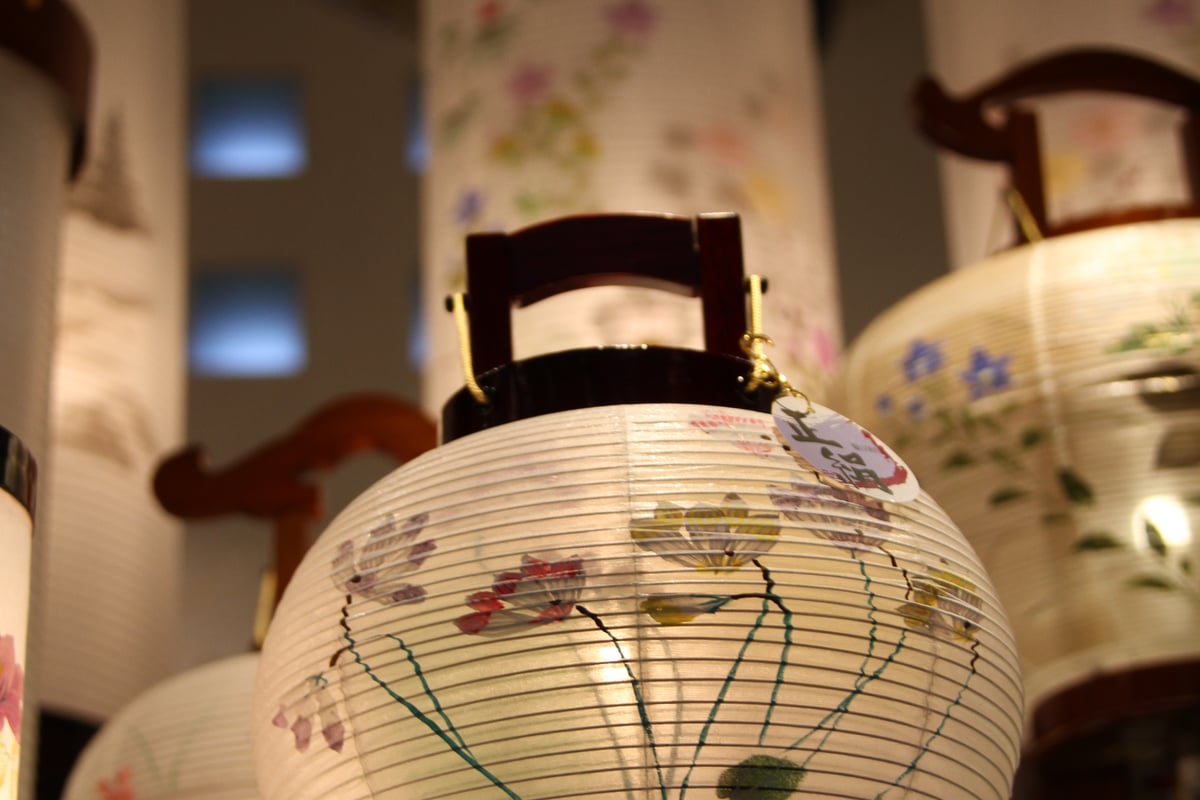
Yame Chochin is a Traditional Craft representing the Bon lanterns made in Yame City, Fukuoka Prefecture (the former town of Fukushima). It is said to have originated when Aramaki Bun'emon first created the lanterns during the Bunka era (around 1813), and later Yoshinaga Taihei devised the 'single-strand spiral method,' in which a single length of bamboo rib is wound into a spiral frame. Using thin washi paper that let the light inside glow softly through, this innovation dramatically improved the lanterns' quality. The paper shades are decorated with delicate paintings of flowers, birds, and seasonal scenery, and the lanterns come in many varieties, including Sumiyoshi Chochin, Ouchi Andon, and Gotenmaru (also written 御天丸). The single-rib spiral structure that is now the mainstream method of lantern-making is said to have originated with Yame Chochin. Designated a national Traditional Craft in 2001, Yame Chochin has the highest production volume in Japan and is also shipped overseas. Demand centers on Bon lanterns used in Buddhist observances, but in recent years young artisans have also been developing products with more contemporary designs.
Miyama Washi
Miyama Washi
Miyama Washi is handmade paper passed down in the Miyama district of Shirataka Town, Yamagata Prefecture, made from locally grown kozo (paper mulberry). Its origins are said to date back around 400 years, and it was long known for its high quality, even being used as official paper for the Uesugi domain in the capital city of Kyoto; it has been handed down for generations as a household industry in a mountain village that endures long, harsh winters. During the Edo period, Yonezawa domain lord Uesugi Yozan encouraged the cultivation of kozo as part of his fiscal reform policies, and many villagers took up papermaking as an off-season occupation. The paper has a distinctive, warm texture and is used for letter paper, torn-paper collage art, washi dolls, and even as a material for wedding dresses. It was designated an Intangible Cultural Property of Yamagata Prefecture in 1978, and the Miyama Washi Promotion and Research Center now serves as a base for passing on the technique and offering papermaking experiences.
Akabeko
Akabeko
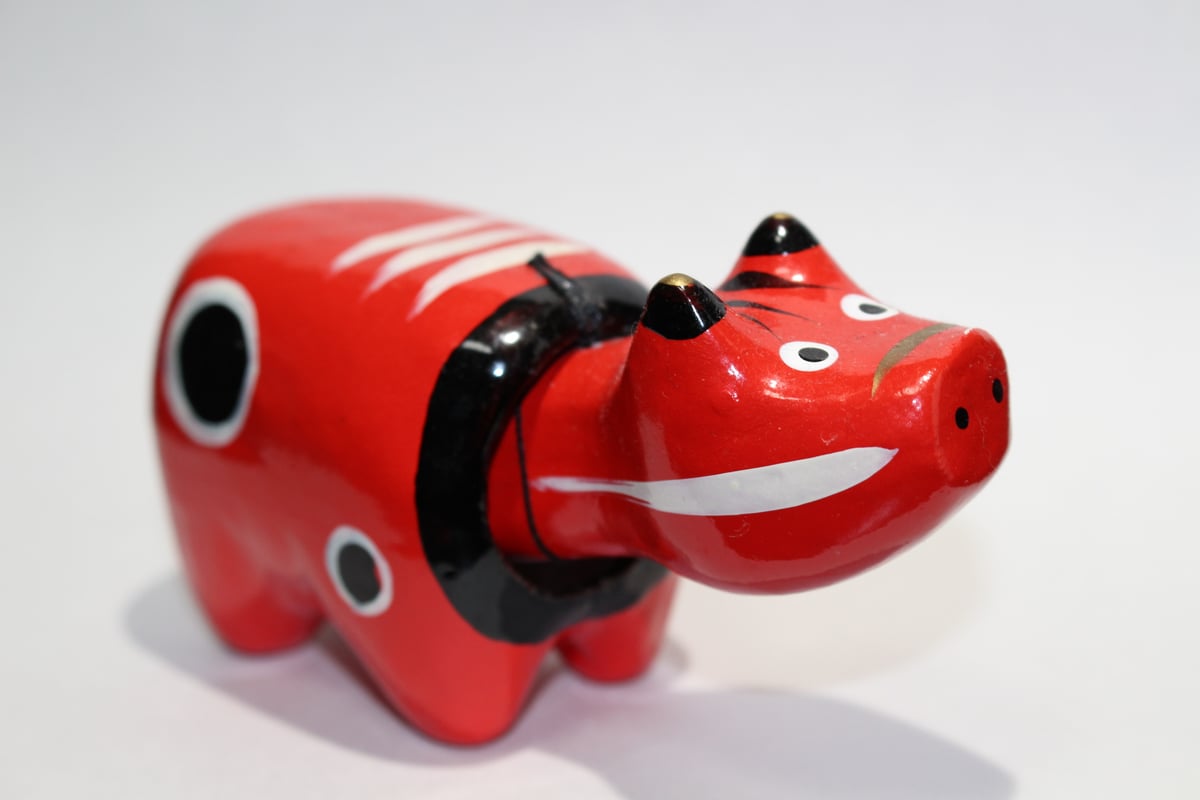
Akabeko is a papier-mâché (hariko) folk toy representing the Aizu region of Fukushima Prefecture, shaped like a red-painted cow. 'Beko' is a Tohoku dialect word for cow, and the toy's origin is said to date back roughly 1,200 years, to a legend of a red-haired ox that, when many other oxen collapsed from exhaustion during the construction of the main hall of Enzō-ji Temple (Fukuman Kokuzōson) in Aizu-Yanaizu, alone carried timber to the very end. The hariko technique itself is said to have been introduced to Aizu during the Tenshō era (1573-1592) by craftsmen invited by Gamō Ujisato, who became lord of Aizu and sought to promote local industry. In 1713, when smallpox spread through the Aizu region, a tale spread that children who owned an Akabeko were spared from the disease, and ever since, Akabeko has been treasured as a lucky charm to ward off evil and disease. The red of its body is said to represent protection from evil, while the spots painted on it represent the marks of smallpox, and its head, which sways gently when touched, still makes it a signature souvenir of Aizu today.
Iida Mizuhiki (Decorative Paper Cords)
Iida Mizuhiki
Iida Mizuhiki is mizuhiki made in Iida City and the surrounding area in southern Nagano Prefecture. Mizuhiki are cords made by twisting washi into strings, stiffening them with water-based starch paste (mizunori) and coloring them, and they are used to decorate gifts such as congratulatory money envelopes and betrothal gifts (yuino). Iida has long been a center of washi making, and in the Edo period it made its name as a production area for motoyui made from that washi. Motoyui are paper cords used to tie and bind the topknot (mage), and those improved by Sakurai Bunshichi in the Genroku era became famous even in Edo as 'Bunshichi Motoyui.' When demand for motoyui fell sharply because of the Haircut Edict (Dampatsurei) in the Meiji period, sturdy, glossy mizuhiki came to be made using those techniques. Today the Iida area produces about 70 percent of the mizuhiki products in Japan. In addition to money envelopes (kinpu) and betrothal gifts, mizuhiki ornaments in the shapes of cranes and of pine, bamboo and plum (shochikubai), as well as accessories, are also made. In 2014 it became a Traditional Craft Designated by the Governor of Nagano Prefecture.
Koshigaya Daruma
Koshigaya Daruma
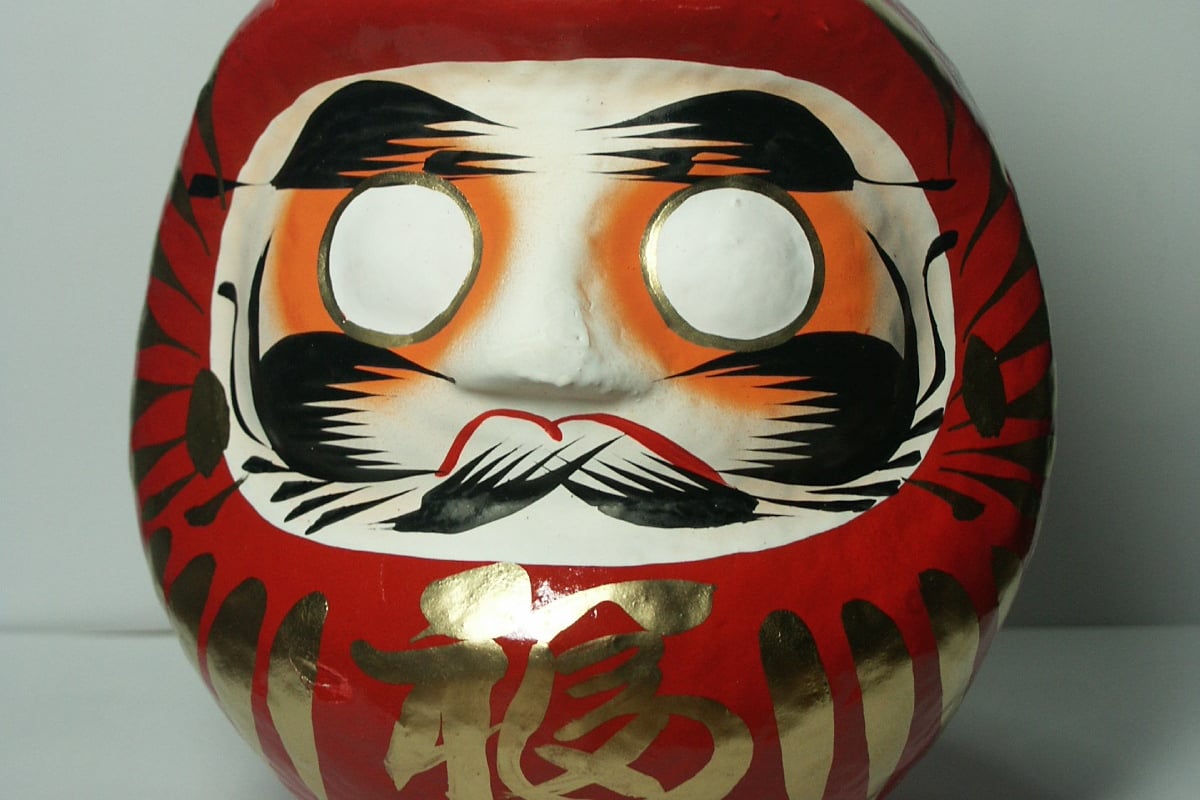
Koshigaya Daruma is a hariko (papier-mache) daruma made mainly in Koshigaya City, Saitama Prefecture, known for its pale, whitish skin tone, somewhat high nose bridge, and refined, gentle expression. It is said to have begun around the Kyoho era of the mid-Edo period (1716-1736), when a doll maker known as 'Darukichi' in the Makuri area of Koshigaya City added the figure of the seated Bodhidharma to the then-popular okiagari-koboshi (self-righting toy). Every step of the process is done by hand, from layering and pasting Japanese paper over a mold, drying it and removing it from the mold, applying the base coat and coloring, to finally painting in the beard and eyebrows. Painting the beard in particular requires the skilled technique of using a long-tipped menso brush and finishing with the same brush regardless of the daruma's size. Cherished as an auspicious symbol of 'falling down seven times, getting up eight,' it is popular at New Year's lucky-charm markets, and several workshops in Koshigaya City continue production today; it was designated a Saitama Prefecture-designated Traditional Handicraft in 1984.
Nishijima Washi (Japanese Paper)
Nishijima Washi
Nishijima Washi is handmade paper made in the Nishijima district of Minobu Town, Minamikoma District, Yamanashi Prefecture. According to tradition, it began in 1571 (Genki 2), when Mochizuki Seibei, who had studied papermaking at Shuzenji in Izu on the orders of Takeda Shingen, brought the method back to Nishijima, Seibei's hometown. Shingen was pleased with the smooth, glossy paper made mainly from mitsumata (Oriental paperbush), and gave it the name '西未.' In the Edo period, paper was made widely along the Fuji River basin, and papermakers continued to make paper by hand after the Meiji era. After World War II, when calligraphy and painting paper could no longer be obtained from China, Nishijima became the first in Japan to develop handmade gasenshi (calligraphy and painting paper) blended with recycled paper and rice straw. It excels in ink color, ink bleeding and the feel of the brush, and is favored by calligraphers. In 1994 (Heisei 6), it was designated a Yamanashi Prefecture Designated Local Traditional Craft. In 2025 the roadside station (michi-no-eki) 'Nishijima Washi no Sato Kamisuki Park' opened, where visitors can also try papermaking.
Gifu Wagasa
Gifu Wagasa
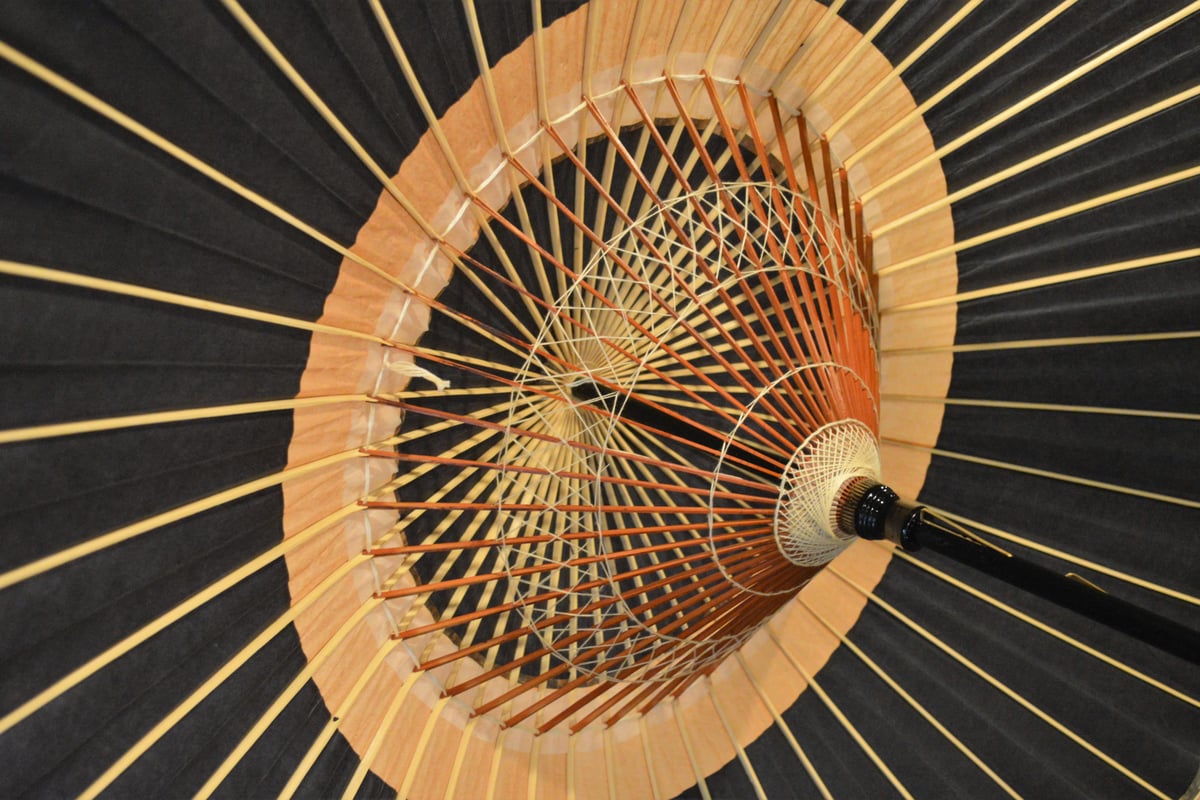
Gifu Wagasa is a traditional Japanese umbrella made in the Kano district of Gifu City, known for its hosomono (slender-fold) construction, which allows the umbrella to close into a slim form, along with a wide range of decorative techniques. Its origins are said to date back to 1639 (Kan'ei 16) in the early Edo period, when an umbrella maker from Akashi in present-day Hyogo Prefecture began making umbrellas in Kano. In 1756 (Horeki 6), Nagai Naonobu, lord of the Kano domain, encouraged umbrella making as a side occupation for impoverished lower-ranking samurai, and with the domain's backing the craft developed into a full-fledged industry. Blessed with proximity to sources of good-quality bamboo and Mino washi paper, the craft flourished, and at its peak in the mid-1950s, more than 600 wholesalers gathered in the area, producing 1.2 to 1.3 million umbrellas a month. Demand declined sharply with the spread of Western-style umbrellas, but a handful of wholesalers and workshops continue to uphold the tradition today, making rain umbrellas and parasols as well as ceremonial umbrellas used to mark occasions such as the Shichi-Go-San festival and weddings.
Ichikawa Daimon Handmade Washi
Ichikawa Daimon Washi
Ichikawa Daimon Handmade Washi is washi that has long been made in the Ichikawa Daimon district of Ichikawamisato Town, Nishiyatsushiro District, Yamanashi Prefecture. Records of paper from Kai date back to the Nara period, and the Shosoin documents of 773 (Hoki 4) list Kai as a paper-producing area. In Ichikawa, papermaking is said to have begun when Jinzaemon, a paper craftsman who served Minamoto no Yoshikiyo, regarded as the founder of the Kai Genji clan, taught papermaking techniques to the local people. In the time of the Takeda clan, 'Hadayoshi-gami' paper, likened to being 'as beautiful as the skin of a beautiful woman,' was made here, and the papermakers were generously protected as the 'Hadayoshi-shu.' In the Edo period, the paper was presented to the shogunate as official paper. Later the area became a major production center for shoji paper, boasting the largest output in Japan. The raw materials are kozo (paper mulberry) and mitsumata (Oriental paperbush), and the paper is also well suited to art paper and gasenshi (calligraphy and painting paper). In 1995 (Heisei 7), it was designated a Yamanashi Prefecture Designated Local Traditional Craft.
Shirakawa Daruma
Shirakawa Daruma
Shirakawa Daruma are papier-mâché (hariko) daruma dolls made in Shirakawa City, Fukushima Prefecture, known for their distinctive design in which the eyebrows are painted to resemble a crane and the mustache a turtle, with pine and plum branches on either side of the face and bamboo beneath the mouth — earning them the nickname 'Shirakawa Crane-Turtle-Pine-Bamboo-Plum Daruma.' Daruma making in Shirakawa is said to have already been underway in the early Edo period, but it was in 1783, after the Tenmei famine had devastated the region's industries, that Matsudaira Sadanobu, who became lord of the Shirakawa domain, had his court painter Tani Bunchō design a daruma to help revive local industry, giving rise to the form that survives today. Every year on February 11 (National Foundation Day), the 'Shirakawa Daruma Market' is held in central Shirakawa City, drawing roughly 150,000 visitors and standing as a signature winter tradition of Shirakawa.
Yame Washi
Yame Washi
Yame Washi (Yame handmade washi paper) is traditional handmade Japanese paper (washi) produced mainly in Yame City, Fukuoka Prefecture. According to tradition, its origins date to the Tensho era (the 1590s), when a Buddhist priest named Nichigen Shonin, who came from Echizen Province (present-day Fukui Prefecture), visited Yame, recognized that the water quality and climate of the Yabe River basin were well suited to papermaking, and passed the technique on to the local people. Made using kozo (paper mulberry) with fibers that are longer and thicker than those found in other production areas, together with the clear water of the Yabe River, Yame Washi is known for a strength and durability not found in paper from other regions. Because its thick, sturdy fibers give the paper excellent durability, it is highly valued as a mounting paper for hanging scrolls, shoji paper, and the inner lining of fusuma sliding doors, and it is said to have even been used to restore National Treasures. It is regarded as one of the oldest washi-producing areas in Kyushu and has been designated a Traditional Craft Product by the Governor of Fukuoka Prefecture.
Futamata Washi Paper
Futamata-washi
Futamata Washi is a handmade paper that has been produced in the Futamata district of Kanazawa for over 1,300 years. Tradition holds that it began during the Yoro era of the Nara period (717–724), when the monk Taicho opened a temple on Mount Ioyama, and it developed further during the Bunroku era (1592–1596) as a papermaking site protected for producing paper for official use by the Kaga domain. When Maeda Toshiie entered Kaga Province in 1583, he learned that Futamata was already a papermaking area, ordered paper from it, and extended his protection, and thereafter the Kaga domain is said to have used Futamata paper as its official ceremonial paper, 'goryoshi.' The climate of Futamata causes the kozo (paper mulberry) fibers to grow short, producing paper that is both strong and delicate in texture — a quality that has made it suitable for calligraphy paper, colored paper, foil-beating paper used in making Kanazawa gold leaf, and the prestigious Kaga hosho ceremonial paper. Today, local craftspeople still carry out the entire process from growing kozo to papermaking, preserving the traditional methods.
Oguni Washi (handmade paper)
Oguni Washi
Oguni Washi is handmade washi paper made in Oguni Town, Nagaoka City, Niigata Prefecture. In Oguni, an area of heavy snowfall, unique methods that make use of snow have been handed down. Representative examples are snow bleaching (yuki-zarashi), in which the bark of the raw material, kozo (paper mulberry), is laid out on the snow in the sun to bleach it, and kangure, in which the stack of freshly made sheets (shito) is buried in snow and kept there until spring. The practice of 'drying in the sun on the snow,' in which made sheets are pasted onto boards and dried on the snow, is also carried out. According to records, kozo cultivation and papermaking were carried out as winter work by farming households in 1682 (Tenna 2). In the Edo period, paper was paid as annual tax from mountain settlements that had no rice paddies. In the early Showa era, as many as 22 million sheets were produced in a single winter, and today the Oguni Washi Production Cooperative passes on these skills. The methods using snow became a national Selected Intangible Cultural Property and a Niigata Prefecture Intangible Cultural Property, and in 2022 it was designated a Prefecturally Designated Traditional Craft of Niigata Prefecture. It is used for calligraphy and painting paper, sake labels, and more.
Shuzenji Washi
Shuzenji Gami (Shuzenji Washi Paper)
Shuzenji Washi (Shuzenji-gami) is washi that has been made in the Kamiya district of Shuzenji, Izu City, Shizuoka Prefecture. Its origins are unclear, but it is said to have been made from around the Heian period, and it is thought to have a history spanning a thousand years. Its name appears in The Tale of the Heike, and it is said to have been used for the documents Minamoto no Yoritomo sent to warriors in the Kanto region when raising an army. In the Edo period, Tokugawa Ieyasu recognized its quality and encouraged its production, and it is said to have been used as official paper for the shogunate. In the past it was a thin paper with a pale pink tint, characterized by a pattern of bamboo screen lines (sudareme). From the Meiji to the Taisho era, production died out due to factors such as the spread of Western paper. In 1985 a workshop was built in Kamiya with the cooperation of local residents, and efforts to restore the paper began. Today papermaking continues at 修善寺紙谷和紙工房, which also offers hands-on papermaking experiences.
Kyo-hyogu (Kyoto Mounting and Framing)
Kyo-hyogu
Kyo-hyogu is a traditional Kyoto craft in which paintings, calligraphy, and dyed or woven textiles are mounted and preserved using fabric and Japanese paper, taking the form of hanging scrolls, folding screens, sliding doors, and framed pieces. It originates in the mounting of Buddhist sutra scrolls brought from China with the introduction of Buddhism, and in Kyoto, once the imperial capital, the technique was refined through its ties to the worship of Buddhist paintings, the tokonoma alcove culture of shoin-zukuri architecture, and the flourishing of the tea ceremony. The basin climate's high humidity is also said to have supported the craft's development, being well suited to the process of layering paste and Japanese paper before drying them. Mounters (kyoji) not only create new hanging scrolls and folding screens but also handle the repair and restoration of old paintings, calligraphy, and cultural properties, and their skills are relied upon in the restoration of National Treasures and Important Cultural Properties. It received national Traditional Craft designation in 1997 and was registered as a regional collective trademark in 2007.
Ecchu Washi
Ecchu Washi
Ecchu Washi is the collective name for handmade washi paper produced in three areas: 'Yatsuo Washi' in Yatsuo, Toyama City; 'Gokayama Washi' in Nanto City; and 'Hiruya Washi' in Asahi, Shimoniikawa District. It was designated a METI-designated Traditional Craft in 1984. Its history is ancient: the 'Zushoryoge,' compiled in 774 during the Nara period, records Ecchu (present-day Toyama Prefecture) as a papermaking region, and 'Ecchu-kuni-shi' (Ecchu Province paper) is also mentioned in documents preserved at the Shosoin Repository. Records in the Heian-period 'Engishiki' show that washi from Ecchu was paid as tax. In the Edo period, the second lord of Toyama Domain, Maeda Masatoshi, promoted the Toyama medicine trade, which sharply increased demand for Yatsuo Washi as material for medicine wrappers and kakebacho (customer ledgers used by traveling medicine peddlers). Made from kozo (paper mulberry), mitsumata, and ganpi fibers, all three areas share a durable, warm texture, while Yatsuo Washi is known for its vivid katazome stencil-dyeing technique and Gokayama Washi for combining strength and whiteness through methods such as yukisarashi (snow bleaching). Today it is widely used for everything from everyday items to interior goods and crafts.
Karasuyama Washi
Karasuyama Washi
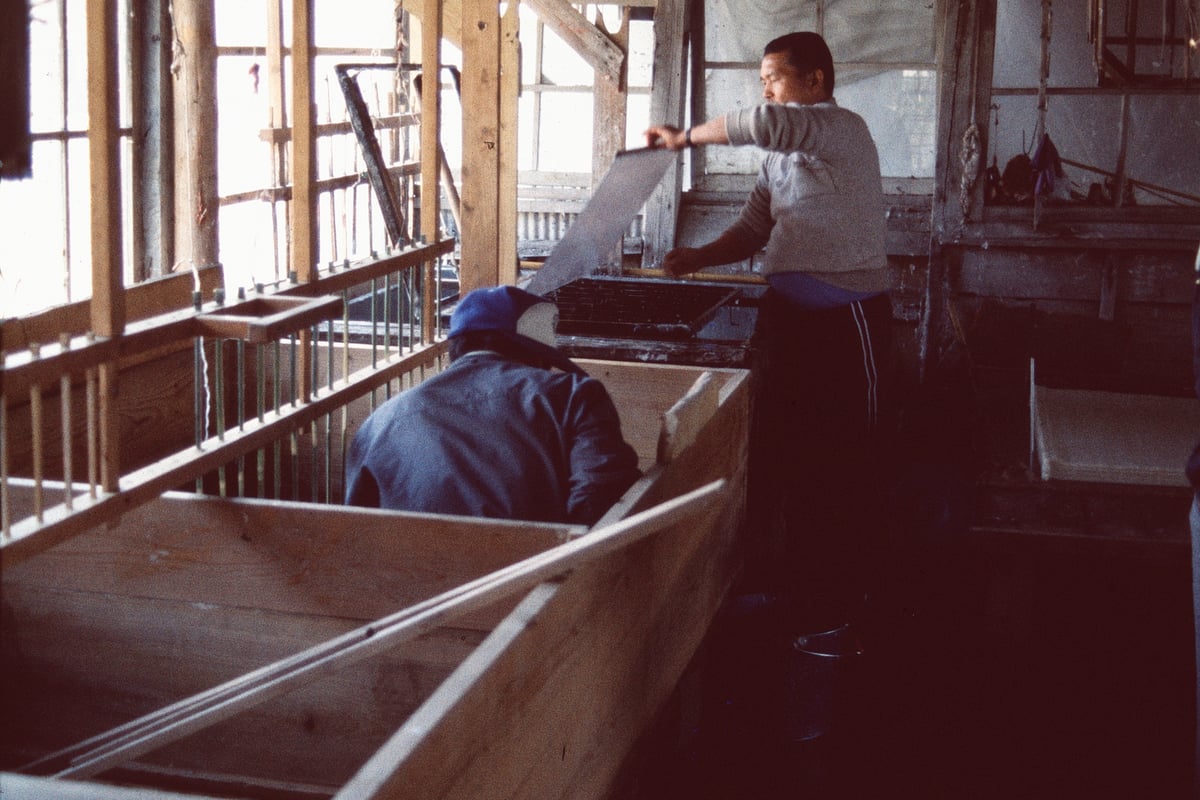
Karasuyama Washi is a handmade Japanese paper passed down in Nasukarasuyama City, Tochigi Prefecture. It is said to have originated in the Kenpo era (1213-1219) of the Kamakura period, when the Nasu clan, who ruled this region, invited paper-making artisans from Echizen (present-day Fukui Prefecture) to produce Nasu-hosho paper in Mukoda village (now Nasukarasuyama City). Made by hand from kozo (mulberry bark) fiber, it is characterized by a thick, dense texture, and by the mid-Edo period it was known as a fine paper on par with Echizen hosho, Mino-gami, and Nishinouchi paper. Among its varieties, the Hodomura-gami handed down in the Shimosakai area is a thick paper made from Nasu kozo, a high-quality mulberry bark unique to the Nasu region, using traditional techniques such as the distinctive hannagashi ('half-flow') papermaking method and sun-drying on ginkgo wood boards. Prized for combining strength with an elegant character, it was designated a National Selected Intangible Cultural Property in 1977. Today, Fukuda Washi Seishijo, the only remaining paper mill in Nasukarasuyama City, carries on this tradition, and the paper is used for a wide range of purposes, from diplomas and craftwork to decorations for the floats of the Yamaage Festival.
Nishinouchi Washi
Nishinouchi Washi
Nishinouchi washi is a handmade Japanese paper (washi) produced mainly around Funyu in Hitachiomiya City, Ibaraki Prefecture (formerly Nishinouchi in the old town of Yamagata). Its defining feature is that it is made purely from kozo (paper mulberry) fiber, without mixing in mitsumata or ganpi. The raw material is 'Nasu kozo,' grown around Hitachiomiya City and Daigo Town, whose fibers are said to grow to a fineness and length comparable to silk thanks to the sharp swings between day and night temperatures. During the Edo period, the Mito Domain's paper monopoly system (established in 1688) made it a key industry, with the domain purchasing the entire output, and its strength and durability led Edo merchant houses to use it for their account books (daifukucho). On December 2, 1971 (Showa 46), it was designated an Intangible Cultural Property of Ibaraki Prefecture, and the tradition is still carried on today by a small number of papermakers.
Suifu Chochin
Suifu Chochin
Suifu Chochin is a type of paper lantern passed down in Mito City, Ibaraki Prefecture, taking its name from 'Suifu,' an Edo-period alternate name for Mito. It is said to have originated around 400 years ago, when lower-ranking samurai of the financially struggling Mito Domain began making lanterns as a side occupation, and the craft developed after the domain began promoting it as a local specialty. Its defining feature is a unique method called 'ippon-gake' (one-strand binding), in which thread is wound around each individual bamboo hoop one strand at a time rather than in a continuous spiral, producing a sturdy, long-lasting lantern. Another characteristic is the use of the durable local washi paper 'Nishinouchi-gami,' and Suifu Chochin is still counted today, alongside Gifu and Yame, as one of Japan's three major lantern-producing regions. At its peak, Mito City was home to more than 30 workshops, but in recent years the number has dropped to just a handful; long-established makers such as Kageyama Rihei Shoten and Aono Shoten continue to pass on the traditional techniques, producing everything from festival lanterns to hands-on experiences for visitors.
Tozan Washi
Tozan Washi
Tozan Washi is a handmade washi paper with roughly 800 years of history in Higashiyama, Ichinoseki City, Iwate Prefecture. Its origins are told in two ways: one theory holds that survivors of the Oshu Fujiwara clan, defeated by Kamakura forces at the end of the Heian period, settled in the area and began making paper for daily use alongside farming; another holds that the construction of Hiraizumi's Chuson-ji temple created a huge demand for paper to copy sutras, and papermaking began in the neighboring Higashiyama area to meet that need. The name 'Higashiyama' is said to come from the view eastward from Mt. Tabashine near Chuson-ji, which resembled Kyoto's Higashiyama, and the district still retains a place name that literally means 'birthplace of paper,' Kamiagari. The paper is known for its simple, sturdy texture, made with kozo (paper mulberry) as almost its sole raw material.
Tsuyama Hakuaishi
Tsuyama Hakuaishi
Tsuyama Hakuaishi is a handmade Japanese paper produced in the Yokono district (Kami-Yokono and Shimo-Yokono) of Tsuyama City, Okayama Prefecture, using mitsumata (Edgeworthia) as its raw material. Thin, compact, yet strong, with a smooth surface that does not damage gold or silver leaf, it has long been prized by leaf-gilding artisans in Kyoto and Kanazawa as an indispensable 'hakuaishi,' or leaf-interleaving paper, used in gold-leaf craftsmanship. It is characterized by a slightly reddish, lustrous surface, and is also used for the restoration of old documents and, overseas in Germany and Canada, as paper for copperplate printing and etching. The mitsumata used as raw material is a specialty of the Mimasaka region, also known as a production area of 'kyokuno mitsumata,' supplied as banknote raw material to the Ministry of Finance's Printing Bureau. Designated a Traditional Craft of Okayama Prefecture in January 1981 (Showa 56), Tsuyama Hakuaishi is today made by only a single workshop nationwide, Ueda Papermaking Mill (Yokono Washi Studio) in the Yokono district, which continues this precious handcraft.
Uda-gami (Uda Paper)
Uda-gami
Uda-gami is a handmade Japanese paper produced in the Yoshino region in southern Nara Prefecture. Made from kozo (paper mulberry) with white clay from crushed pumice mixed in, it becomes a paper that combines strength and suppleness with a distinctive soft texture. It is produced in the Kuzu district of Yoshino-cho, upstream on the Yoshino River, and was originally called 'Kuzu-gami.' In the Edo period, merchants from Uda County in Yamato Province (around present-day Uda City), who had close economic ties to the area, bought up the paper and sold it around the country, and it is said to have gradually become known as 'Uda-gami' after them. Because the mixed-in white clay prevents the paper from shrinking or being damaged by insects and keeps it from curling back when rolled, it is regarded as the finest lining paper for mounting hanging scrolls and folding screens, and is also used in the restoration of National Treasures and Important Cultural Properties. This technique is designated a nationally Selected Conservation Technique, 'Production of Uda-gami, hand-made paper for mounting,' and today is carried on by a long-established papermaking workshop in the Kuzu district of Yoshino-cho.