Image: Wikimedia Commons
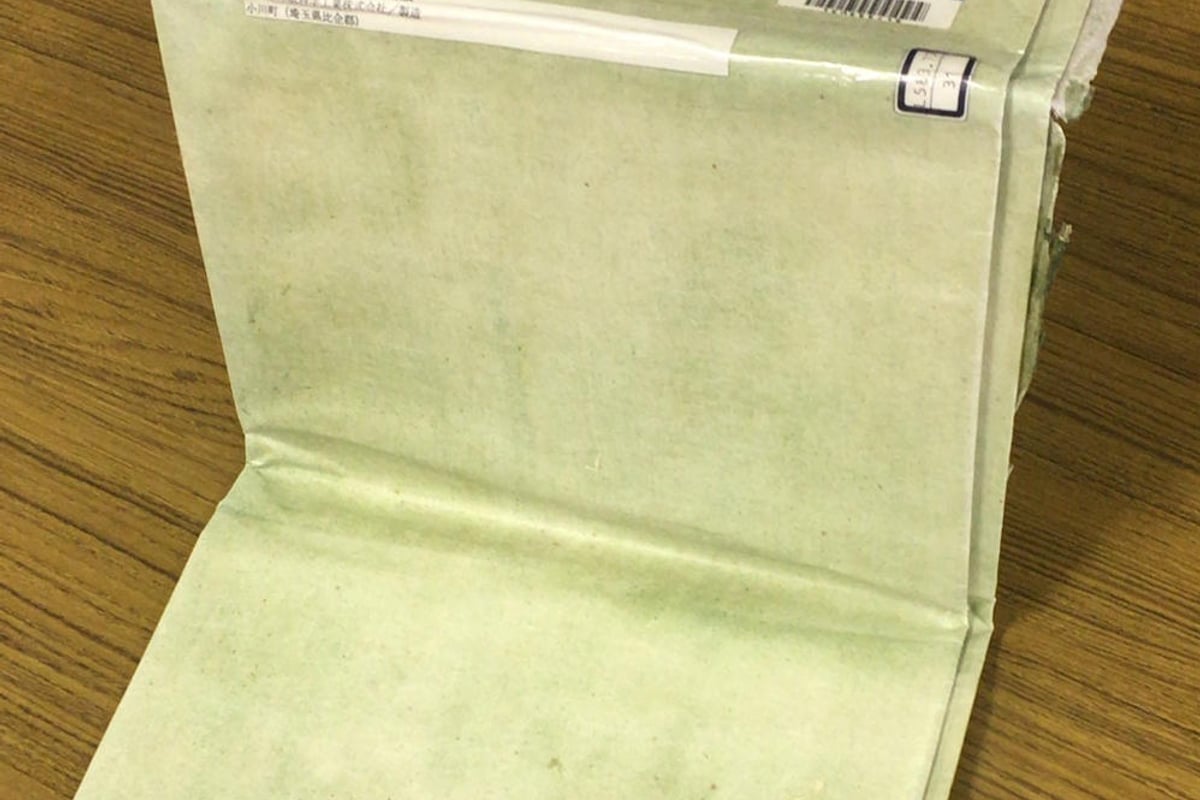
Ogawa Washi is a handmade Japanese paper passed down in Ogawa Town and Higashichichibu Village in Saitama Prefecture. Among its traditional techniques, 'Hosokawa-shi,' which uses kōzo (paper mulberry) as its raw material, was designated a National Important Intangible Cultural Property in 1978, and in November 2014 it was registered, together with Honmino-shi (Gifu Prefecture) and Sekishu-banshi (Shimane Prefecture), as UNESCO Intangible Cultural Heritage under 'Washi, craftsmanship of traditional Japanese hand-made paper' — the first UNESCO registration in Saitama Prefecture. The name 'Hosokawa-shi' is said to derive from the technique having been transmitted to Ogawa from paper made in Hosokawa Village in the former Kii Province (present-day Wakayama Prefecture). Using only domestically grown kōzo as its raw material, the paper is made through traditional processes such as steaming, boiling, sorting out impurities, and beating the fibers, then hand-formed one sheet at a time using the 'nagashi-zuki' method with neri (a mucilage from the tororoaoi plant) added to the pulp. It combines strength with a beautiful, subtly lustrous texture and is highly regarded as a material for restoring old documents.
Origin
Papermaking has long been practiced throughout the Ogawa Town and Higashichichibu Village area, and the technique for 'Hosokawa-shi,' made from kōzo, is said to derive from paper made in Hosokawa Village in the former Kii Province (present-day Wakayama Prefecture), whose technique was transmitted to Ogawa. The clear streams flowing through the region and its status as a kōzo-producing area laid the foundation for its development as a center of handmade washi.
History
The manufacturing method for Hosokawa-shi was designated a National Important Intangible Cultural Property in 1978, and the Hosokawa-shi Technical Association was formed to protect the technique and maintain quality. On November 27, 2014, it was registered, together with Honmino-shi and Sekishu-banshi, as UNESCO Intangible Cultural Heritage under 'Washi, craftsmanship of traditional Japanese hand-made paper' — the first UNESCO registration in Saitama Prefecture. Craftsmen in Ogawa Town and Higashichichibu Village continue to pass down the traditional techniques today.
Features
Hosokawa-shi uses only domestically grown kōzo as its raw material. The fibers are softened by steaming, impurities are removed by boiling, further impurities are carefully removed by hand in a process called chiri-yori, and the fibers are then beaten and loosened in a process called kōkai to produce the pulp. In finishing, neri (a mucilage extracted from the roots of the tororoaoi plant) is added to help disperse the fibers, and the paper is formed using the 'nagashi-zuki' technique, in which the papermaking screen is rocked back and forth. The result is strong yet has a restrained luster and a uniform texture, and it is also highly valued as a material for restoring old documents.
Materials Used
Production Process
- 1
Steaming and boiling
Harvested kōzo is steamed and its bark peeled off; the resulting white bark is further boiled to soften the fibers.
- 2
Chiri-yori (impurity removal)
The boiled kōzo is rinsed in clear running water, and impurities such as dark patches or damaged parts of the bark are carefully removed by hand.
- 3
Kōkai (beating)
The kōzo fibers, now free of impurities, are beaten and loosened to make them easier to work with as pulp.
- 4
Nagashi-zuki (sheet forming)
Neri (tororoaoi mucilage) is added to the pulp, and the papermaking screen is rocked back and forth to intertwine the fibers, forming the paper one sheet at a time.
How to Buy
- 埼玉伝統工芸会館(道の駅おがわまち)
- A facility exhibiting and selling Saitama Prefecture's traditional crafts, including Ogawa Washi. It also has a papermaking experience corner where visitors can watch craftsmen at work.Where to buy →PR
Hands-on Experiences
小川町和紙体験学習センター
埼玉県比企郡小川町小川226
Course A costs around 1,500 yen (five sheets of plain kōzo paper, reservation required); a one-day course costs around 5,000 yen; a four-day course costs around 20,000 yen.
View details →