Image: Wikimedia Commons
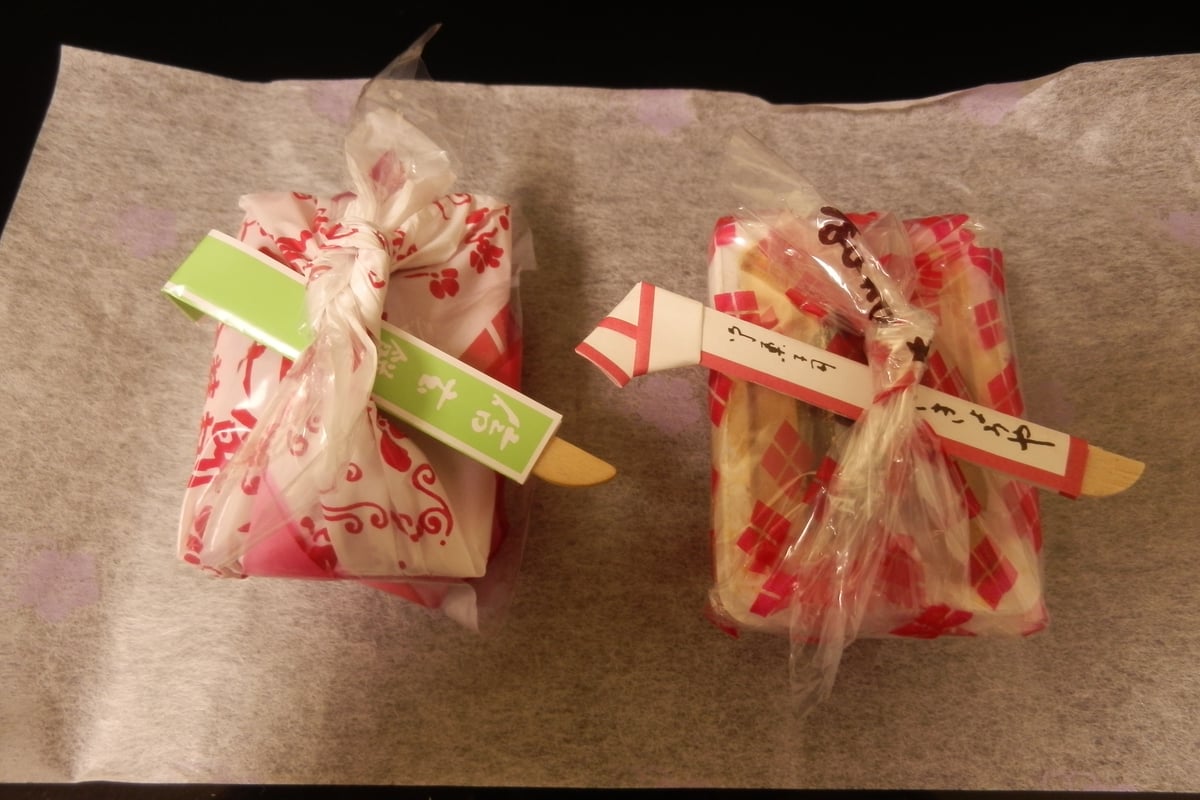
Shingen Mochi is a signature confection of Yamanashi Prefecture: soft mochi coated in kinako (roasted soybean flour) and eaten with kuromitsu (brown sugar syrup) poured over it. Bite-sized pieces of mochi come in a small container with a generous amount of fragrant kinako. In 1968 (Showa 43), Kikyouya of Fuefuki City launched 'Kikyou Shingen Mochi,' and it became known nationwide as a classic Yamanashi souvenir. Kinseiken, a long-established shop in Hokuto City, also makes 'Shingen Mochi,' and both companies' products are loved in their own right. The name comes from Takeda Shingen, the Sengoku-period feudal lord of Kai. It is said to derive either from the mochi Shingen used as emergency rations when going into battle, or to have been inspired by abekawa mochi, which is eaten in Yamanashi during Obon. Each Kikyou Shingen Mochi is wrapped in a vinyl furoshiki (wrapping cloth), and the knots are tied by hand by craftspeople. At the factory in Fuefuki City, visitors can tour the production process and enjoy all-you-can-pack sweets.
Origin
One of the roots of Shingen Mochi is said to be abekawa mochi, which has long been eaten in Yamanashi Prefecture during Obon. In Yamanashi there is a custom of offering abekawa mochi at the household Buddhist altar during Obon, and it has been loved as a simple mochi sweet enjoyed with kinako and kuromitsu. Kikyouya says it created Kikyou Shingen Mochi by reworking this abekawa mochi into a modern, bite-sized form. On the other hand, there is also a theory that it is named after the mochi Takeda Shingen considered indispensable as emergency rations when going into battle, and its origin has not been settled on a single account.
History
Kikyouya is a Japanese confectionery shop said to have been founded in 1889 (Meiji 22), and it launched Kikyou Shingen Mochi in 1968 (Showa 43). At first it sought to register the trademark under the name 'Shingen Mochi,' but this was not approved because it resembled Kinseiken's 'Shingen Monaka,' and so the current name was adopted. Kinseiken was founded in 1902 (Meiji 35) in Daigahara-juku and registered the trademark 'Shingen Mochi' in 1974. Lawsuits over trademarks and other matters continued between the two companies, but they are reported to have settled in 1980.
Features
The mochi is as soft as gyuhi (a soft rice-flour confection) and generously coated with fragrant kinako. The basic way to eat it is to pour the separately packed kuromitsu over it and eat it with the included pick. For Kikyou Shingen Mochi, there is also a way of eating it in which you spread open the furoshiki wrapping, take out the mochi and kinako, pour on the kuromitsu, and knead it all together as if wrapping it up. Kinseiken's Gokujo Nama Shingen Mochi is made with glutinous rice from Yamanashi Prefecture, with reduced sugar and no additives. It keeps for about three days and is sold only at the shop.
Main Ingredients
Food Culture
Shingen Mochi is a confection that took abekawa mochi, a familiar sweet for the Obon festival, and reshaped it into a form that is easy to take home. Today it is a classic Yamanashi souvenir and is widely sold at souvenir shops and elsewhere in the prefecture. Its charming furoshiki-wrapped appearance and the tricks for eating it without spilling are part of what makes it one of the pleasures of a trip.
How It Differs from Home Cooking
Abekawa mochi at home is generally eaten on the spot, with kinako and kuromitsu poured over freshly pounded mochi. Shingen Mochi brings bite-sized mochi, kinako, and kuromitsu together in one container so it can be carried. On the other hand, there are also products that prioritize flavor over shelf life, such as Kinseiken's Nama Shingen Mochi.
Famous Shops
桔梗信玄餅工場テーマパーク
山梨県笛吹市一宮町坪井1928
A facility attached to Kikyouya's head office factory. From 9:00 to 16:00, visitors can watch processes such as craftspeople wrapping the furoshiki through glass, free of charge. At the outlet, all-you-can-pack sweets are offered every morning from 9:00 for about 220 yen and up, and there is also a cafe and a direct sales shop.
View details →台ヶ原 金精軒
山梨県北杜市白州町台ケ原2211
A Japanese confectionery shop founded in 1902 (Meiji 35), located in Daigahara-juku, a post town on the Koshu Kaido highway. The shop-exclusive Gokujo Nama Shingen Mochi is from about 1,080 yen for four pieces. From June to September it also sells Mizu Shingen Mochi made with water and agar, which cannot be taken out and can only be enjoyed in the shop.
| Kikyou Shingen Mochi (Kikyouya) | Kikyouya's flagship product, wrapped in a vinyl furoshiki, and a long seller since its launch in 1968. The knots of the furoshiki are all tied by hand by craftspeople, not by machine. It is from about 429 yen for two pieces and from about 1,296 yen for six pieces.Where to buy →PR |
|---|---|
| Shingen Mochi (Kinseiken) | Shingen Mochi made by Kinseiken of Hokuto City. Its ingredients are simple: domestic glutinous rice flour, sugar, starch syrup, kinako, and kuromitsu. It is sold at souvenir shops inside and outside the prefecture and can also be purchased at directly operated stores such as the Daigahara shop. |
FAQ
Q. What is the difference between 'Kikyou Shingen Mochi' and 'Shingen Mochi'?
A. Kikyou Shingen Mochi is made by Kikyouya of Fuefuki City, and Shingen Mochi is made by Kinseiken of Hokuto City. Both are confections of kinako-coated mochi eaten with kuromitsu poured over it. Kikyou Shingen Mochi was launched in 1968, and Kinseiken has registered the trademark under the name 'Shingen Mochi.'
Q. Are there any tips for eating it without spilling the kinako?
A. For Kikyou Shingen Mochi, a well-known method is to spread open the furoshiki wrapping, take out the mochi and kinako, pour on the kuromitsu, and then wrap everything up in the furoshiki and knead it together. Kikyouya also introduces this as a 'bonus' way of eating it. The syrup and kinako blend well with the mochi and are less likely to spill.
Q. Can I tour the factory?
A. At the Kikyou Shingen Mochi Factory Theme Park in Fuefuki City, you can watch the production process through glass free of charge. Tours are available from 9:00 to 16:00, and work stops during the hourly breaks and the lunch break. It is located right by the Ichinomiya-Misaka Interchange on the Chuo Expressway.