Image: Wikimedia Commons
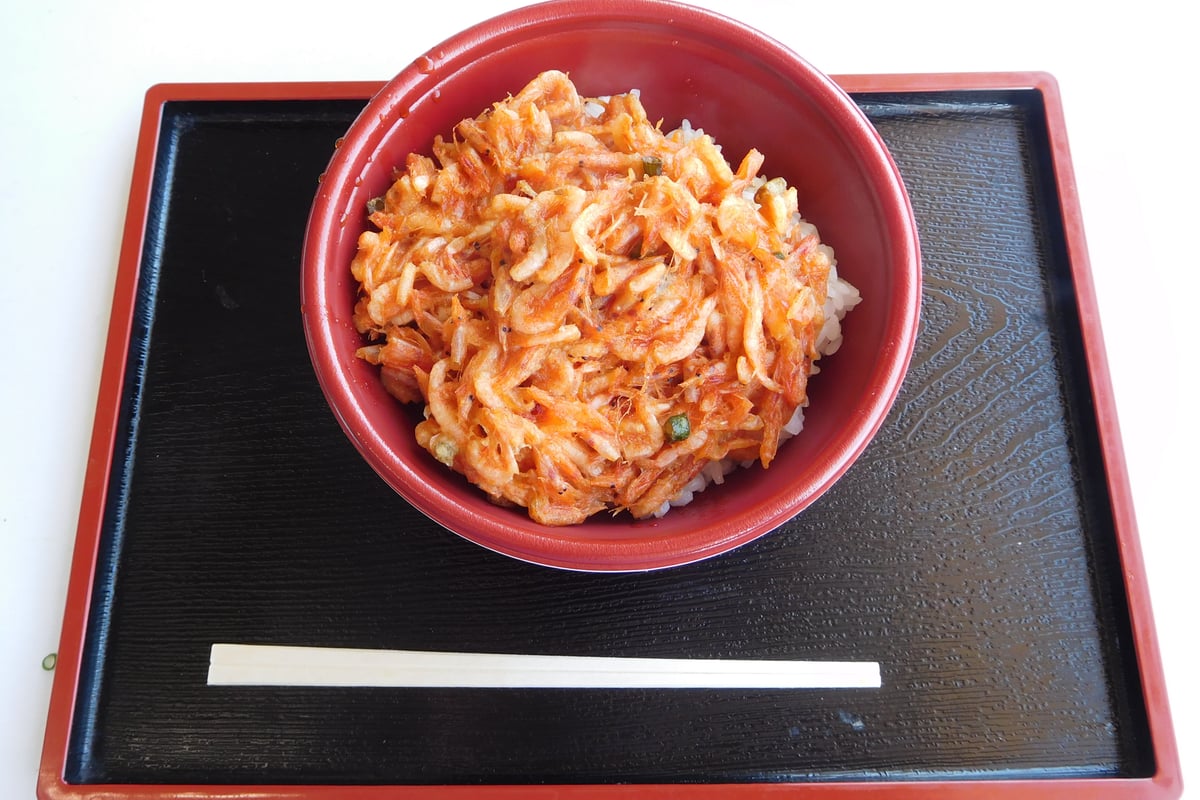
Sakura shrimp kakiage is a specialty of Shizuoka Prefecture made with plenty of sakura shrimp caught in Suruga Bay, fried until crisp with only a light amount of batter. Sakura shrimp are small, translucent, cherry-blossom-pink shrimp, and Suruga Bay is the only place in Japan where they are landed as a fishery. The ports where they are landed are limited to Yui Port in Shimizu Ward, Shizuoka City, and Oigawa Port in Yaizu City. Fishing takes place twice a year, in spring and autumn, and is said to be carried out on only about 40 days in total per year. The fishery began in the Meiji period, reportedly when fishermen from Yui happened to catch a large haul of sakura shrimp in their nets. In the producing areas of Yui and Kanbara, besides kakiage (mixed tempura fritter), people have also eaten 'okiagari,' raw sakura shrimp simmered with tofu and green onions. Inside the crunchy batter, the shrimp are tightly packed, offering both a fragrant aroma and sweetness. It is also standard to enjoy it as kakiage-don (a rice bowl) or on top of soba or udon noodles.
Origin
Sakura shrimp fishing is said to have begun in Yui in 1894 (Meiji 27). When two Yui fishermen, 望月平七 and 渡辺忠兵衛, went out to fish for horse mackerel, they forgot to load the float barrels (kanta) used to keep the net afloat. When they cast the net anyway, it sank deep, and it is said that they unexpectedly caught a large quantity of sakura shrimp. Following this event, sakura shrimp fishing began in Yui the next year and in Kanbara the year after that.
History
In the past, almost all sakura shrimp were shipped as dried shrimp, such as plain sun-dried shrimp. The sight of sakura shrimp spread out to dry in the sun on the riverbed at the mouth of the Fuji River is still a seasonal tradition of the fishing season. As freezing technology advanced, raw sakura shrimp became available all year round. The fishery is run as a joint operation in which all fishers together decide the fishing days and the daily catch. Poor catches have continued since around 2018, and efforts to protect the resource, such as restrictions on fishing operations, are under way.
Features
Sakura shrimp are small shrimp that can be eaten shell and all. During the day they stay in the sea deeper than 200 meters, and at night they rise to shallower waters. For this reason, fishing is done at night, with two boats pulling a net between them. The key to kakiage is said to be using as little batter as possible and frying it crisp at a high temperature. Inside the crunchy batter, you can enjoy the fragrant shells, the chewy texture of the meat, and the sweetness of the shrimp all at once.
Main Ingredients
Food Culture
In Yui and Kanbara, sakura shrimp have been served at the table as a familiar gift of the sea. The fishermen's dish 'okiagari,' raw sakura shrimp simmered with tofu and green onions, is a way of eating found only in the producing areas. In spring, the 'Yui Sakura Shrimp Festival' is held at Yui Fishing Port and draws large crowds.
How It Differs from Home Cooking
At home, it is easily made with kamaage (boiled), plain sun-dried, or frozen sakura shrimp. At eateries in the producing areas, the specialty is kakiage packed with sakura shrimp and fried with little batter. The fisheries cooperative's direct sales shop also sells frozen raw sakura shrimp, so they can be enjoyed at home even outside the fishing season.
Famous Shops
桜えび・磯料理 くらさわや
静岡県静岡市清水区由比東倉沢69-1
A seafood restaurant on high ground along the old Tokaido, with views of Suruga Bay and the Izu Peninsula from its windows. Its pride is kakiage fried crisp with a light batter, starting from about 700 yen as a single dish. The 'Sakura Shrimp Set,' which includes raw, kamaage, kakiage, and kamameshi (rice cooked in a small pot), costs about 3,500 yen.
| 由比港漁協直売所 | A direct sales shop run by the Yui Port Fisheries Cooperative within Yui Fishing Port, opened to make sakura shrimp from Suruga Bay more widely known. Its popular frozen raw sakura shrimp can be bought even outside the fishing season. Processed products such as boiled shirasu (whitebait), sakura shrimp okizuke (marinated), sakura shrimp chili oil, and furikake (rice seasoning) are also available.Where to buy →PR |
|---|
FAQ
Q. Are sakura shrimp caught only in Suruga Bay?
A. In Japan, Suruga Bay is the only place where sakura shrimp are landed as a fishery, and the ports where they are landed are limited to Yui Port and Oigawa Port. Overseas, however, sakura shrimp are also fished off the coast of Taiwan. Tasting raw sakura shrimp is something special to the producing areas, such as Yui, during the fishing season.
Q. When does sakura shrimp fishing take place?
A. It takes place twice a year: the 'spring fishery' from around late March to early June, and the 'autumn fishery' from around late October to late December. From June 11 to September 30, fishing is prohibited because it is the spawning season. Even during the fishing season, there are days when boats do not go out, depending on the state of the resource and the weather.