Image: Wikimedia Commons
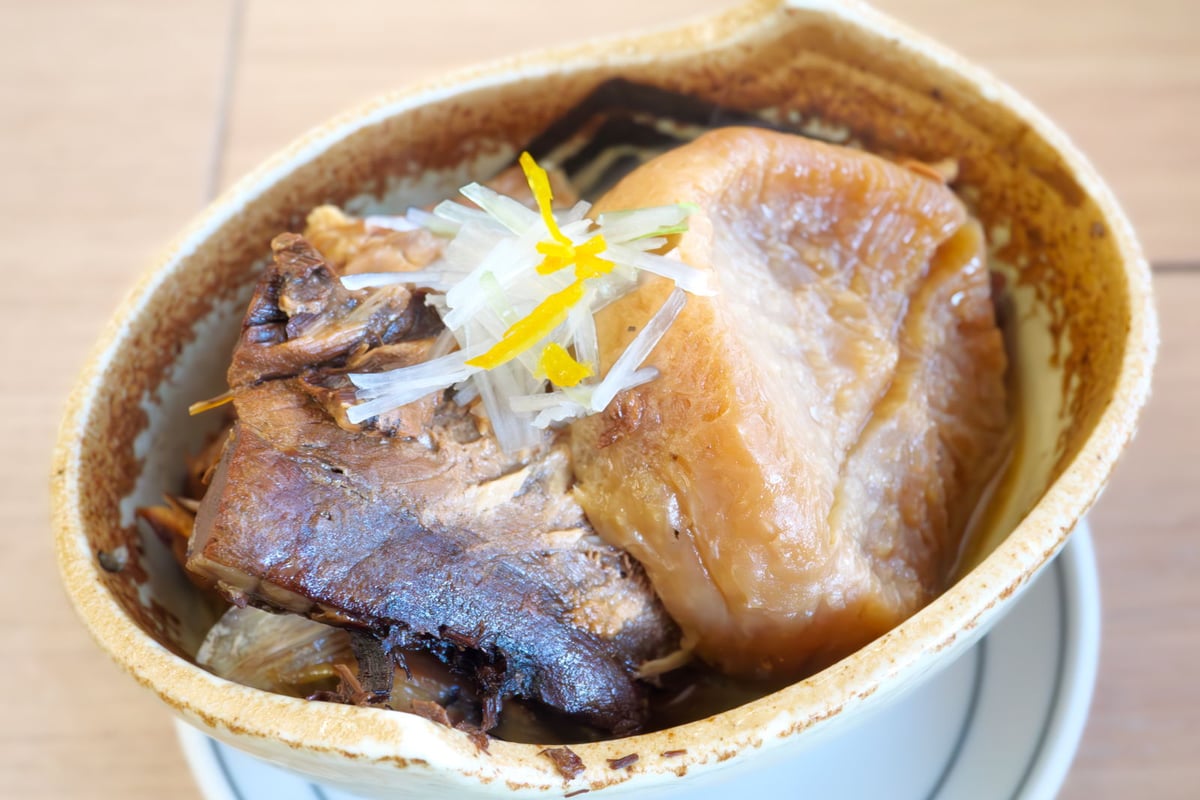
Buri Daikon is a representative winter dish of Toyama Prefecture, made by slowly simmering the trimmings (ara) of fatty winter yellowtail (buri) landed in Toyama Bay together with daikon radish in a sweet-savory broth of soy sauce and sake. Yellowtail is said to be a fish with virtually no part wasted, and this dish grew out of the wisdom of simmering the ara — the head, collar, and other cuts left over after the flesh was used for sashimi or teriyaki — together with daikon to make full use of every bit of flavor. From late autumn into early winter, Toyama Bay is hit by stormy weather with thunder known as 'buri-okoshi,' and the winter yellowtail that reach peak season around this time are considered especially rich and delicious. Yellowtail landed in Himi City in particular is branded as 'Himi Kan-buri' and is highly regarded nationwide. Because yellowtail is a shusse-uo (a fish whose name changes as it grows, seen as auspicious), it is indispensable at celebrations and New Year meals, and buri daikon has long appeared on the table at such occasions. With the daikon soaking up the yellowtail's rich flavor, the dish lets diners enjoy both the well-seasoned, tender daikon and the flaky yellowtail meat, and it remains a beloved, warming winter home-cooked dish in Toyama households today.
Origin
Yellowtail is a fish eaten down to the very last part, from the head to the collar and other trimmings, and buri daikon is said to have originated from simmering the parts left over after the flesh was used for sashimi or teriyaki together with daikon. It grew out of the wisdom of fishing towns seeking to make full use of every part of the winter yellowtail caught in abundance in Toyama Bay, with methods handed down within individual households.
History
When the stormy weather with thunder known as 'buri-okoshi' arrives in Toyama Bay from late autumn into early winter, yellowtail fishing reaches its peak season. Yellowtail landed in Himi City is branded as 'Himi Kan-buri' for its excellent flavor, symbolizing the winter yellowtail culture rooted in Himi's fishing community. As an auspicious shusse-uo, yellowtail is also used at celebrations, and in some areas the custom of 'yome-buri' survives, in which a bride's parental family sends a whole yellowtail as a year-end gift to her married household.
Features
The basic method is to slowly simmer the ara of fatty winter yellowtail together with daikon in a sweet-savory broth of soy sauce, sake, and sugar. The ara is typically parboiled first to remove any fishy odor before simmering, and cooking it slowly until the daikon absorbs the yellowtail's rich flavor produces a warming winter home-style dish where diners can enjoy both the melt-in-the-mouth daikon and the fatty yellowtail meat.
Main Ingredients
Food Culture
Yellowtail is regarded as an auspicious fish because it is a shusse-uo, making it indispensable at celebrations and New Year meals. In some areas along Toyama Bay, including Himi City, the custom of 'yome-buri' still survives, in which a bride's parental family sends a whole yellowtail to her married household at the end of the year she was wed. Yellowtail dishes such as buri daikon remain rooted as a food culture that expresses bonds between people in the community.
Famous Shops
民宿竹や
富山県氷見市島尾1409-1
A guesthouse located near Himi Fishing Port. It offers a 'Buri-zukushi Plan' featuring dishes made with wild-caught 'Himi Kan-buri,' including buri daikon, with one night and two meals starting from around 19,800 yen.
View details →FAQ
Q. What is 'buri-okoshi'?
A. It refers to the violent storms with thunder that occur in Toyama Bay from late autumn into early winter. Because yellowtail fishing reaches its peak season once this stormy weather passes, fishermen call it 'buri-okoshi,' a signal announcing a bountiful yellowtail catch.