Image: Wikimedia Commons
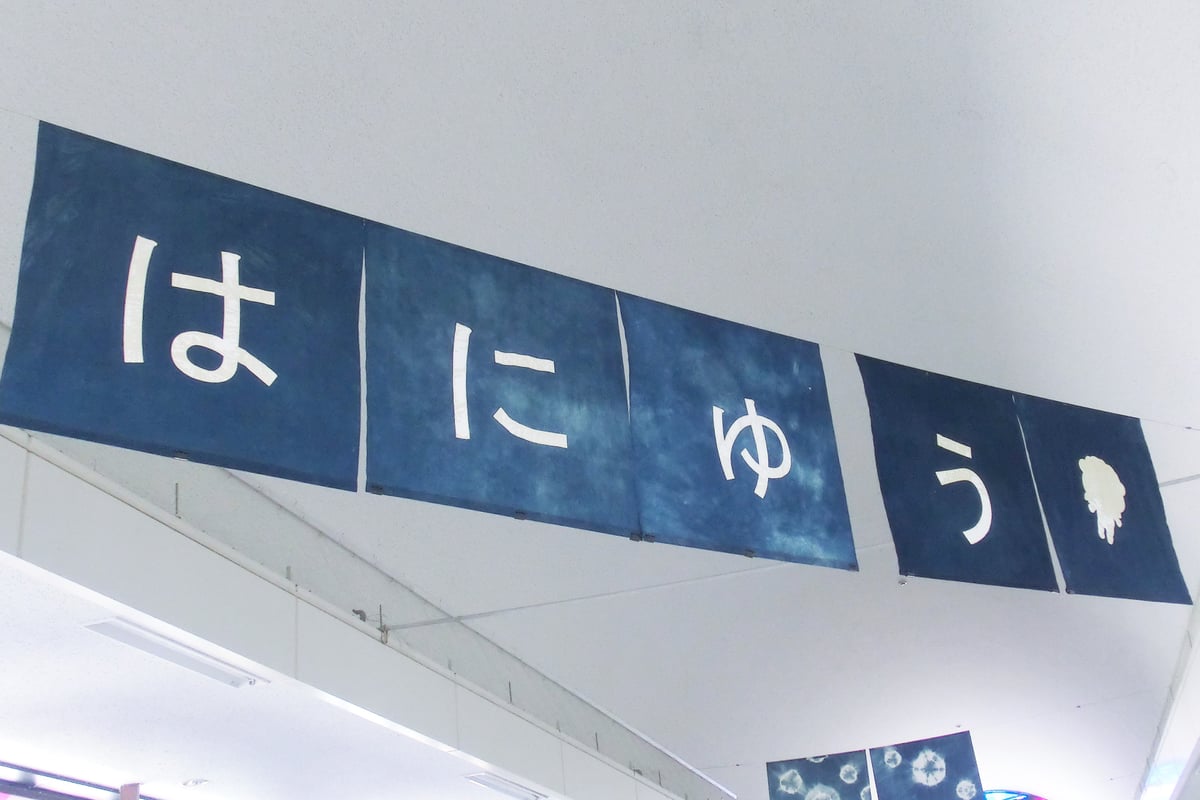
Bushu Shoai-zome is an indigo-dyeing technique passed down around Hanyu, Kazo, and Gyoda cities in northern Saitama Prefecture, whose defining feature is the use of 'shoai' dye made by naturally fermenting indigo leaves. From around the Tenmei era of the late Edo period (1781-1789), indigo cultivation spread by taking advantage of the fertile soil along the Tonegawa River, and it is said to have begun when farm wives dyed their families' clothing during the agricultural off-season. In the Meiji era it grew into a major industry, and by the 1900s and 1910s more than 200 'konya' (indigo-dyeing workshops) stood side by side, centered on Hanyu. There are two techniques: 'ito-zome' (yarn dyeing) and 'katazome' (stencil dyeing of cloth, known as 'aojima'), with roughly 70% of Bushu indigo dyeing done by yarn dyeing. Naturally fermented indigo has a depth of color that chemical dyes lack, and because the color is said to grow more beautiful as it fades, it is also affectionately known as 'Japan Blue.' It has been designated a Saitama Prefecture-designated Traditional Handicraft and was also registered as a regional collective trademark in 2008.
Origin
It is said to have begun around the Tenmei era of the late Edo period (1781-1789), when indigo cultivation flourished in the northern Saitama area along the Tonegawa River, including Hanyu, Kazo, and Gyoda. It originated with farm wives who, during the agricultural off-season, made dye from indigo leaves to dye their families' clothing, and it developed in step with the local character of this cotton-weaving region.
History
In the Meiji era, indigo dyeing in Bushu grew into a major industry, and by the 1900s and 1910s more than 200 konya workshops stood side by side in the area centered on Hanyu. The number of konya later declined with the spread of chemical dyes, but the technique of naturally fermented shoai-zome has been carried on by local dyers and weavers; it was designated a Saitama Prefecture-designated Traditional Handicraft and, in September 2008, was also registered by the Japan Patent Office as a regional collective trademark.
Features
Its distinguishing feature is hand-dyeing using 'shoai' dye made by naturally fermenting indigo leaves, which produces subtle textures that chemical vat dyeing lacks and a distinctive color that is said to grow more beautiful as it fades. There are two dyeing methods, 'ito-zome' (yarn dyeing) and 'katazome' (stencil dyeing of cloth, known as 'aojima'), with yarn dyeing accounting for roughly 70% of Bushu indigo dyeing overall. The deep, calm indigo color is also known as 'Japan Blue' and is highly regarded overseas as well.
Artisans & Workshops
小島染織工業株式会社
A dyeing and weaving company founded in Hanyu City in 1872 (Meiji 5). It originally produced indigo-dyed cloth used for farm-work trousers (momohiki), and today continues to manufacture and sell Bushu Shoai-zome fabric and products.
Official site →How to Buy
- 小島染織工業株式会社
- An online shop run by a long-established dyeing and weaving company in Hanyu City, offering Bushu Shoai-zome fabric rolls and sundry goods.Where to buy →PR
Hands-on Experiences
藍染ふる里資料館(武州中島紺屋)
埼玉県羽生市小松223
A museum conveying the history of indigo dyeing. Visitors can try indigo dyeing, such as dyeing a handkerchief, with fees starting at around 800 yen (reservation required).
View details →