 1 / 2
1 / 2Image: Wikimedia Commons
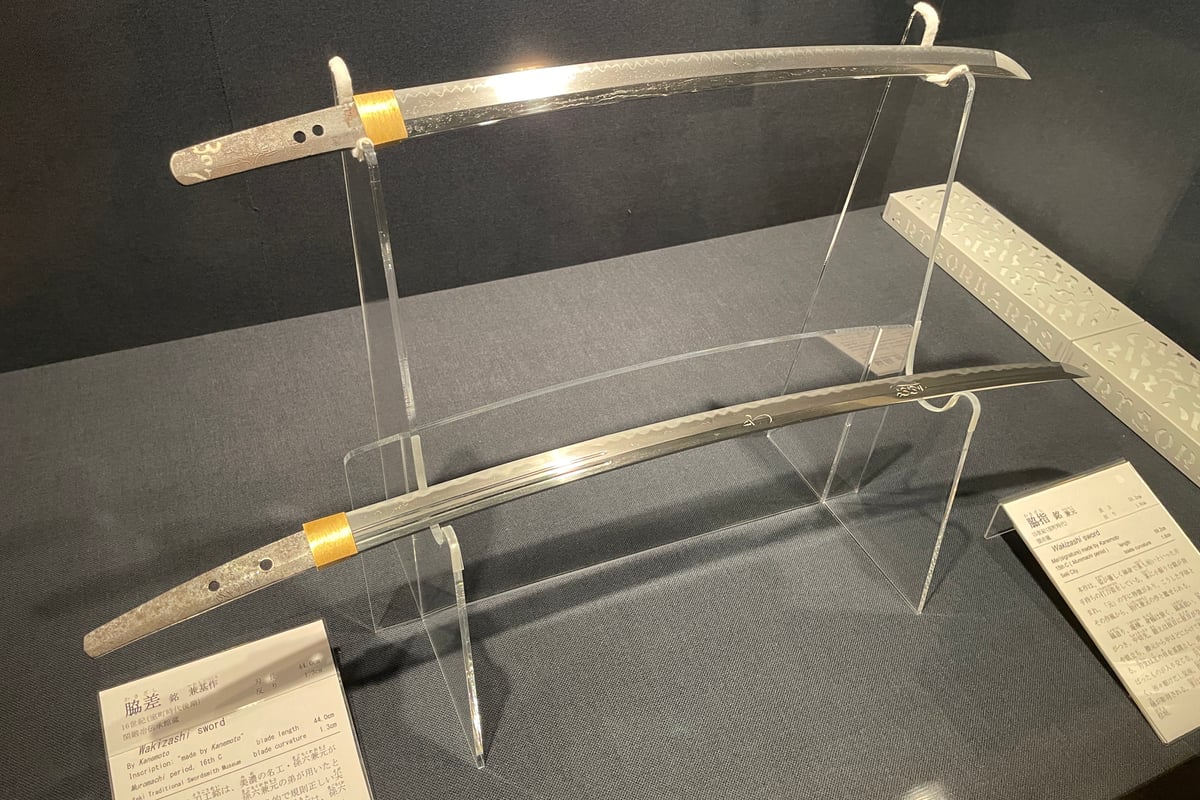
Seki Hamono is the collective name for the cutlery and blades made in Seki City, Gifu Prefecture, a leading production center that accounts for roughly half of Japan's total shipment value of household blades. Its origins are said to trace back to the Kamakura period, when the swordsmith Motoshige settled in Seki and began forging swords there. In the Nanboku-cho period, Kaneshige and Kaneuji, two of the Ten Great Disciples of Masamune, and others established a distinctive forging technique known as the Mino tradition, which came to be counted among the Five Traditions (Gokaden) of Japanese swordmaking. By the Muromachi period, the number of swordsmiths in Seki exceeded 300, and swords from Seki, praised as unbreakable, unbending, and sharp, became known throughout the country. From the Edo period onward, as demand for swords declined, blacksmiths shifted their skills toward everyday blades such as kitchen knives, razors, and scissors, and from the Meiji era the craft developed into a modern cutlery industry. Today, Seki Hamono is registered as a regional collective trademark by the Japan Patent Office, and Seki is regarded as one of the world's three great cutlery-producing regions.
Origin
Blade making is said to have begun in Seki during the Kamakura period, with the swordsmith Motoshige regarded as its founder. From the end of the Kamakura period through the Nanboku-cho period, Kaneshige and Kaneuji, among the Ten Great Disciples of the renowned swordsmith Masamune, settled in Seki and established a distinctive forging technique known as the Mino tradition, laying the foundation of Seki's swordsmithing. Blessed with conditions well suited to blade making, such as good-quality water and pine charcoal, the area drew many swordsmiths.
History
By the Muromachi period, the number of swordsmiths in Seki exceeded 300, and swords from Seki, praised as unbreakable, unbending, and sharp, became known throughout the country. From the Edo period onward, as demand for swords declined, blacksmiths applied their long-honed forging and polishing skills to everyday blades such as kitchen knives, razors, and scissors, and from the Meiji era the craft developed into a modern cutlery industry. Today it is registered as the regional collective trademark Seki Hamono by the Japan Patent Office.
Features
According to the Ministry of Economy, Trade and Industry's 2014 Census of Manufacture, Gifu Prefecture (centered on Seki City) holds roughly a 58% national share of household kitchen knives, about 55% for knives in general, and about 74% for barber's blades. The forging, quenching, and polishing techniques honed through Japanese swordmaking have been passed down into today's everyday blades, and globally known manufacturers such as Feather Safety Razor and Kai were both founded in Seki City.
Materials Used
Production Process
- 1
Forging
Steel is heated and hammered out to shape the rough form of the blade.
- 2
Quenching
The blade, coated with dried clay, is heated to around 800°C and then rapidly cooled in water to increase its hardness.
- 3
Polishing
The quenched blade is ground and polished, finishing the thickness of the cutting edge to a precision of 0.1 millimeters.
- 4
Finishing
The handle is attached and the blade is checked for chips before the product is completed.
| Main Production Areas |
|
|---|
Artisans & Workshops
藤原兼房(刀匠)
A family of swordsmiths whose lineage has continued directly since the Muromachi period. At the Seki Hamono Museum, attached to the Hamonoya Sanshu shop, visitors can watch up close as traditional Japanese swordforging is demonstrated.
Official site →フェザー安全剃刀株式会社
A razor blade manufacturer founded in Seki City that exports its products to about 120 countries worldwide. Adjacent to its factory stands Japan's only museum dedicated to razors.
Official site →貝印株式会社
A cutlery and household goods manufacturer whose roots trace back to the Seki Safety Razor Manufacturing Partnership, founded in Seki City.
Official site →長谷川刃物株式会社
A cutlery manufacturer in Seki City that develops brands including the nail clipper line CANARY and the kitchen scissors line HARAC.
Official site →How to Buy
- Gifu Seki Hamono Kaikan
- A direct-sale hall offering around 2,000 carefully selected blades from more than 70 cutlery makers. Many items can be purchased at roughly 10-20% below market price.Where to buy →PR
- Hamonoya Sanshu Seki Hamono Museum Direct Sales Shop
- Offers household and professional kitchen knives, office and gardening scissors, nail clippers, and other blades from Seki City manufacturers at direct-sale prices.Where to buy →PR
Hands-on Experiences
関鍛冶伝承館
岐阜県関市南春日町9-1
A municipal facility introducing the history of Seki Hamono, where visitors can watch demonstrations of traditional Japanese swordforging.
View details →刃物まつり(本町通り商店街ほか)
岐阜県関市本町通り一帯
Held every October in memory of the founding swordsmith Motoshige, this festival features a great cutlery bargain market with stalls from around 40 cutlery companies, along with demonstrations of traditional Japanese swordforging.
View details →