Image: Wikimedia Commons
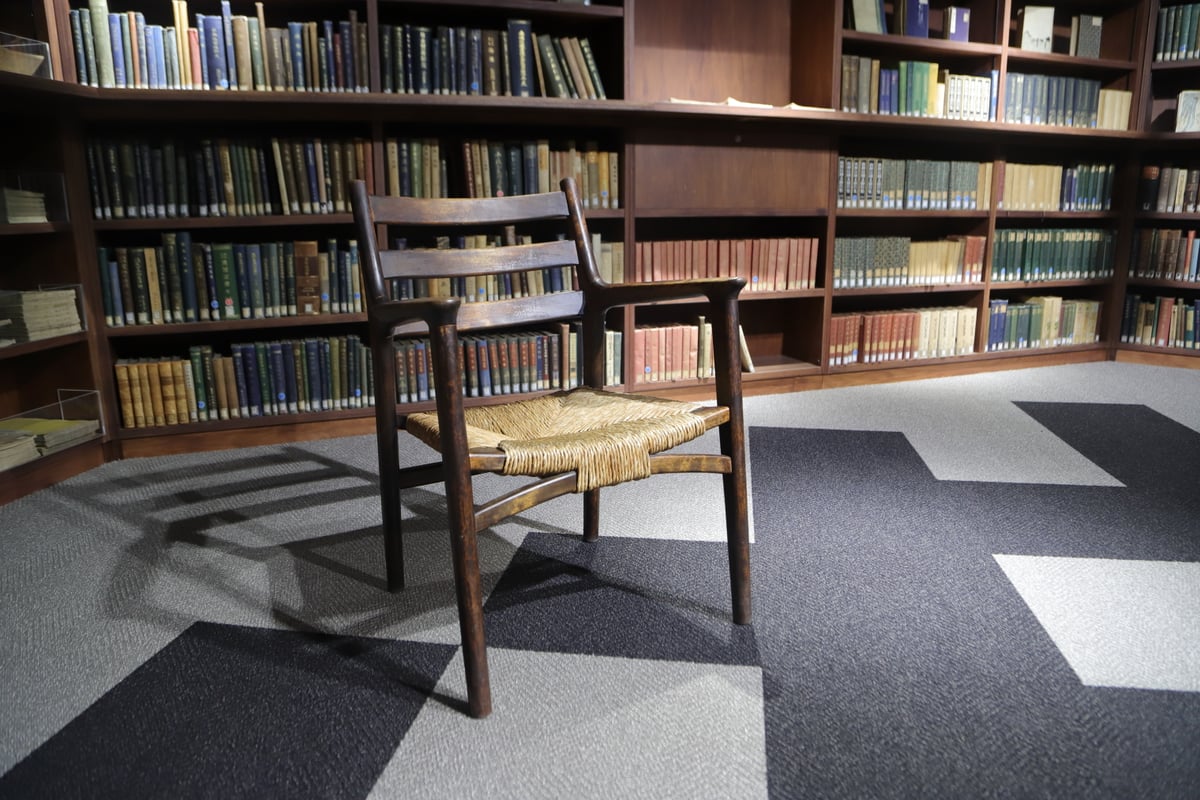
Matsumoto Furniture is Japanese-style furniture made mainly in Matsumoto City, Nagano Prefecture. It is thought to have begun as one of the commercial and industrial trades around Tensho 10 (1582), when a castle town took shape around Matsumoto Castle. Using solid wood such as keyaki (zelkova), mizume (Japanese cherry birch) and udaikanba (Japanese monarch birch), artisans have made tansu chests, display shelves, low tables, writing desks and more. Its characteristics are the sturdiness that comes from complex joinery techniques and a fuki-urushi (wipe-lacquer) finish that brings out the wood grain. Furniture making declined after the Pacific War, but prompted by a visit from Yanagi Soetsu, leader of the Mingei (folk craft) movement, Ikeda Sanshiro worked to revive it. The techniques cultivated through Japanese-style furniture are also applied to Western-style furniture such as chairs and tables. In 1976 it became a Traditional Craft Designated by the Minister of Economy, Trade and Industry. Visitors can see this furniture up close on Nakamachi Street in Matsumoto and at the Matsumoto Mingeikan (Matsumoto Folk Craft Museum).
Origin
The origins of Matsumoto Furniture are estimated to date back to around Tensho 10 (1582), when a castle town was formed around Matsumoto Castle. Under the control of the Matsumoto Domain, furniture making developed as one of the commercial and industrial trades of the castle town. A record of artisans compiled by the domain in Genroku 10 (1697) lists 16 sashimono (joinery) makers, 46 carpenters and 8 lacquerers, among others, showing that a production area had already formed.
History
A representative item of the late Edo period is the cho-dansu (merchant's ledger chest), with a shape unique to Matsumoto. When railways developed in the late Meiji period, the furniture came to be shipped to various regions. The number of sashimono makers in Matsumoto reached 53 households in Taisho 4 and 329 in Showa 13. Furniture making, which declined after the war, was revived by Ikeda Sanshiro as part of the Mingei movement. On February 26, 1976, it was designated a national Traditional Craft.
Features
Matsumoto Furniture is extremely sturdy furniture made without cutting corners, even in parts that cannot be seen from the front. 'Shachidome,' a representative kumitsugi (joinery) technique, connects members by driving in a piece of wood and withstands the expansion and contraction of the wood. The fuki-urushi finish, in which raw lacquer is applied and wiped off more than ten times, conveys the beauty of the wood grain and the warmth of the wood.
Techniques
Shachidome (Wedged Joint)
A joinery technique formally called 'chigai-dotsuki-tome-hozosashi-shachisen-tsugi.' During assembly, a piece of wood called a 'shachisen' is driven in to firmly connect two members.
Arizan (Dovetail Battens)
A technique used to prevent tabletops from warping. By subtly varying the width of the tenons as they are cut, wood is joined to wood without using adhesives or the like.
Fuki-urushi (Wipe Lacquering)
A finish in which a mixture of raw lacquer and pine soot is applied and wiped off. Repeating this more than ten times creates a sense of depth and beauty, and the more the piece is used, the richer its character becomes. There are also ikkanbari lacquering, in which washi or similar paper is pasted onto the tops of chabudai (low dining tables), and an oil-wiped finish with kakishibu (persimmon tannin).
Materials Used
Production Process
- 1
Natural Drying and Kiln Drying
Timber is stacked with spacers and dried naturally, then finished in a drying kiln.
- 2
Cutting the Parts
Each part is cut from the timber according to the design.
- 3
Wood Processing and Lathe Turning
Joints are made with traditional joinery techniques, and pulls and other parts are turned on a lathe.
- 4
Assembly
The parts are fully assembled in the order of assembly.
- 5
Finishing Coats
The piece is finished with fuki-urushi, an oil-wiped kakishibu finish, or similar methods.
- 6
Final Fitting
Kazari-kanagu (ornamental metal fittings), made by cutting sheet metal with a chisel, are attached.
| Main Production Areas |
|
|---|
Artisans & Workshops
池田三四郎
Born in Matsumoto City in 1909. In 1948 Ikeda Sanshiro became a student of Yanagi Soetsu, joined the Mingei movement, and worked to revive Matsumoto Furniture, which had declined after the war. Incorporating techniques from Western and Joseon Dynasty furniture into local sashimono skills, Ikeda laid the foundation for Matsumoto Mingei Furniture. Died in 1999.
松本民芸家具
A Matsumoto furniture maker that carries on the furniture making Ikeda Sanshiro nurtured within the Mingei movement. It makes Japanese-style Western furniture that draws on the techniques of Japanese-style furniture, mainly from mizume-zakura (Japanese cherry birch) and keyaki. It also received guidance on chair making from Bernard Leach.
松本家具工芸協同組合
The production-area association for Matsumoto Furniture, with its office in Chuo, Matsumoto City. It supports furniture making that carries on traditional joinery techniques across a production area spanning Matsumoto City, Shiojiri City, Azumino City and Kiso Village.
How to Buy
- 中央民芸ショールーム
- A showroom of Matsumoto Mingei Furniture on Nakamachi Street in Chuo, Matsumoto City. About 400 pieces of furniture, such as chairs and tables, are always on display, and visitors can actually sit in them to try them out. Handmade goods such as tableware and textiles are also sold.
Hands-on Experiences
松本民芸館
長野県松本市里山辺1313-1
Founded in 1962 by Maruyama Taro, who was inspired by the Mingei movement, and later became a city facility. It displays folk crafts from Japan and abroad, including Matsumoto tansu. Admission is about 500 yen and free for elementary and junior high school students. Closed on Mondays.
FAQ
Q. Are Matsumoto Furniture and Matsumoto Mingei Furniture the same thing?
A. Matsumoto Furniture is the general name for the Japanese-style furniture handed down in the castle town of Matsumoto, and it is the name of the national Traditional Craft. Matsumoto Mingei Furniture is furniture that Ikeda Sanshiro developed after the war within the Mingei movement, based on the techniques of Matsumoto Furniture, and it is distinctive for fusing Japanese-style and Western-style furniture.
Q. What kind of furniture is a cho-dansu?
A. It is the chest that represents Matsumoto Furniture of the late Edo period, with a shape unique to Matsumoto. The iron fittings attached to it were made by kazari-shoku (ornamental metalworkers) and locksmiths. In the early Meiji period, about 60 shops of such artisans are said to have lined the former 東町 and 泉町 districts of Matsumoto.
Q. How is the timber dried?
A. The timber is stacked with spacers and dried naturally for about six months to a year. Partway through, it is restacked to even out how it dries, and finally it is finished in a drying kiln. This process is meant to produce furniture that can be used with confidence even in today's way of living.