Image: Wikimedia Commons
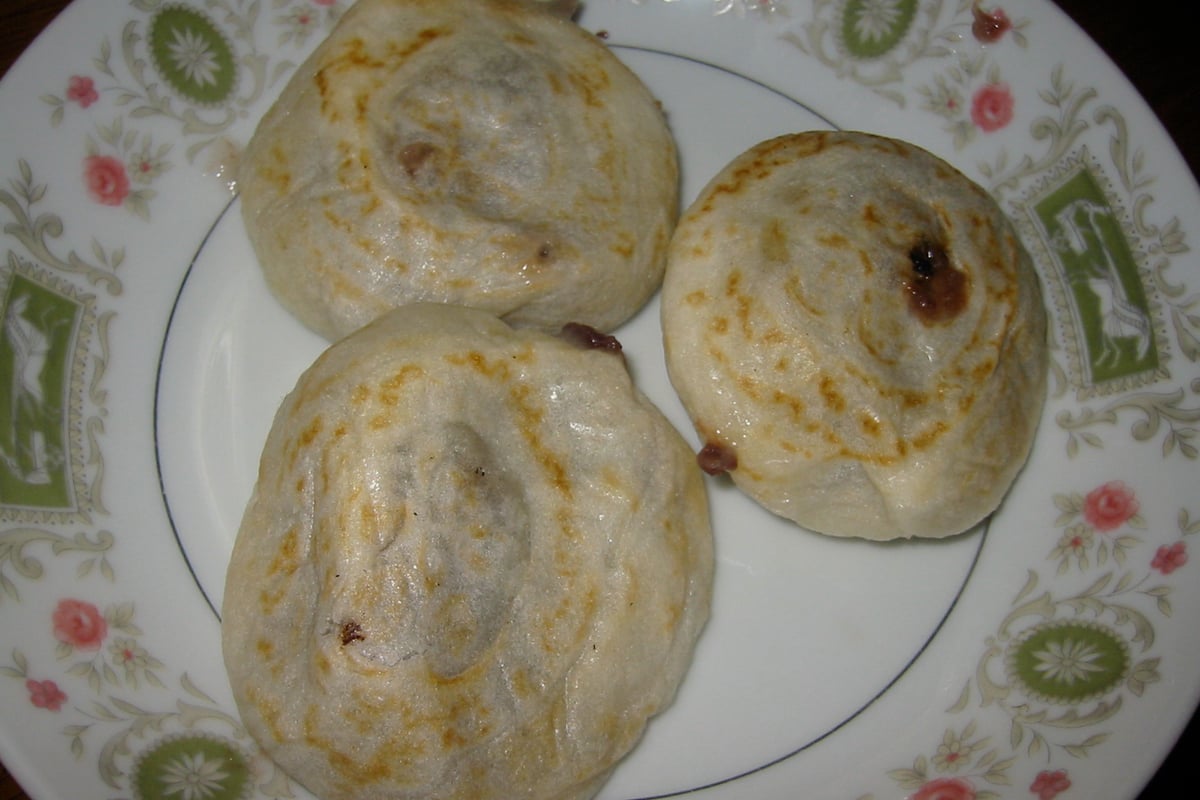
Umegae-mochi is a specialty of the approach to Dazaifu Tenmangu Shrine: sweet red bean paste wrapped in mochi dough and grilled to a fragrant finish using a special mold stamped with a plum blossom design. Known as a mochi confection closely associated with Sugawara no Michizane, the god of learning, the shrine's approach is lined with teahouses and mochi shops serving the cakes freshly grilled, filling the whole street with their fragrant aroma. The name is said to derive from a legend in which an old woman delivered mochi to Michizane skewered on a plum branch. The dish was already known as a specialty of the approach by the Edo period, and long-established shops, including Kasanoya, founded in 1922, continue to insist on serving the mochi freshly grilled today. Crisp and fragrant on the outside with a chewy interior, it pairs beautifully with the refined sweetness of its chunky red bean paste. Eating one fresh off the grill while strolling along the approach is the classic way to enjoy it.
Origin
There are several theories about the origin of umegae-mochi, but the most widely known holds that an old woman living nearby brought mochi skewered on a plum branch to Sugawara no Michizane, who had been exiled to Dazaifu and died there in misfortune. Since then, it has become established as a specialty confection served to visitors along the approach to Dazaifu Tenmangu Shrine, which enshrines Michizane.
History
The confection was already known as a specialty of the approach by the Edo period, grilled at teahouses that served visitors to the shrine. Today, many shops selling umegae-mochi still line the approach to Dazaifu Tenmangu Shrine, each insisting on serving it freshly grilled while preserving its own distinctive flavor.
Features
Sweet chunky red bean paste is wrapped in a wheat-flour dough and grilled golden brown on both sides using a special mold stamped with a plum blossom design. The outside is crisp and fragrant, the mochi dough inside is chewy, and the red bean paste has a refined sweetness. The classic way to enjoy it along the approach is to buy one fresh off the grill at a shopfront and eat it there on the spot.
Main Ingredients
Food Culture
The confection developed inseparably from teahouse culture along the approach to Dazaifu Tenmangu Shrine. Because Michizane is the god of learning, it is also cherished as a good-luck charm for students taking exams.
Famous Shops
お食事処 かさの家
福岡県太宰府市宰府2-7-24
A long-established shop on the approach, founded in 1922. Umegae-mochi costs around 150 yen or more per piece.
やす武
福岡県太宰府市宰府2-7-16
A long-established shop located near the first torii gate on the approach. Umegae-mochi costs around 130 yen per piece.
| Frozen Umegae-mochi (Yasutake) | A frozen version that lets you recreate the fresh-off-the-grill taste at home. Available by mail order for around 900 yen for a set of 5, or around 1,800 yen for a set of 10.Where to buy →PR |
|---|
FAQ
Q. Where does the name 'Umegae-mochi' come from?
A. It is said to derive from a legend in which an old woman living nearby delivered mochi skewered on a plum branch to Sugawara no Michizane, who had been exiled to Dazaifu. The name is also said to reference the plum blossom, which has close ties to Michizane.