Image: Wikimedia Commons
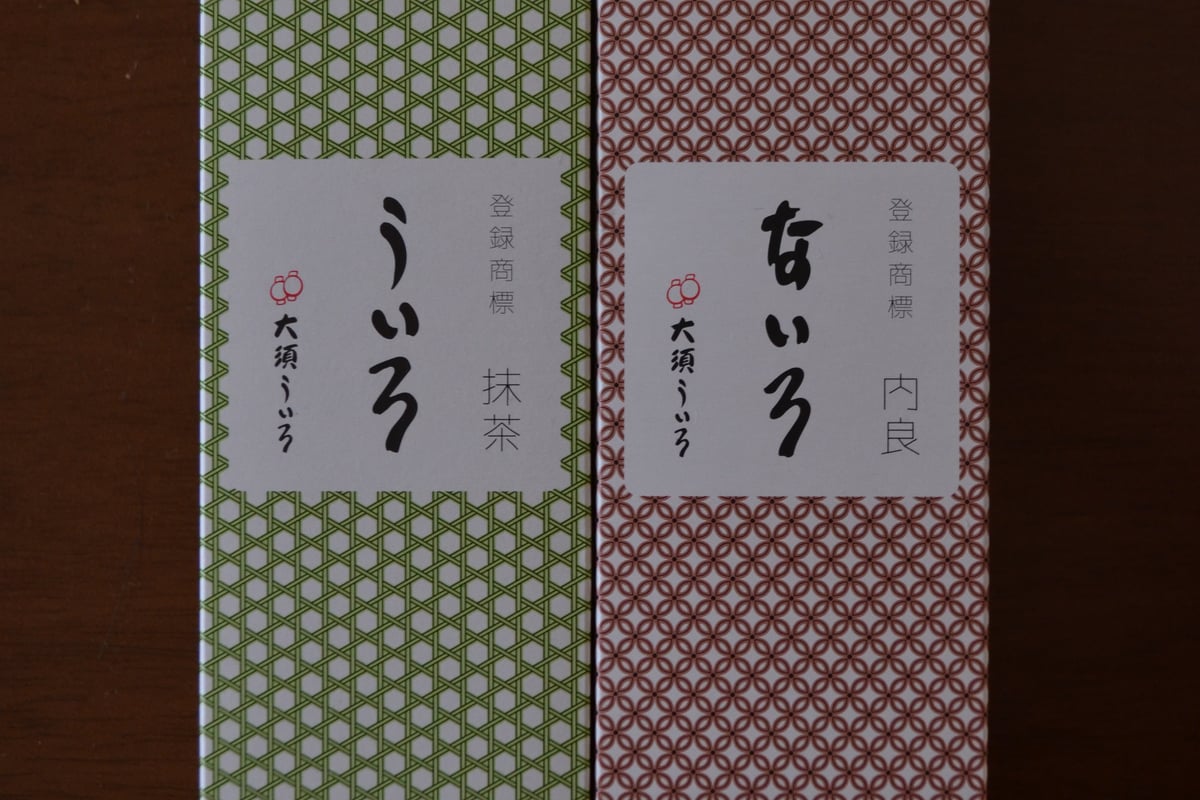
Uiro is a Japanese confection with a chewy, mochi-like texture, made by steaming a dough of rice flour mixed with sugar and hot water. It is famous as a signature confection of Nagoya, but its origins do not actually lie in Nagoya — uiro as a confection is also found in places such as Hakata, Odawara, and Yamaguchi. In Nagoya, the long-established shop Mochibun Sohonten, said to have been founded in 1659 (Manji 2) in the early Edo period, is regarded as the starting point of the city's uiro culture, and Aoyagi Sohonke, founded later in the Meiji era, greatly expanded the business afterward. It became known nationwide especially after in-train sales began with the opening of the Tokaido Shinkansen in 1964 (Showa 39), cementing its status as a classic Nagoya souvenir. It comes in a wide range of flavors, including red bean, matcha, and chestnut, and its bar shape, easy to slice, is also well loved.
Origin
The name uiro is said to derive from the Uiro family, who came to Japan from China and were said to have practiced medicine. The confection is said to have originated from sweets the Uiro family made to entertain guests, and it later spread to become established as a distinct local tradition in places such as Hakata, Odawara, Yamaguchi, and Nagoya. Although it is not a confection that originated in Nagoya, it is thought to have already been introduced there by the early Edo period.
History
In Nagoya, Mochibun Sohonten, said to have been founded in 1659 (Manji 2), is the long-established shop regarded as the starting point of the city's uiro culture. Aoyagi Sohonke, founded in 1879 (Meiji 12), originally handled steamed yokan and later began making uiro as well. When the Tokaido Shinkansen opened in 1964 (Showa 39), Aoyagi Sohonke alone was granted permission for in-train sales, and this became the catalyst for uiro to become widely known nationwide as a Nagoya specialty.
Features
The basic method is to knead rice flour with sugar and hot water, then steam it. Even within uiro, there are regional differences: Nagoya and Odawara versions use rice flour for a dense, substantial texture, while the Yamaguchi version uses bracken starch for a springy, warabi-mochi-like texture. The wide variety of flavors, such as red bean, matcha, chestnut, and cherry blossom, which can also vary by season and by shop, is another part of its appeal.
Main Ingredients
Food Culture
Thanks to in-train sales on the Tokaido Shinkansen, uiro became known nationwide as a Nagoya specialty and is a staple souvenir at shops around Nagoya Station and Osu. Its convenience as a bar-shaped item that can be carried home without slicing is also one reason it is valued as a gift.
Famous Shops
青柳総本家 大須本店
愛知県名古屋市中区大須2-18-50
Founded in 1879 (Meiji 12). Contributed to making uiro a Nagoya specialty through in-train Shinkansen sales. Aoyagi uiro (2-bar set) around 1,167 yen and up.
View details →餅文総本店
愛知県名古屋市南区豊2-36-24
Founded in 1659 (Manji 2); a long-established shop said to be the originator of Nagoya uiro.
View details →大須ういろ 本店
愛知県名古屋市中区大須3-15-1
Also offers more affordable items, such as a 5-piece set of bite-sized uiro for around 486 yen.
View details →| Aoyagi Uiro | Comes in a wide range of flavors, including white, brown sugar, matcha, and red bean, and can be purchased at shops near Nagoya Station and Osu as well as through in-train Shinkansen sales — a classic souvenir.Where to buy →PR |
|---|
FAQ
Q. Did uiro originate in Nagoya?
A. No, it did not originate in Nagoya. Its roots are said to trace back to the Uiro family, who came from China, and distinct uiro traditions are also found in places such as Hakata, Odawara, and Yamaguchi. In Nagoya, it gained nationwide recognition thanks to in-train Shinkansen sales.