 1 / 2
1 / 2Image: Wikimedia Commons
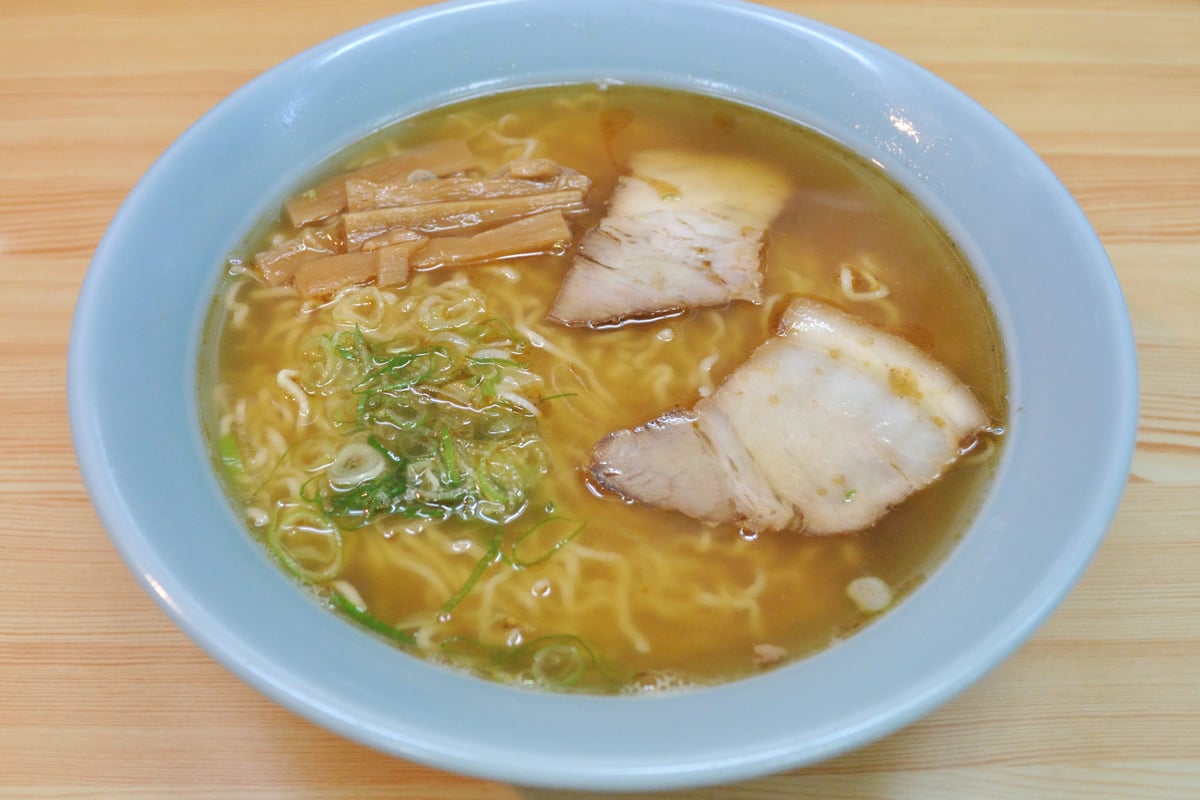
Takayama Ramen is a local ramen dish long cherished by residents of Takayama City, Gifu Prefecture, as 'Chuka Soba.' It combines a light soy sauce-based broth with medium-thin curly noodles, and its toppings follow a simple formula: sliced roast pork (chashu), bamboo shoots (menma), and chopped green onion. It is said to have begun in 1938, when the food stall 'Masago Soba' started selling Chinese-style noodles, and after the war, numerous similar stalls sprang up, creating a lively scene. In the 1955-1964 period, these stalls gradually transitioned into permanent shops, and today Takayama City is said to be home to more than 100 Chuka Soba restaurants. The dish is so deeply woven into local life that saying simply 'soba' is understood to mean Chuka Soba, and some households even eat it on New Year's Eve. The name 'Takayama Ramen' is mainly used by tourists, while local shop curtains display the words 'Chuka Soba.'
Origin
The origin of Takayama Ramen is said to trace back to 1938, when the Takayama food stall 'Masago Soba' began selling Chinese-style noodles. After the war, similar stalls sprang up one after another, and Takayama's Chuka Soba culture flourished. Even then, its light soy sauce-based broth was already its defining feature, and it was cherished as an everyday meal that warmed people in the cold streets of Takayama.
History
In the 1955-1964 period, the shift from stalls to permanent shops progressed, and Takayama's Chuka Soba became deeply rooted in local life. Today, the city is said to be home to more than 100 shops, each competing with its own distinctive broth and noodles. As the number of tourists increased, the name 'Takayama Ramen' became established, though most local shops still hang curtains reading 'Chuka Soba.'
Features
The basic style pairs a clear soy sauce-based broth with medium-thin curly noodles. Toppings are simple — chashu (braised pork), menma (bamboo shoots), and chopped green onion — and some shops use Hida green onion. It has a light aftertaste yet a rich, satisfying flavor, and it is so woven into daily life that some local households eat it as an everyday meal or even in place of toshikoshi soba on New Year's Eve.
Food Culture
In Takayama, saying 'soba' is understood to mean Chuka Soba, reflecting how deeply it is woven into daily life; it is eaten as an everyday meal, and in some areas even in place of toshikoshi soba on New Year's Eve. Takayama Ramen has two faces — a tourist attraction and a bowl of Chuka Soba deeply embedded in local life.
Famous Shops
まさごそば
岐阜県高山市有楽町31-3
A long-established shop founded in 1938, considered the birthplace of Takayama Ramen. It offers a simple menu built entirely around its Chuka Soba.
甚五郎らーめん本店
岐阜県高山市西之一色町2-132-1
Known for its soy sauce broth accented with bonito dashi. Ramen costs around 650 yen, and its homemade chashu ramen around 900 yen.
FAQ
Q. Are 'Takayama Ramen' and 'Chuka Soba' the same thing?
A. Yes, they refer to the same dish. Locally it has long been called 'Chuka Soba' or simply 'soba,' while 'Takayama Ramen' is a name that spread among tourists; most local shops still display curtains reading 'Chuka Soba.'