Image: Wikimedia Commons
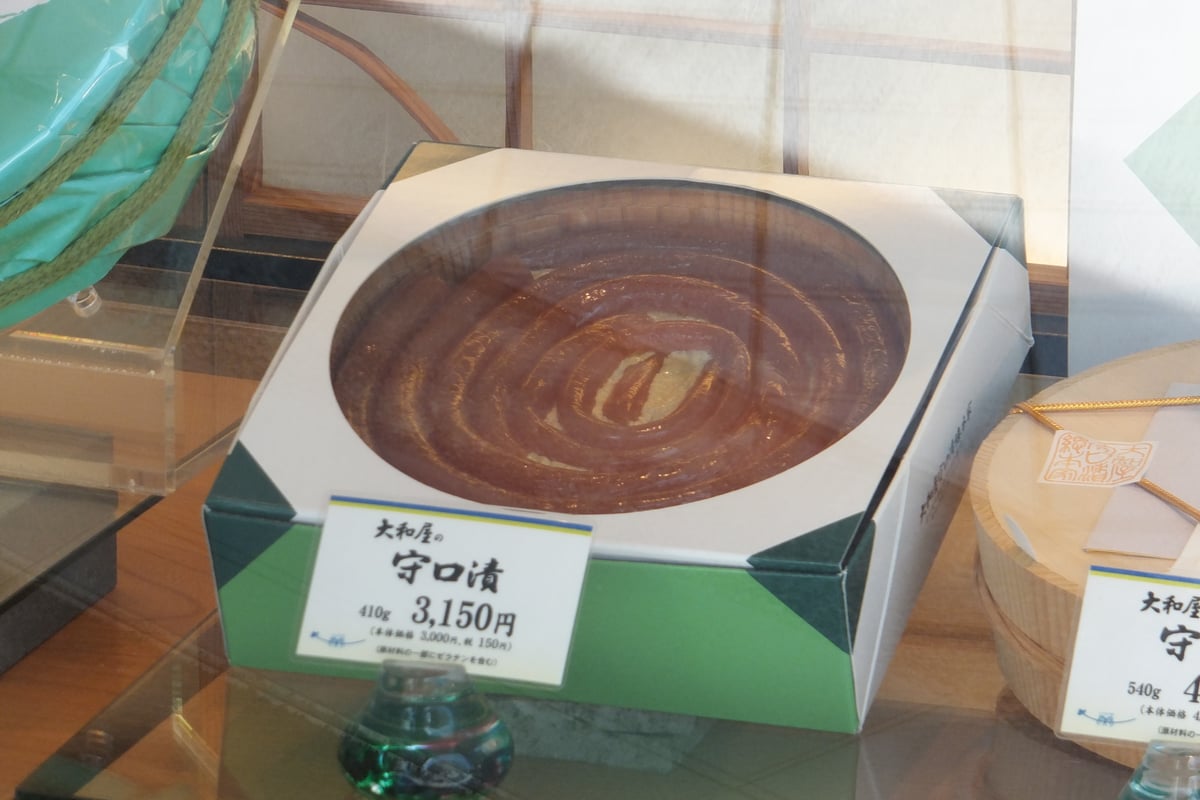
Moriguchi-zuke is a Nara-zuke-style pickle unique to Aichi Prefecture, made by curing Moriguchi daikon — said to be the world's longest daikon radish — in sake lees and mirin lees. Moriguchi daikon is a slender radish about 2 centimeters in diameter and over a meter long, and it is one of Aichi's traditional vegetables, with much of the nationwide crop grown around the town of Fuso along the Kiso River. Both the cultivation and the pickling process are labor-intensive, and the whole process from sowing to a finished pickle is said to take roughly three years. Repeated re-pickling in sake lees and mirin lees produces an amber color, refined sweetness, rich aroma, and pleasant crunch, making it a beloved souvenir and gift item representative of Nagoya.
Origin
The name Moriguchi-zuke comes from its main ingredient, Moriguchi daikon. This radish is said to have originally been grown around the city of Moriguchi in Osaka, and later came to be cultivated in Aichi Prefecture as well; the sandy soil around the town of Fuso along the Kiso River proved especially suited to growing this long, slender radish, and the area developed into a major production center.
History
Moriguchi daikon, about 2 centimeters in diameter and over a meter long — with records of examples exceeding 190 centimeters — is known as the world's longest daikon radish and is designated one of Aichi's traditional vegetables. From the Meiji era onward, pickle merchants in Nagoya and growers in Fuso developed techniques for pickling it in sake lees and mirin lees, and it became established as a premium pickle representative of Nagoya.
Features
After being salted, the Moriguchi daikon is repeatedly re-pickled roughly five times in sake lees and mirin lees over a long aging period. This labor-intensive process, said to take about two years from harvest to completion — or roughly three years counting from sowing — produces its amber color, refined sweetness, rich aroma, and supple crunch.
Main Ingredients
Food Culture
Because it requires so much time and effort to make, Moriguchi-zuke is often treated as a premium gift, and assortment boxes are a standard offering at Nagoya department stores and souvenir shops. In Fuso, the main production area for Moriguchi daikon, some workshops offer pickling experiences, keeping the tradition alive as part of the local food culture.
Famous Shops
大和屋守口漬総本家 本店
愛知県名古屋市中区栄3-15-1
A Nagoya shop specializing in Moriguchi-zuke. Prices run from around 756 yen for 150g, with barrel-packed 390g sets around 3,000 yen.
View details →扶桑守口食品(扶桑總本家)
愛知県丹羽郡扶桑町大字山那字屋敷地757
A producer in Fuso, the main growing area for Moriguchi daikon. Its shop also offers pickling experiences and tours.
View details →