Image: Wikimedia Commons
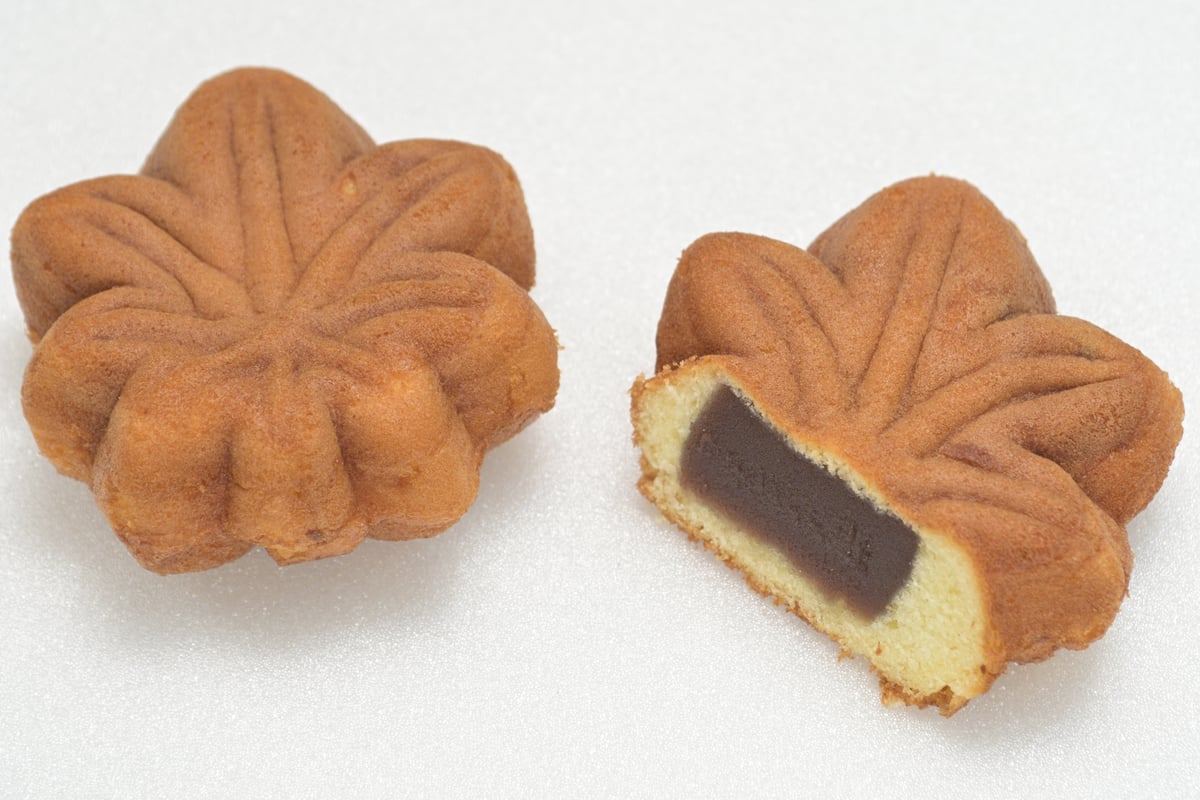
Momiji Manju is a baked confection shaped like a maple (momiji) leaf and representative of Hiroshima Prefecture. Sweet bean paste (an) is wrapped in a castella-like batter made with plenty of eggs and baked in maple leaf-shaped molds. Its birthplace is Miyajima (Hatsukaichi City), known as a famous spot for autumn foliage. It is said to have been devised by a Miyajima confectioner in the late Meiji era, and it spread as a souvenir for worshippers visiting Itsukushima Shrine. The maple is also Hiroshima Prefecture's prefectural flower and tree, and momiji manju has become the prefecture's representative souvenir sweet. Besides the classic koshian (smooth red bean paste), a wide variety of flavors are made, including tsubuan (chunky red bean paste), chocolate, cheese cream and matcha. Makers' shops line the Omotesando shopping street on Miyajima, and some shops sell Age-momiji (deep-fried momiji manju), which are coated in batter and fried. Momiji manju are also widely sold at Hiroshima Station, the airport, expressway service areas and elsewhere.
Origin
Momiji manju is said to have been devised by Takatsu Tsunesuke, a confectioner who ran the confectionery shop 高津堂 (Takatsudo) on Miyajima. It is said that the idea came from advice by 岩惣 (Iwaso), a long-established ryokan in Momijidani, which asked him to create a tea sweet befitting Momijidani (Maple Valley). According to descendants of 高津堂, Tsunesuke began baking them in 1906 (Meiji 39). In 1910 (Meiji 43), they were registered as a trademark under the name '紅葉形焼饅頭' (Momiji-gata Yaki Manju, maple leaf-shaped baked manju).
History
Other confectioners on Miyajima also began making momiji manju, and it became established as a local specialty. According to the company history of やまだ屋 (Yamadaya), production was temporarily halted during the war due to controls on sugar and other goods, and resumed when the controls were lifted in 1953 (Showa 28). In 1980 (Showa 55), during a manzai comedy boom, Hiroshima-born comedian Shimada Yoshichi performed a gag of forming a maple leaf shape with his hands, spreading the name nationwide. Since 1983, flavors such as cheese and chocolate have also been developed.
Features
The batter is castella-like, made with many eggs, and bakes up plump and soft. The classic filling is koshian made from sarashi-an, bean paste that has had the skins removed and been soaked in water. The batter recipe and the flavor of the bean paste differ by maker, and some shops advertise their use of azuki beans from Tokachi, Hokkaido. Shelf life varies by flavor: koshian lasts relatively long, about 30 days, while many cream-type varieties are shorter, about 7 days.
Main Ingredients
Food Culture
On Miyajima's Omotesando shopping street, each shop bakes and sells momiji manju at its storefront. Under Hiroshima City's 'The Hiroshima Brand' (ザ・広島ブランド), momiji manju from やまだ屋, にしき堂 and others have been certified as 'Ajiwai no Ippin' (Taste Specialties), and they are also a standard gift item.
Famous Shops
元祖もみぢ饅頭 高津堂
広島県廿日市市宮島口西2-6-25
It traces its roots to the shop of Takatsu Tsunesuke, who devised momiji manju. The recipe was lost once in the second generation, but his grandson Kato Hiroaki revived '元祖もみぢ饅頭' (Ganso Momiji Manju, the original momiji manju) in 2009. It is about a 6-minute walk from JR Miyajimaguchi Station, and travel information sites list the tsubuan version at 140 yen each.
藤い屋 宮島本店
広島県廿日市市宮島町1129
A Japanese confectionery shop founded in 1925 (Taisho 14), with its main shop on Miyajima's Omotesando shopping street. On the seafront street side, it also has an attached sweets café, '宮島本店菓寮' (Miyajima Honten Karyo). It also has shops at Hiroshima Station and Hiroshima Airport, and besides momiji manju it sells momiji mochi and other items.
View details →やまだ屋 宮島本店
広島県廿日市市宮島町835-1
A momiji manju maker founded in 1932 (Showa 7). At the Miyajima main shop, visitors can try a hand-baking experience in which they bake one koshian and one chocolate manju, which the official website lists at 1,000 yen per person (tax included). The koshian version is 140 yen each (tax included).
View details →紅葉堂 本店
広島県廿日市市宮島町448-1
A Japanese confectionery shop founded in 1912 (Meiji 45), known for Age-momiji (a registered trademark), momiji manju coated in batter and deep-fried. It is on the Omotesando shopping street, and visitors can eat them freshly fried while strolling. Travel information sites list Age-momiji at a branch shop at 200 yen each.
| にしき堂 Momiji Manju | Momiji manju from にしき堂 (Nishikido), a Hiroshima City confectionery maker founded in 1951. Bean paste made with azuki beans from Tokachi, Hokkaido, and spring water is wrapped in fluffy castella batter. Hiroshima City's information lists a box of 12 at 1,820 yen (tax included), and it can be bought at Hiroshima Station, department stores in the city and major service areas in the prefecture.Where to buy →PR |
|---|
FAQ
Q. Is it true that Ito Hirobumi was the father of momiji manju?
A. There is a story that Ito Hirobumi, visiting Momijidani in the Meiji era, saw the hands of a girl at a teahouse and joked, 'Hands as cute as maple leaves would surely taste delicious baked.' According to this story, that remark was the inspiration for its creation. However, there is no corroboration from primary sources, so it is best enjoyed as a legend.