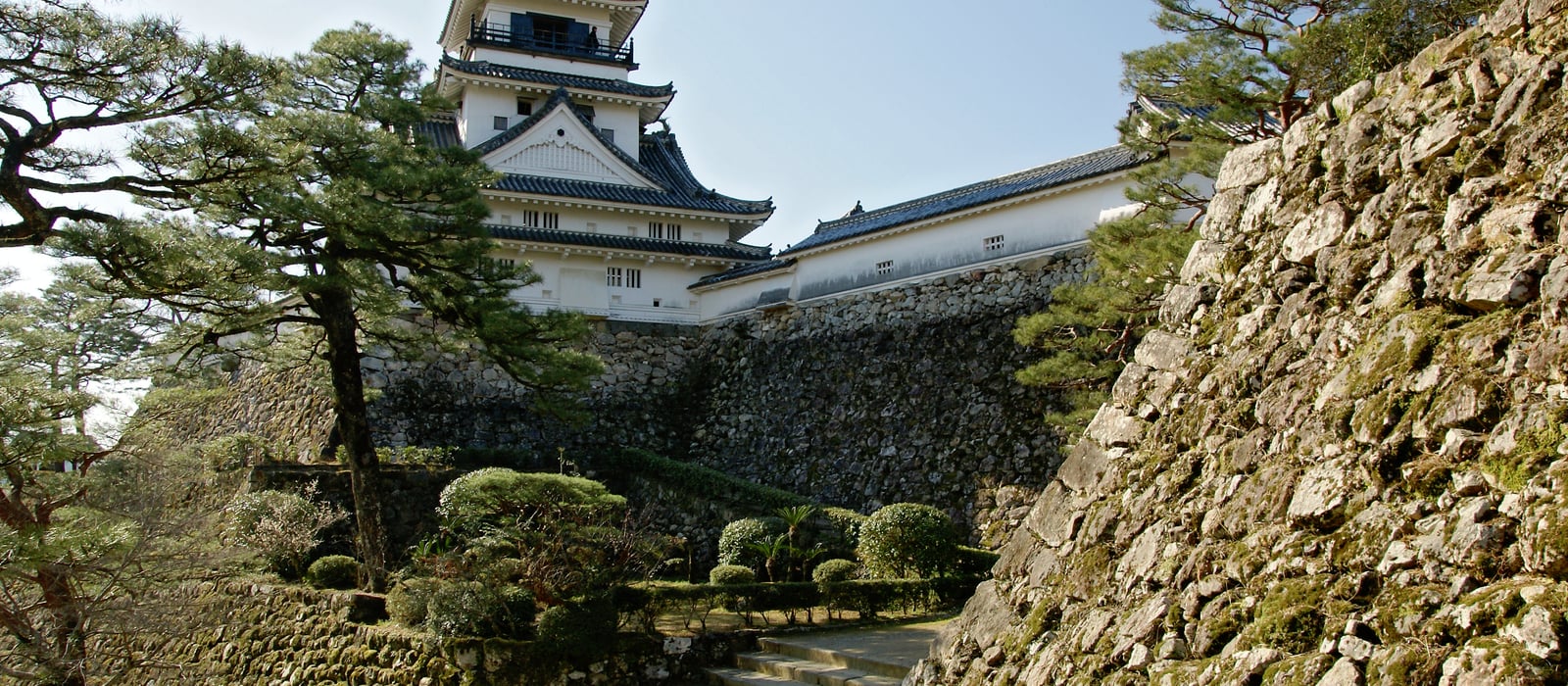
 Image: Wikimedia Commons
Kochi Prefecture
Kochi Prefecture is located in southern Shikoku and corresponds to the former Tosa Province. It stretches long from east to west along the Pacific Ocean, and clear rivers such as the Niyodo River and the Shimanto River flow through it. Its Traditional Crafts Designated by the Minister of Economy, Trade and Industry are two items: Tosa Washi (Tosa Japanese Paper), made mainly in Ino Town, and Tosa Uchihamono (Tosa Forged Blades), made mainly in Tosayamada, Kami City. Tosa Washi is known for the ultra-thin Tosa Tengujo paper, and Tosa Uchihamono uses free forging, without molds, to hammer out kitchen knives and sickles of many kinds. In Kochi City, Odo-yaki (Odo Ware), which began as a domain kiln of the Tosa domain, and Tosa Coral, which conveys the history of precious coral fishing in Japan, are carried on. Furafu (Boys' Day Banners), dyed flags flown for Boys' Day (Tango no Sekku), and Torafu-dake Bamboo Craft, which uses torafu-dake (tiger-striped bamboo) that grows only in Awa, Susaki City, are also unique to Kochi. In food, Kochi is known for Katsuo no Tataki (Seared Bonito), made by searing over a straw fire, and Sawachi Ryori (Platter Cuisine), in which dishes are arranged on large platters. Inaka-zushi (Countryside Sushi) topped with produce from the mountains, Susaki Nabeyaki Ramen, Goishicha (Go-stone Tea) from Otoyo Town, Imo Kenpi (Candied Sweet Potato Sticks) and Ice Kurin (Old-fashioned Ice) are also flavors of Kochi.
Kochi's Traditional Crafts

Tosa Washi (Tosa Japanese Paper)
Tosa Washi (Tosa Handmade Japanese Paper)
Tosa Washi is a handmade washi (Japanese paper) produced mainly in Ino Town and Tosa City, Kochi Prefecture. Blessed with the clear water of the Niyodo River basin and Tosa kozo (Tosa paper mulberry), whose long fibers intertwine easily, the area has long produced paper that is thin yet strong. It is counted among Japan's Three Great Washi alongside Echizen Washi and Mino Washi, and Tosa is named as a paper-producing area in the Engishiki, a code of procedures from the Heian period. Some 300 kinds of paper are said to be made here, including calligraphy paper, shoji paper and art paper. Among them, Tosa Tengujo paper, known as 'the wings of a mayfly', is used to restore cultural properties in Japan and abroad. From the end of the Edo period into the Meiji era, Yoshii Genta improved the tools and greatly increased production, making Kochi one of the leading paper-producing areas in Japan. In 1976 (Showa 51) it became a Traditional Craft Designated by the Minister of Economy, Trade and Industry. Visitors can try papermaking at いの町紙の博物館 (Ino-cho Paper Museum) and at the roadside station (michi-no-eki) 道の駅 土佐和紙工芸村くらうど.
Tosa Uchihamono (Tosa Forged Blades)
Tosa Uchihamono (Tosa Hand-Forged Blades)
Tosa Uchihamono are blades made mainly in Tosayamada-cho, Kami City, Kochi Prefecture, and across the eastern and central parts of the prefecture, including Nankoku City, Tosa City, Ino Town and Susaki City. Besides kitchen knives, the area has produced many tools for use in forests and fields, such as sickles, hatchets (nata), axes and hoes. Its greatest feature is the method known as 'free forging' (jiyu tanzo). Without using molds, craftspeople hammer red-hot steel and iron to draw them out, shaping each blade one by one to suit its use and the order. This allows them to meet orders for small quantities of many different products, and the blades are known not only for their sharpness but also for their durability and ease of maintenance. The Chosokabe Chikencho (Chosokabe land survey register) of 1590 (Tensho 18) records 399 blacksmiths, and the craft is said to have a history of more than 400 years. In 1998 (Heisei 10) it became a Traditional Craft Designated by the Minister of Economy, Trade and Industry. Visitors can browse blades at 協同組合土佐刃物流通センター (Tosa Hamono Distribution Center) in Kami City, and there are also workshops in Susaki City and Shimanto City where you can try blacksmithing.
Tosa Kodai-nuri (Tosa Lacquerware)
Tosa Kodai-nuri (Tosa Lacquerware with Walnut-Shell Texture)
Tosa Kodai-nuri is a lacquerware handed down in Kochi Prefecture. Its greatest feature is the 'zaraji' pattern, a finely textured surface created by sprinkling powdered walnut shells onto a wooden base thickly coated with lacquer. It looks glossy yet subdued, and because the zaraji makes fingerprints and scratches less noticeable, it is said to be easier to care for than other lacquerware. It began in the early Meiji era and is said to have been brought by the lacquerer (nushi) Taneda Hosui, a native of Choshu (present-day Yamaguchi Prefecture), who moved to Sakawa in western Tosa. The technique was established through improvements by his disciples, but after World War II it declined as plastic products took over. In 1973 (Showa 48), 池田八郎 learned the technique, named it 'Tosa Kodai-nuri' and carried it on. Today, 美禄堂 (Birokudo), a workshop in Nagahama, Kochi City, run by his son 池田泰一, is introduced as its sole successor. Each piece goes through 32 processes in all and takes more than 30 days to complete. Trays, jubako (tiered boxes), soup bowls, chopsticks and other items are made, and they can be purchased at shops in Kochi City or online.
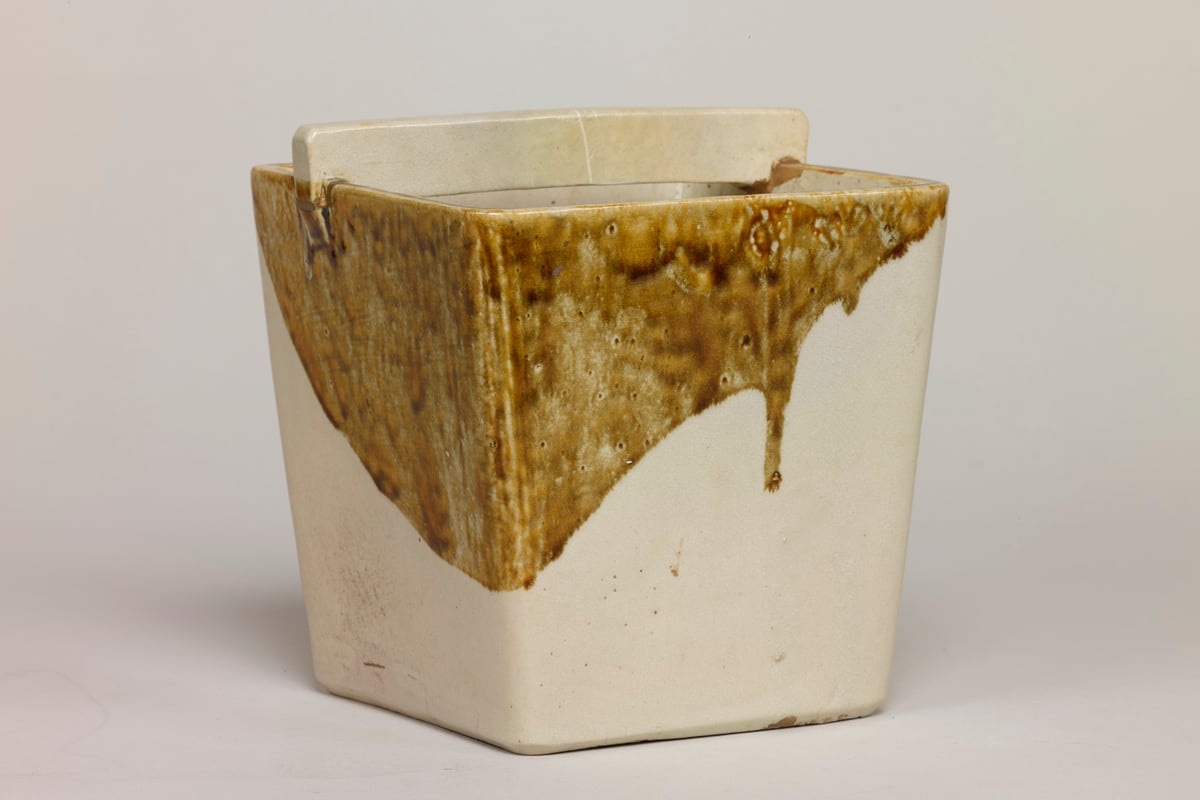
Odo-yaki (Odo Ware)
Odo-yaki (Odo Ware of Kochi)
Odo-yaki is pottery made in Kochi City. It began in 1653 (Joo 2) as a domain kiln of the Tosa domain, and takes its name from the fact that the kiln was opened at Odo (present-day Ozu-machi), north of Kochi Castle. Many pieces are neat and thinly made, and a characteristic feature is designs such as pine, bamboo and plum (shochikubai), clouds and cranes, and seasonal flowers and plants, painted on a pale clay body with an indigo pigment called gosu (cobalt pigment). In the Edo period it was made mainly as tea ceremony utensils, was also used as gifts to the shogun's family and other daimyo, and became known as the kuniyaki (provincial ware) of Tosa. In 1820 (Bunsei 3) the kiln moved to Nosayama, and when the domain kiln was abolished in the Meiji era, its techniques were passed on to private kilns. Today two kilns in Kamobe, Kochi City, 谷製陶所 and 土居窯, preserve the tradition. Sake vessels befitting Kochi, a land known for its sake, are also popular, such as the bekuhai, a cup with a pointed bottom that cannot be set down until it is emptied, and the funadokkuri (boat sake flask), whose flat bottom makes it hard to tip over.
Uchiharano-yaki (Uchiharano Ware)
Uchiharano-yaki (Uchiharano Pottery of Aki)
Uchiharano-yaki is pottery made in Uchiharano, Aki City, in eastern Kochi Prefecture. It is said to have begun around 1829 (Bunsei 12). Goto Kazue, the lord of Aki Castle, took note of the area's high-quality clay and invited potters from Kyoto so that local people could learn pottery making. It is characterized by a warm, rustic feel created by glazes made from wood ash and straw ash. At first, production centered on everyday tools such as water jars, suribachi (mortars) and tokkuri (sake flasks). Demand declined from the early Showa era onward and the craft fell into decline, but in the Showa 40s, Nagasaki Taro, a native of Aki City, brought in graduates of an art university in Kyoto, and the revival moved forward. Today, in addition to plates, tea utensils and sake vessels, highly artistic works are also made. Aki City is said to have four kilns, including 陽和工房 and 原峰窯. At 内原野陶芸館, visitors can try tebineri (hand-building) and painting. It has also been selected as one of Kochi City's 'Tosa Handmade Crafts' (Tosa no Tezukuri Kogeihin).
Tosa Inkstone
Tosa Suzuri (Tosa Inkstone of Mihara Village)
Tosa Inkstones (Tosa suzuri) are inkstones made in Mihara Village, Hata District, in southwestern Kochi Prefecture. The raw stone is a bluish-black black slate called Mihara stone (Mihara-ishi), characterized by its fine, even grain. Among calligraphers, it is valued as an inkstone on which ink grinds down smoothly and shows a beautiful color. It is said that in the Muromachi period, the court noble Ichijo Norifusa, who came down from Kyoto to Tosa to escape the Onin War, found a fine inkstone stone and used it with fondness. Afterwards, the source of the stone was lost, and it came to be regarded as a 'phantom inkstone stone.' In 1966 (Showa 41), the calligrapher 新谷健吉 rediscovered the stone, and production began. Today, 三原硯石加工生産組合 (Mihara Inkstone Processing and Production Cooperative) in the village handles production. In 1986 it was registered as a trademark under the name 'Meiseki Tosa Tankei Tosa Suzuri' (Famous Stone: Tosa Tankei, Tosa Inkstone), and it is now a traditional specialty product of Kochi Prefecture.
Tosa Coral
Tosa Sango (Tosa Precious Coral Craft)
Tosa Coral refers to the precious coral harvested off the coast of Kochi Prefecture, as well as the jewelry and carvings made by polishing and carving it. Precious coral is a living organism that grows in deep waters more than 100 m below the surface, and its skeleton takes on a beautiful luster when polished. The three main types harvested in Japan are red coral (aka-sango), pale pink coral (momoiro-sango) and white coral (shiro-sango). Deep red coral in particular is called 'chiaka' (blood-red) coral, and its rarity value is said to have risen in recent years. The oldest record of coral being landed in the waters around Japan is of fishermen from Muroto in Tosa pulling up coral in 1812 (Bunka 9). Full-scale coral fishing began in the Meiji era, and Kochi is known as the birthplace of coral fishing in Japan. In places such as Kochi City and Sukumo City, coral is processed and sold, and is made into necklaces, earrings, netsuke (small carved toggles), juzu (prayer beads), mamori-honzon (guardian Buddhist deities) and more.
Furafu (Boys' Day Banners)
Furafu (Hand-Dyed Boys' Day Banners of Kochi)
Furafu are large hand-painted, dyed banners flown alongside koinobori (carp streamers) in Kochi Prefecture for Boys' Day (Tango no Sekku). When a boy is born, his parents and relatives order a Furafu bearing the family crest and the child's name and present it as a wish for his healthy growth. They are characterized by bold designs painted in vivid colors on cotton cloth, such as Kintaro, Momotaro, warriors, dragons and tigers, and the large ones can exceed 5 m in width. The name is said to be a corruption of the Dutch word for flag, and Furafu are also said to have been inspired by tairyo-bata (big-catch flags). The custom is seen mainly in areas east of Kochi City. Tosayamada, Kami City, the main production area, is said to have had more than ten koya (dye houses) at its peak. Today, 三谷染工場 in Tosayamada and 吉川染物店 in Konan City still dye each banner by hand, one at a time. In recent years Furafu have also become popular as flags waved in Yosakoi dancing and as tapestries for indoor display.
Tosa-dako (Tosa Kites)
Tosa-dako (Tosa Washi Kites)
Tosa-dako are kites from Kochi Prefecture made with Tosa Washi (Tosa Japanese Paper) pasted on. They have a diamond shape called 'tsunodate,' a square with one corner pointing upward, and are also known as 'Furoshiki Ika.' Based on black and on red, a color believed to ward off evil, they are vividly painted with family crests, auspicious characters, warriors, Otafuku (a cheerful round-faced woman), the animals of the zodiac and more. They have no tails, and are distinguished by having only two itome (bridle lines connecting the face of the kite to the flying line), running along the center line. Because this resembles the Hata kites of Nagasaki and other Kyushu kites, Tosa-dako are sometimes classified as southern-type kites. Today, 吉川染物店 in Kagami Town, Konan City, is said to be the only maker of Tosa-dako in the prefecture. The fifth-generation head, 吉川毅, makes each kite by hand to order, alongside dyed goods such as Furafu.
Torafu-dake Bamboo Craft
Torafu-dake Zaiku (Tiger-Patterned Bamboo Craft of Susaki)
Torafu-dake Bamboo Craft is bamboo work made from torafu-dake (tiger-striped bamboo), which grows only in the mountains of Awa, Susaki City, Kochi Prefecture. Torafu-dake is a relative of hachiku bamboo, and brown patterns resembling a tiger's fur appear on its surface. The Kochi-born botanist Makino Tomitaro is said to have named it 'Tosa torafu-dake,' and it is said that the pattern did not appear when the bamboo was transplanted elsewhere. Theories about why the pattern forms include the action of a parasitic fungus or of sea breezes, but it has still not been scientifically explained. 竹虎 (株式会社山岸竹材店), founded in 1894 (Meiji 27), was quick to begin making products from this bamboo. A wide range of items are made, including bento boxes, flower baskets, chopsticks, zori sandals and geta clogs. At the head office in Awa, products can be purchased at the shop next to the factory.
Kochi's Local Food
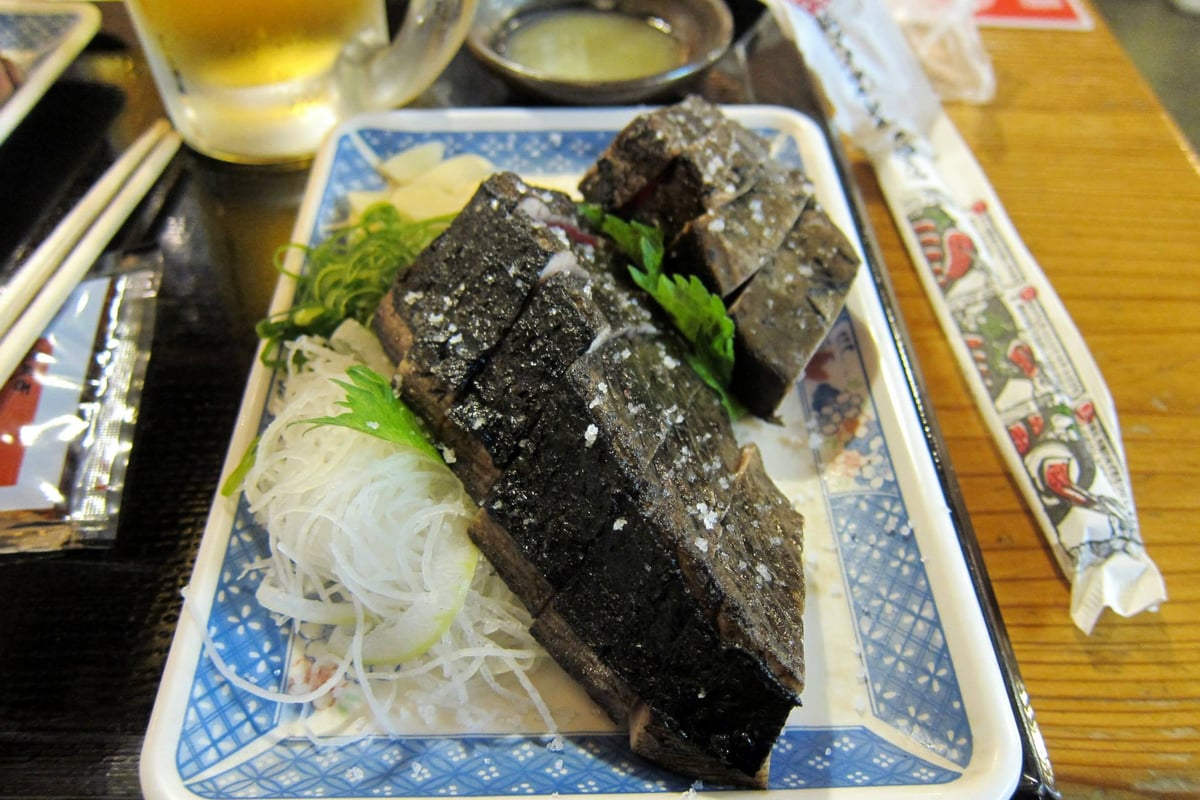
Katsuo no Tataki (Seared Bonito)
Katsuo no Tataki (Seared Bonito of Kochi)
Katsuo no Tataki is a representative local dish of Kochi Prefecture. Only the surface of a loin block (fushi) of bonito, taken from a fish filleted into three pieces, is seared over a strong flame; it is then cut into thick slices and eaten with condiments such as garlic and green onion. The name 'tataki' (patting) is said to come from the action of sprinkling salt or sauce over the seared and sliced fish and patting it to let the flavor soak in. In Kochi, searing over a straw fire, which cooks the fish in one go over the flames of burning straw, is a specialty, and its toasty, savory aroma is its hallmark. The sauce is usually a mixture of soy sauce and vinegar, but shio-tataki (salt-seasoned tataki), eaten with salt instead of sauce, is also popular. There are several theories about its origin, including that fishermen made it on board their boats and that it came about because the Tosa domain banned eating fish raw. In 1988 (Showa 63), Kochi Prefecture designated the bonito as its prefectural fish, and in fiscal 2021 the dish was also certified as a '100-Year Food' by the Agency for Cultural Affairs. At places such as Hirome Market in Kochi City and Kure, Nakatosa Town, you can taste tataki freshly seared over straw.
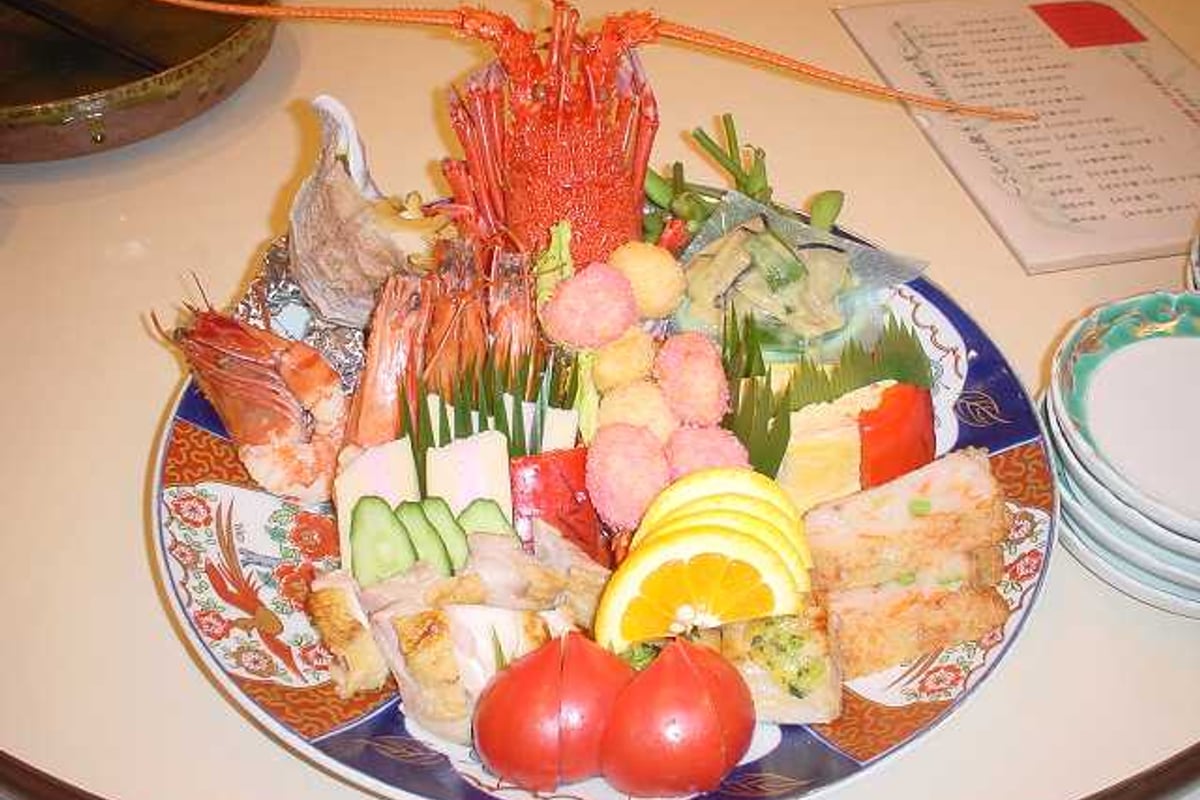
Sawachi Ryori (Platter Cuisine)
Sawachi Ryori (Kochi Banquet Platters)
Sawachi Ryori is a large-platter cuisine served at banquets in Kochi Prefecture. Rather than the name of a specific dish, it refers to a style of arranging delicacies from the mountains, rivers and sea on a large platter about 36 to 39 cm in diameter. The basic set consists of nama, a platter of sashimi and Katsuo no Tataki; sushi, a platter lined with sushi; and kumimono, an assortment of simmered dishes, fried foods, sweets, fruit and more. In Kochi, a banquet to which guests are invited is called okyaku, and Sawachi Ryori is its centerpiece. It is a relaxed cuisine without strict rules, in which many people gather around the large platters and take whatever they like, as much as they like, onto small plates. In the Edo period it was served at samurai banquets, and from the Meiji period onward it spread among the people of the prefecture. In fiscal 2021 it was certified as a '100-Year Food' by the Agency for Cultural Affairs. At restaurants in Kochi City, you can also order sawachi platters for small groups.
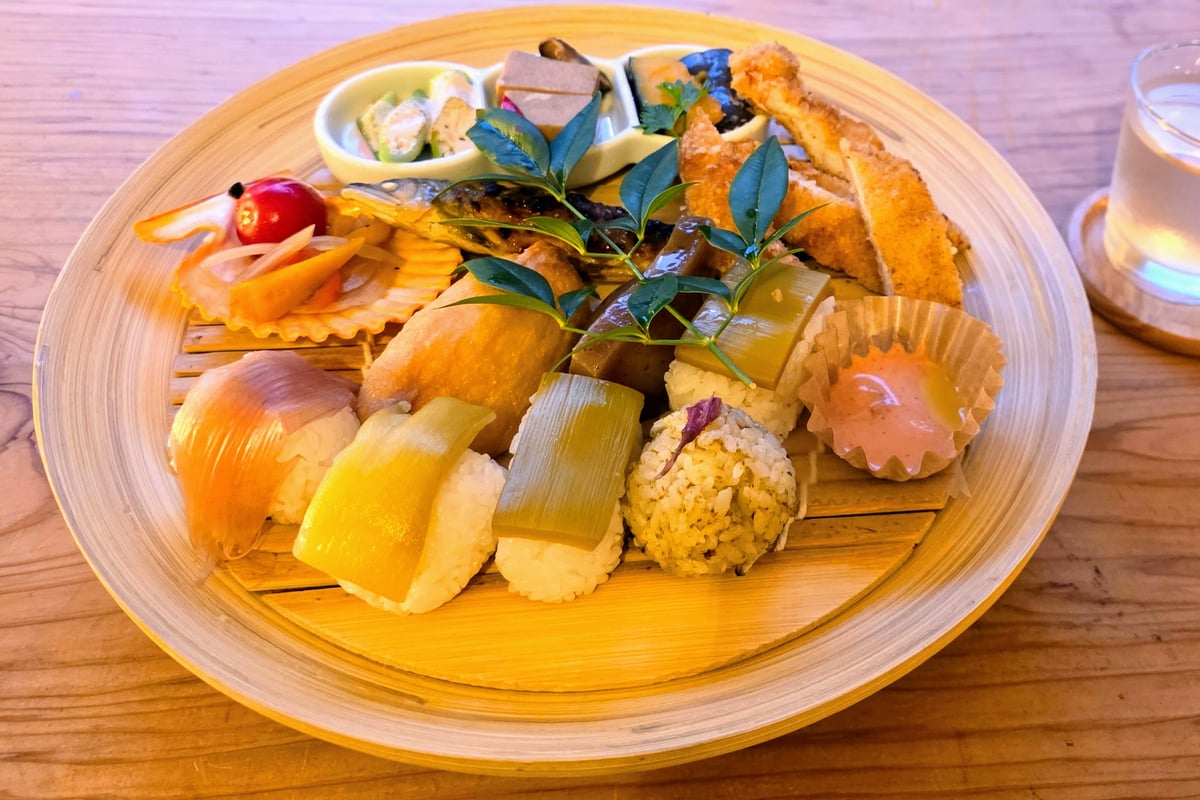
Inaka-zushi (Countryside Sushi)
Inaka-zushi (Kochi Countryside Vegetable Sushi)
Inaka-zushi is a type of sushi topped with vegetables and wild mountain plants, handed down in the mountainous areas of Kochi Prefecture. The vinegared rice is mixed with yuzu vinegar made from the juice of yuzu, a Kochi specialty, along with minced ginger and toasted sesame seeds, giving it a refreshing aroma. Toppings include myoga ginger and ryukyu (hasuimo stalks) pickled in sweet vinegar, sweetly simmered shiitake mushrooms, bamboo shoots and konnyaku. The konnyaku is stuffed with vinegared rice through a slit, like inari-zushi. It is said to have been created in mountain villages where seafood was hard to obtain, as a special dish made with the familiar bounty of the mountains. Because it uses no seafood, meat or eggs, it has recently been attracting attention as a dish for vegetarians. It is an essential item in the Sawachi Ryori (Platter Cuisine) served at okyaku banquets, and it can be bought at the Sunday Market (Nichiyoichi) in Kochi City, at farmers' direct-sale shops around the prefecture, at supermarkets and elsewhere.
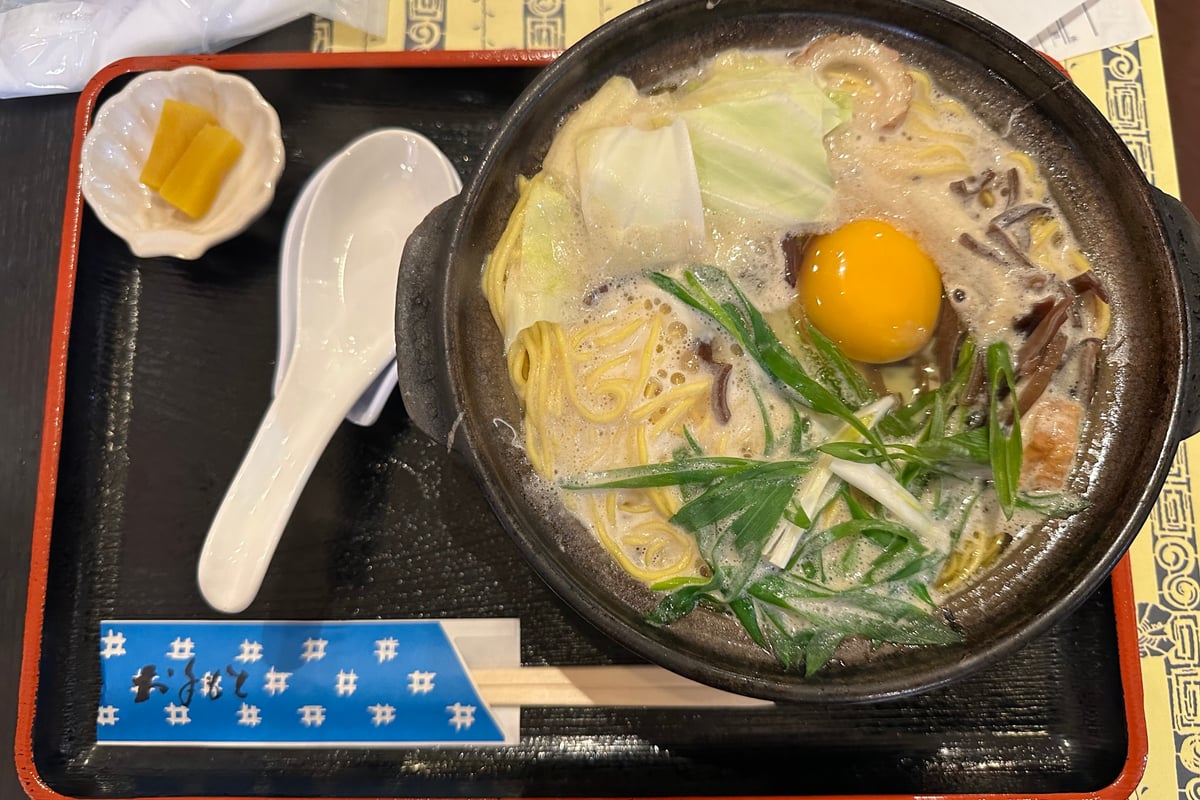
Susaki Nabeyaki Ramen
Susaki Nabeyaki Ramen (Clay-Pot Ramen of Susaki)
Susaki Nabeyaki Ramen is a local ramen born in Susaki City, Kochi Prefecture. It is brought to the table in its clay pot, still bubbling at a boil. The soup is soy sauce-flavored and made from the bones of oyadori (mature hens), and the noodles are thin, straight noodles boiled slightly firm. The toppings are a simple combination of oyadori meat, green onion, chikuwa (tube-shaped fish cake) and a raw egg, and takuan (pickled daikon radish) is served on the side. It is said to have originated at 谷口食堂 (Taniguchi Shokudo), which opened in Susaki City shortly after the war. It reportedly began when ramen for delivery was put into enamel pots so it would not get cold, and these were eventually replaced by clay pots. As of the end of March 2011, just over 40 shops in Susaki City were said to serve nabeyaki ramen. Many people add rice at the end to make zosui (rice porridge), and some use the lid of the clay pot as a small plate while eating.
Shuto (Salted Fermented Bonito Innards)
Shuto (Fermented Bonito Innards of Tosa)
Shuto is a delicacy of Kochi Prefecture made by salting bonito innards and letting them ferment and mature. Mainly the stomach and intestines are used; they are washed thoroughly, packed in salt and matured for anywhere from six months to more than a year. It is characterized by strong saltiness and the deep savory flavor that comes from fermentation. The name (written with the characters for 'sake' and 'steal') is said to come from the idea that it is so delicious it makes you want to drink sake even if you have to steal it, and a story has been handed down that it was named by Yamauchi Toyosuke, the 12th lord of the Tosa domain. It is estimated to have first been made around the Enpo era (1673–1681), when the method of making katsuobushi (dried bonito) was improved, and it is said to have a history of at least 300 years. Besides being enjoyed as a snack with sake and as an accompaniment to rice, its uses are expanding, such as pairing it with cream cheese or using it as a secret ingredient in pasta and stir-fries. In recent years, 'amakuchi' (mild) products, in which the saltiness is softened with sake, mirin and other ingredients, have also been made.
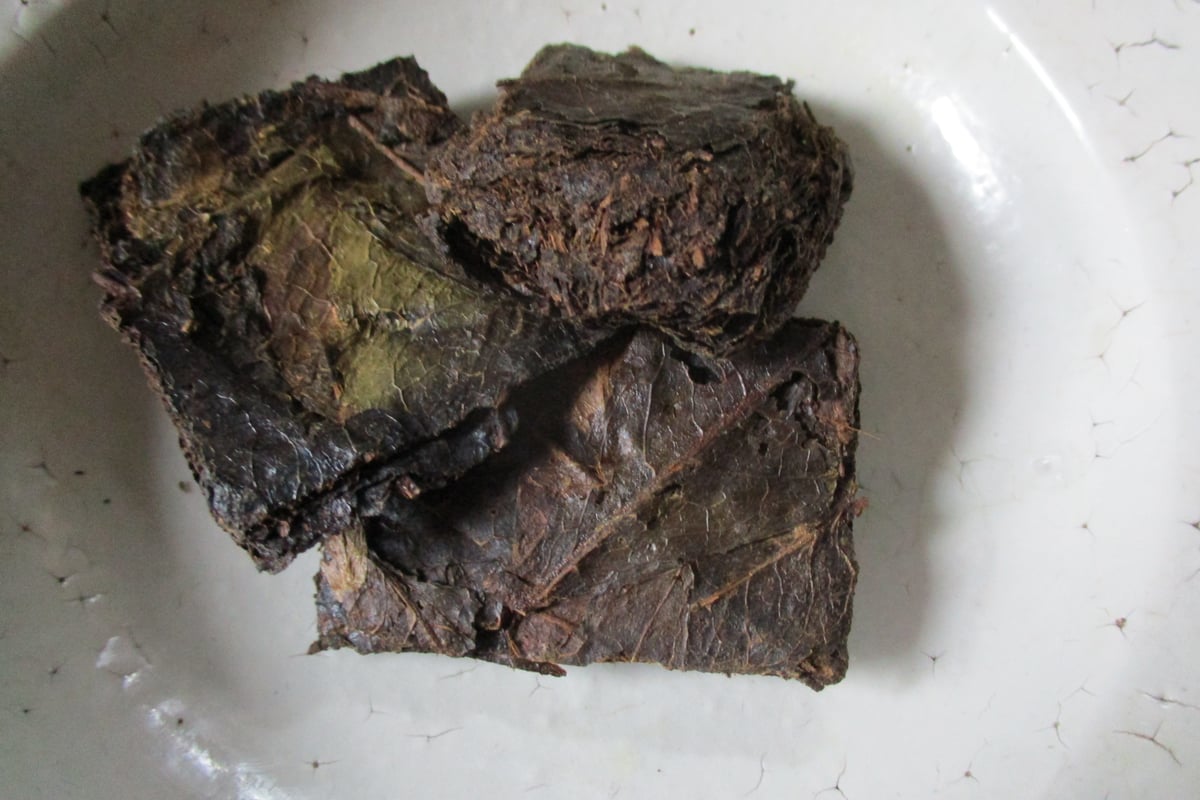
Goishicha (Go-stone Tea)
Goishicha (Double-Fermented Tea of Otoyo)
Goishicha is a post-fermented tea made in Otoyo Town, Nagaoka District, Kochi Prefecture. Post-fermented tea is tea whose leaves are fermented by the action of microorganisms after being heated. Goishicha is made through two stages of fermentation: one in which mold is allowed to grow on steamed tea leaves, and lactic acid fermentation in which the leaves are packed into tubs. The name is said to come from the way the fermented leaves, cut into squares and laid out to dry in the sun, look like rows of black go stones. It is characterized by a refreshing sourness from lactic acid fermentation. In the Edo period, it was shipped to places such as the Shiwaku Islands in the Seto Inland Sea, where it was used to make chagayu (tea rice porridge). Around 1975 (Showa 50), the number of producing farms dropped to just one, but production was later revived. In March 2026 (Reiwa 8), the 'Production Techniques of Goishicha in Otoyo' were designated a national Important Intangible Folk Cultural Property. It can be purchased at places in the town such as the roadside station 道の駅大杉 (Osugi).
Tosa Akaushi (Tosa Red Wagyu)
Tosa Akaushi (Kochi Japanese Brown Wagyu Beef)
Tosa Akaushi is the brand name for cattle of the Kochi strain of the Japanese Brown breed (Akage Washu) that are born and raised in Kochi Prefecture, as well as for their beef. Japanese Brown is one of the four wagyu breeds, and the Kochi strain has been improved only within Kochi Prefecture. Its distinctive appearance comes from the 'kewake' markings: a reddish-brown coat with black around the eyes, on the tip of the nose, and on the hooves. The beef is described as having a rich, savory lean-meat flavor, a moderate amount of fine marbling (sashi), and light, clean-tasting fat. Its roots are said to lie in cattle from the Korean Peninsula that were introduced as draft cattle in the Meiji era, and from the late Showa 30s (early 1960s) the breed was improved for beef. Pushed aside by Japanese Black cattle in a market that prized marbling, the population fell to 1,595 head in 2014 (Heisei 26). Since then, branding efforts have turned the numbers back upward. Because so little of it is distributed, it is also called 'phantom wagyu,' and restaurants in Kochi City serve it seared over a straw fire, as sukiyaki, and in other dishes.
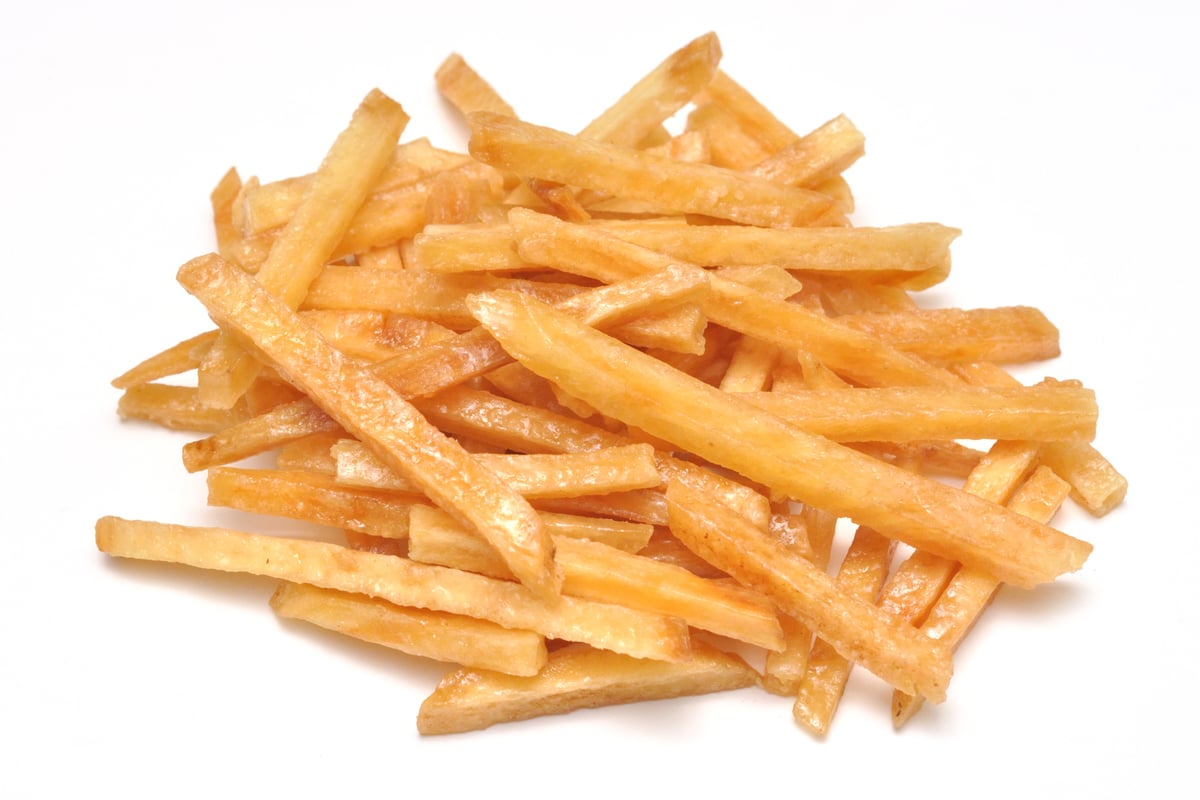
Imo Kenpi (Candied Sweet Potato Sticks)
Imo Kenpi (Candied Sweet Potato Sticks of Kochi)
Imo Kenpi is a traditional confection of Kochi Prefecture made by deep-frying thin sticks of sweet potato and coating them in sugar syrup. It is characterized by a crunchy texture and the simple sweetness of sweet potato. Kochi has a wheat-flour confection called 'kenpi,' said to date back to the Heian period, and because of the similar shape, the sweet potato version is said to have come to be called 'imo kenpi' (imo meaning potato). After sweet potatoes arrived from Satsuma in the mid-Edo period, they were widely grown because they withstood typhoons and suited Tosa's climate. The confection of fried potatoes sprinkled with sugar, which was expensive at the time, is said to have been a treat for celebrations. Many shops in Kochi Prefecture make imo kenpi, and it is easy to buy at roadside stations (michi-no-eki) and supermarkets. 澁谷食品 (Shibuya Shokuhin), headquartered in Hidaka Village, is said to account for about half of Japan's imo kenpi market. With a growing range of flavors such as shio-kenpi (salted kenpi) and sesame, it has become a souvenir confection that represents the prefecture.
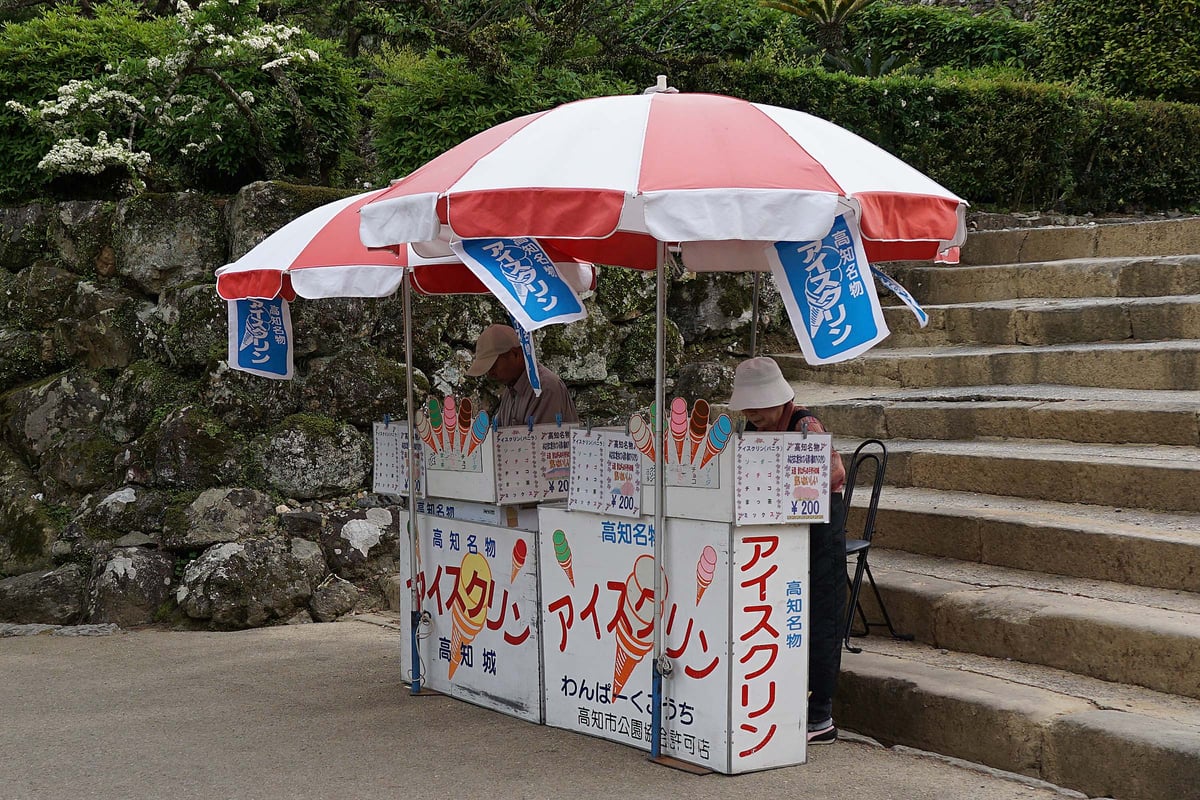
Ice Kurin (Old-fashioned Ice)
Ice Kurin (Old-Fashioned Ice Confection of Kochi)
Ice Kurin is a simple frozen treat that has long been loved in Kochi Prefecture. It is made from ingredients such as sugar, eggs, skim milk powder, and banana flavoring, and because its milkfat content is low, it is classified not as ice cream but as an ice confection (hyoka). Its slightly icy, crunchy texture is sometimes described as halfway between ice cream and sherbet. With its light, clean aftertaste, it is a good match for Kochi's hot and humid summers. It is said to have begun in 1869 (Meiji 2), when it was sold under the name 'aisukurin' in Bashamichi, Yokohama, and it was once eaten throughout Japan. After the war, as ice cream with more milkfat became mainstream, it disappeared from many regions, but in Kochi the style of selling it under parasols along the roadside took root, and it remains a seasonal summer sight today. Besides being seen at tourist spots such as Katsurahama, it can be enjoyed at specialty shops in Kochi City and as cup products from manufacturers in the prefecture.
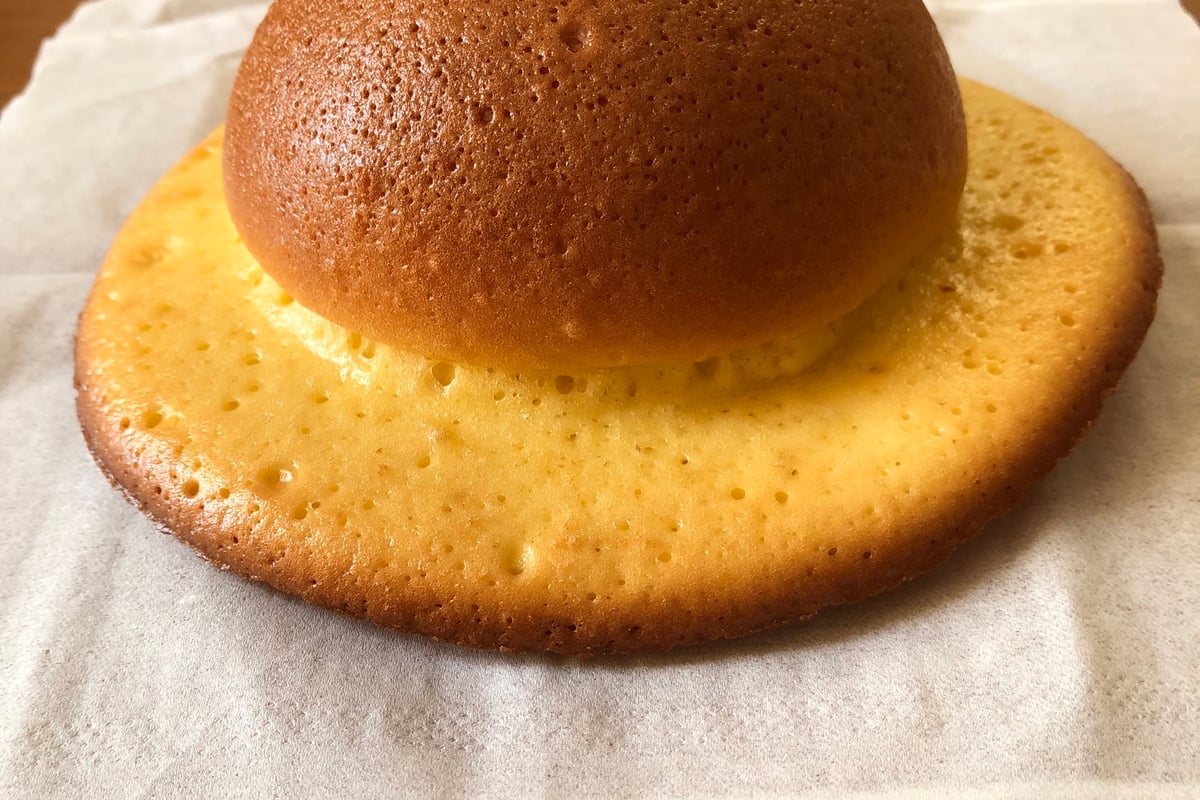
Boushi Pan (Hat Bread)
Boushi Pan (Hat-Shaped Castella-Topped Bread of Kochi)
Boushi Pan is a local bread beloved in Kochi Prefecture. It is made by pouring castella batter over a round bread dough and baking it, and it gets its name because the batter that spreads out around the bun bakes into a shape like the brim of a hat (boushi). The center is fluffy and soft, while the brim is castella batter baked sweet and toasty. It is said to have been born around 1955 (Showa 30) at 永野旭堂本店 (Nagano Kyokudo Honten) in Kochi City. According to the story, it came about when the topping dough was forgotten partway through making melon pan. It was originally sold under the name 'castella pan,' but because of its shape, customers began calling it 'boushi pan.' Today, many bakeries in the prefecture make it, and there are also versions filled with cream, large sizes, and products made only of the brim. At リンベル, the shop run directly by 永野旭堂本店, the standard size is listed at 135 yen each.
Model Course
Buy Inaka-zushi at the Sunday Market, eat shio-tataki at Hirome Market, look for coral and Odo-yaki around Harimaya Bridge, and gather around Sawachi Ryori at night
On Sunday morning, head to the Sunday Market (Nichiyoichi), which stretches about 1 km east from the Otemon Gate of Kochi Castle. Among its roughly 300 stalls are stands selling Inaka-zushi, and popular ones sell out early. At Kochi Castle, you may also be able to buy Ice Kurin from parasol-covered stalls. For lunch, try a rice bowl of shio-tataki (salt-seasoned tataki) seared over a straw fire (about 1,000 yen) at 明神丸 in Hirome Market. At 黒潮物産 in the same market, you can also buy Imo Kenpi. In the afternoon, head to Harimaya Bridge. さんごの清岡屋 is reported to offer coral phone straps from 200 yen, and はりま家本店 carries Odo-yaki made by 谷製陶所. In the evening, enjoy Sawachi Ryori at 得月楼 or 土佐料理 司 高知本店. Many restaurants require a reservation or confirmation of the number of diners for Sawachi Ryori, so please contact them in advance.
Make Tosa Washi by hand in Ino Town along the Niyodo River, and buy freshly fried Imo Kenpi in Hidaka Village
At いの町紙の博物館, about a 10-minute walk from JR Ino Station (500 yen for adults; closed on Mondays), learn about the history and production process of Tosa Washi. The papermaking experience is reported to cost 400 yen for two sheets of shikishi (square decorative paper boards) or eight postcards. At the roadside station 道の駅 土佐和紙工芸村くらうど, further up the Niyodo River, you can watch artisans demonstrate hand papermaking (closed on Wednesdays). On the way back, stop by the 高知アイス shop in Yanase, Ino Town, for Ice Kurin. At 芋屋金次郎 日高本店 in Hidaka Village, you can buy freshly fried Imo Kenpi.
Experience Tosa Uchihamono and Furafu in Kami City, stop by a dye works in Konan City, and paint Uchiharano-yaki in Aki City
At 協同組合土佐刃物流通センター (Tosayamada, Kami City), about a 4-minute drive from Nankoku IC, you can hold artisans' kitchen knives and sickles in your hands as you choose. Opening hours are reported to be 8:30–17:00 on weekdays and 10:00–16:00 on weekends and holidays. At まるさん三谷染工場, also in Tosayamada, tours of Furafu-making and dyeing experiences are available (reserve by phone at least one week in advance; tours may not be accepted from January to May). In Kagami Town, Konan City, there is 吉川染物店, which makes Furafu and Tosa-dako (Tosa Kites). In the afternoon, head to 内原野陶芸館 in Aki City. Painting experiences start from 1,000 yen and hand-building from 2,500 yen, and it is closed on Wednesdays.
Weekday course: try searing bonito over a straw fire in Kure, then enjoy Torafu-dake Bamboo Craft and Nabeyaki Ramen in Susaki
At 黒潮工房 in Kure, Nakatosa Town, you can try making Katsuo no Tataki by searing it over a straw fire (reservation required). The beginner course is reported to start from 800 yen (with bonito from 3,000 yen per fillet). At 田中鮮魚店 in Kure Taisho-machi Market, you can also enjoy Kure-don (about 1,250 yen), a rice bowl for which you choose your favorite toppings. Then move on to Awa, Susaki City, and look at torafu-dake bento boxes and baskets at the head office shop of 竹虎. It is open on weekdays only (9:00–17:30). In the evening, have Nabeyaki Ramen in central Susaki. Restaurants that serve it in earthenware pots, such as 橋本食堂 and まゆみの店, are scattered around the city.
Events
Yosakoi Festival
Every year, August 9–12 (the 73rd festival in 2026) / Otesuji, Obiyamachi and other sites throughout Kochi City
Kure Taisho-machi Market Bonito Festival (Katsuo Matsuri)
Every May (in 2026, May 15–17, including the third Sunday, May 17) / Kure Taisho-machi Market and other sites, Nakatosa Town, Takaoka District
Sunday Market (Nichiyoichi)
Every Sunday / Otesuji, Kochi City