 Image: Wikimedia Commons
Hiroshima Prefecture
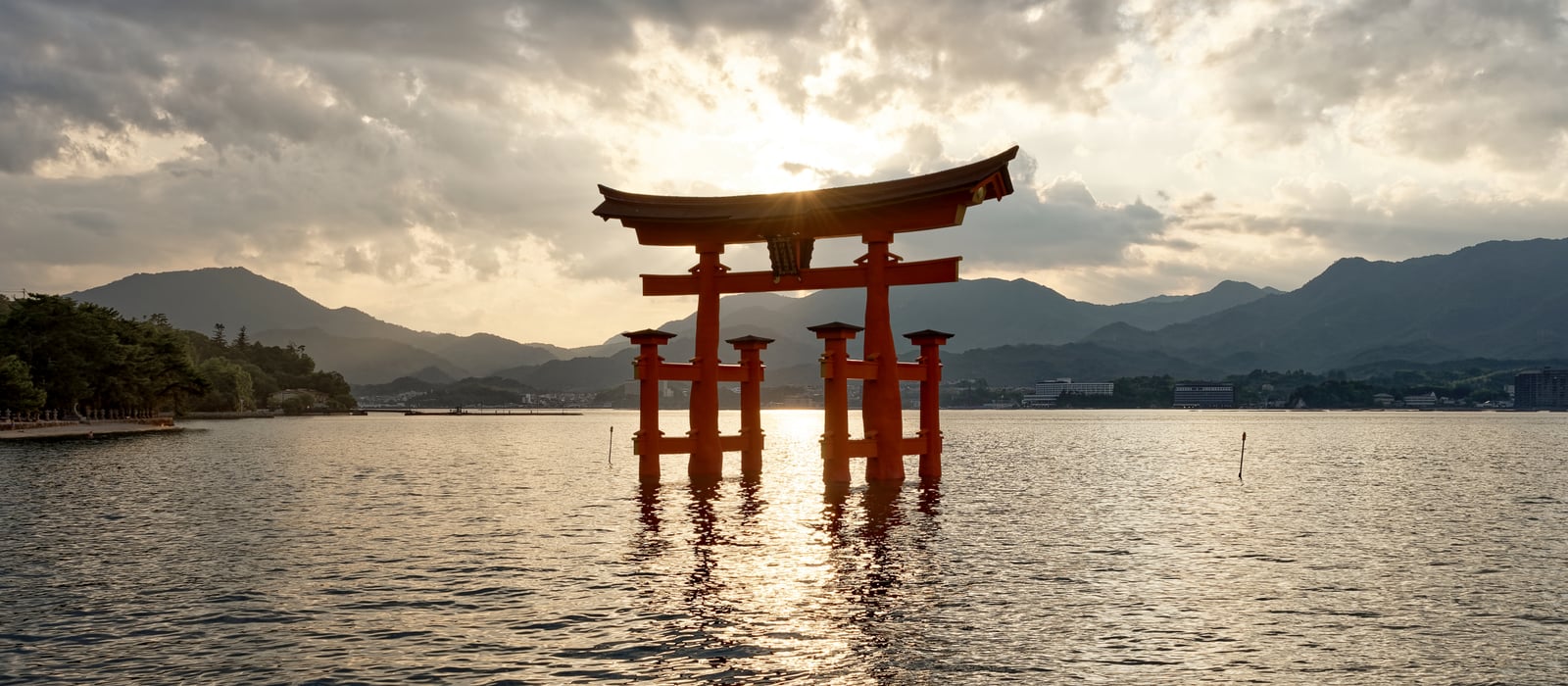
Hiroshima Prefecture lies in the center of the Chugoku region, facing the Seto Inland Sea. It is made up of two former provinces, Aki in the west and Bingo in the east, and from the port towns of the coast to the basins of the Chugoku Mountains, each area has passed down its own handicrafts and food culture. The Traditional Crafts designated by the Minister of Economy, Trade and Industry are five items: Kumano-fude, Kawajiri-fude, Fukuyama-koto, Miyajima-zaiku and Hiroshima Butsudan. Kumano-fude became the first in the prefecture to be designated, in 1975, and is known for makeup brushes as well as calligraphy brushes. Fukuyama-koto was designated in 1985, the first musical instrument to be designated. The prefecture also designates its own Traditional Crafts, including Bingo Gasuri, Dochu, Miyajima-yaki, Miyoshi Ningyo and Ikkokusai Takamorie. In food, Hiroshima is known nationwide for its oysters, which account for 50 to 60 percent of national production, and for Hiroshima-style okonomiyaki, made by layering ingredients with soba or udon noodles. On Miyajima, home of the World Heritage Site Itsukushima Shrine, and in Miyajimaguchi on the opposite shore, long-established shops for anago meshi and momiji manju gather. Each area has its own flavors as well, such as Onomichi ramen, gansu from Kure, uzumi from Fukuyama, wani (shark) dishes from Miyoshi, and shirunashi tantanmen (soupless dandan noodles), born in Hiroshima City.
Hiroshima's Traditional Crafts
Kumano-fude (Kumano Brushes)
Kumano-fude (Kumano Brushes)
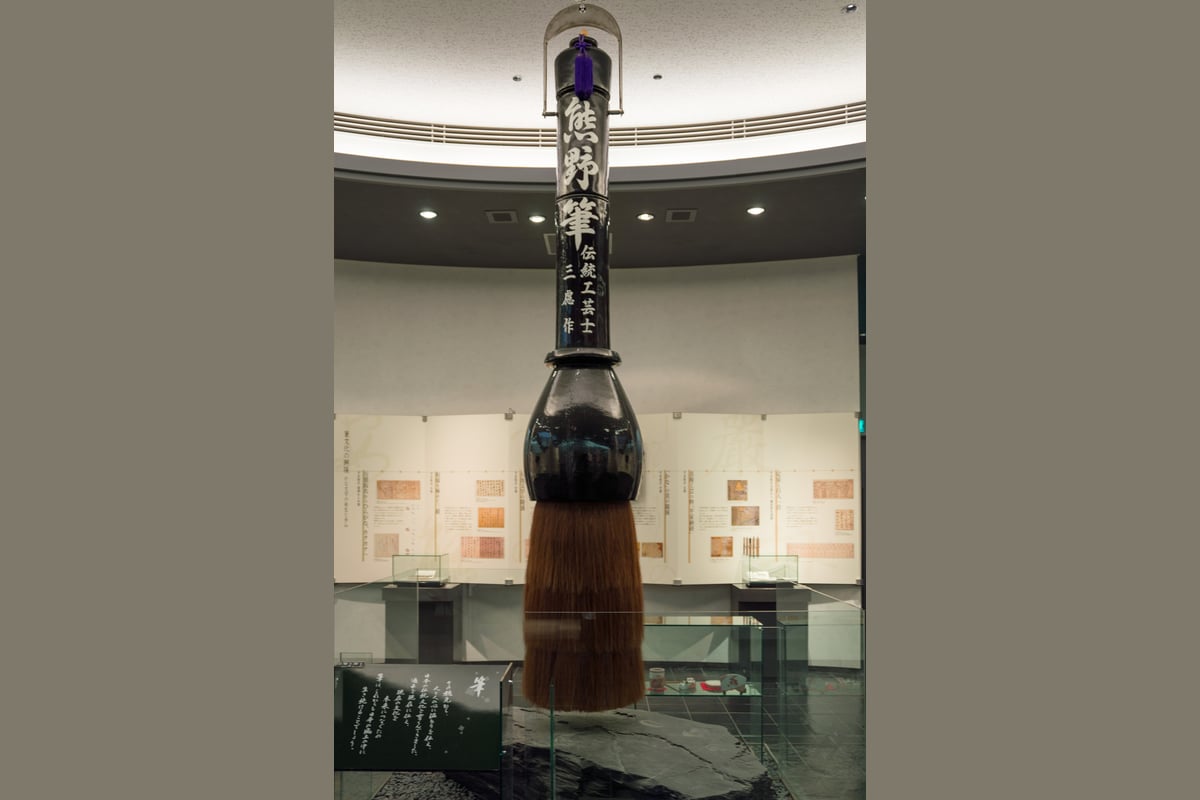
Kumano-fude is a general term for the brushes made in Kumano Town, Aki District, Hiroshima Prefecture. In addition to writing brushes used for calligraphy (shohitsu), a wide range of brushes is made, from painting brushes for Nihonga (Japanese-style painting) and watercolor to makeup brushes and hake (flat brushes). Brush making in Kumano Town began in the late Edo period. In 1975 (Showa 50), Kumano-fude became the first craft in the prefecture to be designated a Traditional Craft by the Minister of Economy, Trade and Industry (a national Traditional Craft). About 2,000 people, roughly 10 percent of the town's population, are said to work in brush-related jobs, and the town is called 'the Capital of Brushes' (Fude no Miyako). According to the Kumano Brush Cooperative (熊野筆事業協同組合), its members' production in fiscal 2022 (Reiwa 4) amounted to about 24 million brushes, worth about 9.6 billion yen. Makeup brushes, which spread after World War II, account for the largest share, and they are also used by cosmetics makers in Japan and abroad. The town has a brush museum, Fude no Sato Kobo (筆の里工房), where visitors can watch demonstrations by certified traditional craftspeople and try making a brush.
Kawajiri-fude (Kawajiri Brushes)
Kawajiri-fude (Kawajiri Brushes)
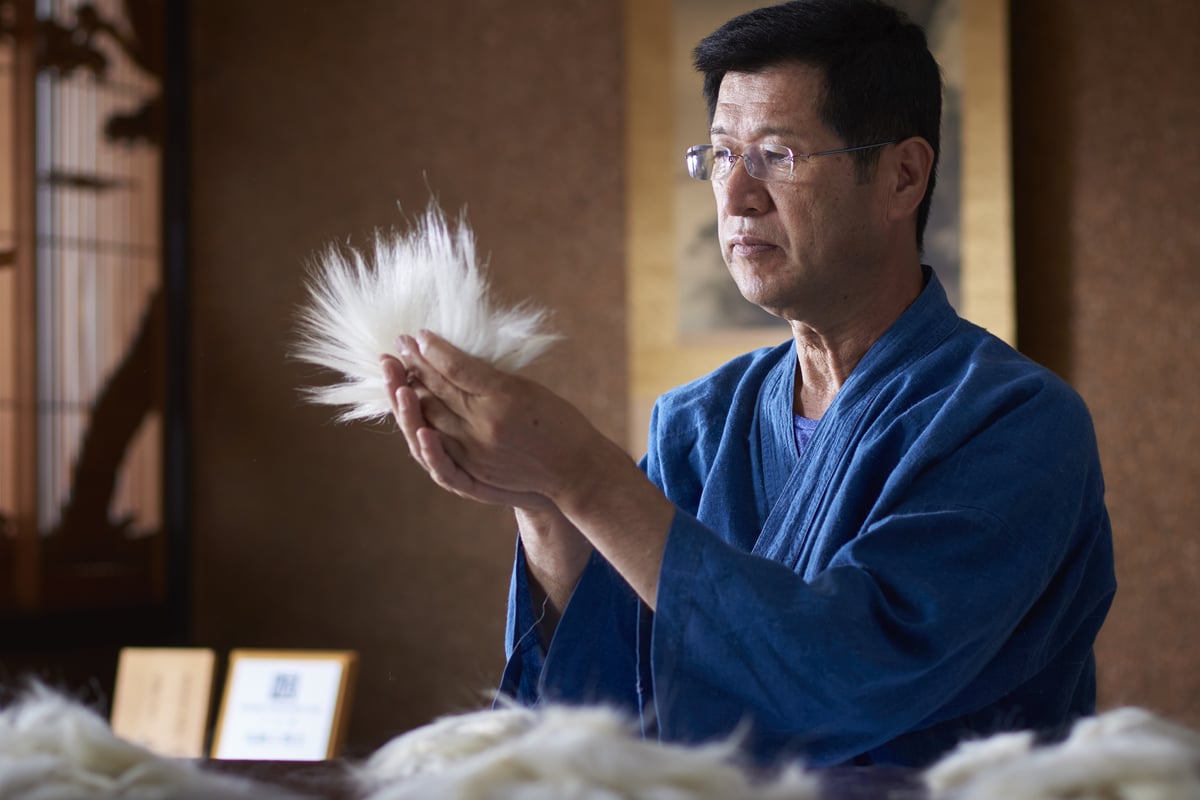
Kawajiri-fude are writing brushes made in Kawajiri Town, Kure City, Hiroshima Prefecture. In 2004 (Heisei 16), they were designated a Traditional Craft by the Minister of Economy, Trade and Industry (a national Traditional Craft). Kawajiri's connection with brushes began in the late Edo period, when brushes from other production areas were bought and sold there, and in time brush making took root in the village. Animal hair is used for the brush heads, and they are generally made with the technique of nerimaze (wet blending of hair), in which the hair is moistened and blended together. Because it takes much time and effort, it is not suited to mass production, but in return it produces high-quality brushes. Hiroshima Prefecture introduces the supple tips of Kawajiri-fude, which descend from the tradition of Kyoto brushes (Kyo-fude), as well suited to cursive script, kana calligraphy and the precise depiction of Nihonga (Japanese-style painting). The workshops maintain a system in which a single craftsperson makes each brush from start to finish, and the process is said to involve more than 70 steps.

Fukuyama-koto (Fukuyama Koto Zithers)
Fukuyama Koto (Fukuyama Japanese Harp)
Fukuyama-koto are koto (so) zithers made in Fukuyama City, Hiroshima Prefecture. In 1985 (Showa 60), they became the first musical instrument to be designated a Traditional Craft by the Minister of Economy, Trade and Industry (a national Traditional Craft). Since the Meiji era, Fukuyama City has been regarded as Japan's top koto producer, and it is said to account for about 70 percent of the koto made in Japan. Using the finest seasoned paulownia wood, skilled craftspeople finish almost every process by hand. The appeal of Fukuyama-koto is said to lie in the combination of an excellent tone, the beautiful grain of the 'ko' (soundboard), which forms the top board, and gorgeous decoration. In the past, they were mass-produced under a division-of-labor system in which different craftspeople handled each process, building a major production area. At the peak, there are said to have been about 500 craftspeople in the city, but today there are six manufacturers. Locally, efforts to pass on the skills continue, such as making a koto to commemorate the 400th anniversary of the construction of Fukuyama Castle.
Miyajima-zaiku (Miyajima Woodcraft)
Miyajima Zaiku (Miyajima Woodcraft)
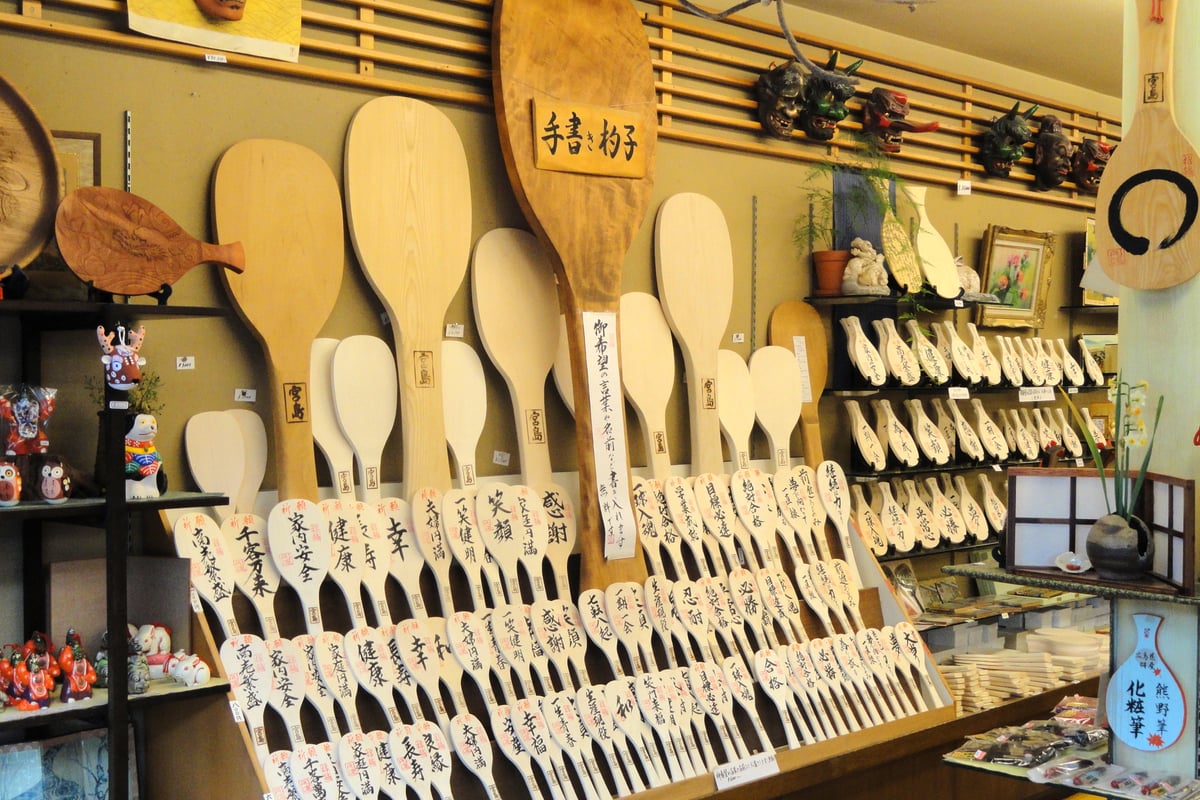
Miyajima-zaiku is a general term for the woodcrafts that have been made on Miyajima (Itsukushima) in Hatsukaichi City, Hiroshima Prefecture. It includes the shakushi (rice paddle) used to serve rice, lathe-turned woodwork in which wood is turned on a lathe to shape it, kurimono (hollowed-out woodwork), and Miyajima-bori carving, in which trays and confectionery vessels are decorated with carving. Most products have a plain wood finish with little lacquer or coloring, making the most of the color and feel of the wood grain. Another characteristic is that many are items for everyday use. Because farming and weaving were forbidden on Miyajima as an island of the gods, the islanders engaged in forestry work and developed crafts that made use of the abundant timber. In particular, the shakushi spread throughout Japan as Miyajima's representative souvenir, and its production volume is said to be the largest in Japan. In 1982 (Showa 57), Miyajima-zaiku was designated a Traditional Craft by the Minister of Economy, Trade and Industry (a national Traditional Craft). At the 宮島伝統産業会館 (Miyajima Dento Sangyo Kaikan) near Miyajima Pier, visitors can try making a shakushi and Miyajima-bori carving.
Hiroshima Butsudan (Buddhist Altars)
Hiroshima Butsudan (Hiroshima Buddhist Altars)
Hiroshima Butsudan are Buddhist altars made mainly in Hiroshima City. The main products are kin-butsudan (gold-leaf Buddhist altars), whose interiors are adorned with gold leaf. In 1978 (Showa 53), following Kumano-fude, they became the second craft in the prefecture to be designated a Traditional Craft by the Minister of Economy, Trade and Industry (a national Traditional Craft). Production is based on a division of labor, with specialized craftspeople each responsible for processes such as the wooden body (kiji), the kuden (miniature palace), carving, metal fittings, lacquering, gold leaf application and maki-e. The certified traditional craftspeople who handle these processes are called the 'Nanasho' (Seven Masters), and their skills come together in a single butsudan. Their techniques of urushi lacquer top-coating and gold leaf application are especially well regarded, and the contrast between the deep black of the lacquer and the brilliance of the gold leaf is a highlight. In central Hiroshima City there is 'Butsudan Street' (仏壇通り), where butsudan shops are concentrated, and long-established shops that handle everything from manufacturing to sales still operate there.
Bingo Gasuri (Bingo Ikat Cotton)
Bingo Kasuri (Bingo Ikat Cotton)
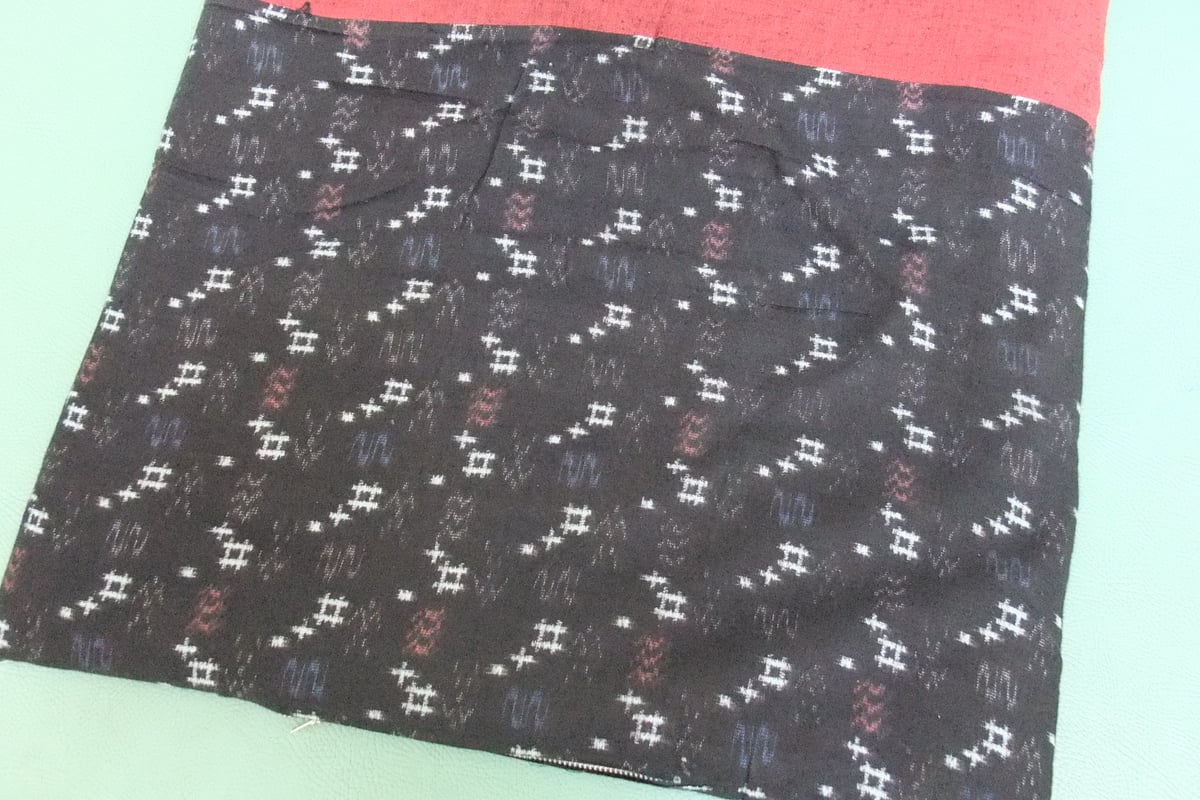
Bingo Gasuri is a cotton kasuri (ikat) fabric that has been woven mainly in Shin'ichi Town and Ashida Town in Fukuyama City, Hiroshima Prefecture. Kasuri refers to a yarn-dyed fabric in which parts of the yarn are bound so that they resist the dye, and the patterns appear when that yarn is woven. Along with Kurume Kasuri of Fukuoka Prefecture and Iyo Kasuri of Ehime Prefecture, it is counted among Japan's 'three great kasuri.' Its appeal lies in simple patterns such as the indigo-dyed igeta (parallel-cross) motif, and because it was durable and comfortable to wear, it was popular throughout Japan for everyday clothing and farm work clothes. In the Showa 30s it became the largest kasuri production area in Japan, and it later also became the foundation of the textile industry that represents Fukuyama. Demand fell sharply with the shift to Western clothing, but a few weavers still continue to weave the fabric on traditional looms. Recently it has been used not only for kimono but also for Western clothing, bags, noren curtains and more. In 1992 (Heisei 4), it was designated a Hiroshima Prefecture-designated Traditional Craft.
Dochu (Hiroshima Hammered Copperware)
Dochu (Hiroshima Hammered Copperware)
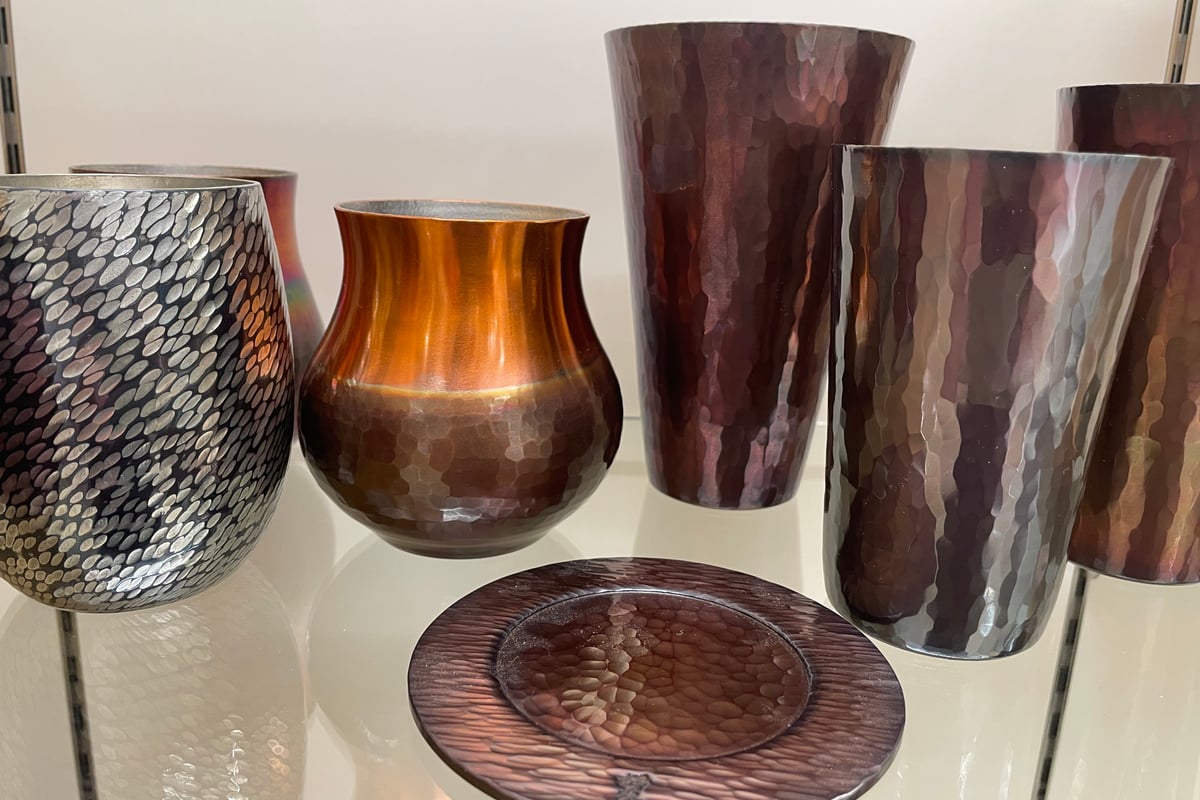
Dochu is a copper craft that has been made in Hiroshima since the Edo period. A single copper sheet is hammered again and again into the shape of a vessel, and the surface is given a pattern of fine irregularities called tsuchime (hammer-mark texture). Because the pieces are finally smoked with rice straw and then polished, the surface takes on a subdued black or amber tone. Its appeal is that the color deepens and a quiet luster grows the more it is used and the more years pass. It is said to have begun with a coppersmith who served the Asano family, lords of the Hiroshima Domain, at the beginning of the Edo period, and as a specialty of the domain it was also used as gifts to other daimyo families. The main products are vases, decorative plates, tea utensils, stationery and the like, and in recent years everyday items such as beer cups have also been made. In 1991 (Heisei 3), it was designated a Hiroshima Prefecture-designated Traditional Craft.
Miyajima-yaki (Miyajima Pottery)
Miyajima-yaki (Miyajima Sacred Sand Pottery)
Miyajima-yaki is pottery fired in Miyajimaguchi, Hatsukaichi City, on the shore across from Miyajima. Because sand from beneath the main sanctuary (Gohonden) of Itsukushima Shrine is mixed into the clay before firing, it is also called 'Osuna-yaki' (お砂焼 or 御砂焼). It is said to have originated from an Edo-period custom of carrying the shrine's sand as a protective charm to pray for a safe journey. It is not showy, but its appeal lies in a simple, warm and graceful texture. Clay mixed with sand readily undergoes yohen (kiln transformation) in the kiln, producing patterns that are never the same twice. Many designs feature autumn maple leaves, a symbol of Miyajima, and flower vases, tea utensils, everyday tableware, chopstick rests and more are made. It has also long been popular as a souvenir for visitors to Miyajima. In 1991 (Heisei 3), it was designated a Hiroshima Prefecture-designated Traditional Craft, and today kilns in Miyajimaguchi carry on the tradition.
Miyoshi Ningyo (Miyoshi Clay Dolls)
Miyoshi Ningyo (Miyoshi Clay Dolls)
Miyoshi Ningyo are clay dolls made in Miyoshi City in northern Hiroshima Prefecture. Clay is shaped in molds and given a bisque firing, then painted with gofun and doro-enogu (earth pigments). Because animal glue (nikawa) is applied as a final coat, the dolls have a distinctive sheen and are also called 'hikari ningyo' (shining dolls). Centered on Tenjin dolls depicting Sugawara no Michizane, known as the god of learning, there are about 140 types, including warrior figures and female figures. In the northern part of the prefecture, centered on the Miyoshi area, the custom of giving Miyoshi Ningyo to both boys and girls for a child's first seasonal festival (hatsu-zekku) to pray for the child's growth has continued since the Edo period. The kiln has been passed down through generations of a single family, and the dolls are still handmade one by one using molds handed down over the years. In 1991 (Heisei 3), they were designated a Hiroshima Prefecture-designated Traditional Craft.
Ikkokusai Takamorie (Raised Lacquer Painting)
Ikkokusai Takamorie (Raised Lacquer Relief)
Ikkokusai Takamorie is a lacquer art handed down in the Kinjo Ikkokusai (金城一国斎) family of Eba, Naka Ward, Hiroshima City. Motifs are built up high with a mixture of urushi lacquer and tonoko (whetstone powder), then colored with colored lacquers to finish. It is characterized by depicting plants and insects three-dimensionally, as if in relief, and is regarded as a technique with few parallels in Japanese lacquer craft. Its appeal lies in its ability to express both the softness of painting and the solidity of sculpture at the same time. The technique has been passed down to a single heir in each generation (isshi soden) and has a history of more than 180 years. The main products include inkstone boxes, decorative trays and tea utensils. In 1991 (Heisei 3), it was designated a Hiroshima Prefecture-designated Traditional Craft, and in 2011 (Heisei 23), a Prefectural Intangible Cultural Property. Today, the seventh-generation Kinjo Ikkokusai carries on the technique.
Hiroshima's Local Food
Okonomiyaki (Hiroshima Style)
Hiroshima-Style Okonomiyaki (Layered Savory Pancake)
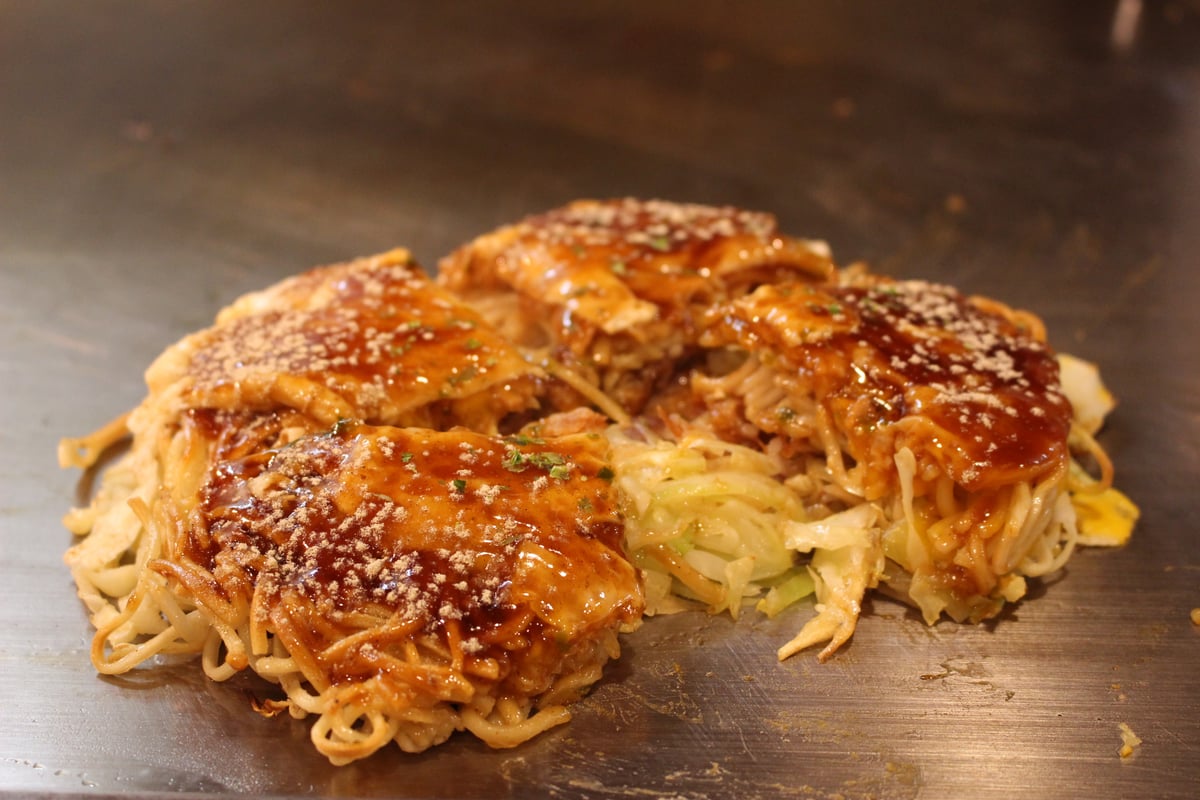
Okonomiyaki (Hiroshima Style) is a flour-based dish (konamon) eaten as everyday food in Hiroshima Prefecture. Its hallmark is kasane-yaki (layered grilling): a batter of wheat flour mixed with water is spread thinly into a circle on an iron griddle, and cabbage, bean sprouts, pork belly and other ingredients are layered on top in order and cooked. This makes it very different in preparation from Okonomiyaki (Osaka Style), in which the ingredients are mixed into the batter before cooking. Another feature unique to Hiroshima is adding grilled Chinese-style noodles (called 'soba' locally) or udon and finishing it together with a thin layer of cooked egg. Finally, a thick, sweetish okonomi sauce is spread on top, and it is sprinkled with aonori (green laver) and other toppings. Locally, the standard order with pork, egg and noodles is called 'niku-tama soba.' According to お好み焼アカデミー (Okonomiyaki Academy), there are said to be more than 1,600 okonomiyaki shops in the prefecture and about 800 in Hiroshima City alone. As a food that sustained people through the postwar reconstruction period, it is still loved today as the soul food of the people of Hiroshima.
Kaki no Dotenabe (Oyster and Miso Hot Pot)
Kaki no Dotenabe (Oyster and Miso Hot Pot)
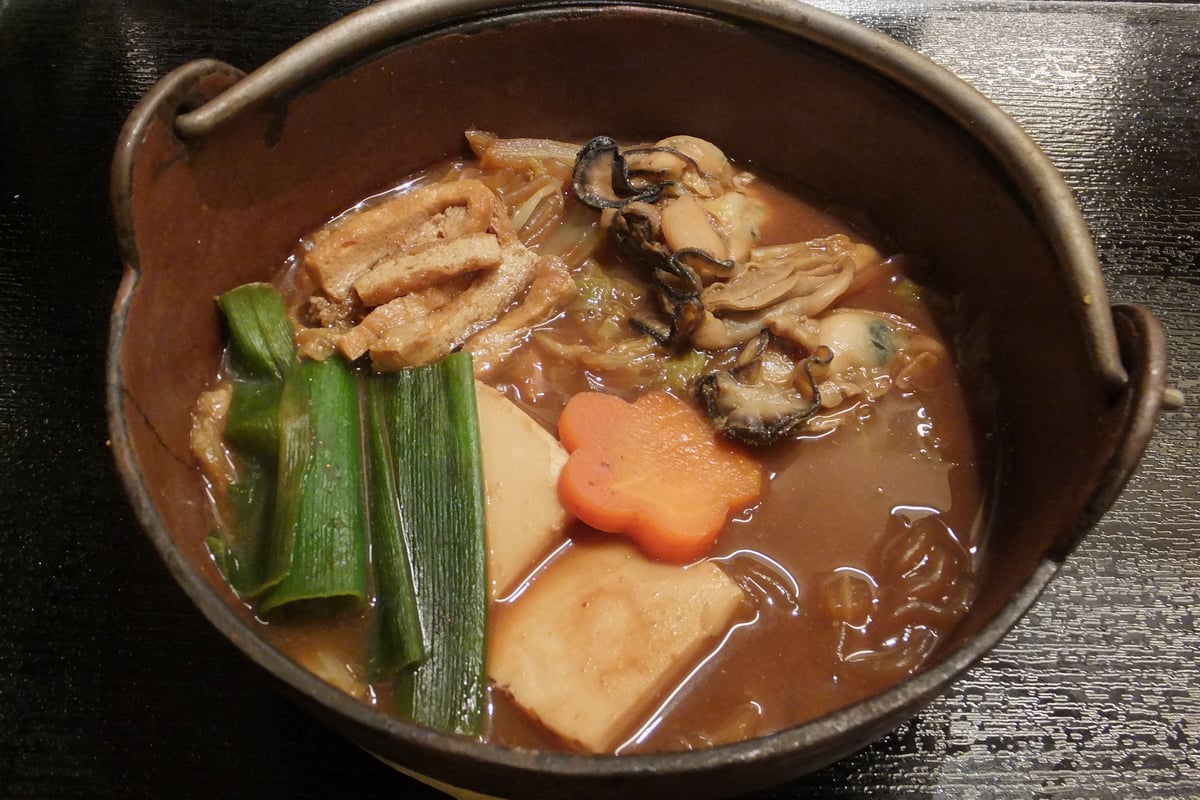
Kaki no Dotenabe (oyster dotenabe) is a winter hot pot dish representative of Hiroshima Prefecture. Miso is spread thickly like an embankment (dote) around the inner rim of an earthenware pot, dashi broth is poured in, and oysters, napa cabbage, tofu, shungiku (garland chrysanthemum) and other ingredients are simmered. Its distinctive feature is that, as the ingredients cook, diners gradually break down the miso embankment and eat while adjusting the flavor to the strength they prefer. Sweetish white miso is often used, and some restaurants blend several kinds of miso. Hiroshima Prefecture has a long history of oyster farming and is Japan's top oyster-producing region, accounting for 50 to 60 percent of national production. Dotenabe has long been loved as a standard dish for enjoying those oysters at home and in restaurants. It is also said to be one of the three great hot pots of western Japan, and in fiscal 2023 it was recognized as the Agency for Cultural Affairs' '100-Year Food' (in the Traditional 100-Year Food category).
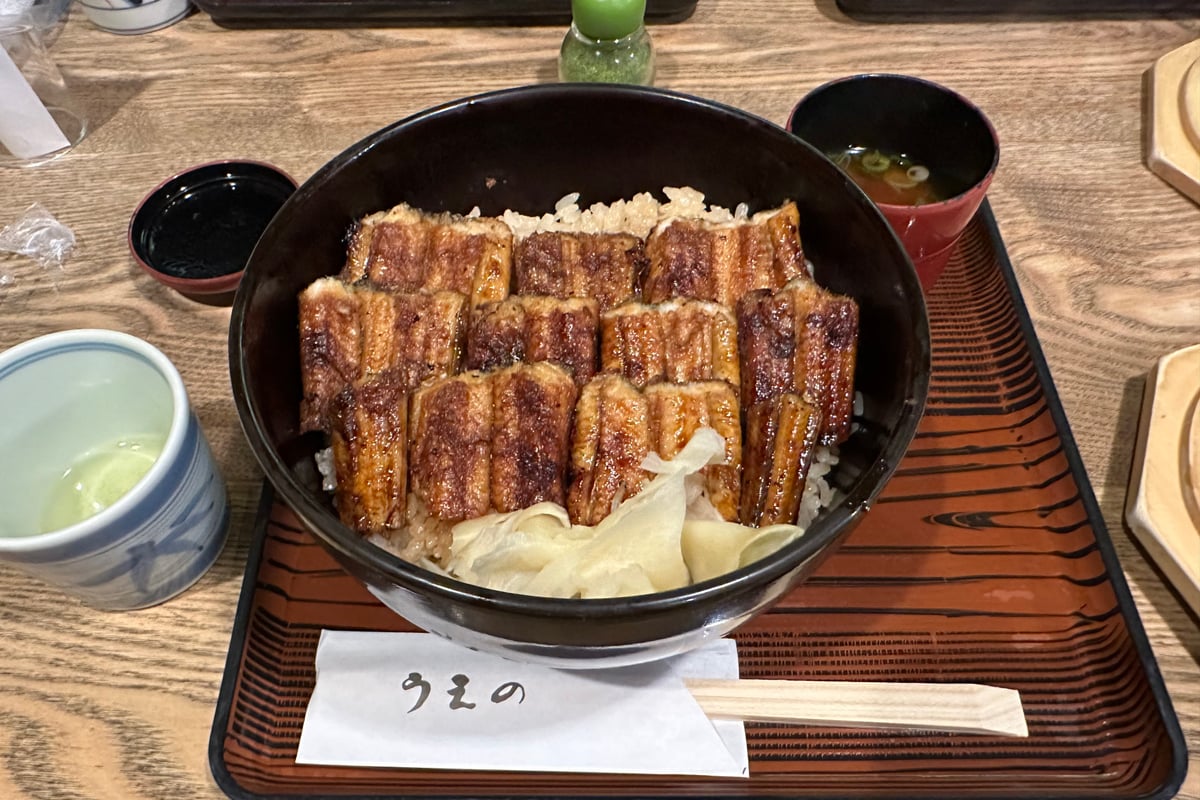
Anago Meshi (Grilled Conger Eel on Seasoned Rice)
Anago-meshi (Grilled Conger Eel over Rice)
Anago Meshi is a specialty of Miyajima and Miyajimaguchi in Hatsukaichi City, Hiroshima Prefecture, in which grilled anago (conger eel) is laid over rice with no gaps. Miyajimaguchi, across the water from Miyajima, is regarded as its birthplace, and it became widely known after being sold as an ekiben (station boxed lunch) in the Meiji era. A distinctive feature is that the rice is not plain white rice but is cooked with soy sauce and a broth made from the heads and bones of the anago. On top, anago grilled until fragrant while being basted with tare (sauce) is spread out. The savory aroma of the grilled anago is enjoyed together with rice that has soaked up the broth and sauce. The waters around Miyajima have long been known as good fishing grounds for anago. Today there are many specialty shops and eateries in Miyajimaguchi and on Miyajima itself, and it is enjoyed as a meal by worshippers and tourists visiting Itsukushima Shrine, as well as a boxed lunch to take away.
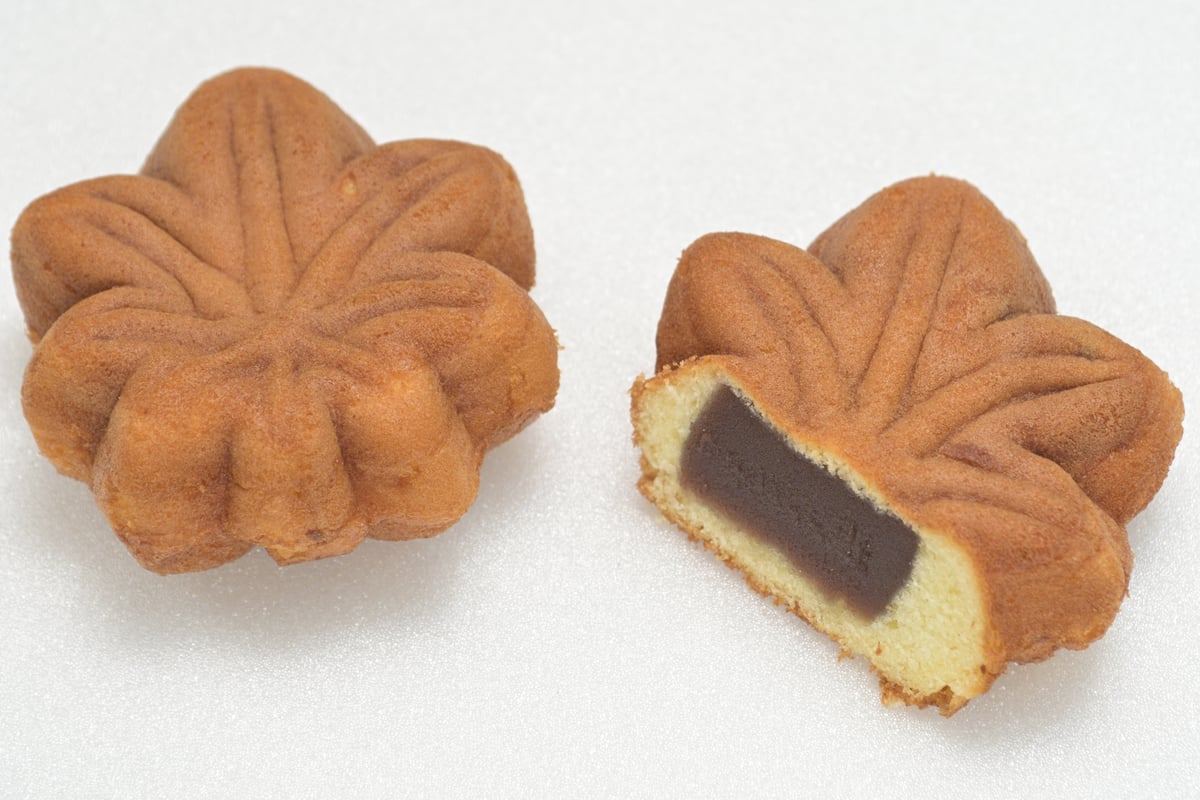
Momiji Manju (Maple Leaf Cakes)
Momiji Manju (Maple Leaf-Shaped Cakes)
Momiji Manju is a baked confection shaped like a maple (momiji) leaf and representative of Hiroshima Prefecture. Sweet bean paste (an) is wrapped in a castella-like batter made with plenty of eggs and baked in maple leaf-shaped molds. Its birthplace is Miyajima (Hatsukaichi City), known as a famous spot for autumn foliage. It is said to have been devised by a Miyajima confectioner in the late Meiji era, and it spread as a souvenir for worshippers visiting Itsukushima Shrine. The maple is also Hiroshima Prefecture's prefectural flower and tree, and momiji manju has become the prefecture's representative souvenir sweet. Besides the classic koshian (smooth red bean paste), a wide variety of flavors are made, including tsubuan (chunky red bean paste), chocolate, cheese cream and matcha. Makers' shops line the Omotesando shopping street on Miyajima, and some shops sell Age-momiji (deep-fried momiji manju), which are coated in batter and fried. Momiji manju are also widely sold at Hiroshima Station, the airport, expressway service areas and elsewhere.
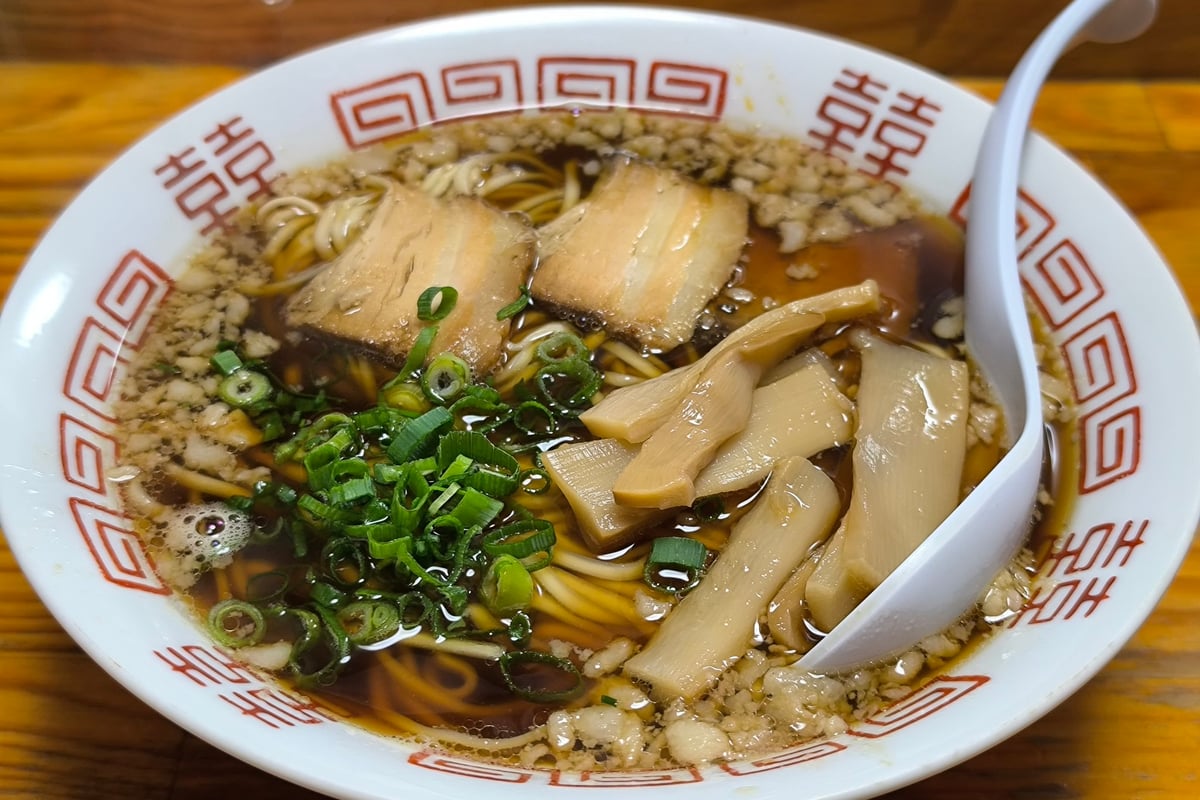
Onomichi Ramen
Onomichi Ramen
Onomichi Ramen is a local ramen (gotochi ramen) eaten mainly in Onomichi City, Hiroshima Prefecture. Its basic form is said to be a clear, soy sauce-based soup topped with minced pork back fat and paired with flat noodles. Many shops make the soup mainly from chicken bones (torigara), combined with seafood stock such as niboshi (dried small fish) from the Seto Inland Sea. Although the back fat adds sweetness and richness, its appeal is an aftertaste lighter than it looks. In Onomichi, a noodle dish called 'chuka soba' has long been popular at food stalls and diners. The name 'Onomichi Ramen' spread nationwide from the 1990s onward, and the sale of souvenir ramen is said to have been one of the triggers. Around Onomichi Station and in the shopping streets, long-established and new shops alike gather, and it is popular with tourists strolling this town of slopes and temples. Each shop has its own distinctive soup and noodles, and there are also shops serving old-fashioned chuka soba without back fat.
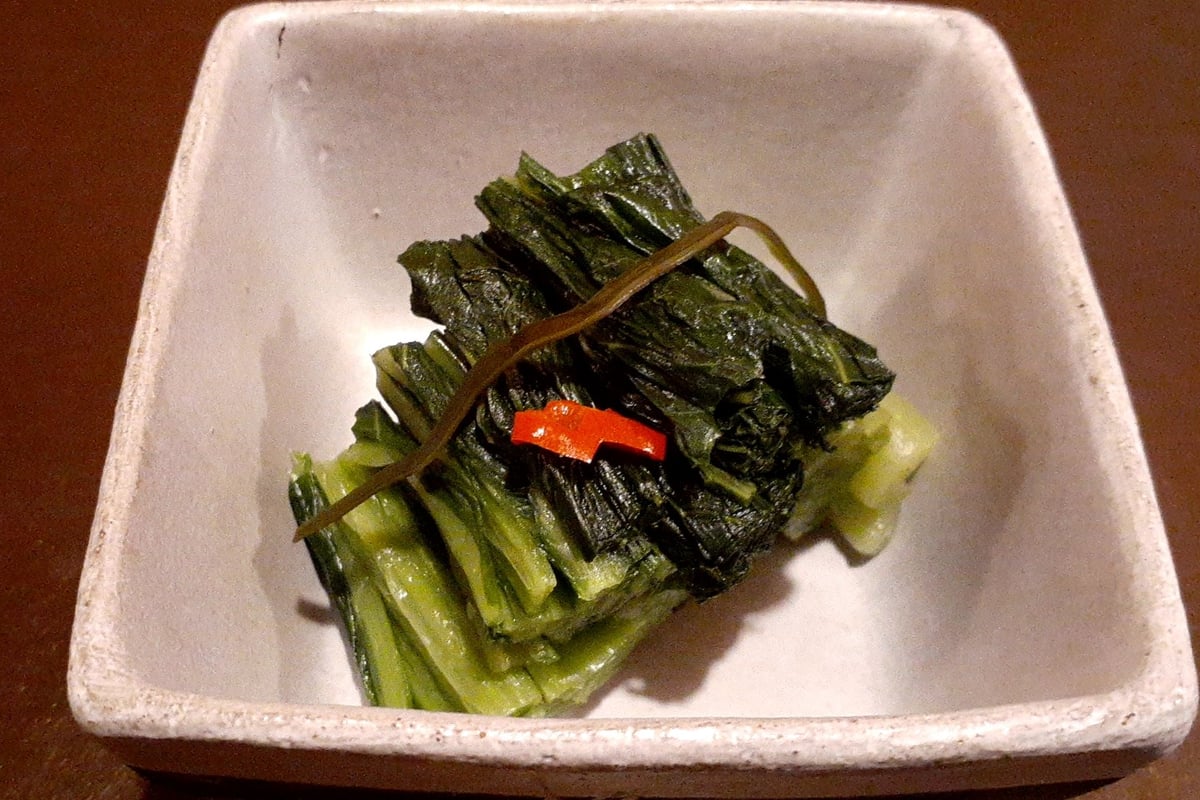
Hiroshimana-zuke (Pickled Hiroshimana Greens)
Hiroshimana-zuke (Pickled Hiroshima Greens)
Hiroshimana-zuke is a pickle made by salting Hiroshimana, a traditional vegetable of Hiroshima Prefecture. Along with Kyushu's takana-zuke and Shinshu's Nozawana-zuke, it is counted as one of Japan's three great leafy-green pickles. Hiroshimana is a leafy vegetable of the Brassicaceae (mustard) family with large, broad leaves, and a single plant can grow to about 2 kg. The main growing area is the Kawauchi district of Asaminami Ward, Hiroshima City. It has long been cultivated there, on well-drained land lying between the Ota River and the Furukawa River. Almost all of the Hiroshimana harvested in winter is processed into pickles. There are two kinds: asazuke, pickled for a short time and enjoyed for its fresh green color and crispness, and furuzuke, aged for a long time to bring out sourness and umami. Its hallmarks are a sharp, wasabi-like aroma and a mild pungency. It is a familiar accompaniment to rice for people in the prefecture and is also popular as a gift representing Hiroshima.
Uzumi (Fukuyama Rice Hiding Simmered Toppings)
Uzumi (Fukuyama Rice over Hidden Simmered Toppings)
Uzumi is a local dish handed down in Fukuyama City, Hiroshima Prefecture. Ingredients such as shrimp, sea bream, taro, carrot and shiitake mushrooms simmered in dashi broth are placed in a bowl, the broth is poured over them, and rice is heaped on top to cover and hide them. The name comes from 'uzumeru' (to bury), referring to burying the ingredients under the rice. It looks like nothing but plain white rice, but when you break up the rice with chopsticks, the ingredients appear from underneath and the broth soaks into the rice. It is said to date back to the Edo period, and a well-known theory holds that common people, who were required to live frugally, hid luxurious ingredients to make their meals look plain. It was once made at home as a feast to celebrate the autumn harvest. For a time there were fewer occasions to eat it, but today it is served in school lunches in the city and can also be enjoyed at restaurants in places such as Tomonoura. Each restaurant puts its own spin on it, with versions made with sea bream or served as sushi or kamameshi (rice cooked in a small pot).
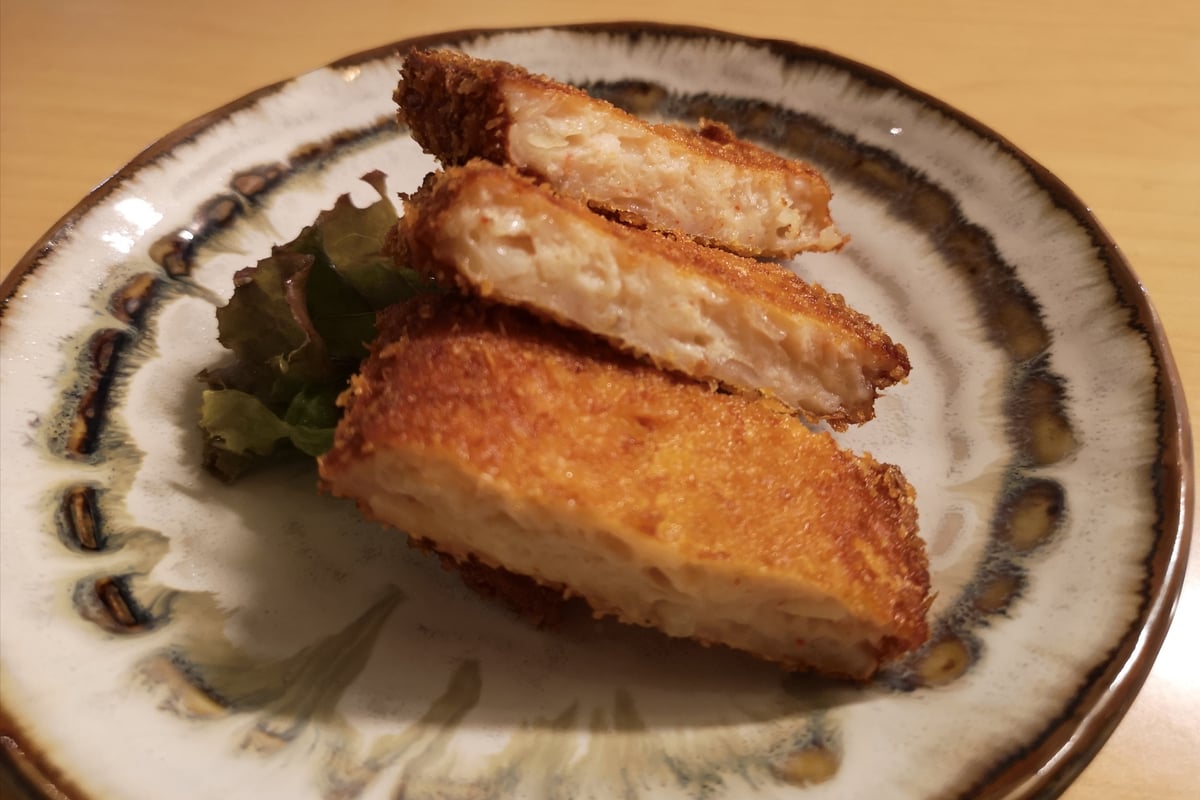
Gansu (Hiroshima Breaded Fried Fish Cake)
Gansu (Hiroshima Breaded Fried Fish Cake)
Gansu is a type of fried kamaboko (fish cake) loved in Hiroshima Prefecture. Fish paste (surimi) is mixed with chopped vegetables such as onion and with ichimi togarashi (ground red chili pepper), shaped into flat pieces, coated with panko breadcrumbs and deep-fried. Its appeal lies in the crunchy panko coating and a tangy heat that keeps you reaching for more. It is made in Kure City, parts of Nishi Ward in Hiroshima City, Osakikamijima and elsewhere, and is sold every day in local supermarkets. Besides being eaten as is or lightly grilled, it also serves as a snack with drinks or a side dish with rice. The name is said to come from a polite expression in the Hiroshima dialect. For a long time it was known only locally, but thanks in part to manufacturers' promotional efforts it has become known outside the prefecture, and today it is also popular as a Hiroshima souvenir.
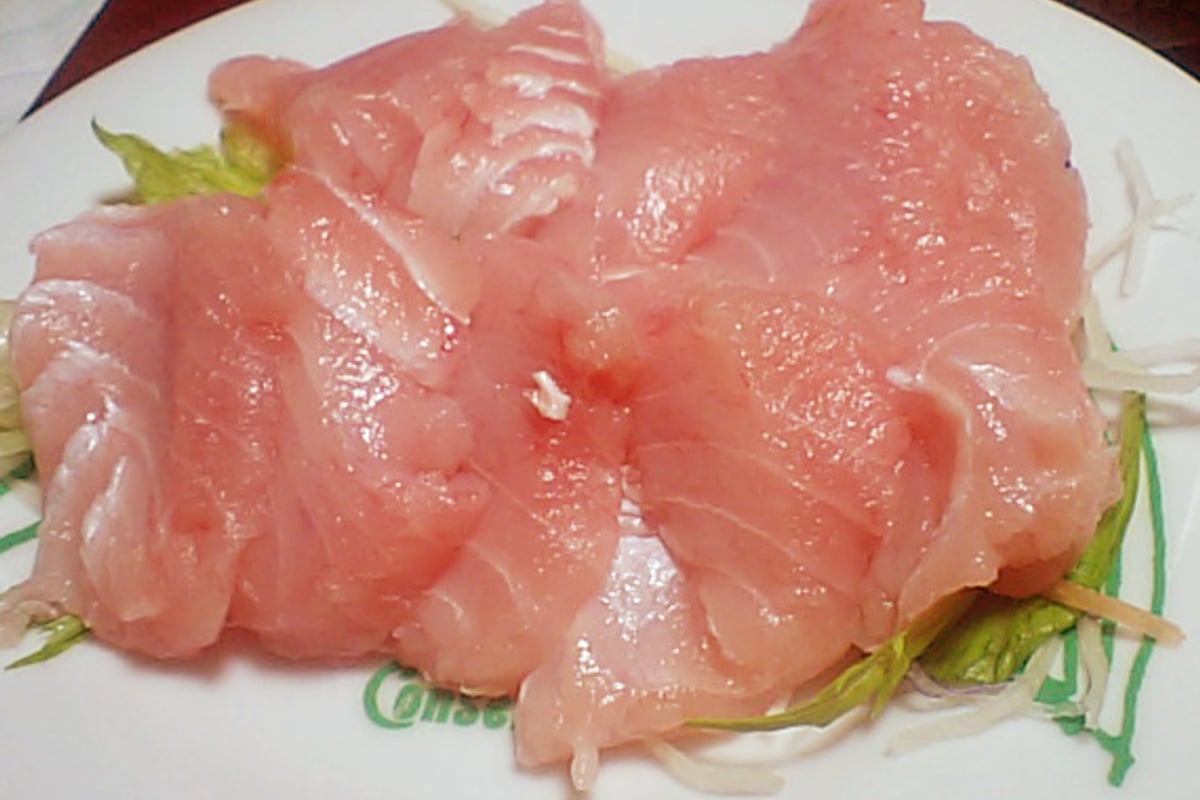
Wani Ryori (Shark Dishes of Northern Hiroshima)
Wani Ryori (Shark Dishes of Northern Hiroshima)
Wani ryori refers to shark dishes handed down in the Bihoku area of northern Hiroshima Prefecture, especially in Miyoshi City and Shobara City. In this area, sharks have long been called 'wani.' The typical way of eating it is as sashimi, with the pale pink flesh eaten with ginger and soy sauce. Why do people in mountain areas far from the sea eat sea fish as sashimi? The reason lies in the ammonia that shark flesh contains in large amounts. Thanks to the ammonia, the flesh is slow to spoil, so even in the days before refrigeration, sharks carried in from the Sea of Japan coast could be eaten raw. Wani was an essential feast at autumn festivals, at New Year and at celebrations. Even today, with refrigeration and distribution well developed, wani sashimi appears in supermarkets at the end of the year and has become a winter tradition of the area. In recent years, new products that make use of shark meat, such as wani burgers and wani gansu, have also been created.
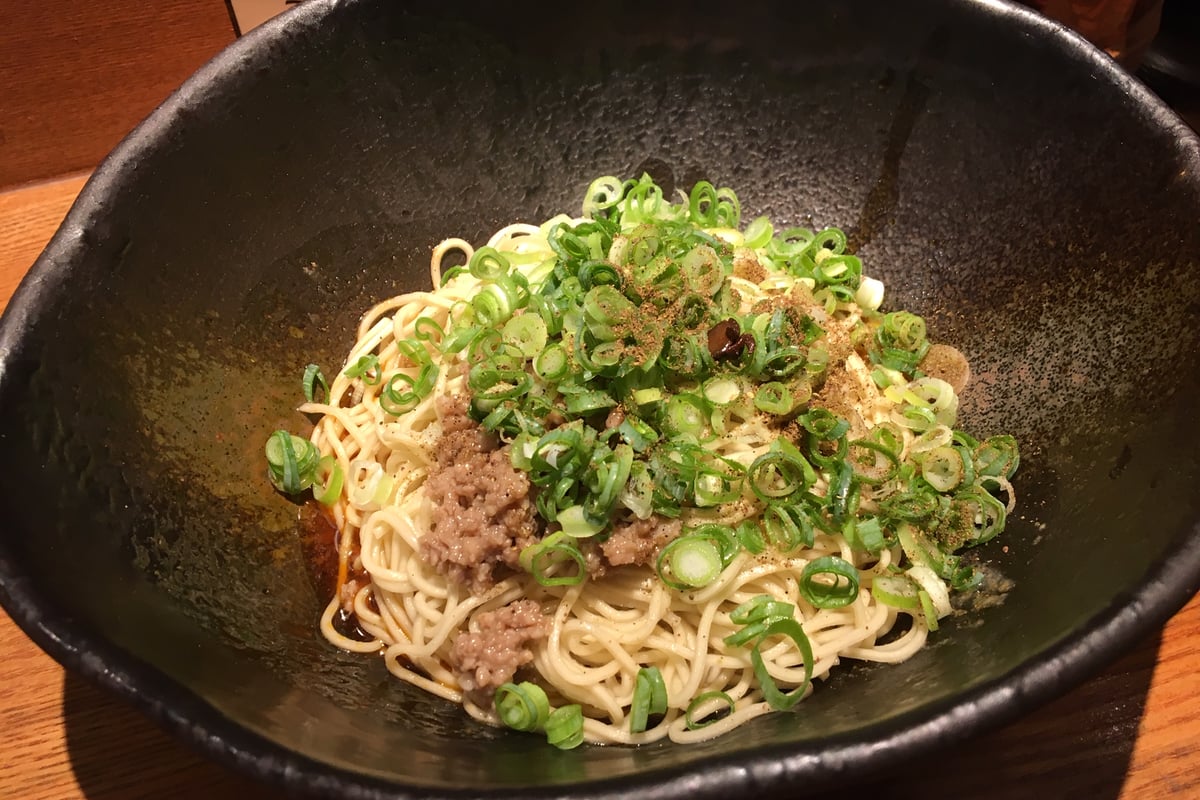
Shirunashi Tantanmen (Soupless Dandan Noodles)
Shirunashi Tantanmen (Hiroshima-Style Soupless Dan Dan Noodles)
Shirunashi tantanmen is a local noodle dish that spread from Hiroshima City. A sauce combining rayu (chili oil), soy sauce and other seasonings is put in the bottom of the bowl, and boiled medium-thin noodles are placed on top. These are topped with niku-miso (seasoned ground meat) stir-fried with tianmianjiang (sweet bean sauce), chopped green onions and plenty of Sichuan pepper (huajiao), a Chinese relative of sansho pepper. Its greatest feature is the tongue-numbing heat produced by the Sichuan pepper. Based on the soupless dandan noodles of Sichuan Province, China, it was born in Hiroshima City in the early 2000s. Since then, specialty shops have opened one after another, and there are said to be around 100 of them in Hiroshima City. When the bowl arrives, the basic rule is to mix it well, about 20 to 30 times, so that no sauce is left at the bottom, before eating. Today frozen and cup-noodle versions have also been released, and it is known outside the prefecture as a new Hiroshima specialty.
Model Course
Anago meshi and Miyajima-yaki in Miyajimaguchi, then rice paddle making and momiji manju on Miyajima
あなごめし うえの 宮島口本店, near JR Miyajimaguchi Station, is the shop where anago meshi was born, founded in 1901 (anago meshi (upper grade) about 2,800 yen). At 川原厳栄堂, right next to the station, you can choose Miyajima-yaki ware that carries on the tradition of Osuna-yaki. 元祖もみぢ饅頭 高津堂 in 宮島口西 traces its roots to the shop of Takatsu Tsunesuke, the creator of momiji manju. After crossing to Miyajima by ferry, head to 宮島伝統産業会館 next to the pier. At みやじまん工房 on the third floor, you can try making a shakushi (rice paddle) (550 yen) or Miyajima-bori carving (2,200 yen) (reservations required). On the Omotesando shopping street, enjoy Age-momiji from 紅葉堂 as you stroll, and at やまだ屋 宮島本店 you can also try baking momiji manju by hand (1,000 yen).
The Buddhist altar street and Peace Memorial Park in Hiroshima City, with okonomiyaki and oyster dotenabe on a kakibune
On the Buddhist altar street in 堀川町, Naka Ward, Hiroshima City, Hiroshima Butsudan shops stand side by side, such as 三村松, founded in 1865, and 高山清, which began as a lacquerer's workshop. The art gallery of nearby 福屋八丁堀本店 is listed by Hiroshima City as a retailer of Ikkokusai Takamorie (check availability in advance). For lunch, try Hiroshima-style okonomiyaki at みっちゃん総本店 in 八丁堀 or at お好み村 in 新天地. For shirunashi tantanmen, there is きさく in 舟入川口町, regarded as the originator (closed Wednesdays). In the afternoon, head to Peace Memorial Park. 平和公園レストハウス carries Dochu beer cups. In the evening, enjoy the oyster course including dotenabe (9,900 yen) at かき船かなわ 瀬戸, floating on the Motoyasu River. On the way home, you can buy 山豊's Hiroshimana-zuke '安藝菜' and oyster dotenabe miso at Hiroshima Station.
Brush making in Kumano Town, the city of brushes, then Kawajiri-fude and gansu in Kure
At 筆の里工房 in Kumano Town, you can watch a certified traditional craftsperson demonstrate brush making and try the finishing process (3,500 yen, admission separate, priority to reservations, closed Mondays). The adjoining 熊野筆セレクトショップ stocks about 1,500 kinds of brushes. The makeup brush maker 晃祐堂 also accepts workshop tours and brush making experiences with a reservation by the previous day. In the afternoon, go to Kawajiri Town in Kure City. At 文進堂 畑製筆所, you can try brush making under the guidance of a certified traditional craftsperson of Kawajiri-fude (26,800 yen, for groups of two to four, reservations required). At 三宅ShoP in 広, Kure City, you can buy fish cakes such as 'うまいでがんす' (closed Sundays and Tuesdays).
Onomichi ramen, then Fukuyama-koto and Bingo Gasuri in Fukuyama, and sea bream uzumi in Tomonoura
For lunch, enjoy Onomichi ramen at つたふじ 本店 on the Onomichi Hondori shopping street (chuka soba, regular size, about 650 yen) or at めん処みやち, known for its tempura chuka. In 御幸町, Fukuyama City, 藤井琴製作所 offers free koto factory tours (closed on Sundays, holidays and some other days; apply in advance). At 福山市しんいち歴史民俗博物館 in 新市町, you can see exhibits of the processes, tools and looms of Bingo Gasuri (free admission, closed Mondays). In the evening, head to Tomonoura, which prospered as a port where ships waited for the tide. At 季節料理 衣笠, you can taste sea bream uzumi made with red sea bream (1,300 yen) (closed Wednesdays).
Visiting a Miyoshi Ningyo workshop in Miyoshi and tasting the wani dishes of the mountains, a course in northern Hiroshima
みよし風土記の丘ミュージアム (Hiroshima Prefectural Museum of History and Folklore) in 小田幸町, Miyoshi City, holds Miyoshi Ningyo and hina dolls in its collection (200 yen for general admission; exhibits change from time to time). 三次人形窯元 丸本家 in 十日市町南 is a workshop that has continued since the Meiji era, and today Marumoto Mitsuko, the seventh generation, carries on the work. As the dolls are made only once a year, contact the workshop early if you wish to buy one. For a meal, try wani (shark) sashimi, a tradition of Miyoshi far from the sea, at むらたけ総本家 in 十日市東 (closed Mondays).
Events
Fude Matsuri (Brush Festival)
Every year on the Autumnal Equinox Day / Around Sakakiyama Shrine, Kumano Town, Aki District
Miyajima Oyster Festival
Usually the second Saturday and Sunday of February / Miyajima Pier Plaza, Miyajima Town, Hatsukaichi City
Kangensai Festival
Every year on the 17th day of the 6th month of the old lunar calendar (around mid-July to early August on the modern calendar; the date varies from year to year) / Itsukushima Shrine, Miyajima Town, Hatsukaichi City