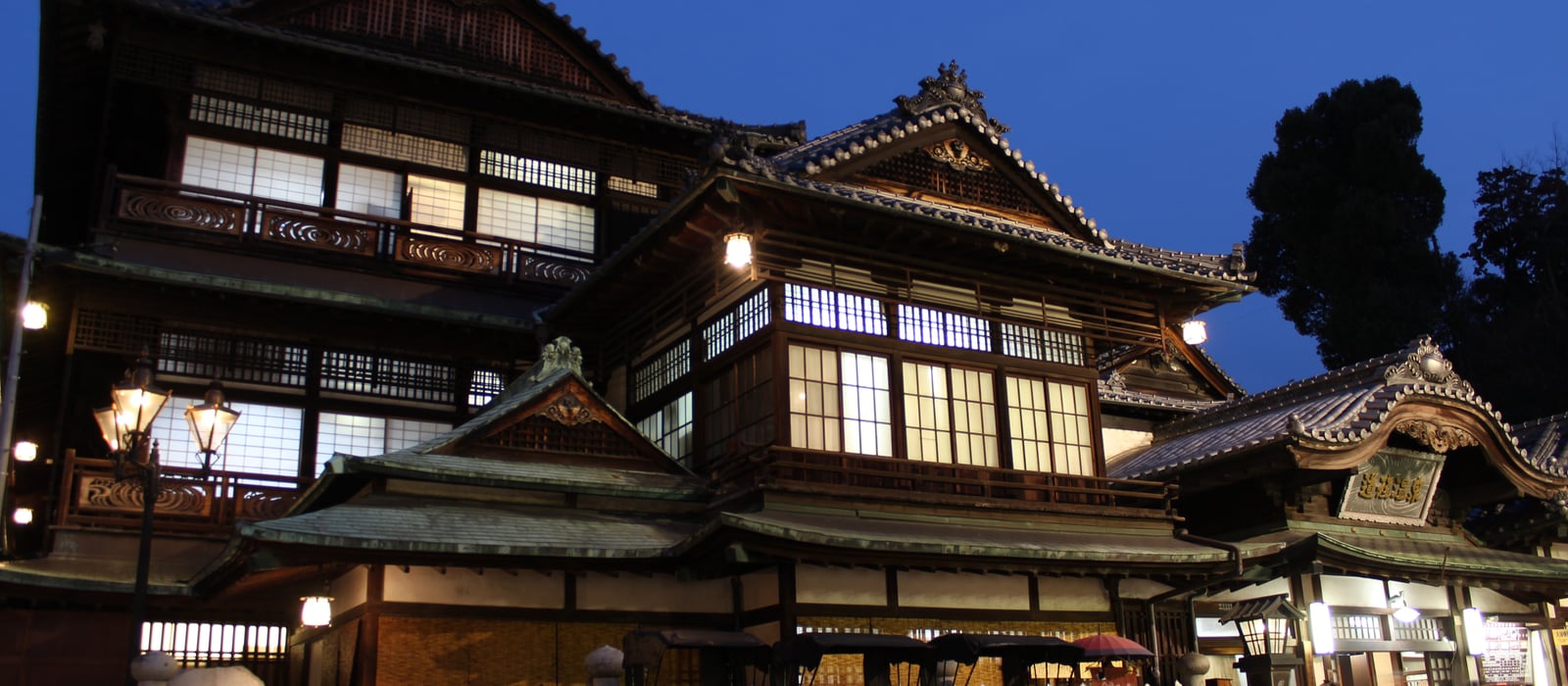
 Image: Wikimedia Commons
Ehime Prefecture
Ehime Prefecture lies in northwestern Shikoku and corresponds to the former Iyo Province. It faces the Seto Inland Sea and the Uwa Sea, and is commonly divided into three areas: Toyo, Chuyo and Nanyo (eastern, central and southern Ehime). Its Traditional Crafts Designated by the Minister of Economy, Trade and Industry are two items: Tobe-yaki (Tobe Ware) from Tobe Town, and Ozu Washi (Japanese Paper), made mainly in Ikazaki, Uchiko Town. Tobe-yaki succeeded in producing white porcelain under the Ozu domain in the Edo period and is known for its thick, sturdy tableware. Iyo Kasuri (Iyo Ikat Cotton) from Matsuyama is counted among Japan's Three Major Ikat Weaves, and Imabari City carries on Sakurai Lacquerware and Kikuma-gawara (Kikuma Roof Tiles). Shikokuchuo City in Toyo is a major production area of mizuhiki (decorative paper cords), and there are also crafts that support the autumn festivals, such as the Saijo Danjiri Carvings of Saijo City and the Taikodai Embroidered Curtains that adorn the taikodai (festival drum floats) of Niihama City and Shikokuchuo City. In food, Ehime is known for Taimeshi (Sea Bream Rice), which comes in two styles: the Matsuyama (Hojo) style, cooked together with the rice, and the Uwajima style, topped with sashimi. Jakoten (Fried Fish Cake) and Satsuma (Fish and Barley Miso Soup over Rice) from Nanyo are also well known. Matsuyama Nabeyaki Udon, Taruto (Yuzu Bean Paste Sponge Roll) and Botchan Dango (Three-Color Dumplings) from Matsuyama, Imotaki (Taro Hot Pot) from Ozu, and Imabari Yakitori (Griddle-Pressed Chicken) and Senzanki (Imabari-Style Fried Chicken) from Imabari are also flavors unique to Ehime.
Ehime's Traditional Crafts
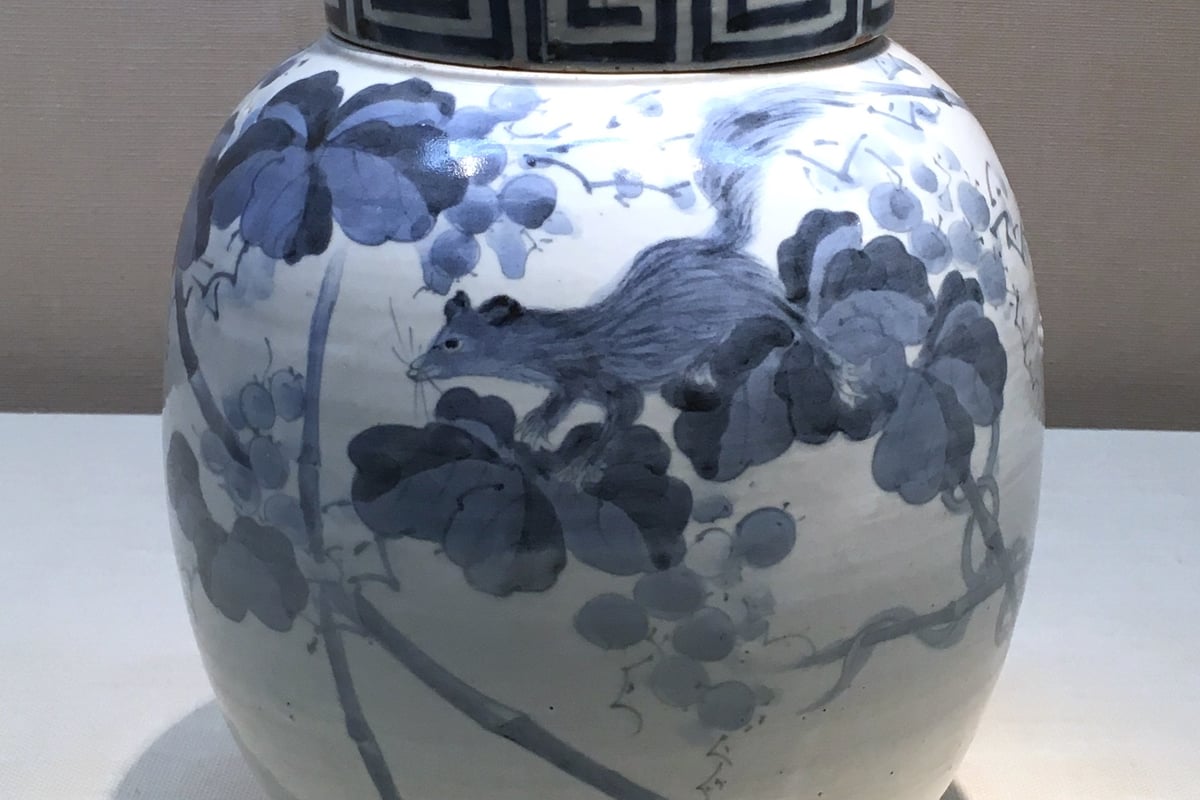
Tobe-yaki (Tobe Ware)
Tobe-yaki (Tobe Porcelain)
Tobe-yaki is porcelain made mainly in Tobe Town, Iyo District, Ehime Prefecture. Its defining feature is patterns such as karakusa (arabesque scrolls) painted by brush onto milky-white porcelain with an indigo pigment called gosu (cobalt underglaze pigment). Its plump, thick-walled vessels are hard to break and easy to hold even when filled with something hot, so they have long been loved as everyday tableware. It is sometimes called 'kenka-jawan' (quarrel bowls), because it is said to be sturdy enough not to break even if a married couple threw it at each other during a quarrel. In the mid-Edo period, porcelain making using whetstone scraps began in Tobe, then a production area of whetstones (toishi), on the orders of the Ozu domain. Sugino Josuke is said to have succeeded in firing white porcelain in 1777 (An'ei 6). In 1976 (Showa 51), it was designated a national Traditional Craft. Many kilns are scattered around the town, and visitors can see exhibits at 砥部焼伝統産業会館 (Tobe-yaki Traditional Industry Hall) and try pottery making. Every spring, the Tobe-yaki Festival is held, bringing the kilns together.

Ozu Washi (Japanese Paper)
Ozu Washi (Ozu Handmade Japanese Paper)
Ozu Washi is handmade Japanese paper produced mainly in the Ikazaki district of Uchiko Town, Kita District, Ehime Prefecture. It is made on the banks of the clear Oda River using the traditional technique of 'nagashi-zuki' (the flowing method). In the Edo period, it developed under the protection of the Ozu domain as a domain monopoly product. During the Genroku era (1688-1704), a man from Echizen (present-day Fukui Prefecture) is said to have taught papermaking. It is thin yet supple and said to have little unevenness, and it is used for calligraphy paper, shoji (sliding screen) paper and the paper of kites flown in the local giant kite battle. Its paper for kana calligraphy is sometimes described as 'the best in Japan.' In October 1977 (Showa 52), it was designated a national Traditional Craft. Households making paper by hand, which numbered more than 400 in the Meiji period, have declined sharply, and today two workshops are said to remain in Ikazaki and one in Seiyo City. At 天神産紙工場 (Tenjin Sanshi Kojo, a washi mill), visitors can tour the workshop and try papermaking.
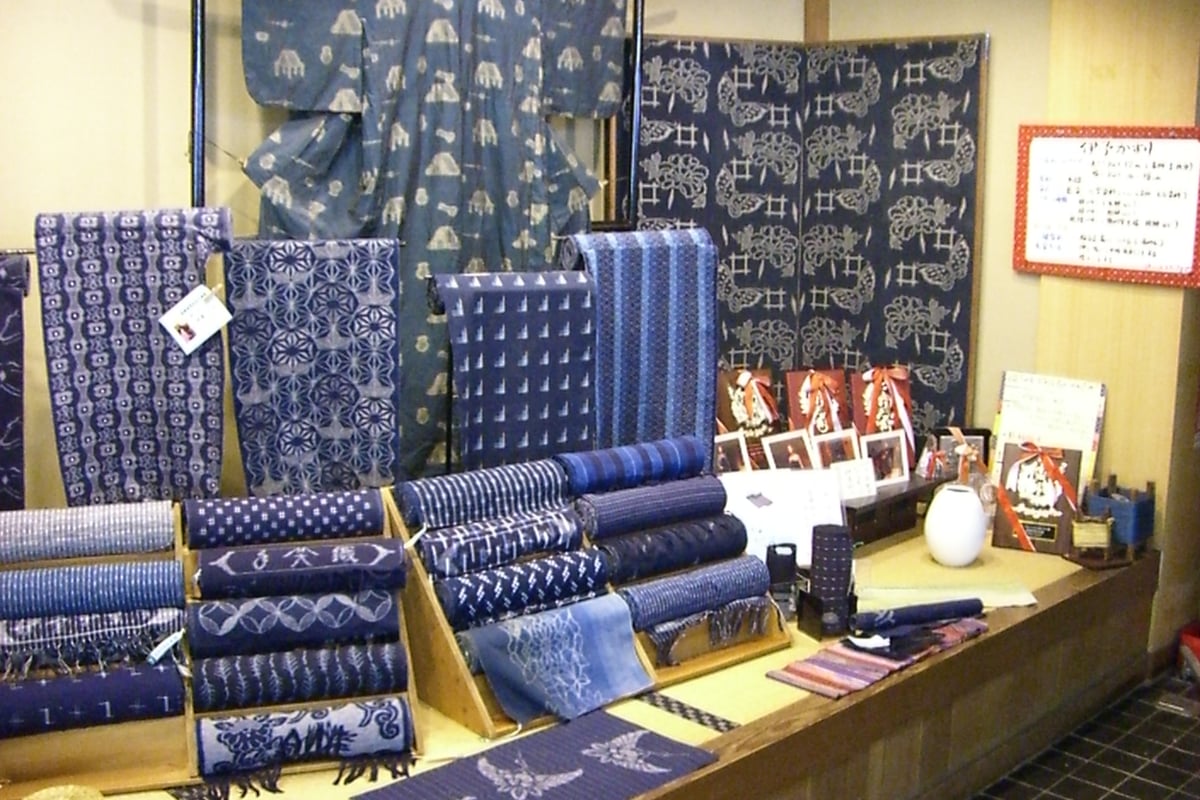
Iyo Kasuri (Iyo Ikat Cotton)
Iyo Kasuri (Iyo Indigo Ikat Cotton)
Iyo Kasuri is a cotton kasuri (ikat) that has been made mainly in Matsuyama City, Ehime Prefecture. Kasuri is a textile in which the parts of the yarn meant to form the pattern are bound with thread to keep them from taking the dye, and the indigo-dyed yarns are then woven while the pattern is aligned. It is counted, along with Kurume Kasuri (Fukuoka Prefecture) and Bingo Kasuri (Hiroshima Prefecture), as one of Japan's Three Major Ikat Weaves. It is said to have been devised in the Kyowa era of the late Edo period (1801-1804) by Kagiya Kana of Imazu in Iyo District (present-day Nishihabu-machi, Matsuyama City). It was also called 'Imazu-gasuri.' Production grew greatly in the Meiji period, and in 1904 (Meiji 37) it is said to have become the largest in output in Japan. Igeta (parallel-cross) and cross patterns, with their striking contrast of white and navy, are representative, and because it is durable, it was used for everyday clothes and work clothes. It is a Traditional Specialty Product (designated by Ehime Prefecture), and in 2025 (Reiwa 7) the techniques of Iyo Kasuri were designated an Intangible Cultural Property of the prefecture. At 伊予かすり会館 (Iyo Kasuri Kaikan) in Okaido, Matsuyama City, visitors can view exhibits and try indigo dyeing.
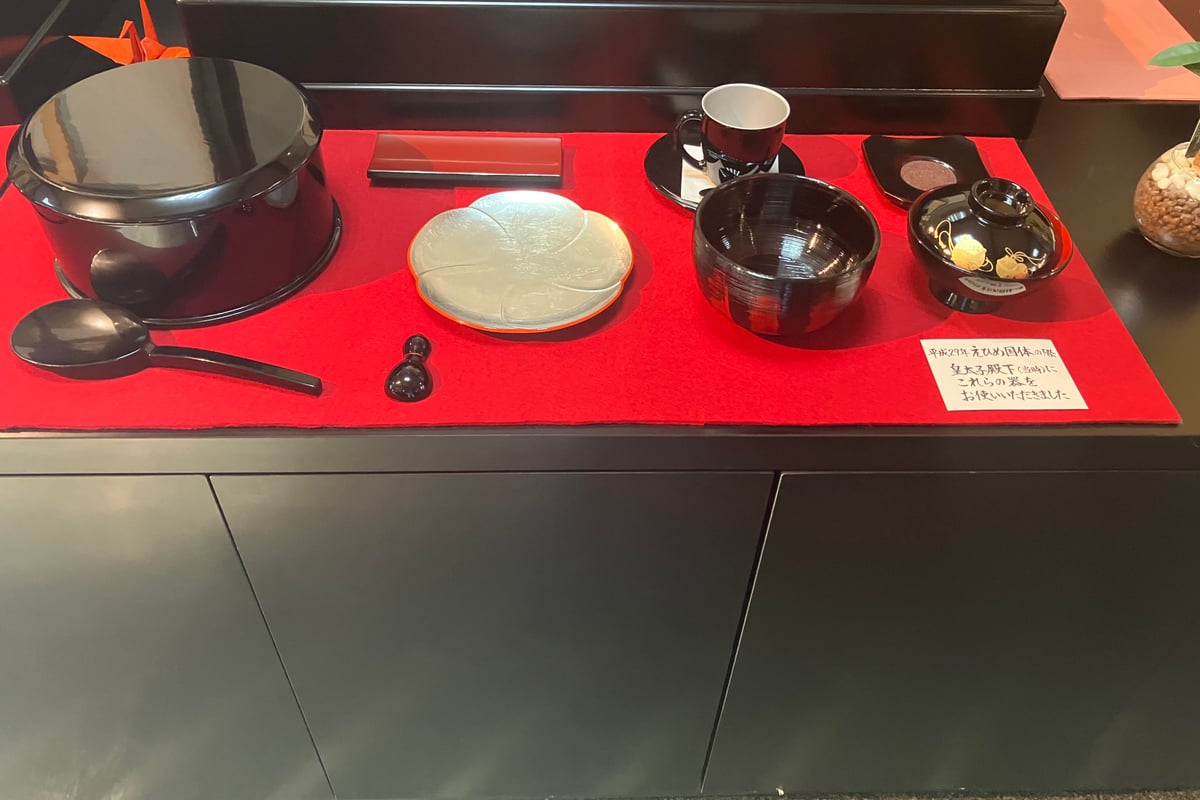
Sakurai Lacquerware
Sakurai Shikki (Sakurai Lacquerware)
Sakurai Lacquerware (Sakurai Shikki) is lacquerware made in the Sakurai district of Imabari City, Ehime Prefecture. It began not with manufacturing but with selling: in the late Edo period, merchants from Sakurai bought lacquerware from Kuroe in Kishu (present-day Kainan City, Wakayama Prefecture), carried it by ship, and peddled it in Kyushu and elsewhere. These lacquerware peddling ships were called 'wanbune' (bowl boats), and the peddlers became familiarly known in various places as 'Wanya-san' (the bowl sellers). Eventually lacquerware came to be made locally as well, and it became known as sturdy lacquerware thanks to the 'kushizashi' technique, in which the four corners of tiered boxes are interlocked like the teeth of a comb. Layers of lacquer are applied over a high-quality hinoki (Japanese cypress) wood base, and pieces are finished with maki-e or chinkin. The credit sales and installment sales that began at the peddlers' destinations are even said to be the origin of today's credit business. It is a Traditional Specialty Product (designated by Ehime Prefecture), and at 伊予桜井漆器会館 (Iyo Sakurai Shikki Kaikan) in Imabari City, visitors can pick up products and choose for themselves.
Kikuma-gawara (Kikuma Roof Tiles)
Kikuma Gawara (Kikuma Smoked Roof Tiles)
Kikuma-gawara are roof tiles made in Kikuma, Imabari City, Ehime Prefecture. They are fired without glaze and smoked at the end, which gives the surface a distinctive silvery sheen known as 'ibushi-gin' (smoked silver). For this reason they are also called 'ibushi-gawara' (smoked roof tiles). Their origins are traced to the Koan era (1278–1288) of the Kamakura period, and tile making is said to have begun in the time of the Kono clan, a powerful family of Iyo. In the Edo period the craft developed under the protection of the Matsuyama domain, and in the Meiji period Kikuma supplied official roof tiles for the Imperial Palace. The production area is said to have been supported by a warm climate with little rain that made it easy to dry tiles, by good supplies of clay as the raw material and pine for fuel, and by convenient shipping routes. The tiles are durable and resist discoloration, and they have been used on the roofs of houses, shrines and temples. The talismanic onigawara (ogre-faced ridge-end tiles) are also well known and can be seen on the roofs of homes, temples and shrines around the town. In 1980 (Showa 55), Kikuma-gawara was designated a Traditional Specialty Product (designated by Ehime Prefecture). At Kawara-kan in Kawara no Furusato Park, visitors can see exhibits on the history of the tiles and try making something from tile clay.
Iyo Mizuhiki (Decorative Paper Cords)
Iyo Mizuhiki (Decorative Paper Cords of Shikokuchuo)
Iyo Mizuhiki refers to mizuhiki (decorative paper cords) and mizuhiki products made in Shikokuchuo City, Ehime Prefecture. Mizuhiki are cords made by twisting washi into strings and coating them with paste, and they are used to tie congratulatory money envelopes and gifts. Shikokuchuo City is known as a 'paper town' with a thriving papermaking industry, and mizuhiki production began there in the Edo period with the making of motoyui, cords used to tie up hair. When demand for motoyui fell because of the Haircut Edict (Dampatsurei) in the Meiji period, the area expanded its products to mizuhiki, money envelopes (kinpu) and betrothal gift (yuino) decorations. Today it is regarded as one of Japan's two major mizuhiki production areas, alongside Iida City in Nagano Prefecture. It is designated as a Traditional Specialty Product (designated by Ehime Prefecture) under the name 'mizuhiki and mizuhiki products,' and 19 companies are members of the Iyo Mizuhiki Kinpu Cooperative, founded in 1958 (Showa 33). Many Traditional Craftspeople have emerged from among its members, and new products are also being developed, such as accessories that make use of the skills of yuino decoration making.
Hime Daruma (Princess Daruma Dolls)
Hime Daruma (Princess Daruma Dolls of Matsuyama)
Hime Daruma are good-luck folk toys handed down in Dogo, Matsuyama City, Ehime Prefecture. They take the form of a plump figure in a red robe and are said to be associated with the legend that Empress Jingu conceived Emperor Ojin at Dogo Onsen. As charms for safe childbirth, the blessing of children and finding a good match, they have been given as gifts to celebrate weddings, births and new homes. The traditional hariko (papier-mâché) Hime Daruma is said to have been devised in the early Meiji period by Ryomura Kurazo, and the fifth generation of the Ryomura family still makes them by hand today. The body is hariko made of layered washi, and a face of unglazed fired clay is set into it. In the 1950s, Kinran Hime Daruma, whose robes are represented with gold brocade (kinran) fabric, also appeared and became widely known as a Matsuyama souvenir. In 2002 (Heisei 14), Hime Daruma was designated a Traditional Specialty Product (designated by Ehime Prefecture). In Matsuyama City, visitors can also try making Hime Daruma.
Saijo Danjiri Carvings
Saijo Danjiri Chokoku (Wood Carvings of Saijo Festival Floats)
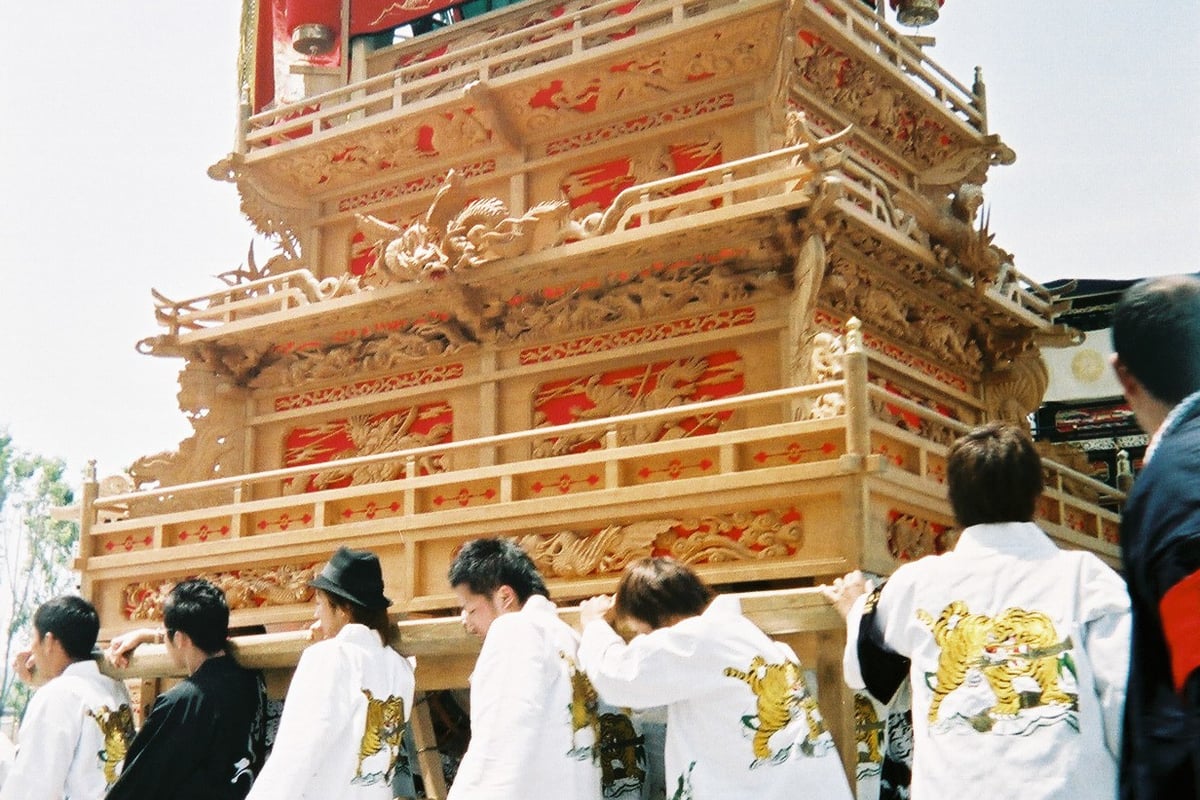
Saijo Danjiri Carvings are the wood carvings that decorate the danjiri (festival floats), also called yatai, carried at the Saijo Festival, the autumn festival of Saijo City, Ehime Prefecture. The Saijo Festival is the collective name for the festivals of four shrines in the city, and every October more than 150 floats, including danjiri, mikoshi (portable shrines) and taikodai (festival drum floats), are dedicated. Among them, the festival of Isono Shrine is especially large, and 77 danjiri and 4 mikoshi are said to be dedicated. A danjiri is a float about 5 meters tall made of hinoki (Japanese cypress), on which myths, ancient Chinese tales, warrior pictures, and flowers and birds are depicted in openwork carving. Another feature is that it is assembled without nails, using komisen (wooden pegs) and wedges. This carving technique was designated a Traditional Specialty Product (designated by Ehime Prefecture) in 2002 (Heisei 14). In the city, craftspeople from a family that has built danjiri since the Edo period still continue to build new danjiri today.
Taikodai Embroidered Curtains
Taikodai Shishu Kazarimaku (Embroidered Curtains for Festival Drum Floats)
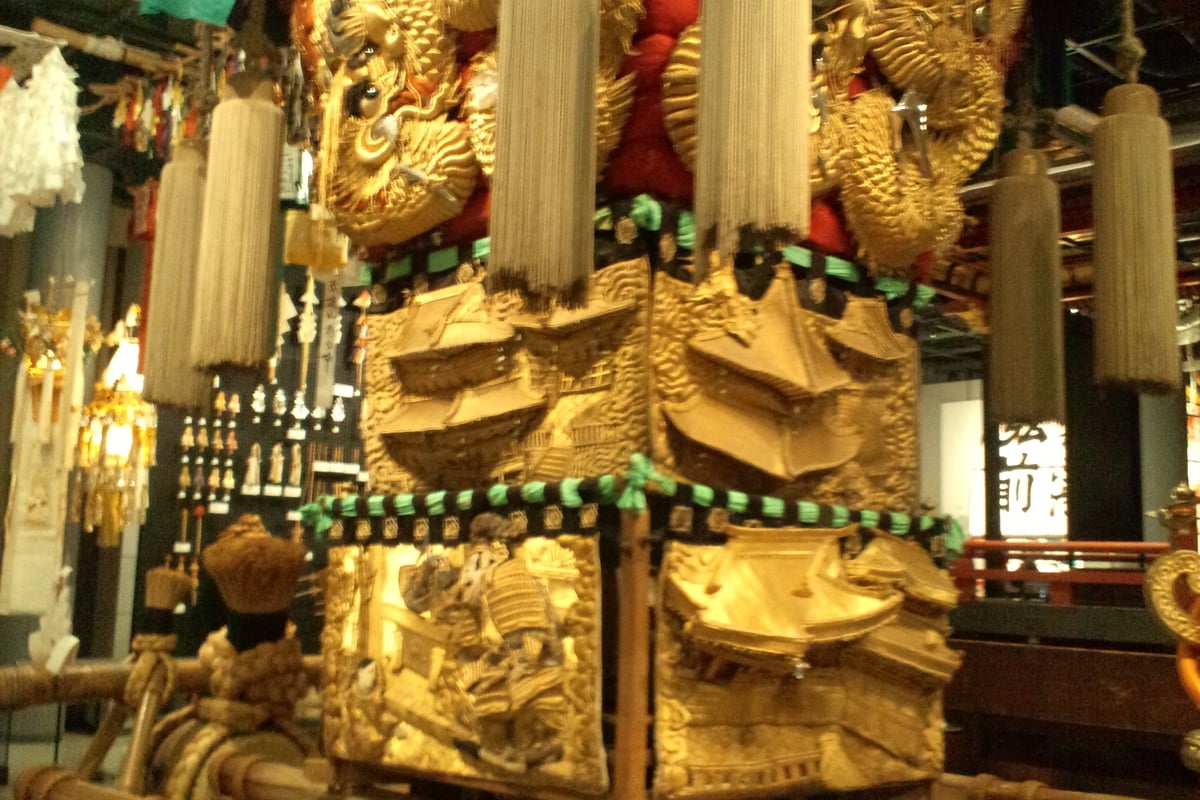
Taikodai Embroidered Curtains (Taikodai Shishu Kazarimaku) are embroidered curtains that decorate the taikodai (festival drum floats) carried at autumn festivals in the Toyo (eastern Ehime) region of Ehime Prefecture. A taikodai is a festival float with a drum installed inside a tower-like frame (yagura), and it is known from the Niihama Taiko Festival and the autumn festivals of Shikokuchuo City. On the curtains hanging on all four sides, and on the futon-jime that bind the futon roof (a roof of stacked cushion-like layers), dragons, hawks, lions (shishi), warriors and other motifs are rendered in three-dimensional embroidery using gold thread. Taikodai from the Toyo region of Ehime to Kagawa and Hyogo prefectures are said to be characterized by such lavish three-dimensional embroidery. A single craftsperson handles almost every step of making the curtains, and each one is made to order. They are designated a Traditional Specialty Product (designated by Ehime Prefecture), and the listed contact is a nuishi (embroidery craftsperson) in Shikokuchuo City. In 2024 (Reiwa 6), the technique of 'nuihaku production' used for the curtains was designated an Intangible Cultural Property of Shikokuchuo City.
Uwajima Ushi-oni Hariko (Papier-Mâché)
Uwajima Ushioni Hariko (Papier-mâché Ushioni Demon-Bull Toys)
Uwajima Ushi-oni Hariko is a folk toy made of hariko (papier-mâché) in the shape of the ushi-oni (demon-bull festival float) that appears at festivals in Uwajima City, Ehime Prefecture. The ushi-oni is a large procession float with a demon-like face and a long neck, and it drives away evil by poking its head under the eaves of houses. Hariko ushi-oni have been displayed in homes as talismans against evil and have also been loved as festival souvenirs. It is designated a Traditional Specialty Product (designated by Ehime Prefecture). It is made by pasting many layers of washi (Japanese paper) over a mold, and horsehair is used for the whiskers. よしを民芸店 in Uwajima City, founded shortly after the war, has continued to make them, and its second-generation owner, 宇都宮よしを, has been introduced as the only Ehime Traditional Craftsperson making hariko ushi-oni. However, in the list of contacts for Traditional Specialty Products released by Ehime Prefecture in March 2026, Uwajima Ushi-oni Hariko is listed as 'kyugyo' (closed for business).
Ehime's Local Food
Taimeshi (Sea Bream Rice)
Taimeshi (Ehime Sea Bream Rice)
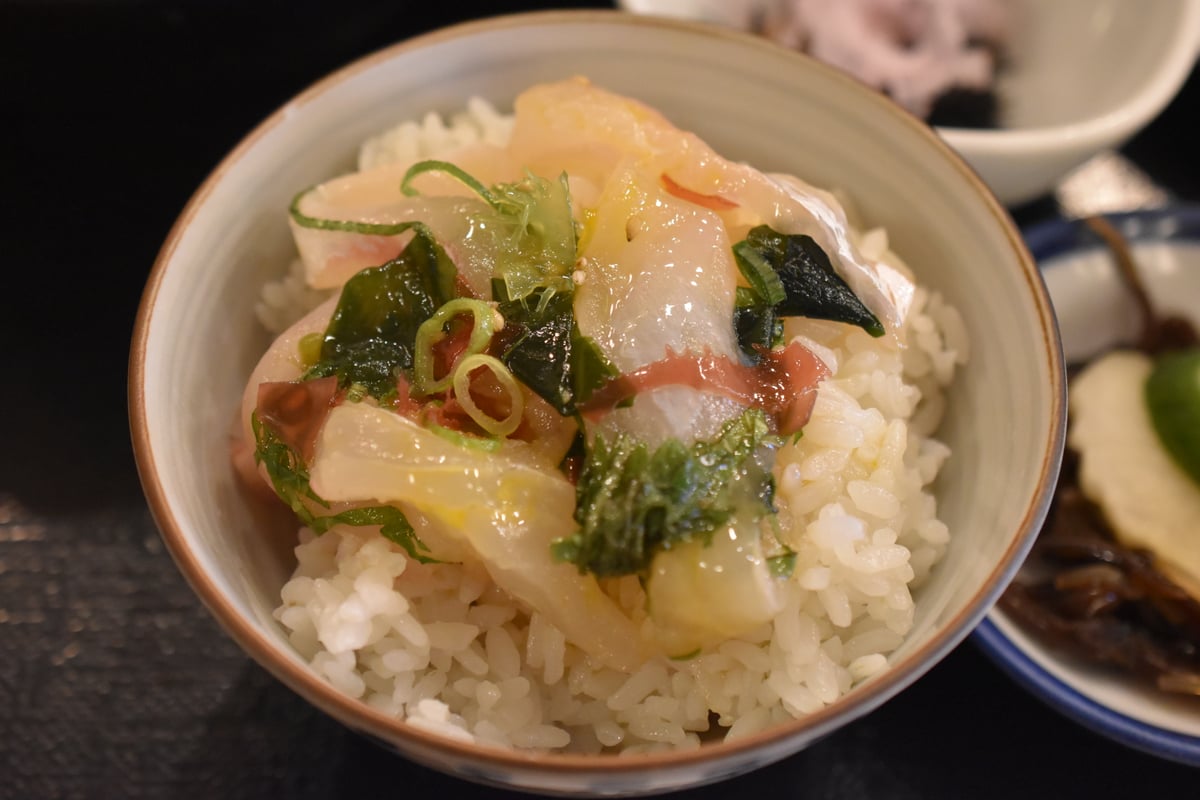
Taimeshi (sea bream rice) is a representative local dish of Ehime Prefecture, and it broadly comes in two types. One is a cooked-in style, in which a whole sea bream is cooked together with the rice, and after cooking the flesh is flaked and mixed into the rice. It has long been enjoyed in Chuyo and Toyo (central and eastern Ehime), such as in the Hojo area of Matsuyama City and in Imabari City. The other is the Nanyo (southern Ehime) way of eating it, in which slices of raw sea bream sashimi are mixed with a sauce combining soy sauce, mirin, raw egg, sesame and dashi broth, and then poured, sauce and all, over hot rice. The former is called 'Hojo Taimeshi' and the latter 'Uwajima Taimeshi,' and in fiscal 2021 (Reiwa 3) both were recognized as '100-Year Foods' by the Agency for Cultural Affairs. Ehime Prefecture is active in red sea bream farming, and according to the prefecture's fisheries statistics, its farmed production has ranked first in Japan for more than 30 consecutive years. Sea bream is regarded as an auspicious fish and is also served at celebrations, and today both kinds of taimeshi can be enjoyed at many restaurants in the prefecture.
Jakoten (Fried Fish Cake)
Jakoten (Fried Whole-Fish Cakes of Uwajima and Yawatahama)
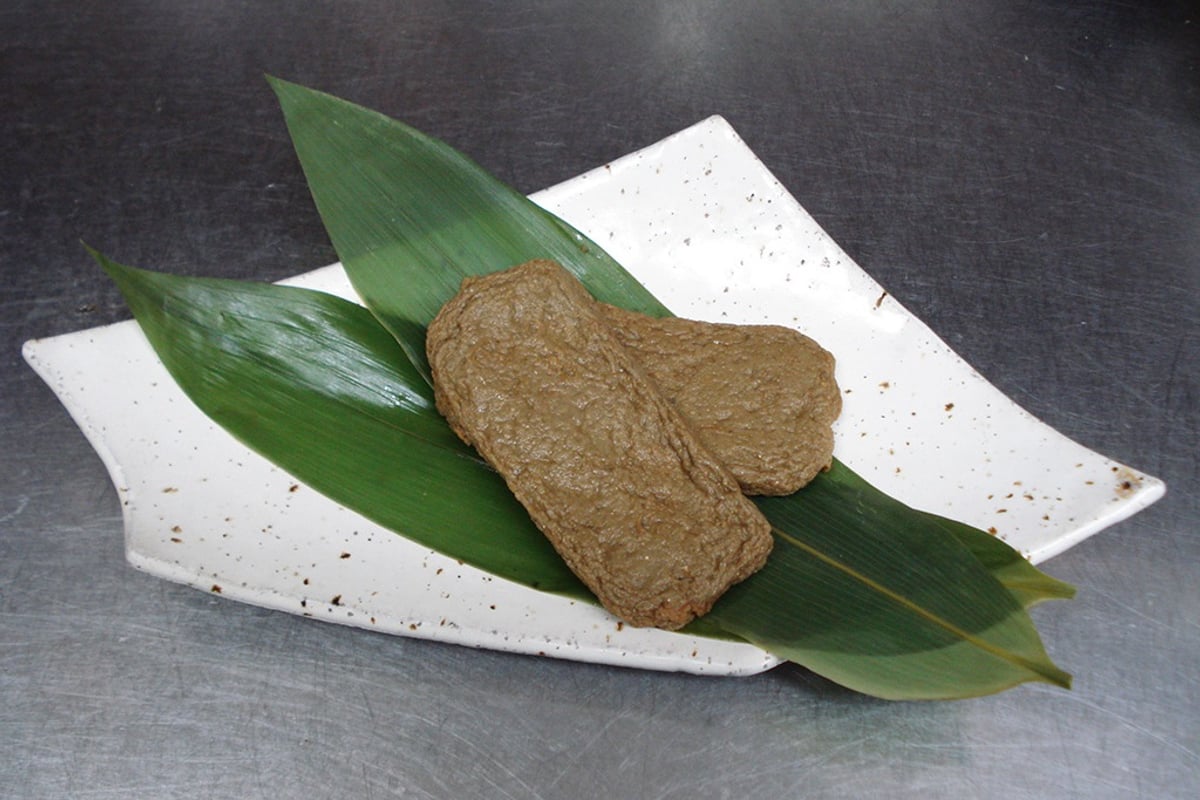
Jakoten is a fish paste product made mainly in Uwajima City and Yawatahama City in the Nanyo (southern Ehime) region of Ehime Prefecture. The heads and innards of small fish such as hotaru-jako (glowbelly, known locally as 'haranbo') are removed, and the fish are ground up bones, skin and all, shaped into oval patties, and deep-fried in oil. Because even the bones and skin are used, it is packed with the savory flavor of the fish and is said to be rich in calcium. In Uwajima, fried fish paste has been called 'tenpura,' and versions made with the skin and bones have been distinguished as 'kawa-tenpura' (skin tenpura). A well-known theory holds that it originated when Date Hidemune, the first lord of the Uwajima domain, brought kamaboko (fish cake) makers from Sendai. Besides being eaten freshly fried as is, it is lightly grilled and served with grated daikon or ginger, or used as an ingredient in oden, udon and curry, making it an indispensable part of everyday meals in Nanyo. In Uwajima City and Yawatahama City, there are also kamaboko shops where you can try making jakoten.
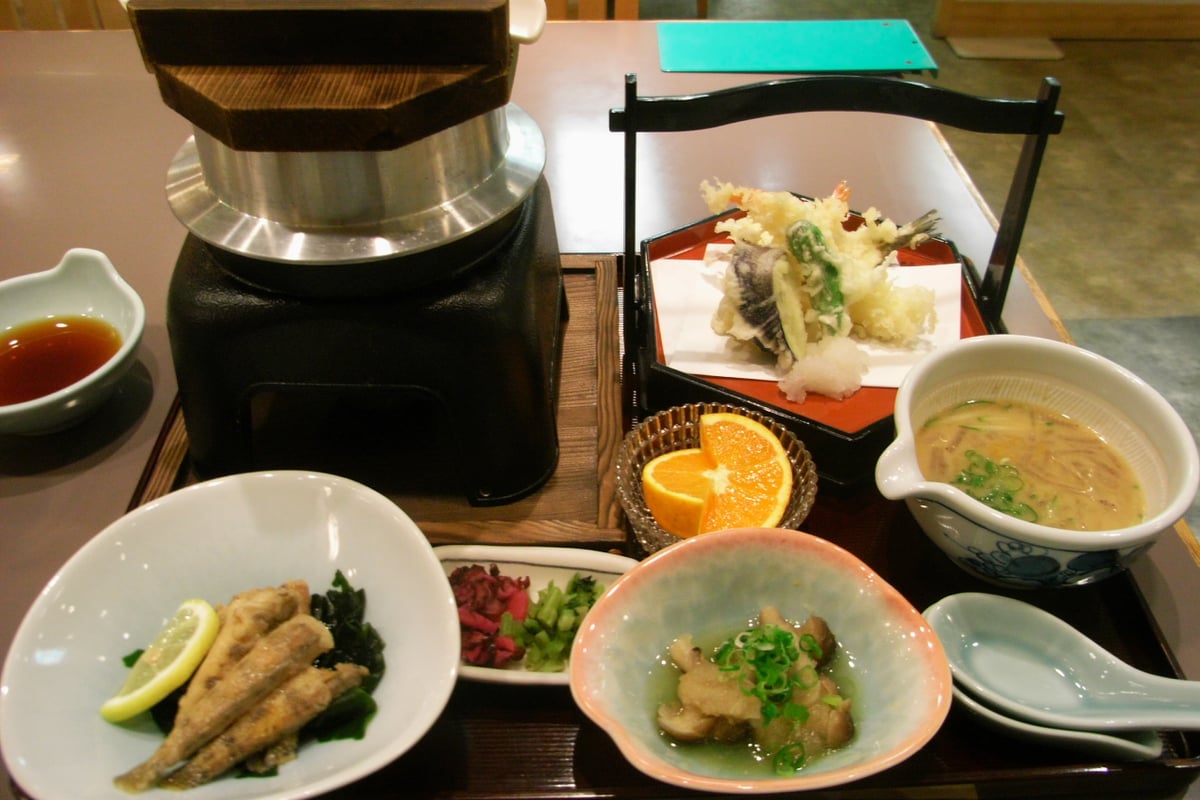
Satsuma (Fish and Barley Miso Soup over Rice)
Satsuma (Grilled Fish and Barley Miso Soup over Rice)
Satsuma is a cold soup passed down in the Nanyo (southern Ehime) region of Ehime Prefecture that is eaten poured over rice. The flesh of grilled white fish is flaked and ground together with barley miso, toasted over a flame to bring out a fragrant aroma, and then thinned with dashi broth made from the fish bones. This is poured over warm barley rice and eaten with toppings such as green onion, konnyaku and mandarin orange peel. It is known throughout Nanyo, including Yawatahama City and Uwajima City, and is also called 'Iyo Satsuma' or 'Uwajima Satsuma.' It is said to have begun when fishermen on their boats made the fish they had caught into a thick miso soup and poured it over rice, and it was also a way to make dry, crumbly barley rice tasty. Besides sea bream, the fish used varies by area, including lizardfish, horse mackerel and barracuda, and in mountain areas iriko (dried anchovies) and river fish have also been used. It goes down smoothly and is easy to eat even in summer, when appetites tend to flag.
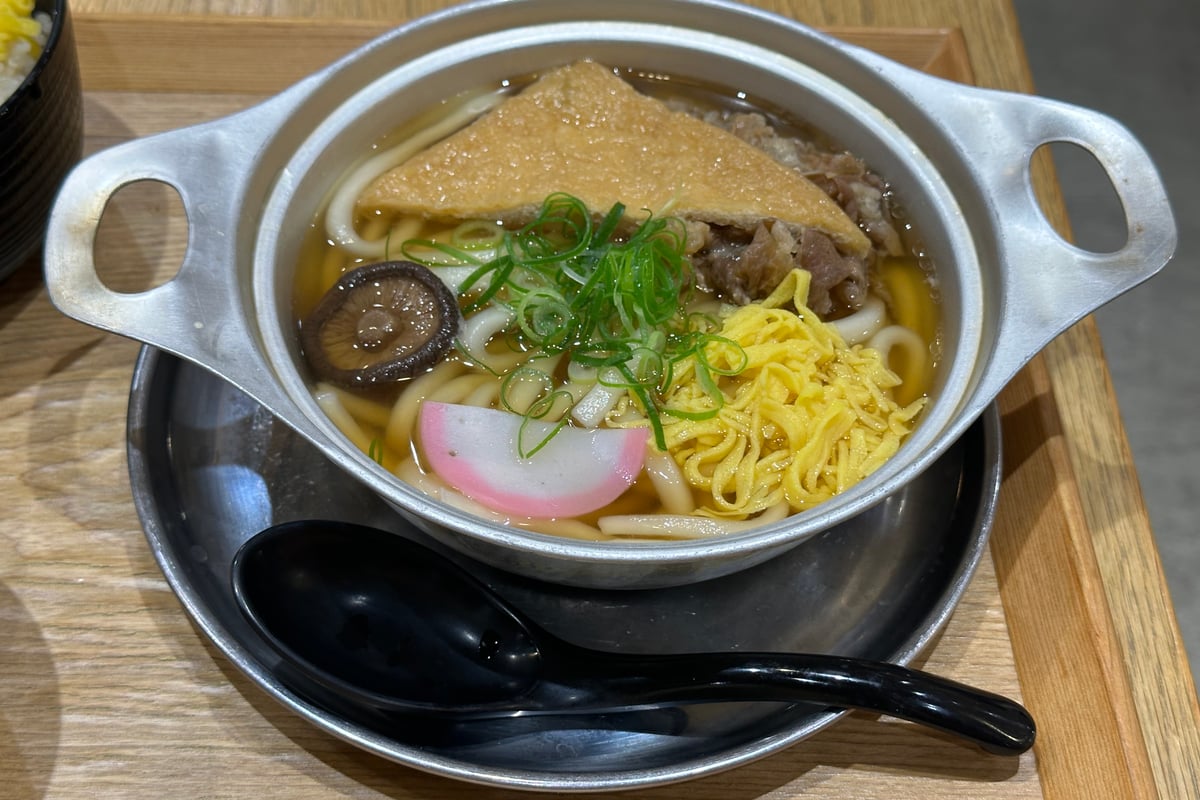
Matsuyama Nabeyaki Udon
Matsuyama Nabeyaki Udon (Sweet Udon Served in an Aluminum Pot)
Matsuyama Nabeyaki Udon is a style of udon loved in Matsuyama City, Ehime Prefecture. It is characterized by being simmered in a small single-serving aluminum pot and served to customers in the pot as is. The dashi broth is made from iriko (dried anchovies) from the Seto Inland Sea and kombu and finished with a slightly sweet flavor, and the noodles are on the soft side. Standard toppings include sweetly simmered beef, chopped fried tofu and kamaboko (fish cake). アサヒ (Asahi), which opened in 1947 (Showa 22) shortly after the war, and ことり (Kotori), which opened in 1949 (Showa 24), are known as the pioneers. Both are still in business near the Gintengai shopping arcade in Minatomachi, Matsuyama City. Both have small menus centered on nabeyaki udon and inari-zushi. They often close in the early afternoon once the noodles run out, and nabeyaki udon is described as a soul food of Matsuyama that draws tourists as well as local people.
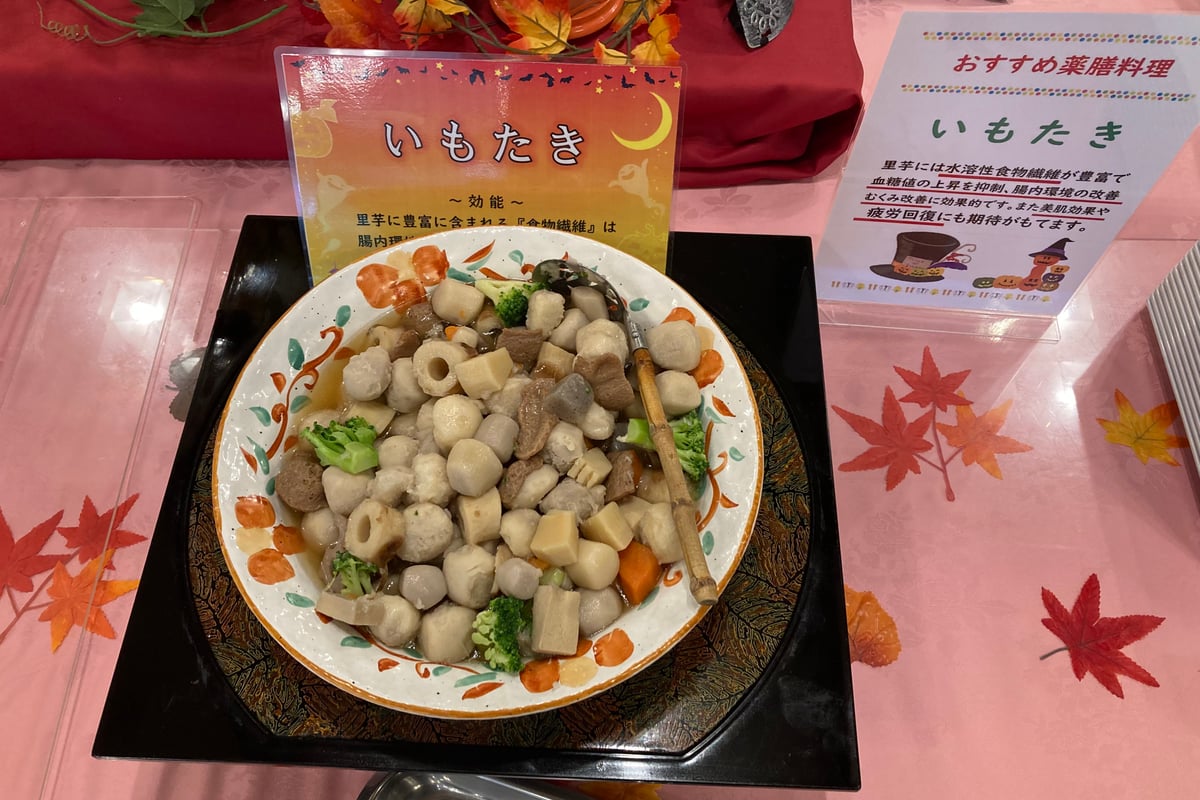
Imotaki (Taro Hot Pot)
Imotaki (Taro Hot Pot Enjoyed on the Riverbank)
Imotaki is a hot pot dish from Ehime Prefecture in which taro takes center stage and is simmered in dashi broth with chicken, konnyaku, shiitake mushrooms, fried tofu and other ingredients. It is said to have originated in Ozu City and is known as an event in which people gather around pots on the banks of the Hiji River from late summer into autumn, enjoying it while also viewing the moon. In Ozu during the Edo period, farmers are said to have cooked taro harvested in summer on the riverbank and eaten it at gatherings called 'okomori,' held to strengthen ties among them. 'Kanko Imotaki' (sightseeing imotaki) began in 1966 (Showa 41), and at its peak it is said to have drawn more than 70,000 visitors a year. Even today, from late August to around mid-October, the registered restaurant you reserve with prepares the food and seating at the venue. Taro is considered a good-luck symbol of prosperity for one's descendants, and imotaki has spread to various places in the prefecture, such as Saijo City and Toon City, becoming a seasonal autumn tradition of Ehime.
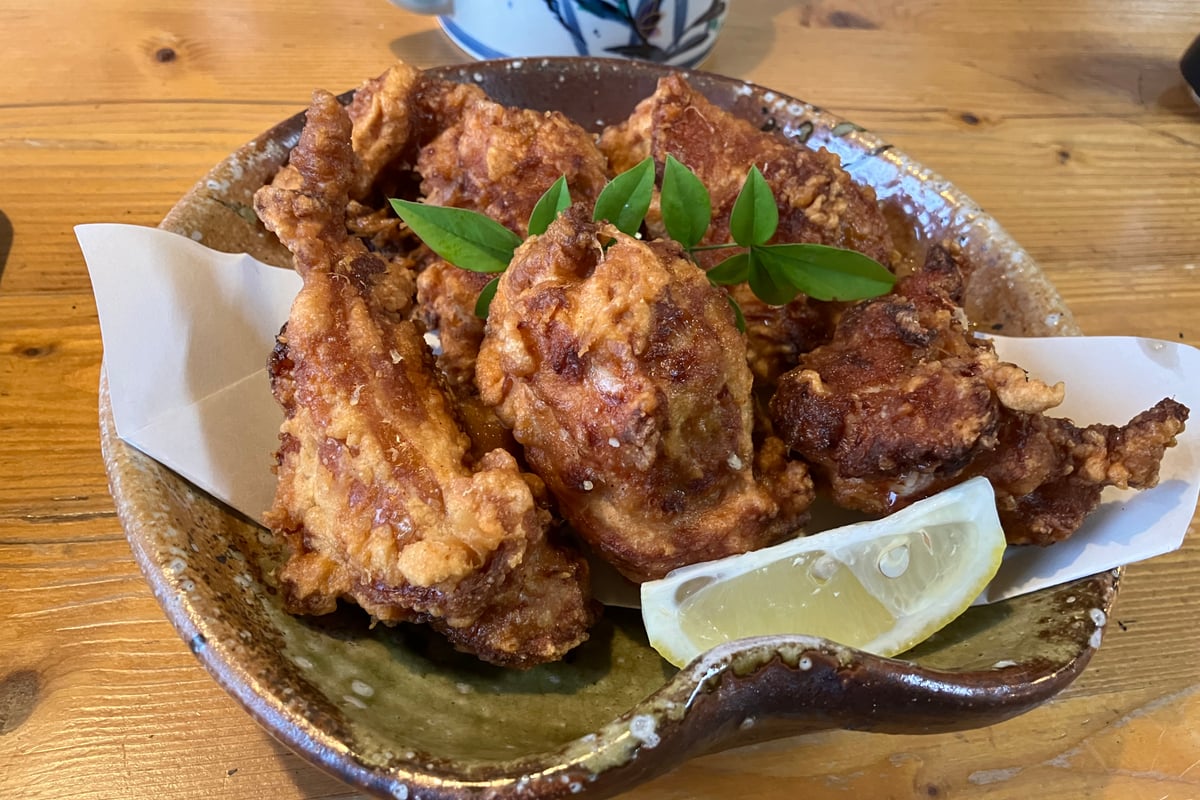
Senzanki (Imabari-Style Fried Chicken)
Senzanki (Imabari-Style Bone-In Fried Chicken)
Senzanki is a fried chicken dish (karaage) and a local specialty of the Toyo region (eastern Ehime), centered on Imabari City in Ehime Prefecture. The Ministry of Agriculture, Forestry and Fisheries' 'Our Regional Cuisines' introduces it as a dish in which bone-in young chicken is cut into bite-size pieces, marinated with light soy sauce, sake, ginger juice, garlic and other seasonings, coated in potato starch and fried. Frying the meat on the bone is said to bring out its savory flavor and let the marinade soak in well. The origin of the name is unclear: one theory holds that it was written '千斬切' ('cut a thousand times') because the chicken was chopped into a thousand pieces, and another holds that it is a corrupted form of a Chinese name for fried chicken. It has been eaten in every season, at celebrations, sports days and outings, and in everyday lunch boxes. In Imabari it is a staple at yakitori restaurants and izakaya, and it is said that connoisseurs start with 'kawa' (chicken skin) of Imabari Yakitori, cooked on an iron griddle, and finish with senzanki.
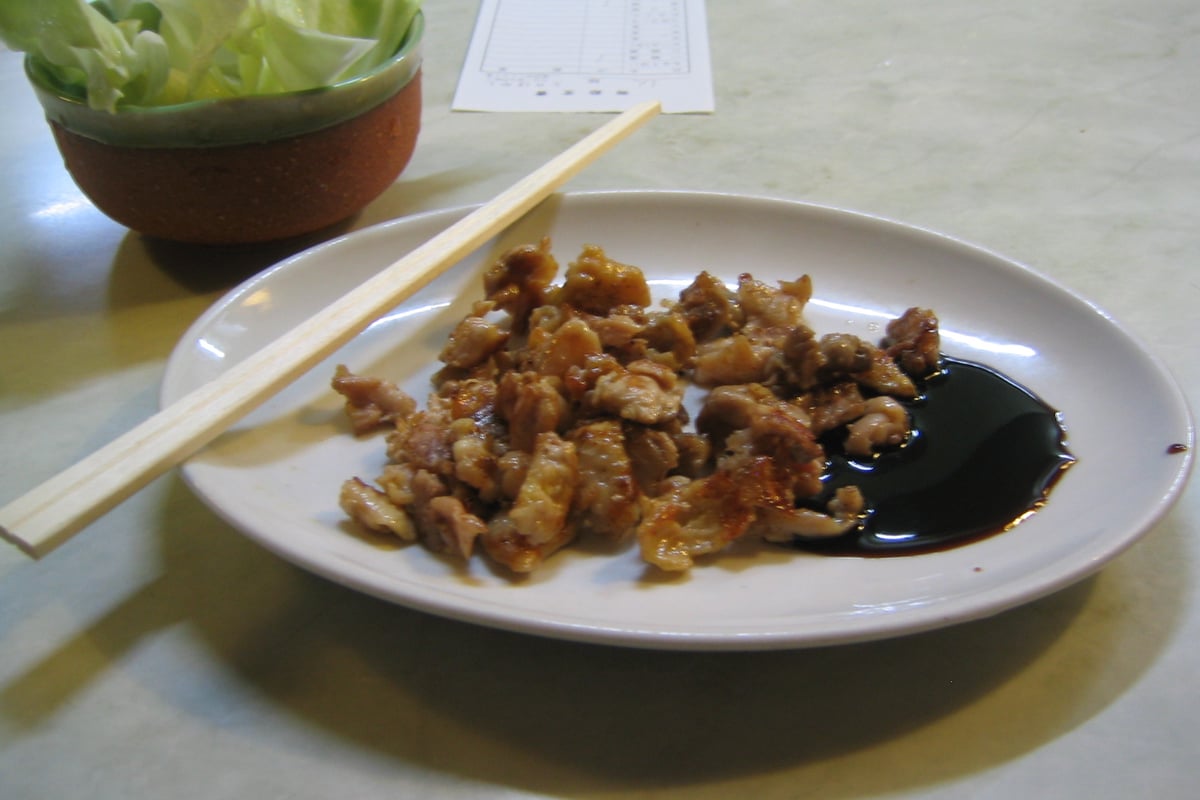
Imabari Yakitori (Griddle-Pressed Chicken)
Imabari Yakitori (Iron-Griddle Pressed Chicken of Imabari)
Imabari Yakitori is a style of yakitori known as a specialty of Imabari City, Ehime Prefecture. Unlike ordinary yakitori, the chicken is not put on skewers; instead it is cooked on a thick iron griddle and finished by pressing it down with a small, plate-shaped iron weight. The chicken is cooked as if fried in the fat rendered from the skin, and pressing it creates conditions close to steam-grilling, so it cooks quickly and can be served right away. The signature item is 'kawa' (chicken skin), cooked until the outside is fragrant and crisp. The griddle is set at an angle so that excess fat drains off, which is said to give a light flavor. The Ministry of Agriculture, Forestry and Fisheries' 'Our Regional Cuisines' states that it was devised about 50 years ago and that there were once more than 100 griddle yakitori restaurants. The standard is to pour a sweet and savory sauce over it, though some restaurants serve it with salt or ponzu. It is said that connoisseurs start with 'kawa' and finish with senzanki, the local fried chicken.
Hi-no-kabura-zuke (Pickled Red Turnip)
Hi-no-Kabura-zuke (Matsuyama Red Turnip Pickled in Bitter Orange Vinegar)
Hi-no-kabura-zuke is a local dish of the Matsuyama area, centered on Matsuyama City in Ehime Prefecture: a pickle made from hi-no-kabu (Iyo hi-kabu), a traditional vegetable. Turnips first lightly salted are then given their main pickling in sugar and daidai (bitter orange) vinegar, made from the juice of the daidai citrus. The turnips, purple on the outside and white inside, turn a vivid scarlet when soaked in the vinegar and take on a refined sweet-and-sour flavor with a citrus aroma. This color comes from a pigment in the turnip called anthocyanin reacting with the vinegar, not from coloring agents. It is said to have begun in the early Edo period, when Gamo Tadatomo, lord of the Matsuyama domain, brought Hinona turnips from Hino in Omi Province, his ancestral land. It is sung of as a local specialty in the Ehime folk song 'Iyo-bushi,' and Masaoka Shiki also wrote haiku about it. Harvesting and pickling begin in early November, and it is at its best in winter. It is an indispensable part of osechi (New Year's dishes) and is also used as a Matsuyama souvenir and as a year-end gift (oseibo).
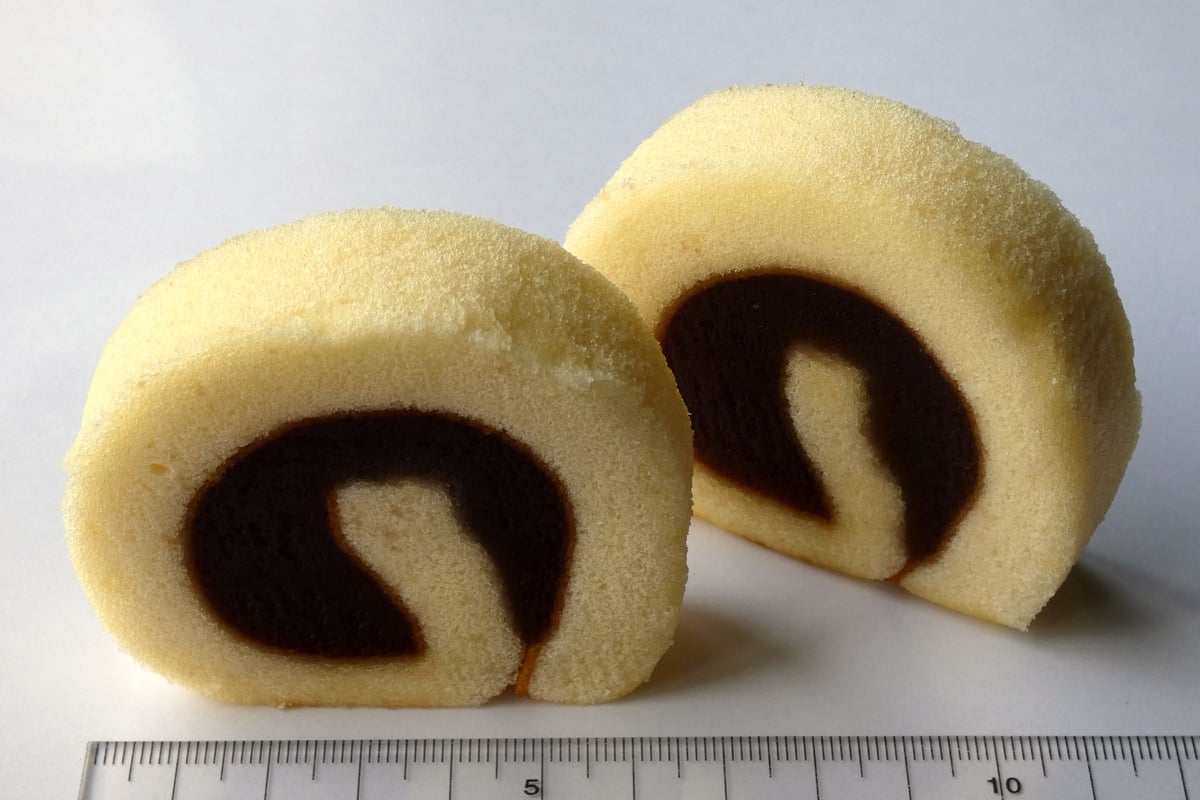
Taruto (Yuzu Bean Paste Sponge Roll)
Taruto (Matsuyama Castella Roll with Yuzu Bean Paste)
Taruto is a confection representative of Matsuyama City, Ehime Prefecture. Shaped like a roll cake, it consists of soft castella sponge wrapped around smooth red bean paste (koshi-an) containing yuzu. A distinctive feature is that the swirl of bean paste in the cut surface looks like the hiragana character 'の' (no). It is said to have begun in 1647 (Shoho 4), when Matsudaira Sadayuki, the first lord of the Matsuyama domain, encountered a Nanban (European-style) confection called a tart in Nagasaki and brought its recipe back to Matsuyama. What he ate in Nagasaki was rolled around jam, and the bean paste filling is thought to be Sadayuki's own idea. The recipe became a family secret of the Hisamatsu family and spread to confectioners in Matsuyama from the Meiji period onward. Today it is made by many shops not only in Matsuyama City but throughout the prefecture, with 一六本舗, 六時屋, ハタダ and others each selling their own taruto. Depending on the season, some products use cherry blossom, amanatsu citrus or chestnut, and it is enjoyed as a sweet to serve with tea, a souvenir and a gift.
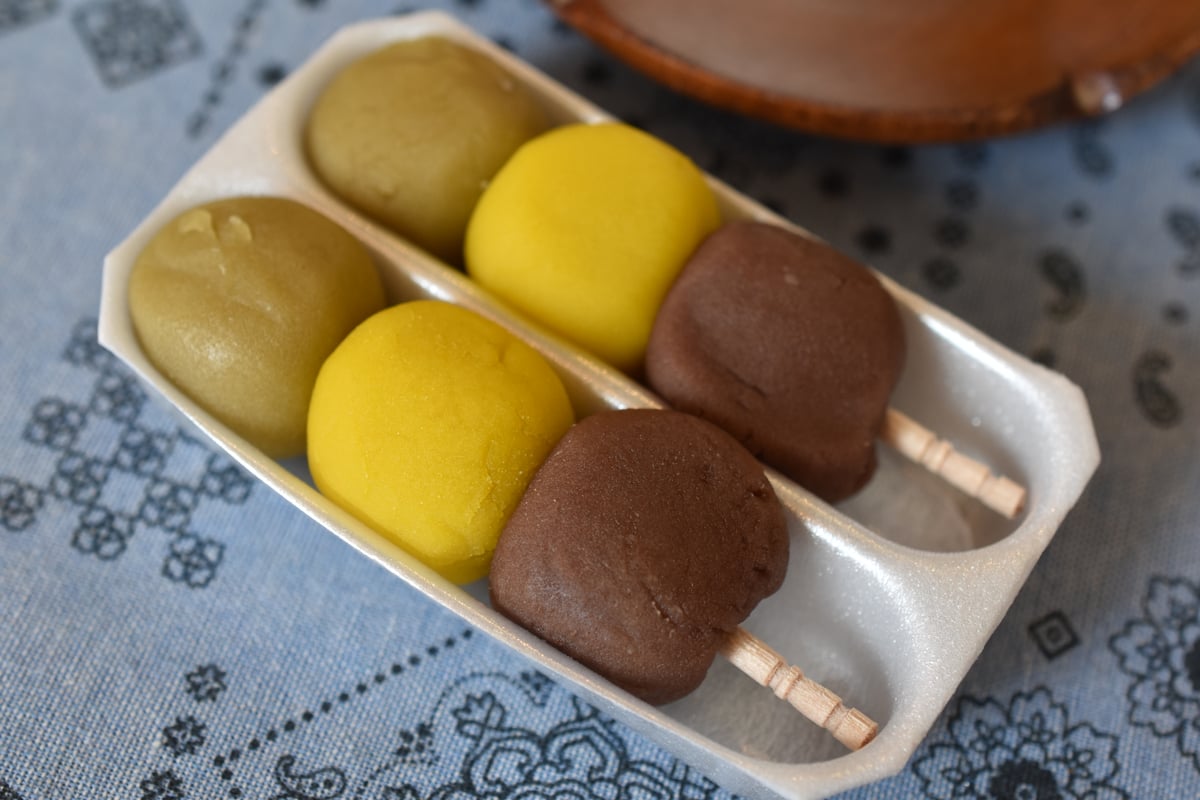
Botchan Dango (Three-Color Dumplings)
Botchan Dango (Three-Color Skewered Dumplings of Dogo)
Botchan Dango are skewered dumplings, a famous confection of Matsuyama City, Ehime Prefecture, known as a specialty of Dogo Onsen. Soft mochi is wrapped in bean paste of three colors, matcha, yellow and azuki, and the pieces are put on a single skewer. They were named after a scene in Natsume Soseki's novel 'Botchan' in which the protagonist stops at a dumpling shop on his way back from the hot spring and eats dumplings. Soseki's experiences while teaching in Matsuyama are said to have provided material for the novel. However, the dumplings in the novel were a different kind called 'yuzarashi dango,' and today's three-color dumplings are said to have been devised after the novel was published, in 1921 (Taisho 10), by つぼや菓子舗 in Dogo. Today they are made by several confectionery companies in Matsuyama City and can be bought in the Dogo Onsen shopping arcade, at stations, ports and airports, and elsewhere. About the size of a palm, they are enjoyed as a not-too-sweet treat to go with tea.
Model Course
Central Matsuyama course: discover Iyo Kasuri and Hime Daruma, then taste Botchan Dango and Taruto in Dogo
At 伊予かすり会館 (Art Labo KASURI), about a five-minute walk from the Okaido stop on the city tram, you can see exhibits on the history of Iyo Kasuri and buy items such as coasters and pouches. The Hime Daruma-making experience costs about 1,600 yen per person and requires a reservation by phone. For lunch, go to 鍋焼うどん アサヒ or 鍋焼うどん ことり in Minatomachi. Both serve udon in a slightly sweet broth in aluminum pots, and both are reported to cost 1,000 yen or less. In the afternoon, head to Dogo Onsen for Botchan Dango from つぼや菓子舗 and Taruto from 六時屋 道後店. At 谷本蒲鉾店 道後店, in front of Dogo Onsen Honkan (the main bathhouse), you can also buy Jakoten.
Paint pottery in Tobe, make washi in Uchiko, and gather around Imotaki in Ozu
After learning about the history of Tobe-yaki at 砥部焼伝統産業会館 in Tobe Town (300 yen for adults; closed on Mondays), head to 砥部町陶芸創作館. The experience of painting bisque-fired pieces with gosu (cobalt underglaze pigment) starts from 300 yen. At the kiln 梅山窯, you can choose pieces at the shop on its premises. At 天神産紙工場 in Ikazaki, Uchiko Town, you can try papermaking on weekdays with a reservation for two or more people (1,650 yen per person), and buy washi products at the adjoining 大洲和紙会館. In the evening, head to Ozu City. From late August to around mid-October, you can enjoy Imotaki on the riverbank of the Hiji River and at registered restaurants.
Eat Taimeshi in Hojo, visit lacquerware and roof tile workshops in Imabari, and enjoy griddle-grilled yakitori at night
太田屋 北条店 in Hojo, Matsuyama City, is a long-established restaurant known as the originator of Taimeshi in Chuyo, and its taimeshi set meal is reported to cost about 1,890 yen. Head north along the coast to 瓦のふるさと公園 かわら館 in Kikuma, Imabari City. For 210 yen (adults), you can learn about the history of Kikuma-gawara and see onigawara (ogre-faced ridge-end tiles), and hands-on experiences making pieces from roof tile clay start from 710 yen. Next, at 伊予桜井漆器会館 (closed on Tuesdays), you can pick up lacquerware and choose pieces in your hands, and enjoy drinks served in lacquerware at the adjoining café. In the evening, head to the area near JR Imabari Station. At 五味鳥 or 世渡, considered the shops where Imabari Yakitori originated, try chicken skin pressed and grilled on an iron griddle, along with bone-in Senzanki.
Southern Ehime (Nanyo) course: taste Uwajima-style Taimeshi and Satsuma in Uwajima, and make Jakoten by hand
At かどや 本店, about a three-minute walk from JR Uwajima Station, you can enjoy Uwajima-style Taimeshi, in which sea bream sashimi is mixed with a sauce containing egg and poured over rice, as well as Satsuma, made with barley miso and grilled fish. 郷土料理 大衆割烹 ほづみ亭 also serves both. In the afternoon, head to 安岡蒲鉾 in Mima Town, Uwajima City. You can tour the factory's production line for free, and the hands-on Jakoten-making experience costs about 1,500 yen for adults (two or more people; reservation required). At the roadside station 道の駅 きさいや広場, near Uwajima Port, you can also buy freshly fried Jakoten.
Eastern Ehime (Toyo) course: experience the taikodai of Niihama and the mizuhiki of Shikokuchuo
At 太鼓台ミュージアム, inside あかがねミュージアム in Niihama City, taikodai (festival drum floats) that are actually paraded in the city are displayed in rotation, so you can see their gold-thread Taikodai Embroidered Curtains up close almost all year round (closed on Mondays). Next, head to Shikokuchuo City. At the mizuhiki experience corner of 愛媛県産業技術研究所 紙産業技術センター, you can learn traditional knots for free (about 30 minutes). At 紙のまち資料館 in Kawanoe Town, you can trace the history of this paper-making town. If you visit in October, be sure to also see the openwork carvings on the danjiri (festival floats) of the Saijo Festival.
Events
Tobe-yaki Festival
Every spring (the 41st festival in 2026 is held April 18–19) / 陶街道ゆとり公園, Tobe Town, Iyo District
Uwajima Ushi-oni Festival
Every year, July 22–24 / Throughout Uwajima City
Imotaki in Ozu
Every year from late August to around mid-October (in 2026, starting with the Hatsunie-kai opening event on August 28) / 肱川緑地 肱南ピクニックランド and other sites, Ozu City
Saijo Festival
Every October (the Isono Shrine festival is held October 15–16) / Throughout Saijo City
Niihama Taiko Festival
Usually October 16–18 / Throughout Niihama City